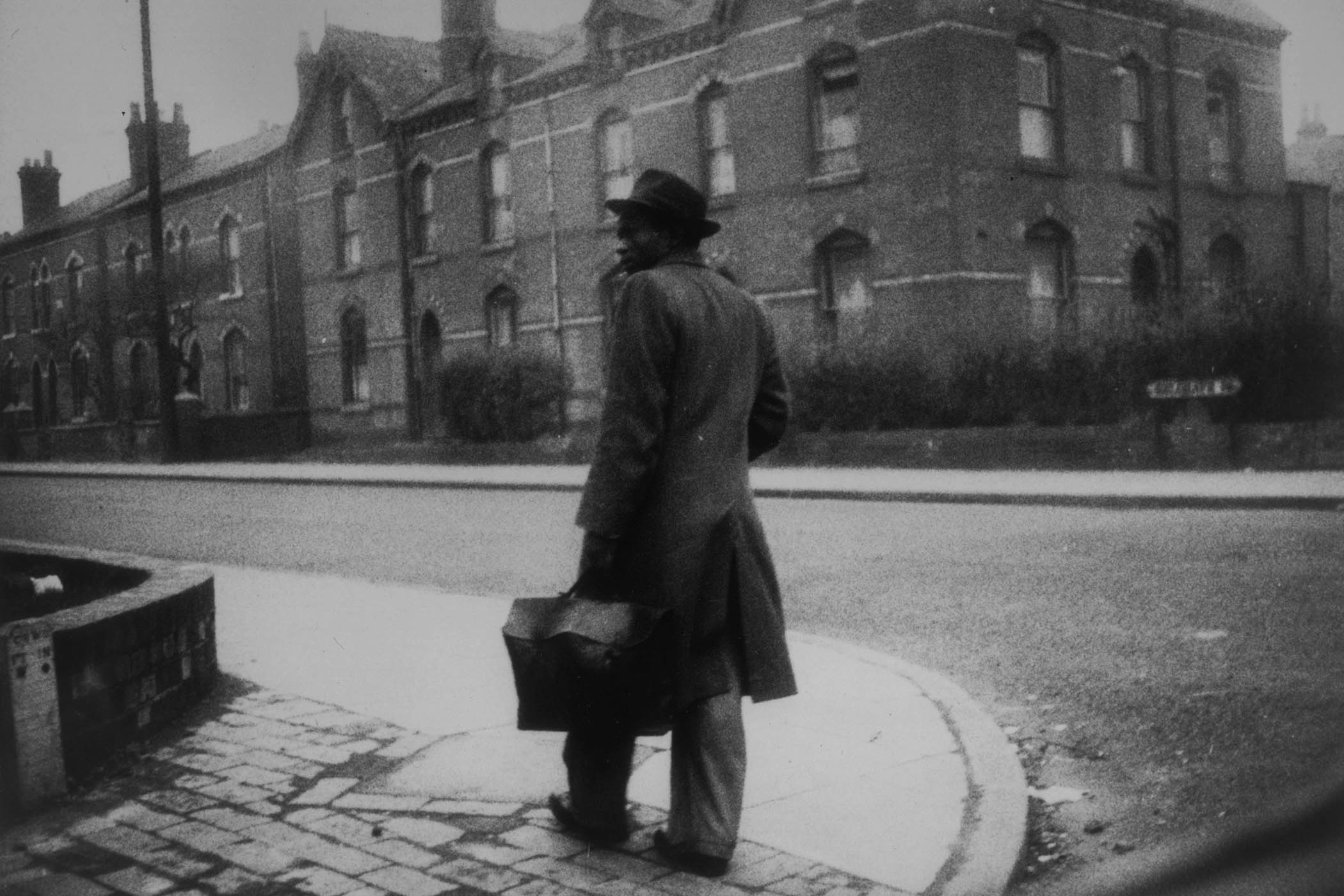
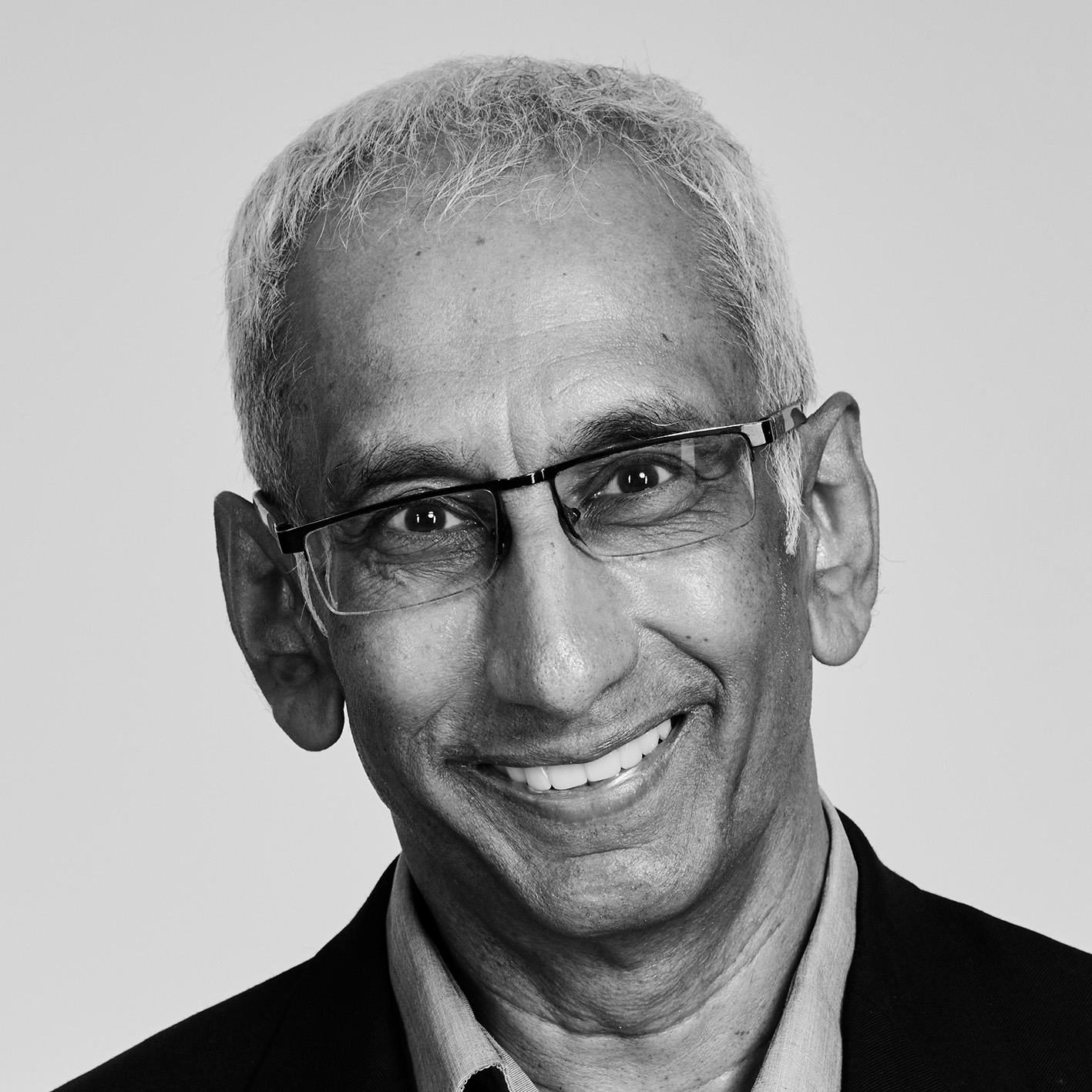
‘What the Labour party was really interested in,” Pervaiz Khan observed, “was recruiting clan elders who could deliver votes en masse. At election time, the elders would simply tell everyone in the clan to vote for their candidate.” Khan, a writer and director, whom I interviewed nearly two decades ago, grew up in Sparkbrook, Birmingham, in a family invested in both Pakistani and local politics. He tells the story of his uncle, who came to Britain in the 1950s and became a union official and an essential cog in the Labour party machine.
“He was never an elected councillor,” said Khan, “but he was treated as if he was. He had his own office in the council building, a pass and a parking space. He effectively acted as a “whip”, making sure that other Asian councillors voted the “right way”. In return, he got council grants for the Asian community – for community centres and other projects.”
The roots of such “machine politics” lay in two developments. One was the biradari system – clan networks built on mutual ties of obligation. In Britain it afforded shelter in what was often a hostile environment. It also reinforced the power of “community elders”, particularly in the context of the second development – the desire by the authorities in the 1980s to find representatives within minority groups with whom to engage in the wake of the inner-city riots. They turned to conservative and religious figures to help dampen down unrest.
If “moderate, responsible leaders” did not receive “financial support from central government”, warned Conservative minister George Young, then “people will turn to the militants”. The result was, in the words of antiracist activist Arun Kundnani, the creation of “ethnic fiefdoms,” lorded over by community leaders who, in return for “managing and containing anger”, were given “free rein in preserving their own patriarchy”. Within Muslim communities, the process helped Islamist leaders and organisations gain new visibility.
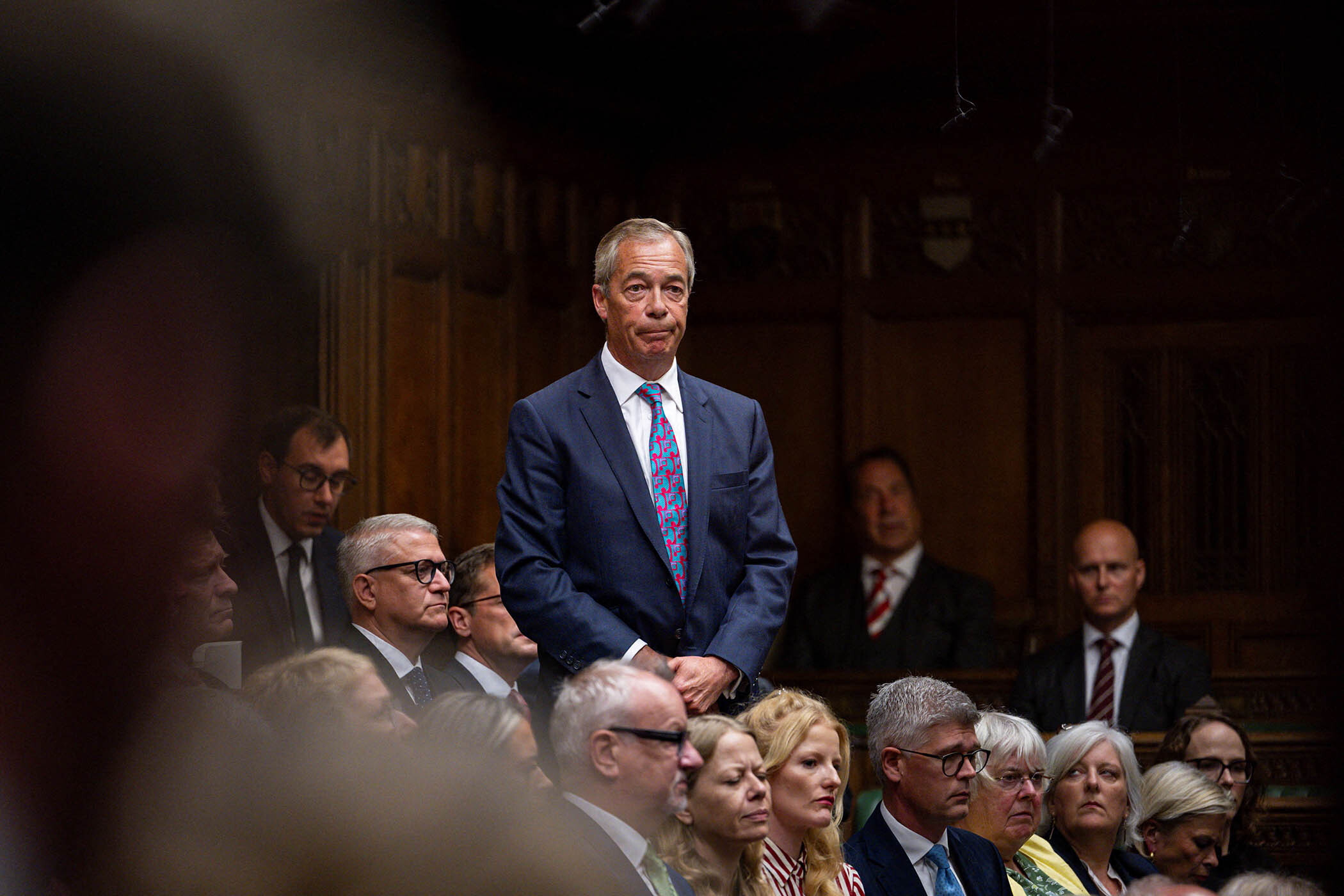
This is the deep background to the debate that has sprung up recently, especially since the victory of the Greens in the Gorton and Denton byelection, about the growth of sectarianism in British politics. The history might seem to bolster the arguments of those worrying about the malign influence of sectarian politics. In reality, the picture is more complex.
What the byelection result revealed was the fragmentation of the old ethnic voting blocs that Khan described. The support Labour traditionally received from minorities has been draining away for a while. In the 2024 general election, fewer than half of ethnic minority voters supported the party, the biggest drop being among Asian Muslims.
The byelection revealed the fragmentation of old ethnic voting blocks
The byelection revealed the fragmentation of old ethnic voting blocks
Voters of Indian heritage have long been less supportive of Labour than those with Bangladeshi or Pakistani ancestry. The same is true of voters of black African descent as compared with British Caribbeans. This is as much a matter of class as of ethnicity: those of Indian or African heritage tend, on average, to be relatively more middle class. The poorest within minority communities are still drawn to Labour but they, too, like working-class whites, are becoming disgruntled.
The social concerns of minorities are not that dissimilar to those of the white population, the most important being the cost of living. Muslims are certainly more troubled by Gaza, but concern about Gaza often acts as a lightning rod for a wider sense of disaffection “very similar to what you’d hear in the Red Wall”, as pollster Luke Tryl has observed.
All this was illustrated in the Gorton and Denton byelection. The Manchester side of the constituency (usually referred to as Gorton) was presented as primarily Muslim, and the wards in the borough of Tameside (generally described as Denton) as white working class. In fact, even on the Manchester side, Muslims are a minority. And both areas are working class. Indeed, Gorton is poorer and more deprived than Denton. Yet most commentators ignored the working-classness of working-class Muslims, viewing them as defined solely by their religion. As for Gaza, Muslims “seem to care more about cost of living pressures, water bills going up, rents going up … and toothache because you can’t get a dentist” , as the Times observed.
These are class issues, but they are no longer expressed through class politics. Ethnicity and identity, rather than class, have become the principal means through which many people understand their place in the world and their relations with others. So, common concerns become articulated through different identities – and often different parties.
Newsletters
Choose the newsletters you want to receive
View more
For information about how The Observer protects your data, read our Privacy Policy
When white workers express their discontent by shifting party allegiances and voice their grievances through the language of identity, it is taken to be a legitimate illustration of political realignment. When Muslims do the same, it is dismissed as illegitimate and “sectarian”.
Sectarianism is certainly an issue that needs tackling. Islamist figures are too often indulged as the authentic voices of Muslim communities. The Greens have long nurtured identitarian viewpoints, played on sectarian themes – such as in their byelection videos and leaflets depicting Labour ministers with Indian and Israeli leaders – and cosied up to organisations such as 5Pillars, an Islamic advocacy group that truly is sectarian.
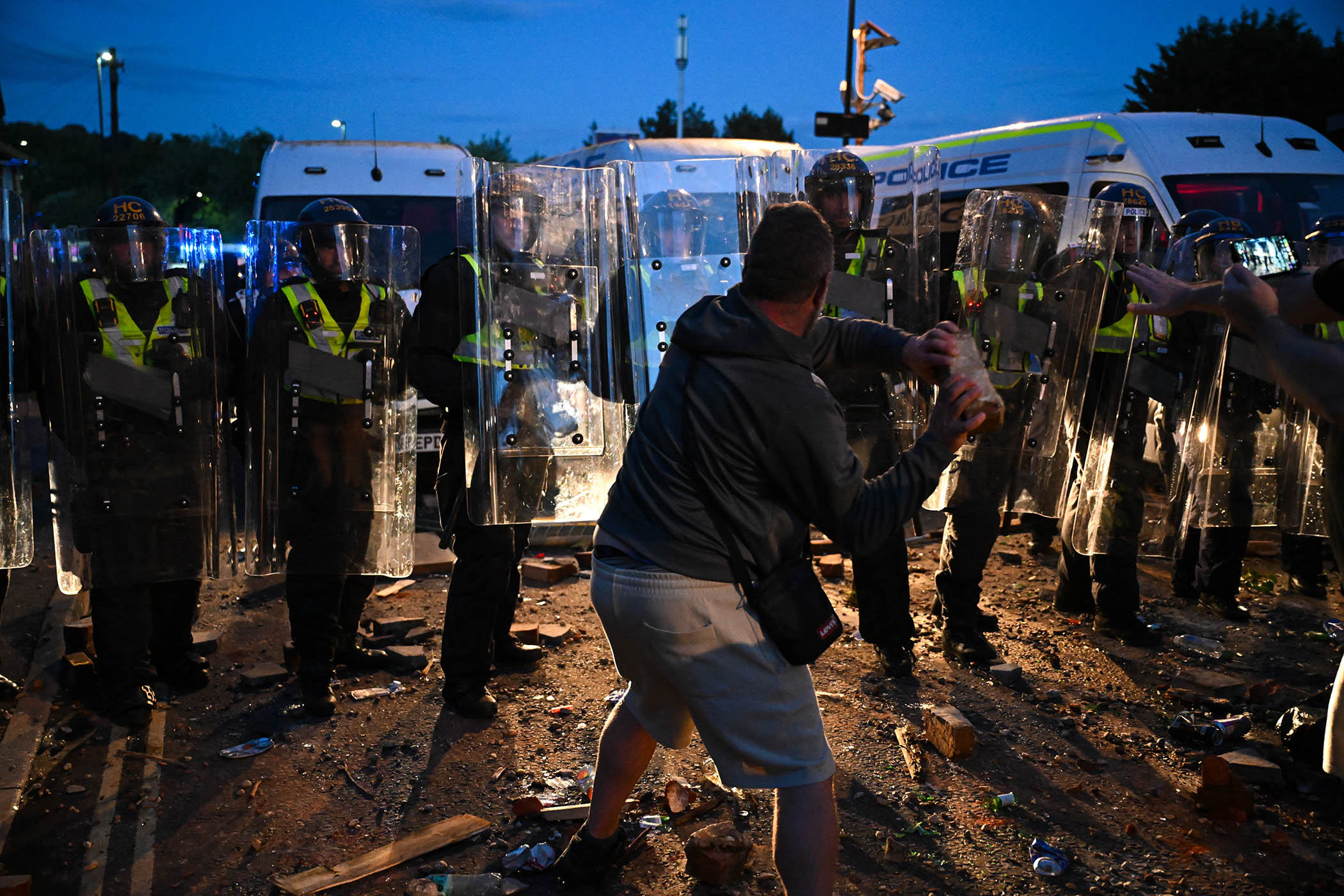
Nevertheless, much of the debate has itself been reactionary and sectarian, often serving as a vehicle for rage against Muslims. Denouncing political support for Palestine as sectarian – when few such critics would look upon Jewish attachment to Israel in the same way – or suggesting, as the Telegraph’s Allister Heath did, that the problem is “too much immigration, and of the wrong kind”, not only distorts the meaning of sectarianism but weakens the battle against it. Those who decry division are too often the ones promoting it.
Photograph by Thurston Hopkins/Getty Images