As I was the first person to have a baby, perhaps ever, aged 33 I entered motherhood in a state of blank, bewildered ignorance.
The Instagram algorithm was not yet developed to advertise me, for example, the special speaker designed to insert vaginally to play the foetus Mozart, or the radiation-proof blanket for use near power lines. Though the Daily Mail regularly marvelled at the bodies of celebrities who had “bounced back” after giving birth, (and gasped with disgust at those who hadn’t) there were no influencers reminding me whisperingly of the shame of weight gain and the importance of looking pretty for my husband. Tradwives were yet to truly penetrate the culture, insisting that it was possible, say, to have a baby at 9am, make sourdough at 1pm, and elect a president at 4pm. Nor had the wellness-to-conspiracy pipeline been professionally plumbed – I was not aware that I must avoid till receipts as the chemicals in the paper would sterilise me, and hardly anyone was warning me about the medicalisation of childbirth or its associated vaccines. My naivety was partly down to simpler times, and partly down to me being, perhaps, simple.
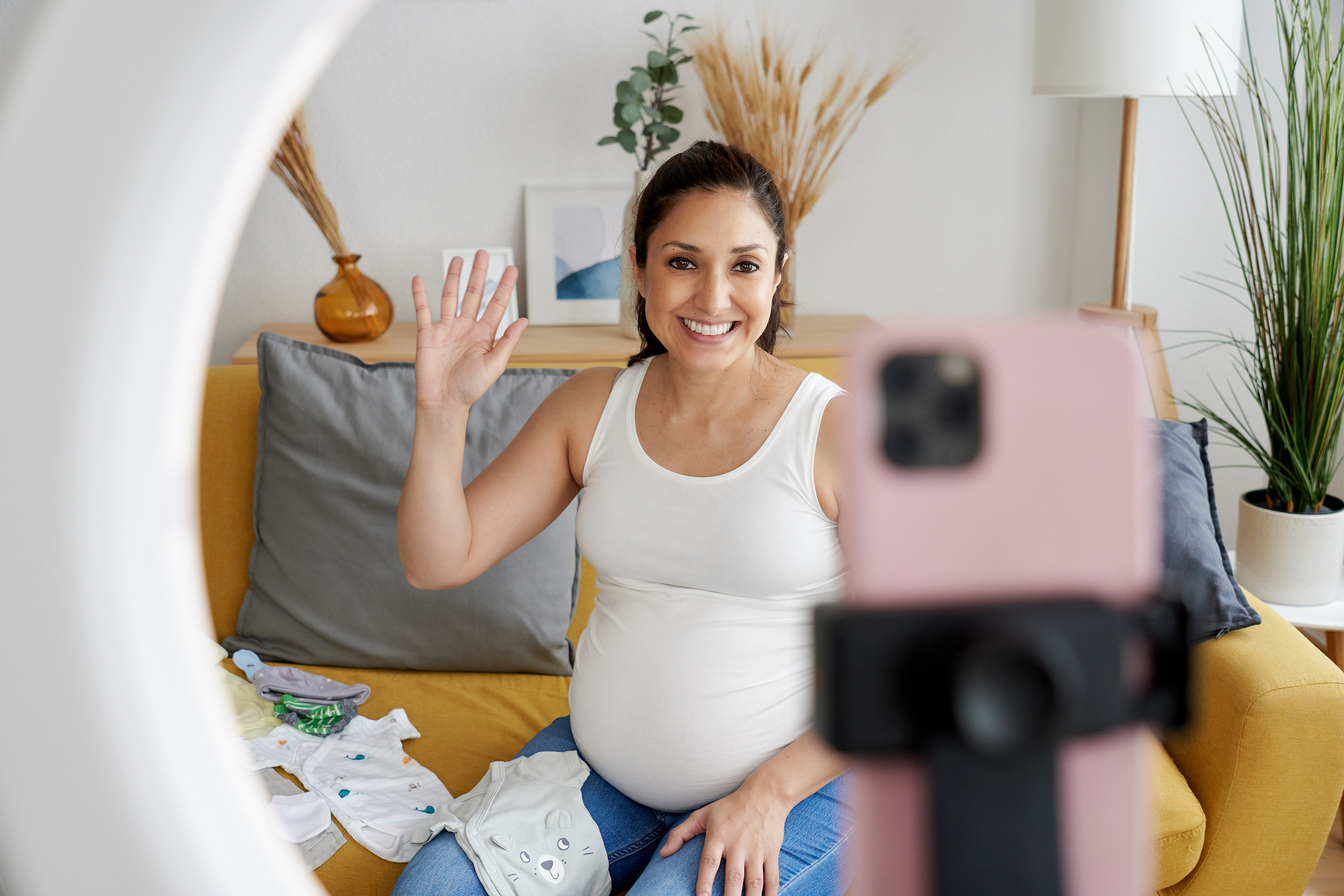
Still, little could have prepared me for the sheer mass, the unavoidable weight and pitch and energy of content that now envelops pregnant people, telling them what to eat, wear, fear, supplement, buy, read, and how and when, and on and on until it is almost as if they are being birthed themselves. The latest advice (the experts having exhausted pregnancy, birth and parenting) is related to the time before you conceive, a state previously thought of as being a “person”, but now described as “Trimester Zero”.
The idea is that women should be optimising their physical and mental health (or, chillingly, “prepare the vessel”) before planning a baby. One Instagram caption for a “gift guide for the woman desiring to conceive in 2026” explains “preconception” is a “season of depth: restoring blood, minerals, rhythm and internal safety” – it recommends purchasing organic skincare, a book called The Courage to be Disliked, and a course of fertility supplements (ad). There is much to buy elsewhere, too, including private scans and blood tests. Someone has made a pastel-toned chart urging women who want to conceive to ban LED lightbulbs and “secular music”. There is diet advice for women (sardines), their husbands (brazil nuts), and one woman insisting you can plan for a specific gender. Another post, advising those who are considering getting pregnant but anxious about giving birth, reassures them that “undisturbed” labour is “a naturally occurring psychedelic state”, the kind “people travel to the jungle to find”. And, “that’s why they drug it”.
It would make more sense perhaps if all this advice (like “don’t smoke” and “take folic acid”) was pitched at those struggling with their fertility
It would make more sense perhaps if all this advice (like “don’t smoke” and “take folic acid”) was pitched at those struggling with their fertility
It would make more sense perhaps if all this advice (particularly the stuff your GP will tell you, like “don’t smoke” and “take folic acid”) was pitched at those struggling with their fertility. I’m sure some trickles through, but the increase in those using IVF (with IVF births in the UK increasing from 8,700 in 2000 to over 20,000 three years later) is largely due to age, with more people trying for children later in life, and the Trimester Zero content is clearly aimed at young women. Women compelled by the algorithm to obediently, ritually optimise, to survey themselves intimately in order to control and refine their lives – their skin, bodies, relationships, careers and now, fertility.The Trimester Zero customer has come of age in a time that promises, if she strives relentlessly and drinks the right juices, that perfection is possible.
Perhaps I could have educated myself a little better before my abortions, births and miscarriages, but in the end, of course, those experiences were their own brutal education. It was the kind of education that ensures you leave with a certain level of empathy, and that you never attempt to impose your own experience on someone else, nor suggest there is a correct way to make a family. There’s plenty of decent stuff in the preconception market I’m sure, but what rings out most loudly for me is the way it profits from young women’s anxiety. Even if she eats the sardines, even if she bans blue light, she might still struggle to conceive, or have a baby born with congenital conditions. And not only will she be heartbroken but she might feel guilty too. Was the music she listened to not religious enough? Was her underwear ‘toxic’? Were her carbs too refined?
In an impromptu survey of parents asked what advice they would give to those planning to have kids, not one person I spoke to suggested they optimise their health by swapping out toxic dishwasher tablets, but one did say, with a misty sigh, “OK: read book in pub before dinner with gossipy friend, lock-in, get off with barman you fancy, walk home at dawn, it’s summer, the air smells of grass and sugar, next day, alone, order pizza, eat in bed watching Pretty Woman, sext barman, text group chat, apply hair mask, have Mini Magnum, fall asleep in bathrobe around 10.” Which, I think, is fairly conclusive?
Newsletters
Choose the newsletters you want to receive
View more
For information about how The Observer protects your data, read our Privacy Policy