Tackling a culture of fear in maternity care is essential for fixing the crisis described in the Ockenden report on the Nottingham scandal, leading researchers and charities say.
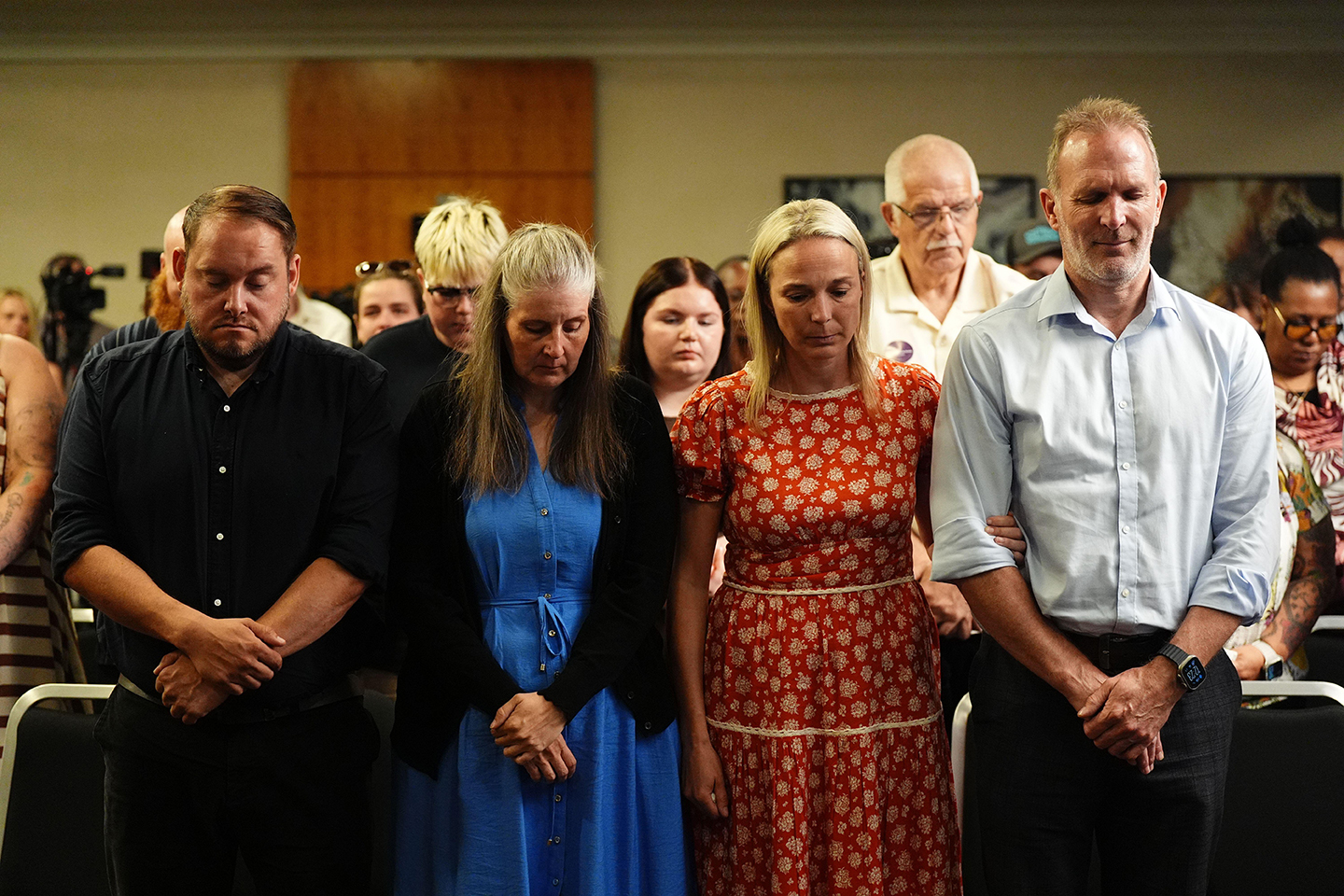
Donna Ockenden’s independent review of Nottingham University Hospitals (NUH) NHS Trust, which revealed that 520 women and babies were harmed or died by “cruel” and substandard care, is the eighth report on maternity care failings since 2015.
Ockenden is working on two further investigations, into Leeds and Sussex, and this week Valerie Amos will publish another report looking at England’s maternity and neonatal services after reviewing 12 NHS trusts.
“Women are frightened, healthcare professionals are frightened,” said Professor Marian Knight, director of the National Perinatal Epidemiology Unit (NPEU) at the University of Oxford. “There are many aspects of where we’ve got to that are sad. Women’s voices just haven’t been listened to for such a long time.
“But it’s easy to say ‘listen to women’ and less easy to put into practice when the workforce is incredibly stretched. We need to prioritise maternity services alongside all other types of care within a hospital.”
Staff not listening to women was a key theme in Ockenden’s report last week. In one case, a woman’s repeated calls to hospital, telling them she was in labour, were ignored for days. After six days, her baby was stillborn.
Sarah Hawkins, a senior physiotherapist and her husband Jack, a consultant doctor, both worked at the trust but even they were subjected to a “systematic cover-up” which was “designed to mislead”, Ockenden wrote.
She instructed NUH’s new chief executive to ask 66 current and former senior officials at NUH to give evidence, but 29 refused to take part, prompting the government to suggest it would extend the so-called Hillsborough Law bill to compel NHS staff to give evidence to independent reviews such as Ockenden’s.
This lack of candour affects all parts of the NHS, according to Thea Stein, chief executive of the Nuffield Trust. “Good clinicians, good managers do want to be open, honest, learning, admitting mistakes, exploring what’s gone wrong, because things will always go wrong,” she said. “But there needs to be a just and fair culture where you can do that without feeling your career is going to come to an end.”
Childbirth injury claims drove the total NHS bill for medical negligence claims to £60bn last year, four times as much as in 2006-07, the National Audit Office (NAO) reported last year.
Newsletters
Choose the newsletters you want to receive
View more
For information about how The Observer protects your data, read our Privacy Policy
That is likely to be one of the reasons why the number of babies delivered by caesarean section has risen dramatically in England.
Over the last five years, unplanned emergency operations rose from 18% in 2021-22 to 26% of all births – a change not seen in countries such as Spain, France and the United States, according to research by Knight’s NPEU unit.
But it does not seem to have made births safer. “We haven’t seen a commensurate decrease in baby deaths,” Knight said.
Clea Harmer, chief executive of Sands, the charity for baby loss, said she hoped that Amos would make recommendations in her report that “give everybody the green light for system change”.
“If you look at countries that take a different approach to blame, particularly Sweden and Japan, their mortality and morbidity rates are significantly lower than ours and give a better experience,” she said.
Both countries operate a type of no-fault compensation scheme where families whose babies have birth injuries are given compensation without needing to prove negligence in court. Sweden’s overall medical negligence bill is far lower than the UK’s, according to the NAO, even though it has nearly 10 times as many claims per head of population.
Those systems allow hospitals to tell parents what went wrong very quickly.
The Nottingham families had “the strength to keep pushing through”, Harmer said. “But for many parents in their grief, actually that’s too much. Then you have to live with not ever really knowing what happened, and for many families an enormous amount of guilt because they’re left feeling it was their fault in some way that they don’t quite understand.”
Photograph by PA Images/Alamy