Nemesio Rubén Oseguera Cervantes, alias “El Mencho”, spent almost two decades at the top of the Jalisco New Generation Cartel (CJNG), Mexico’s most powerful criminal organisation, a business empire with its own paramilitary force.
Then last Sunday the Mexican army tracked him to a mountain cabin in Jalisco and, after a firefight, captured him. Fatally wounded, El Mencho died while being airlifted to hospital, leaving a power vacuum – and a nation braced for a period of uncertainty and, perhaps, terrible violence.
“What comes now is a complicated process to maintain unity within the cartel,” said Guillermo Valdés, who led Mexico’s intelligence service from 2007 to 2011. “This will depend on the structure of the second level and whether they can agree on who will lead, and how to split the territory and businesses.
“If they fail to come to an agreement, there will be a war between factions.”
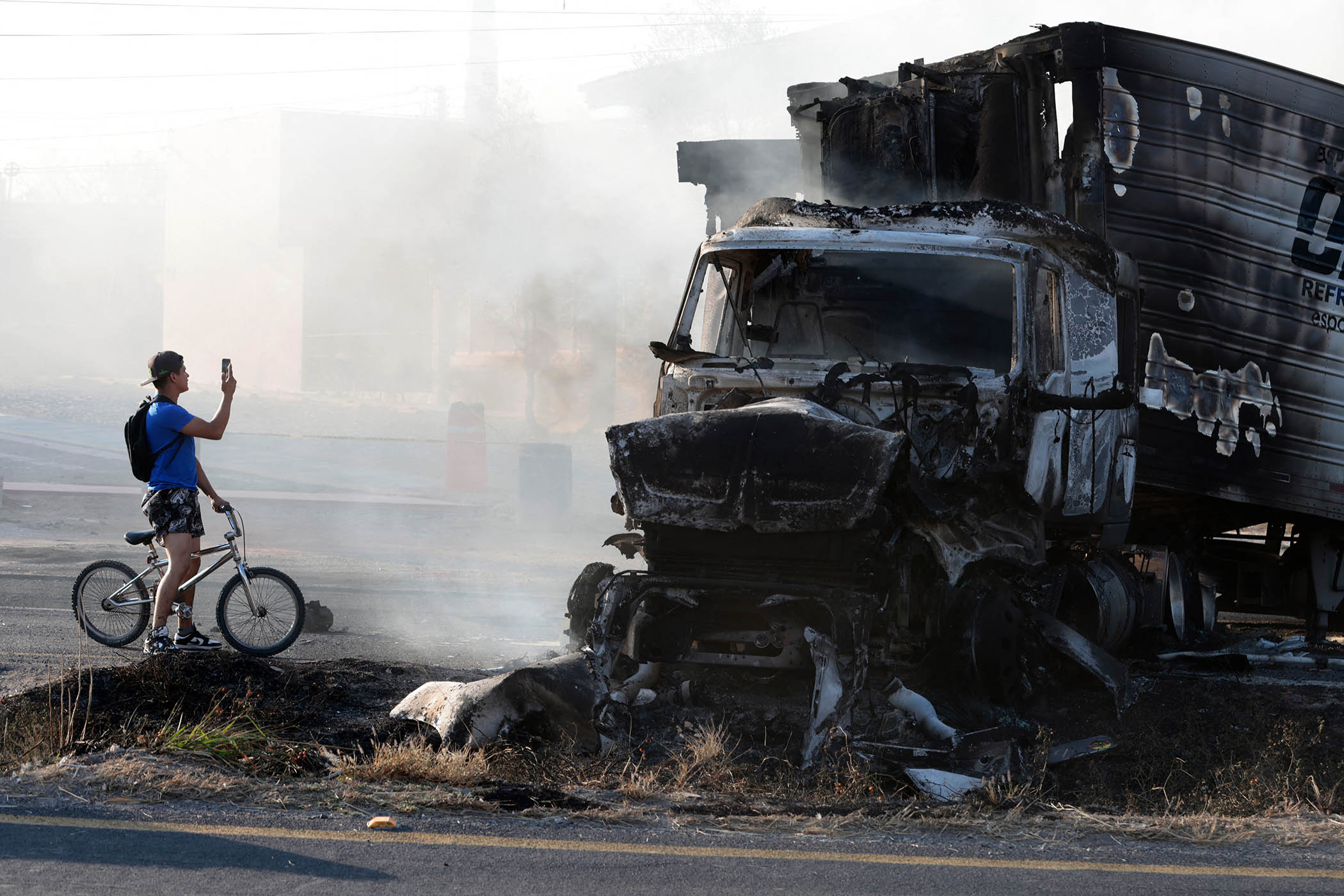
A first burst of violence came last Sunday, when more than 60 people died as cartel gunmen reacted to El Mencho’s death by attacking security forces in the states of Jalisco and Michoacán. But this pales next to what could come next. In the past, taking out leaders has triggered bouts of fighting both in and between criminal gangs that have lasted for years.
‘There was a whole culture of admiration around him. His identity helped hold the group together’
‘There was a whole culture of admiration around him. His identity helped hold the group together’
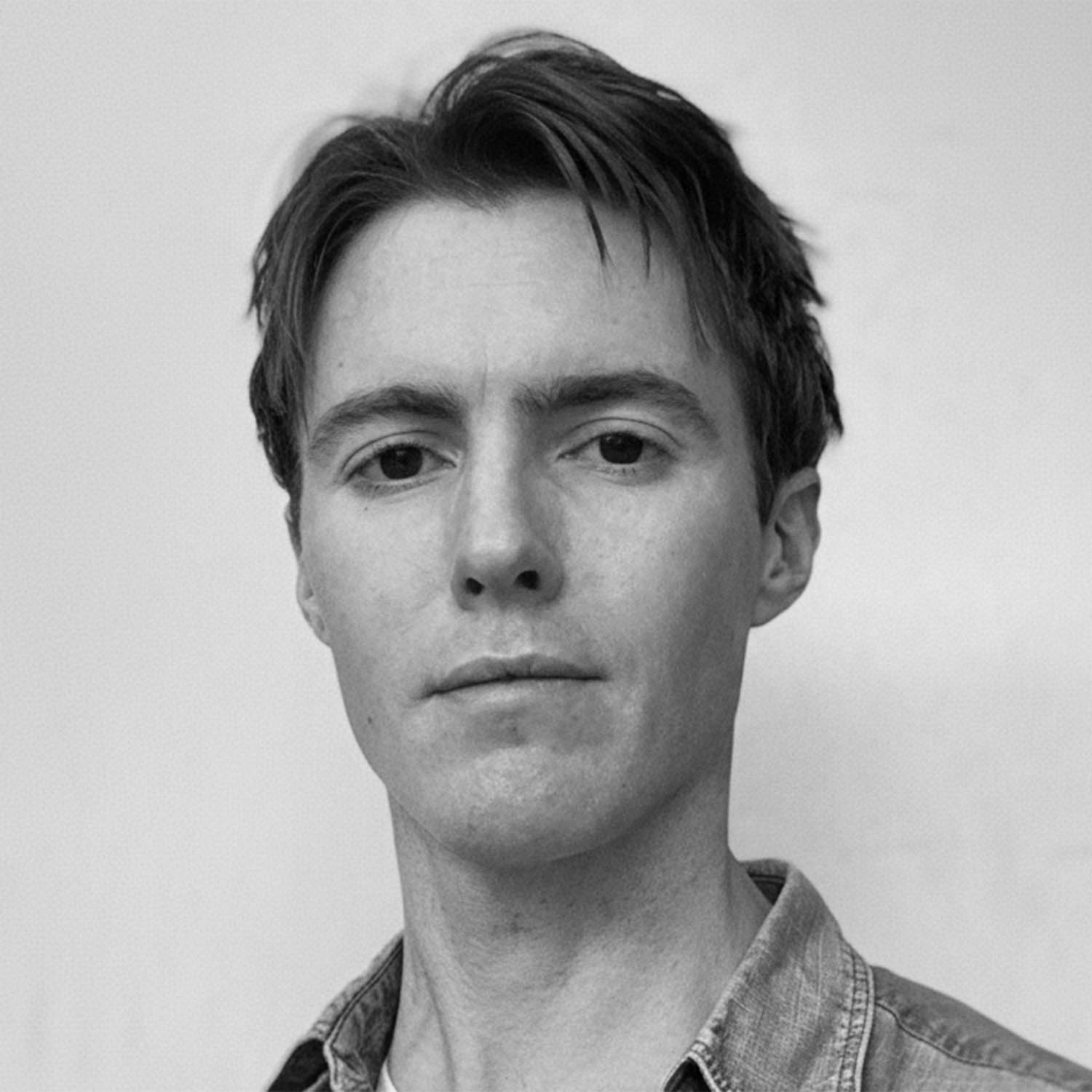
Victoria Dittmar, researcher
This comes as Mexico prepares to welcome fans from across the globe in four months’ time for the World Cup, with Guadalajara, the capital of Jalisco, hosting four games. Mexico’s president, Claudia Sheinbaum, has insisted that there will be no risk for visitors. But much of what happens now depends on the organisational structure of the CJNG, and the decisions taken within it.
El Mencho, a 59-year-old former police officer, founded the cartel in around 2009, building a core leadership of lieutenants concentrated in and around Jalisco, a state in western Mexico roughly the size of Ireland. But the CJNG grew explosively across the nation thanks to a franchise model, in which it struck alliances with local groups that kissed the ring. By one count, 92 groups operate under the CJNG umbrella.
“It’s possible El Mencho didn’t have a very operative role, but he was very symbolic,” said Victoria Dittmar, an investigator at InSight Crime, a thinktank focused on security in Latin America. “There was a whole culture of admiration around him. His figure was an identity that helped hold the group together.”
That means the removal of El Mencho alone may not greatly affect the CJNG’s routine operations, including the trafficking of cocaine, methamphetamine and fentanyl to the US. But it will affect top-level decision-making – at least until the succession takes place.
Right now the focus is on the lieutenants who sat below El Mencho. Among them is his stepson Juan Carlos Valencia González, alias “El 03”, who is a US citizen. Another is El Mencho’s son-in-law Julio Alberto Castillo Rodríguez, “El Chorro” (“the stream”), who the US treasury department described last year as “potential successor”.
Newsletters
Choose the newsletters you want to receive
View more
For information about how The Observer protects your data, read our Privacy Policy
That would keep it in the family, as Mexican cartels often do. But there are others in the mix, such as Audias Flores Silva, “El Jardinero” (“the gardener”), who controls territory in western Mexico; Gonzalo Mendoza Gaytán, “El Sapo” (“the toad”), who is allegedly involved in forced recruitment and training camps for cartel gunmen; and Ricardo Ruiz Velasco, “Doble R” (“double R”), who controls the underworld in Guadalajara, a cartel stronghold.
How they now act is all the more difficult to predict because the CJNG has not been through this before. “This is an organisation that has never lived without [El Mencho] at the top,” said Víctor Manuel Sánchez Valdés, a security expert at the Autonomous University of Coahuila. “It’s a challenge for them to be without the person who could calm tensions and settle disagreements.”
It’s possible that there was a succession plan in place for El Mencho’s arrest or death. “But even if El Mencho had appointed a successor, the others may still now disobey,” said Valdés. “What is at stake is the control of a business – a very profitable one.”
The signal to read will be violence. It could flare up in the cartel’s power base – states such as Jalisco, Michoacán and Nayarit – if there is conflict between factions led by its lieutenants. But it could also ignite in the periphery. CJNG has many open fronts where it has been challenging local groups; they may strike back if they perceive weakness.
That Mexico has been relatively calm since the burst of violence last weekend is to be expected. “The disappearance of El Mencho was sudden and surprising; [the lieutenants] will take time to come to an agreement,” said Valdés. “There are always weeks, or two or three months, in which there are efforts to avoid conflict.”
This was the case in the Sinaloa Cartel, Mexico’s other leading criminal organisation, whose co-founder, Ismael “El Mayo” Zambada, was allegedly betrayed, kidnapped and flown to the US in July 2024. It took two months for war to break out – and it is still raging, with almost 5,000 people dead or disappeared since it began.
That kind of violence is what Mexicans fear – and it is why analysts are often critical of the so-called “kingpin strategy”, which has in the past centred on simply decapitating cartels without dismantling them or going after the networks of money and corruption that grease the machine.
Sheinbaum has agreed with that critique in the past, leading many to believe that the decision to take El Mencho out was at least partly a response to pressure from the Trump administration, which has been threatening unilateral action against cartels on Mexican soil.
It remains to be seen if Sheinbaum’s government can head off the possibility of conflict in the CJNG. But if it is to be war, then the Mexican state is ill-equipped to contain the violence, said Valdés.
“Since the war started in Sinaloa, the army has sent roughly 10,000 soldiers and members of the national guard, and has not been able to control the situation,” he said. “Can you imagine if, of the states where the CJNG operates, four or five see war?”
Photograph by Ulises Ruiz / AFP via Getty Images