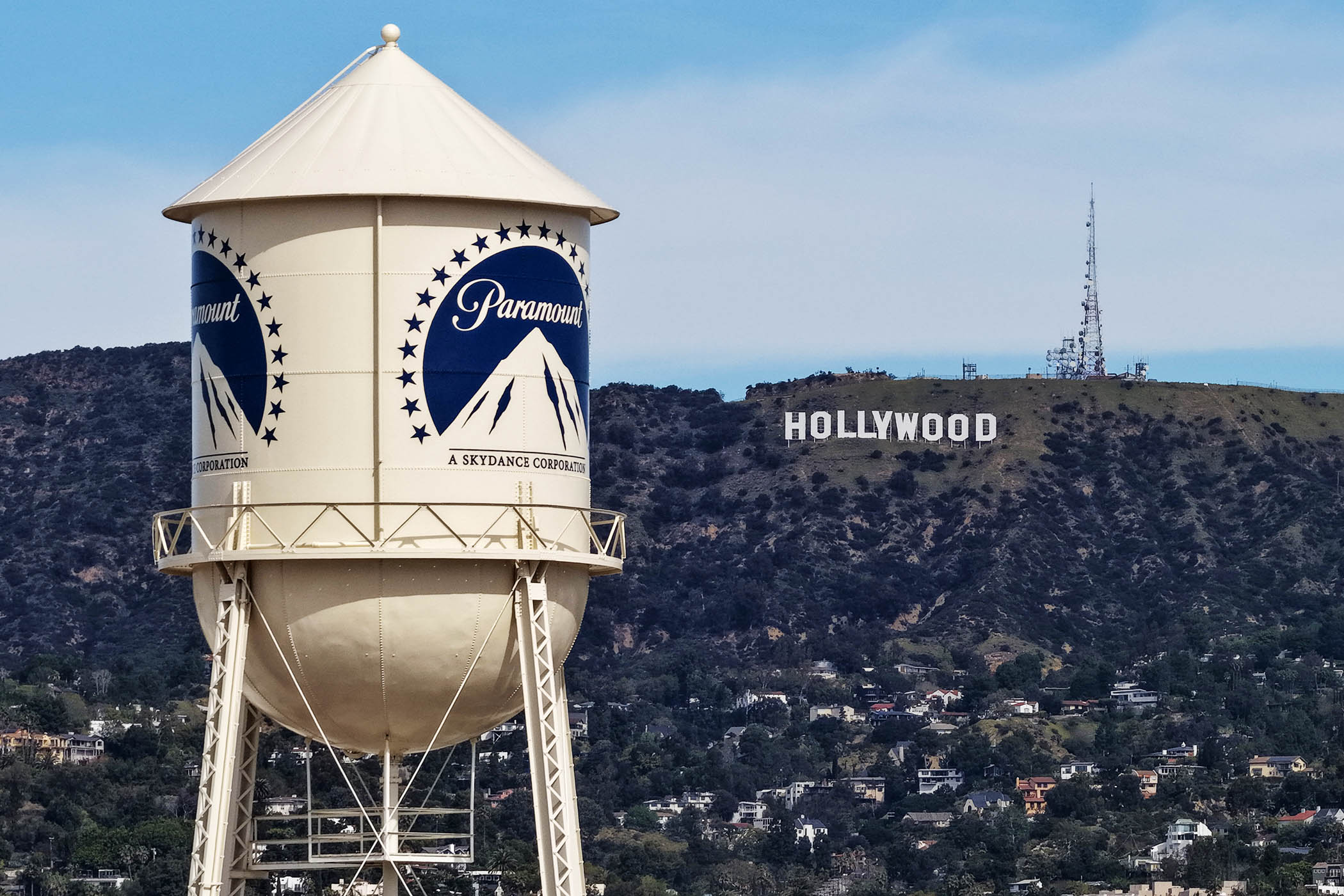
The jury is still out as to whether it’s a marriage of love or convenience, as Netflix, the world’s biggest streaming service, plans to buy Warner Bros, one of Hollywood’s largest studios, along with its rival streamer HBO in a $82.7bn deal.
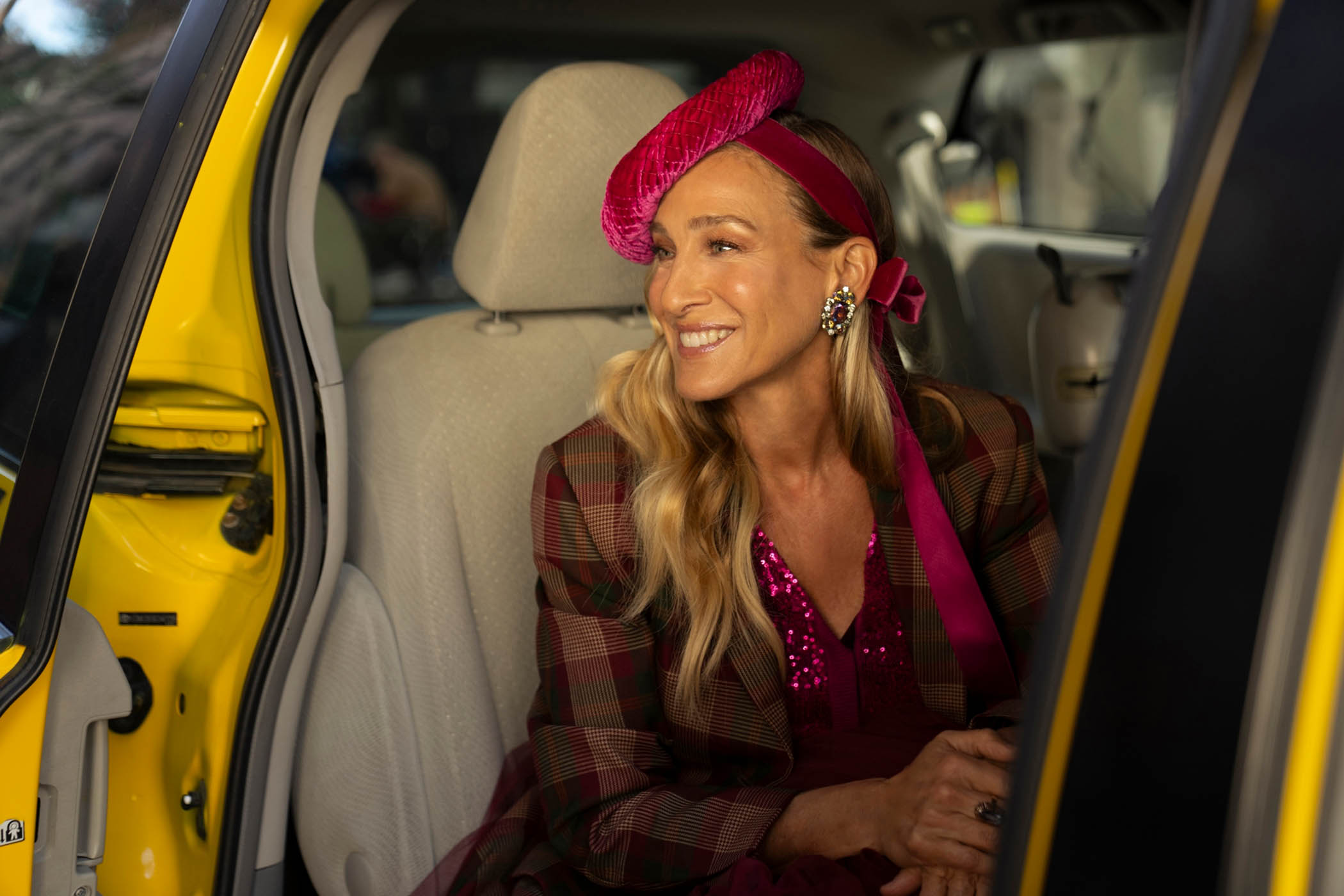
Ted Sarandos, chief execuive of Netflix, hopes to expand beyond the wildest dreams of the one-time DVD lending service, launched in 1997. The purchase, which would include TNT Sports outside American territories, would see Netflix vacuum up HBO's 128 million subscribers – fans of Succession, Sex and the City and Game of Thrones – to join its existing 300 million-plus viewing base. Established Warner Bros franchises such as Looney Tunes, Harry Potter and Friends would join Netflix hits such as Stranger Things and KPop Demon Hunters.
These aren’t natural bedfellows. Netflix has built its empire on exclusivity, demanding rights from others and putting everything it makes on its platform. Warner Bros Television has been more promiscuous, supplying others as an independent studio. Netflix likes the idea of marrying into a large TV studio, but worries about feeding competitors such as Apple TV. “Bundling” HBO into Netflix may take time and it is not clear whether customers will pay more in the long run.
The danger is that cinema release “windows” will further shorten or disappear. When it went into filmmaking, Netflix had to pledge a commitment to the big screen to appease the film industry and its annual showcase festivals, such as Cannes. But the money and the audience are now perceived to be in shows with many episodes, not single feature films.
Sarandos said this year that cinemas were an “outdated concept”. Announcing the Warner Bros deal last week, he recommitted to his policy of brief theatrical windows, saying, “My pushback has been mostly in the fact of long, exclusive windows, which we don’t really think are that consumer friendly.”
The deal has enemies on both sides of the Atlantic. Titanic director James Cameron has identified it as a looming “disaster” while Michael O’Leary, president of the vast trade organisation Cinema United, said: “The negative impact will impact theatres from the biggest circuits to one-screen independents around the world.” British filmmakers fear it poses as much of a threat to authentic storytelling as AI, as Peter Kosminsky, the director of Wolf Hall, has said.
Warner Bros must now prepare to get rid of all it can’t sell to Netflix, including Discovery, Eurosport and CNN. Conversely, if the deal goes ahead, Netflix will find itself negotiating the difficult old-school broadcast business, as it picks up a Warner Bros TV slate that includes dramas and daytime content supplied to NBC, CBS and ABC. HBO Max's library should also be available.
Petra Fried, producer of the Netflix show Baby Reindeer, is optimistic the streamer understands how well a specific story can sell globally. “They understand that setting a drama in a particular geographic location will make it seem real, and then it actually travels well,” said Fried, joint managing director of Clerkenwell Films. “Baby Reindeer could not have been set anywhere else and it was No 1 in over 80 countries.”
For now, it is thought that HBO will remain creatively independent from Netflix, but the entertainment giants could scoop the big prizes with their combined outputs. Along with Emmy awards, Netflix may also finally get its hands on a best picture Oscar.
Photograph courtesy of Warner Bros
Newsletters
Choose the newsletters you want to receive
View more
For information about how The Observer protects your data, read our Privacy Policy