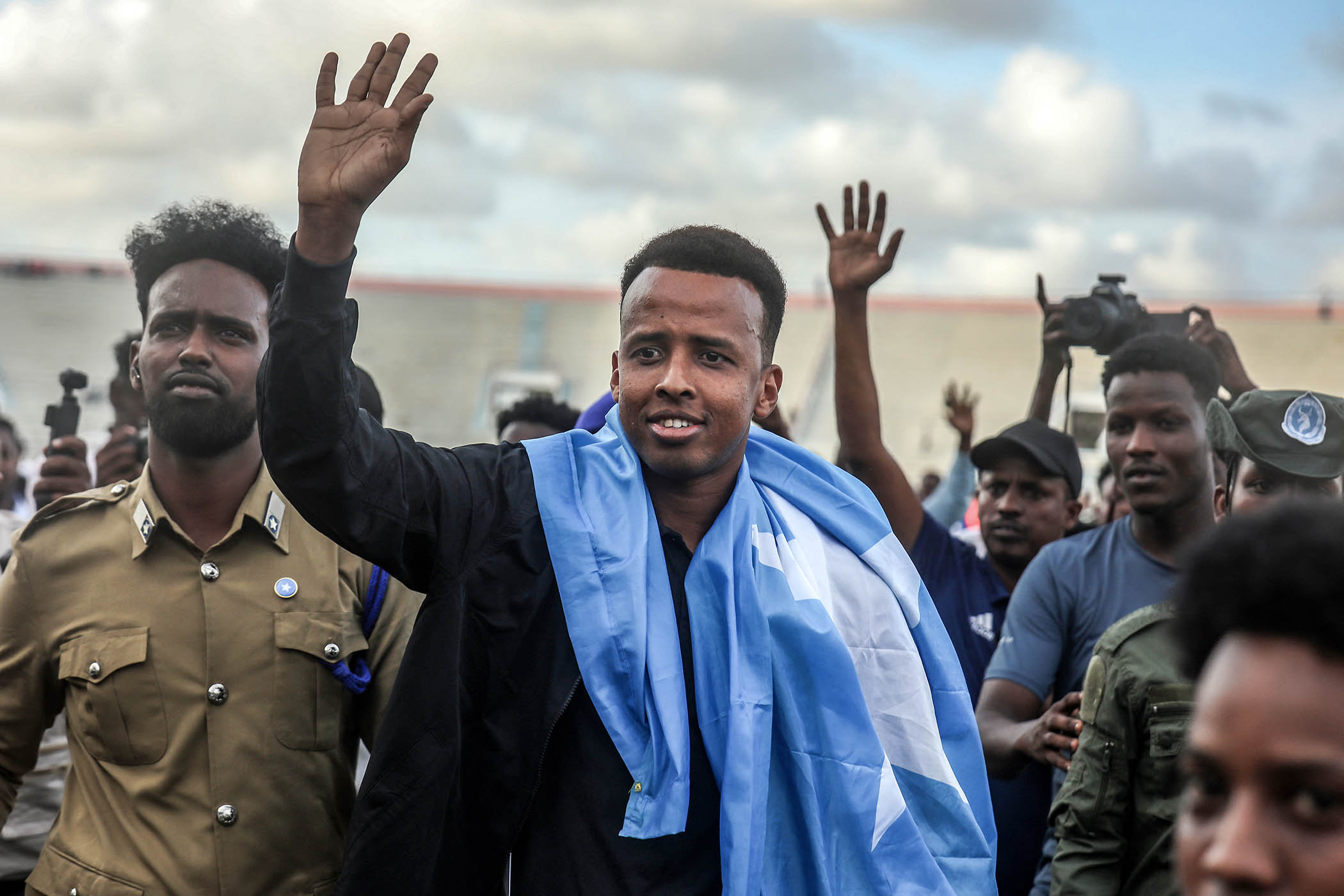
In the early hours of Sunday morning, Alex Honnold inched his way on to the 4ft platform at the top of Taipei 101, the 508-metre skyscraper in Taiwan’s capital. As a film crew circled him in a helicopter, he waved to the crowds that had convened at the bottom and said: “Sick.”
Honnold had just completed the tallest urban free solo – climbing without ropes or a harness – in history. It had taken him 91 minutes, from start to finish, scaling the skyscraper with his bare hands while its inhabitants stared at him through the glass and millions more around the world stared at a livestream on Netflix.
After a frenzied media buildup on Friday the event had a stuttering start, with two weather delays leaving viewers waiting for 24 hours.
The experience had more in common with Red Bull-style extreme events than traditional sports broadcasting: an excitable team of on-air talent chattering over a soundtrack of near-constant gasps from the crowd below.
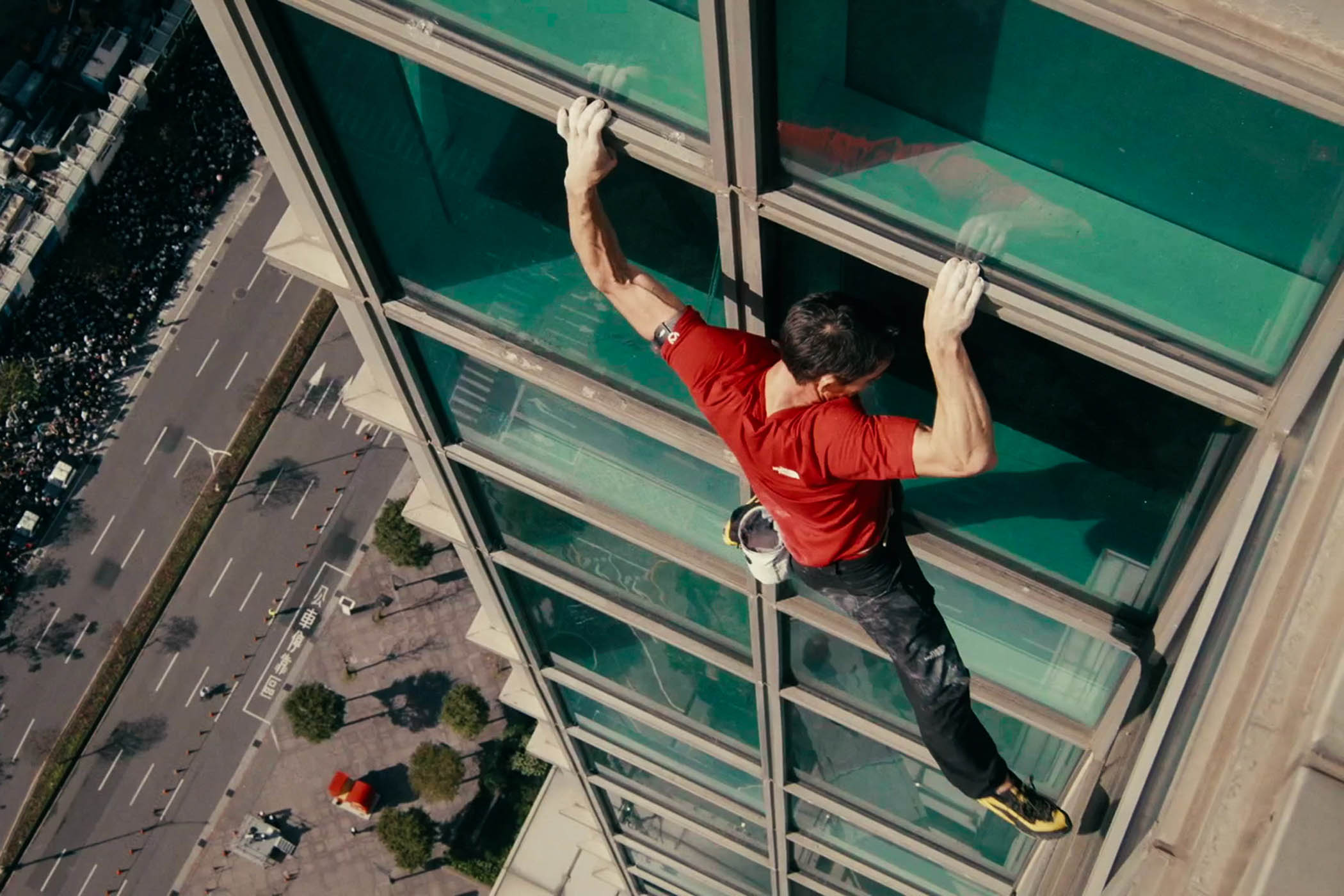
It was terrifying to watch, at no point more so than when Honnold wedged his legs in between two beams in an overhanging section of the building and let go with both hands, leaning back into the abyss to shake the lactic acid out of his arms.
He wedged his legs in between two beams and let go with both hands, leaning back into the abyss to shake the lactic acid out of his arms
He wedged his legs in between two beams and let go with both hands, leaning back into the abyss to shake the lactic acid out of his arms
Honnold is the closest thing climbing has to a superstar. The 40-year-old rose to fame as the hero of Free Solo, the 2018 documentary chronicling his lifelong goal to climb Yosemite’s El Capitan – the iconic 914-metre granite monolith in California – without a rope or any other safety equipment. It won an Oscar in 2019 and put climbing on the map.
In the years since its release the number of people visiting climbing walls across the globe has rocketed.
Some in the world of climbing were put out by the announcement of the stunt, and what looked like naked commercialism from both Netflix and Honnold. Many were uncomfortable with the idea of such a dangerous event being streamed live. Others questioned Honnold’s motives. Was it money? Or fame? Or just the logical next step in a career of extremes?
Ahead of the event, Honnold said it was a “lifelong goal” to climb a skyscraper. There were plans for him to climb Taipei 101 as part of a National Geographic show in 2013, but the project was delayed and eventually shelved.
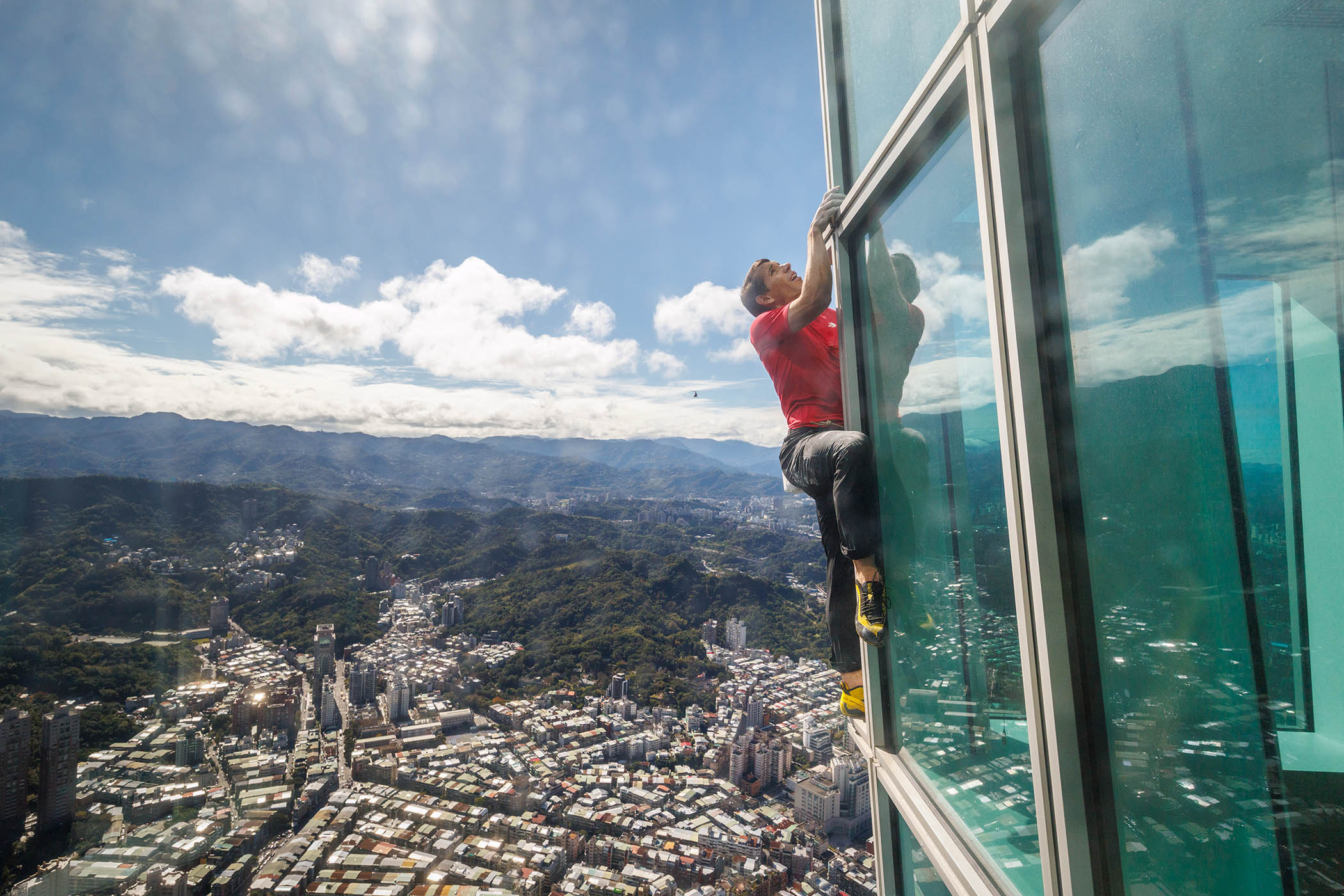
Alex Honnold mid-climb of the 508-metre building
Speaking on his podcast, Climbing Gold, Honnold said: “I’ve basically loved climbing on anything that I’m allowed to climb on for my whole life. It’s just so hard to get permission to climb on a building. And in this case, we got permission. So we’re climbing a freaking giant building.”
Newsletters
Choose the newsletters you want to receive
View more
For information about how The Observer protects your data, read our Privacy Policy
Reaching the summit of Taipei 101 isn’t the style of climbing Honnold is known for. A skyscraper is not rugged El Capitan. But he insisted that climbing buildings was not alien to him. As he explained, one of his earliest climbing experiences was scaling a school auditorium, “two or three” storeys high, when he was perhaps eight years old.
He also outlined his philosophy towards big commercial projects. You should, he said, “live your life in accordance to James Bond principles, where any time you could find yourself in a James Bond movie, you should say yes.”
He has little time for those who have criticised what they consider to be a reckless disregard for his own safety, and the interests of his wife and children.
“I think about it all the time,” he said. “I have literally spent my whole life talking about these types of issues. This is literally my profession.”.
His excitement about the Taipei 101 project has been both visible and infectious. But it also required a whole film crew not just to watch, but partake.
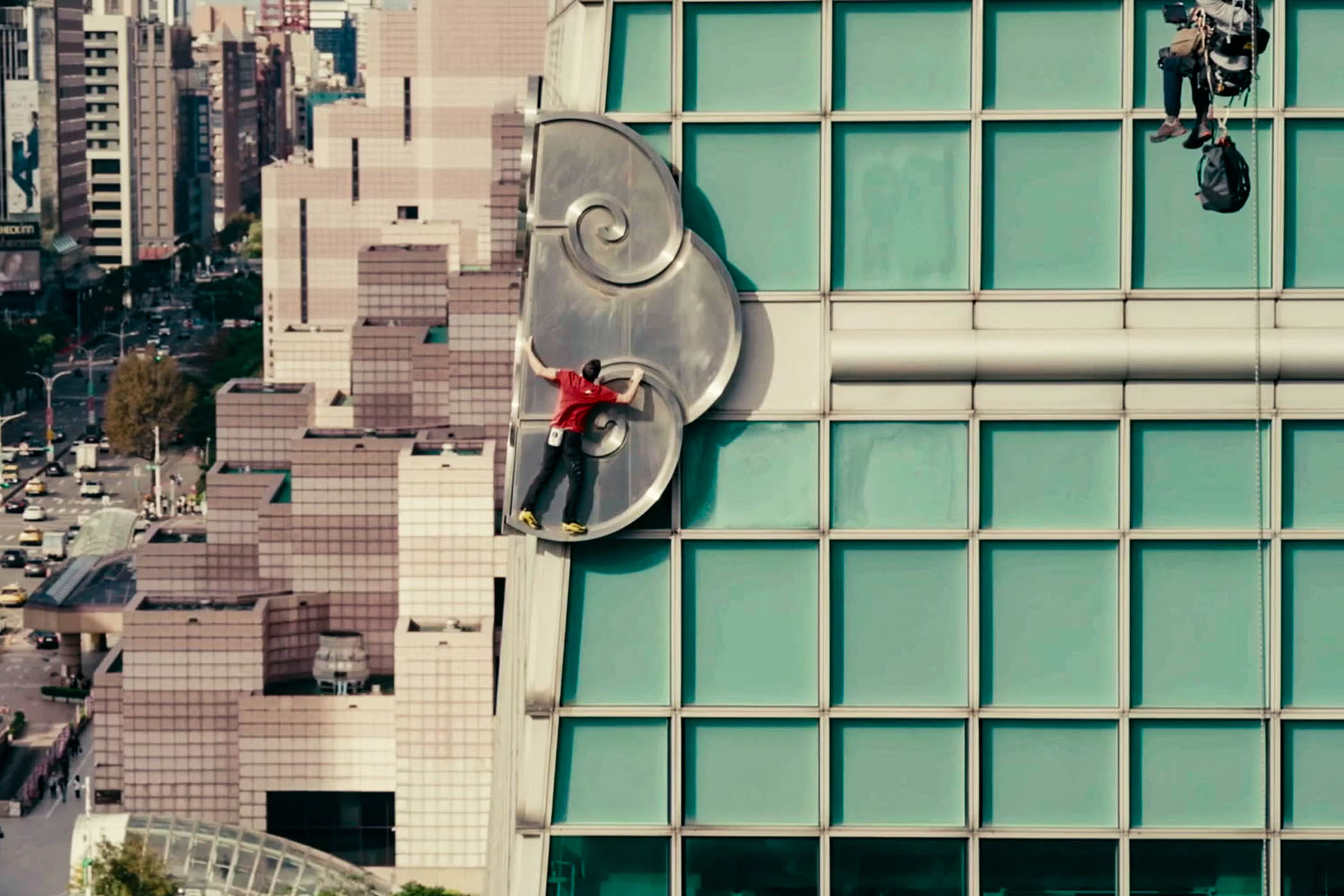
Alex Honnold and a member of the crew filming his climb for Netflix
Honnold said the crew consisted of a group of his friends (all professional climbers and cinematographers) who would be “hanging out, having a good time”.
But filming athletes doing dangerous stunts, even those who are expert in their field, meant the crew was at risk of watching their friend have a catastrophic accident. Its members included Brett Lowell, a seasoned climber and film-maker who worked as cinematographer on The Alpinist, a 2021 feature documentary about Marc-André LeClerc, the Canadian alpine soloist. LeClerc died during the making of the film – though he wasn’t being filmed at the time of his death.
Another cinematographer involved in filming the Taipei 101 climb was Mikey Schaefer, who was also part of the film crew for Free Solo. He features as a background character in the documentary, most memorably during the climb itself, when he turns away from his camera as his friend scales the wall, looking visibly distressed, and says: “I don’t know how you can watch this. I’m done. This is it. We don’t need to do this again.”
There are questions too about Netflix’s decision to host the event.
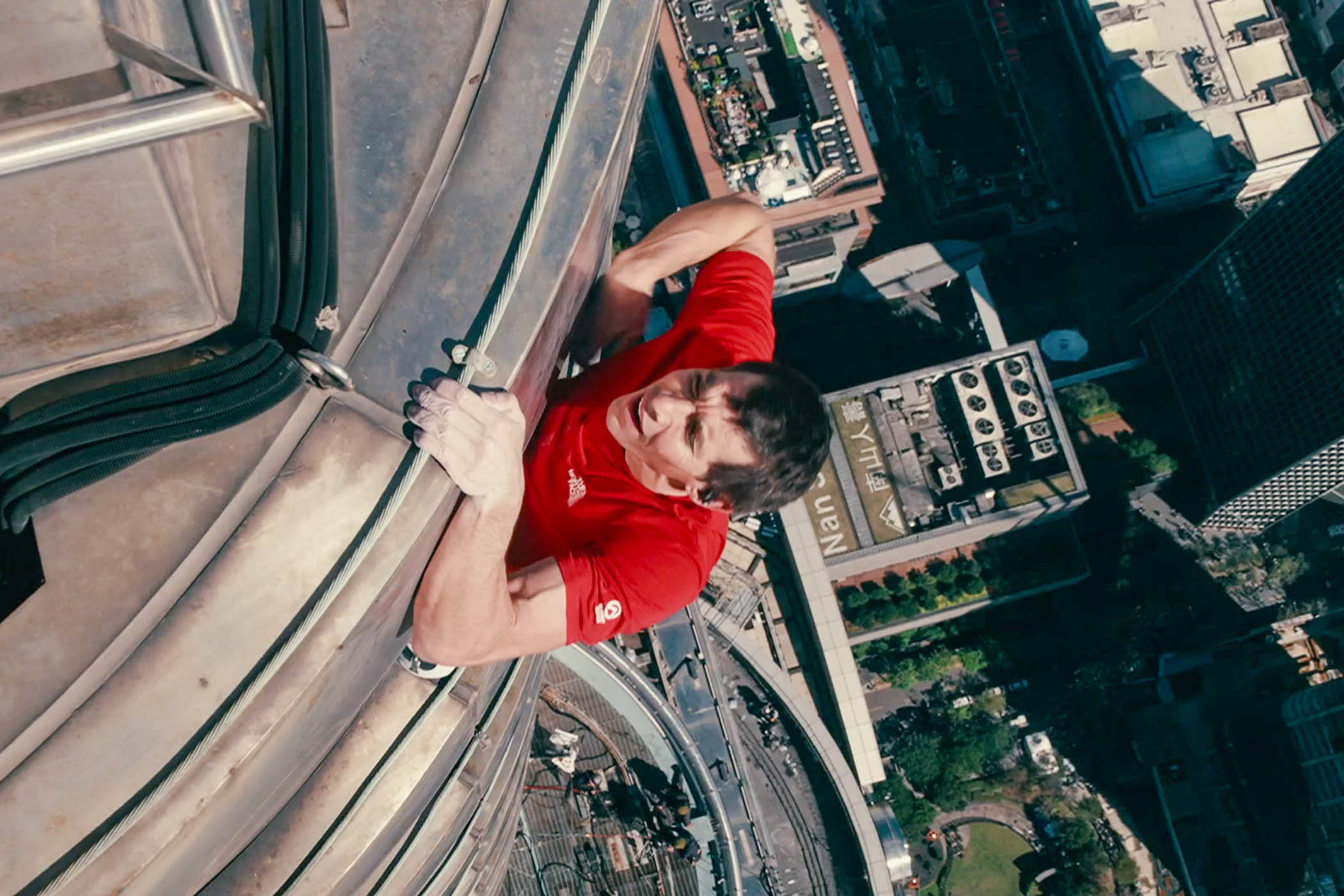
Honnold nears the top of the 101-storey building
Grant Mansfield, chief executive of Bristol-based Plimsoll Productions, the production company behind the livestream, told Variety that a range of safety procedures was in place, including a “two-tick” system requiring both Honnold and the production company to be happy for the event to go ahead. He said the company had worked with a risk management firm to mitigate any risks.
In 2007 Netflix led the charge from live linear television to on-demand when it launched its first ever streaming service. Nearly 30 years on, viewer habits are changing again, and all the major streamers are now making moves into live sports.
”Even though their platform has been incredibly successful, it doesn’t have that immediacy and urgency around the content which traditionally TV has thrived on,” says Tom Harrington, head of television at Enders Analysis.
Compared with other streamers, Netflix has been late to live sports, and rather than buying the rights to leagues has focused on what co-chief executive Ted Sarandos calls “ownable big breakthrough events”. Its broadcast of Jake Paul and Anthony Joshua’s six-round boxing match attracted 33 million viewers – about twice as many as watched the UK’s biggest broadcast TV moment of 2025, England’s Lionesses winning their second European trophy.
Livestreaming a life-or-death feat has proved to be good for numbers. When the Austrian base-jumper Felix Baumgartner leapt from the edge of space in 2012, 8 million people watched the live YouTube stream. The following year, tightrope walker Nik Wallenda’s highwire crossing of the Little Colorado river was broadcast on the Discovery Channel to an audience of 13 million.
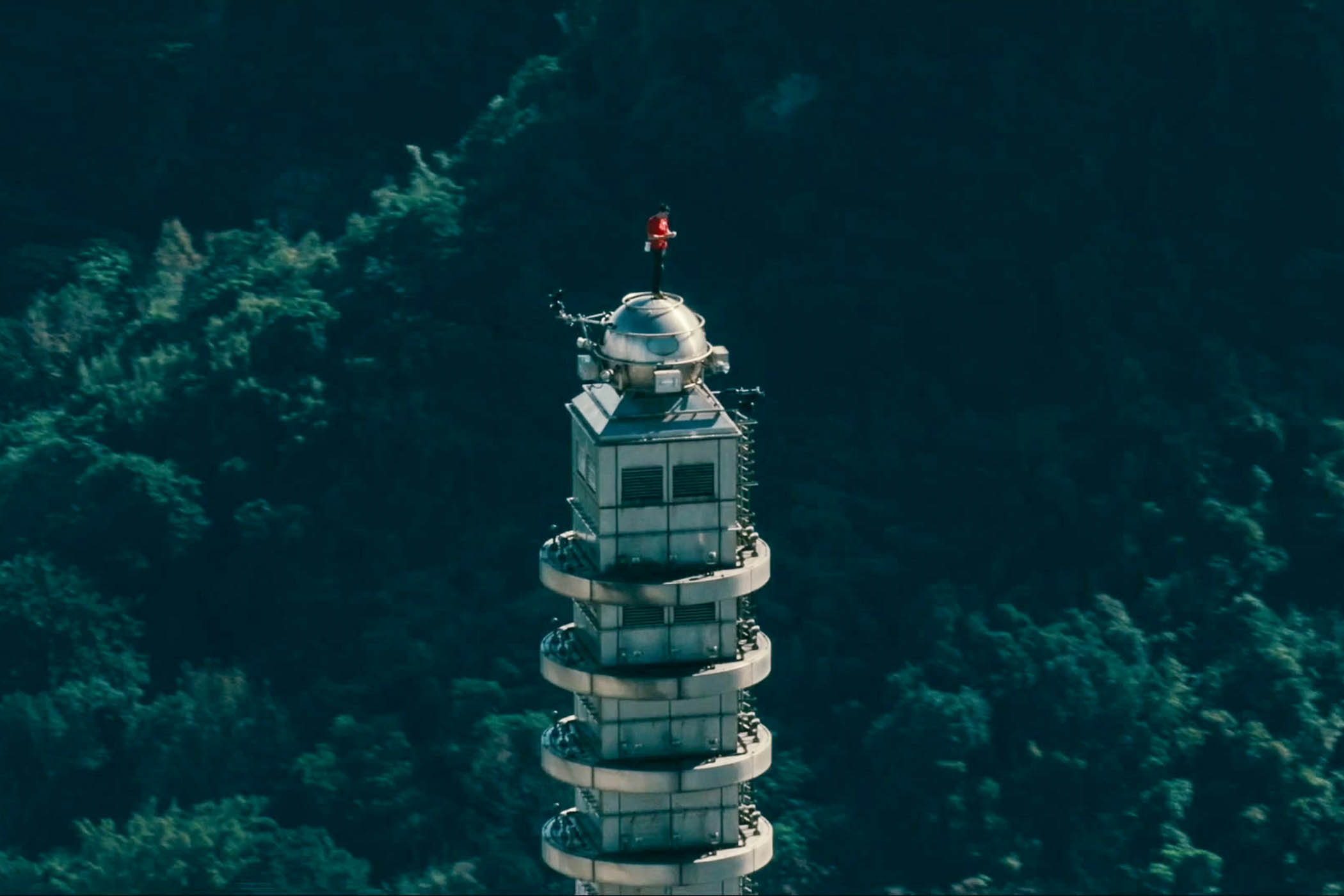
Honnold at the end of his 91-minute climb
But Harrington says that for Netflix, it’s not clear that Skyscraper Live will drive an increase in subscriptions. He says the streamer is just trying to stop subscribers leaving.
“For a subscription service, it’s always a battle to retain the people you have. If there’s awareness of this sort of event, and they have more events like this,” he said, “theoretically that makes them a little bit more future-proof when it comes to churn.”
It’s not clear whether there will be future appetite for more stomach-churning live events, either from the viewers, or Honnold himself.
When it was built, just over 20 years ago, Taipei 101 was the tallest building in the world. That title now belongs to Dubai’s Burj Khalifa, at nearly 830m high, which was initially scouted as a possible location for Honnold to free solo, back in 2013.
“The Burj was just too hardcore for me,” Honnold told Outside Magazine at the time. “It’s the El Capitan of buildings.”
Just a few years after making those remarks, Honnold went on to free solo El Capitan.
Photographs by Netflix