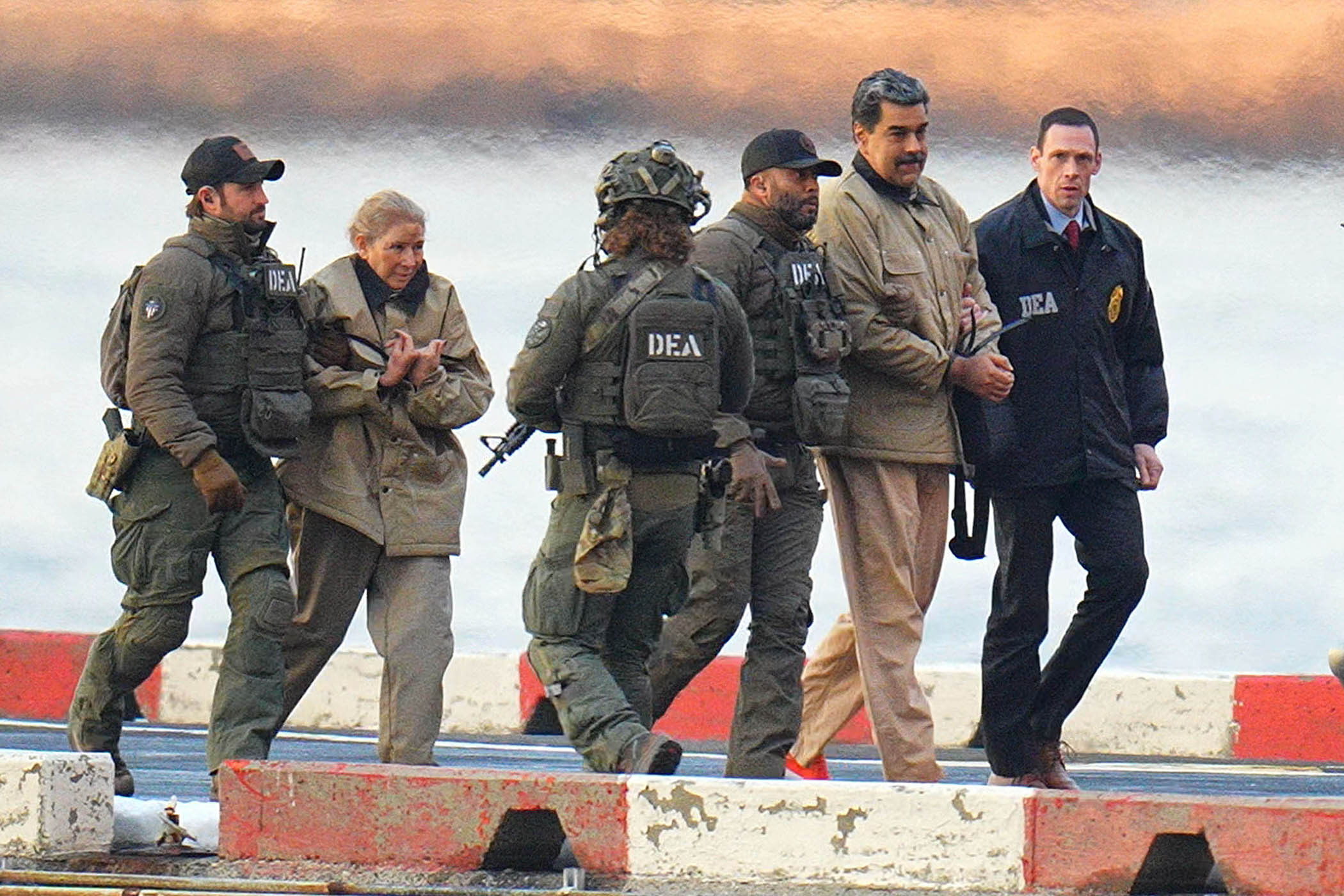
The US capture of Venezuela’s president Nicolás Maduro and his wife was a “law enforcement operation”, according to secretary of state Marco Rubio. On Monday Maduro and Cilia Flores were standing in the dock in a Manhattan courthouse, facing charges that could lead to them spending the rest of their lives in an American prison.
But getting the pair in front of a judge may end up being the easy part. Legal experts who have examined the case told The Observer it is far from watertight, while numerous other obstacles could prevent the trial going ahead.
The capture itself was illegal, said Maggie Gardner, professor of law at Cornell University in New York. US law enforcement cannot operate in another country without that country’s consent, she said. “But now that he is in the United States, the US court has the power to hear the case against him because he is physically present in the United States, and there’s some precedent for this.”
The last time the US performed this type of action was in 1992, when forces captured a Mexican citizen and brought him to the US for prosecution, said Jorge Contesse, professor of law at Rutgers University in New Jersey.
The bigger initial question for the court to decide is whether Maduro – who is not recognised as Venezuela’s legitimate president by either the US or the European Union – is legally the head of state. “If so, does he have immunity as head of state?” said Contesse.
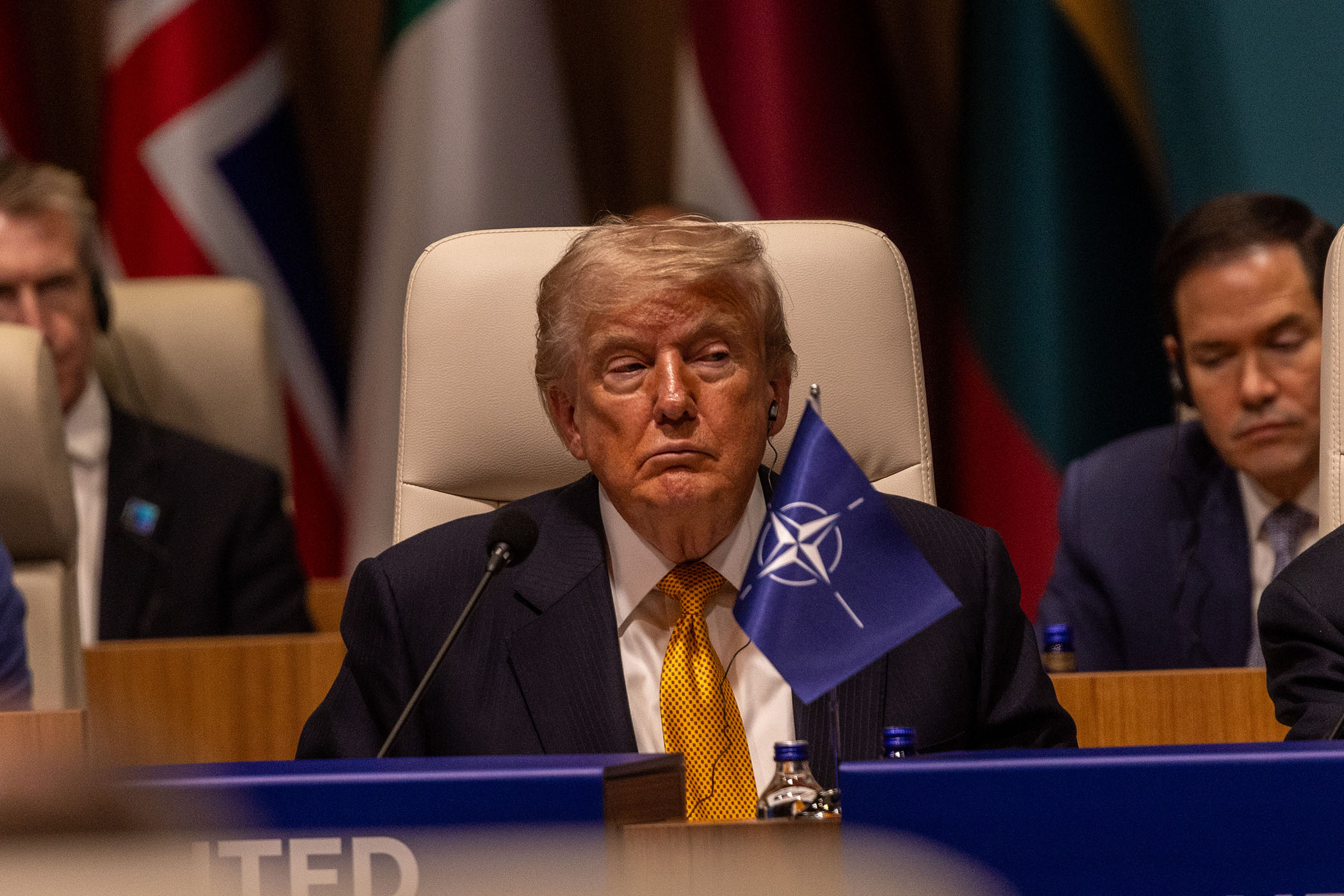
The US instead recognises the opposition leader Edmundo González and argues that he won the July 2024 election claimed by Maduro. However, the US has not engaged fully with González. In addition, Donald Trump has repeatedly referred to Maduro as “president” and “leader” of Venezuela when describing the military action, and this could be used by Maduro’s legal team to argue that he should be afforded immunity, Contesse said.
Gardner is less convinced this would work. “I don’t think it’s going to make a difference what rhetoric Trump uses in various comments. It’s a more formal recognition question that would come from the state department,” she said. “His general sloppiness with language is probably not going to undermine him in this instance.”
In other instances, though, it might. In the weeks leading up to the capture of Maduro, the US president accused him of smuggling fentanyl into America. Even on the day Maduro and Flores appeared in court, the White House put out a statement describing the deposed Venezuelan president as “the kingpin flooding America with deadly fentanyl”.
But the updated version of the 2020 indictment against Maduro and Flores makes no mention of fentanyl. Instead, it accuses them of leading a long-running drug trafficking enterprise that shipped cocaine to the US while using government power to protect and facilitate the operation. It includes charges of narco-terrorism conspiracy, cocaine importation conspiracy, and possession and conspiracy to possess machine guns and other destructive devices in furtherance of the alleged criminal enterprise. Prosecutors allege that Maduro provided diplomatic cover, logistical support and protection to traffickers, enriching himself and regime insiders in the process.
The Trump administration has repeatedly accused Maduro of leading a drug trafficking network it labelled the “Cartel de los Soles”. Yet in the indictment, the Department of Justice has effectively downgraded the network. It is now described not as a traditional drug cartel but as a system of patronage, reflecting a network of political and military connections rather than a structured criminal enterprise. This shift raises questions about the strength of the government’s evidence linking Maduro directly to organised drug trafficking, said Contesse.
Newsletters
Choose the newsletters you want to receive
View more
For information about how The Observer protects your data, read our Privacy Policy
There are additional questions over the strength of the evidence in the indictment linking Maduro to organised crime, he said.
“The ways in which the Department of Justice connects Maduro with cartels, and particularly with terrorist organisations, is quite thin,” he said. “The court will want to see how the Department of Justice makes the connection and actually can establish that Maduro is, in fact, a member of this conspiracy that he has somehow actively participated in. Because what we see in these 25 pages, in my view, is not enough evidence to necessarily persuade a court, a jury, that Maduro himself is implicated in the way that the administration has said.”
Maduro’s next scheduled court date is 17 March, when a federal judge in Manhattan will hear the case as it moves into procedural and evidential stages. It is likely that his legal team will challenge the indictment early in the hearings, said Gardner.
Maduro’s defence team is led by Barry Pollack, best known for representing high-profile clients including WikiLeaks founder Julian Assange and securing a negotiated deal that led to Assange’s release.
Pollack is not the only interesting character in the Maduro trial. It will be presided over by Alvin Hellerstein, a 92-year-old judge whose age has already raised alarm bells among some legal experts. In one of his trials last year, it is alleged that Hellerstein fell asleep during the proceedings, and as a consequence, the defence is now seeking a retrial.
More worryingly for the government, Hellerstein – who was appointed by Bill Clinton – is regarded as independent of political biases. He has previously presided over high-profile national security cases, including Freedom of Information Act litigation concerning the detention of prisoners at Guantánamo Bay, issuing rulings that forced the government to produce records and increased public transparency about detainee treatment.
Nor has he been afraid of ruling against the current White House. In May, Hellerstein ruled that the Trump administration’s use of the Alien Enemies Act of 1798 to deport Venezuelan immigrants, including alleged gang members, without hearings was unlawful and violated due process.
“This is a moment in which the doctrine of checks and balances is at stake, and so that means for the courts to show that they are independent from political authorities and officers, starting with the president,” said Contesse. “If the courts do not act as a check to that kind of power, then we are in a very delicate terrain.”
If the case is thrown out, or if Maduro and his wife are found not guilty, it would be not just an embarrassing defeat for the White House but would also leave it with the problem of what to do with the pair. If the law is followed to the letter, Maduro and Flores will find themselves on a plane back to Caracas.
Photograph by XNY/Star Max/GC Images