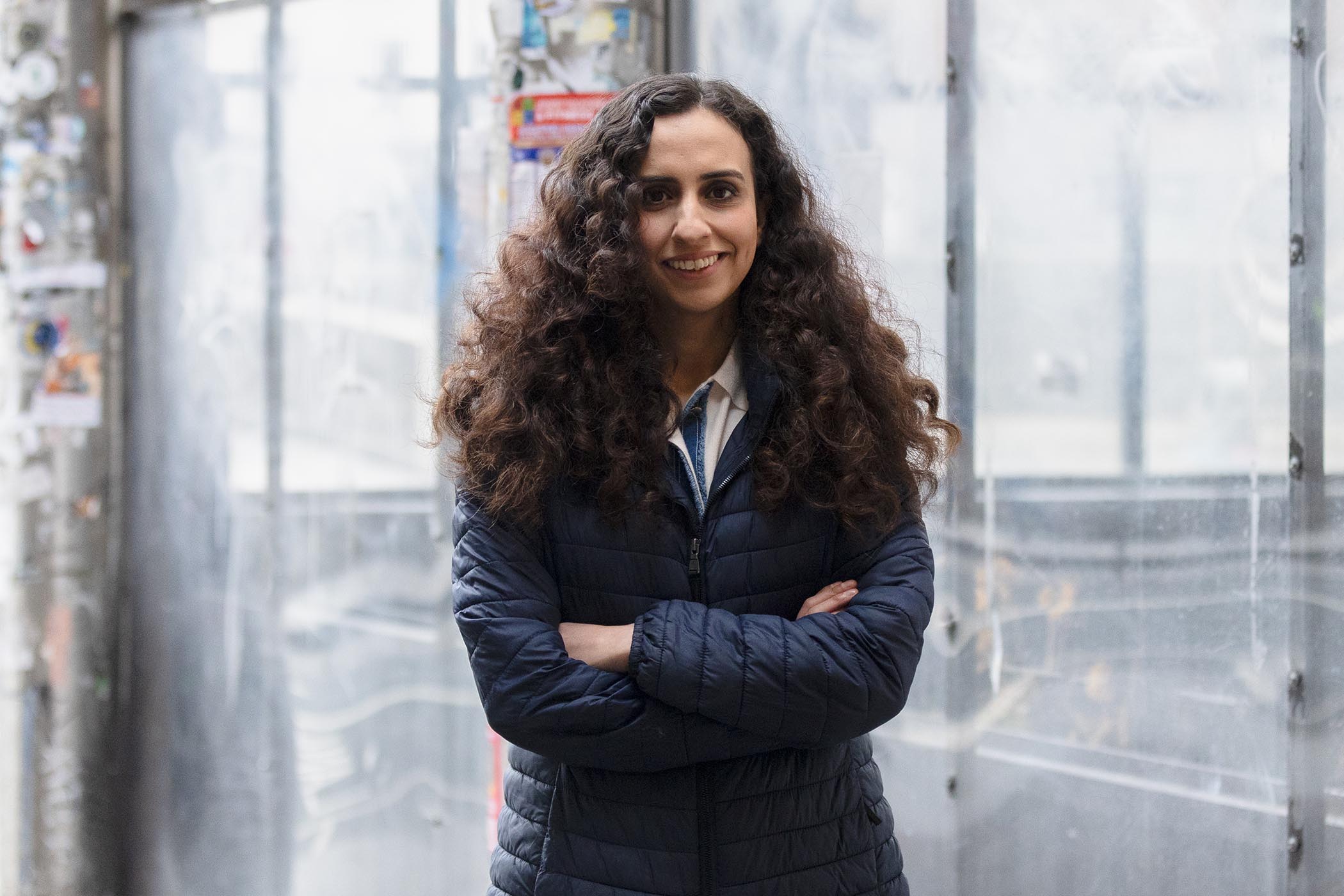
‘It is scary, but fear doesn’t stop us,” says Salma Amrani. Leaning over a low table in a dimly lit Casablanca coffee shop, the 21-year-old lights a cigarette and scans the room, conscious she lives in a place where baristas are sometimes paid to eavesdrop. “Fear does not control our actions,” she says, finally.
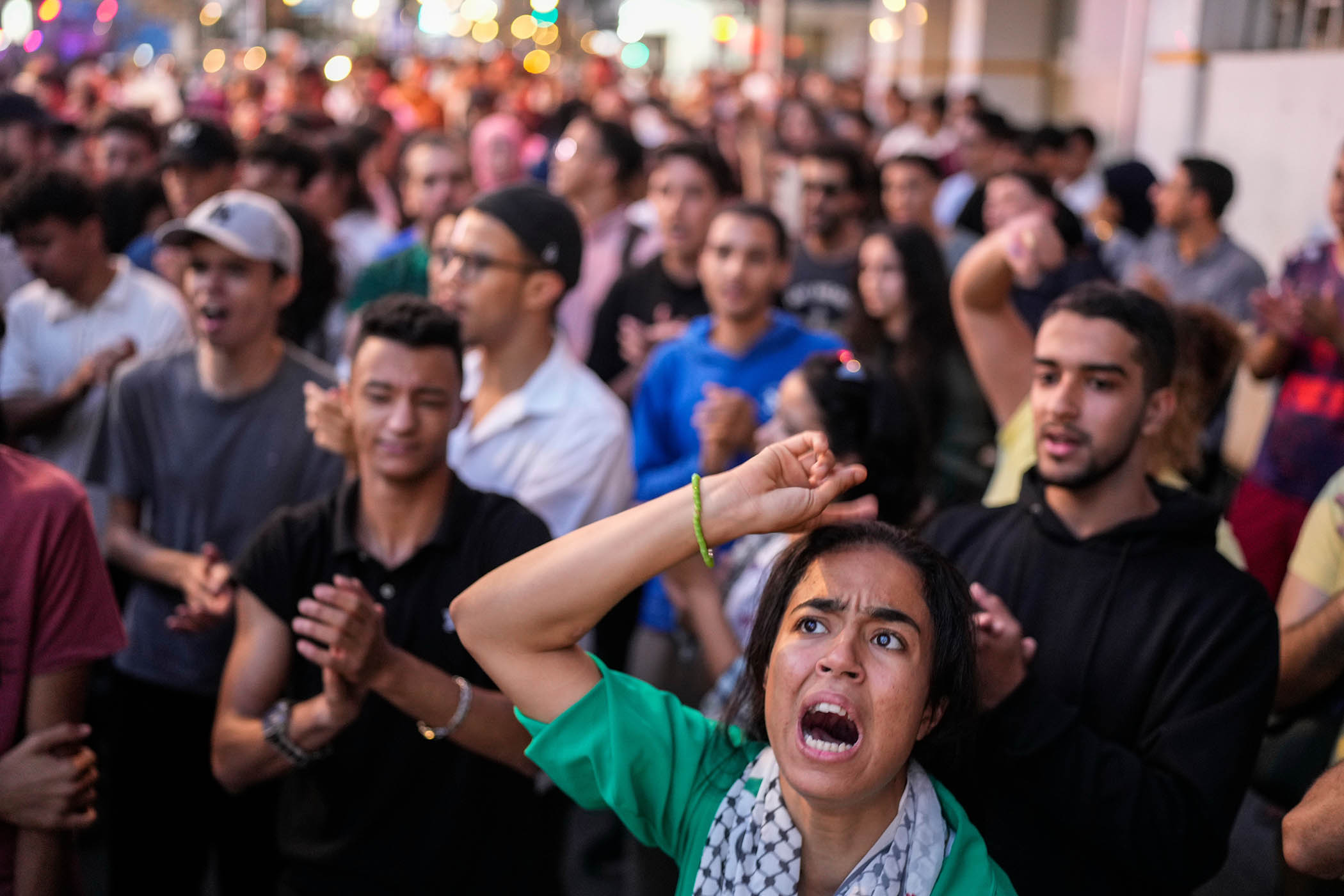
Amrani was one of thousands of youngsters who surged into the streets in September and October. The protesters chanted slogans such as “Hospitals not stadiums” and “Healthcare first” – a jab at the state’s plan to pour billions into hotels, airports and stadiums ahead of the 2030 World Cup, even as public hospitals limp on with broken scanners and staff shortages.
Security forces responded with rapid force. Videos circulated online of young women being shoved into police vans, screaming in protest, their handcuffed wrists raised defiantly over their heads. Thousands of people were carted off to prison, where they are now either awaiting trial or already serving sentences of up to 15 years for offences such as “rebellion as part of a group” and violence against officials.
‘It is naive royalism: people see the king as good, and those around him as bad’
‘It is naive royalism: people see the king as good, and those around him as bad’
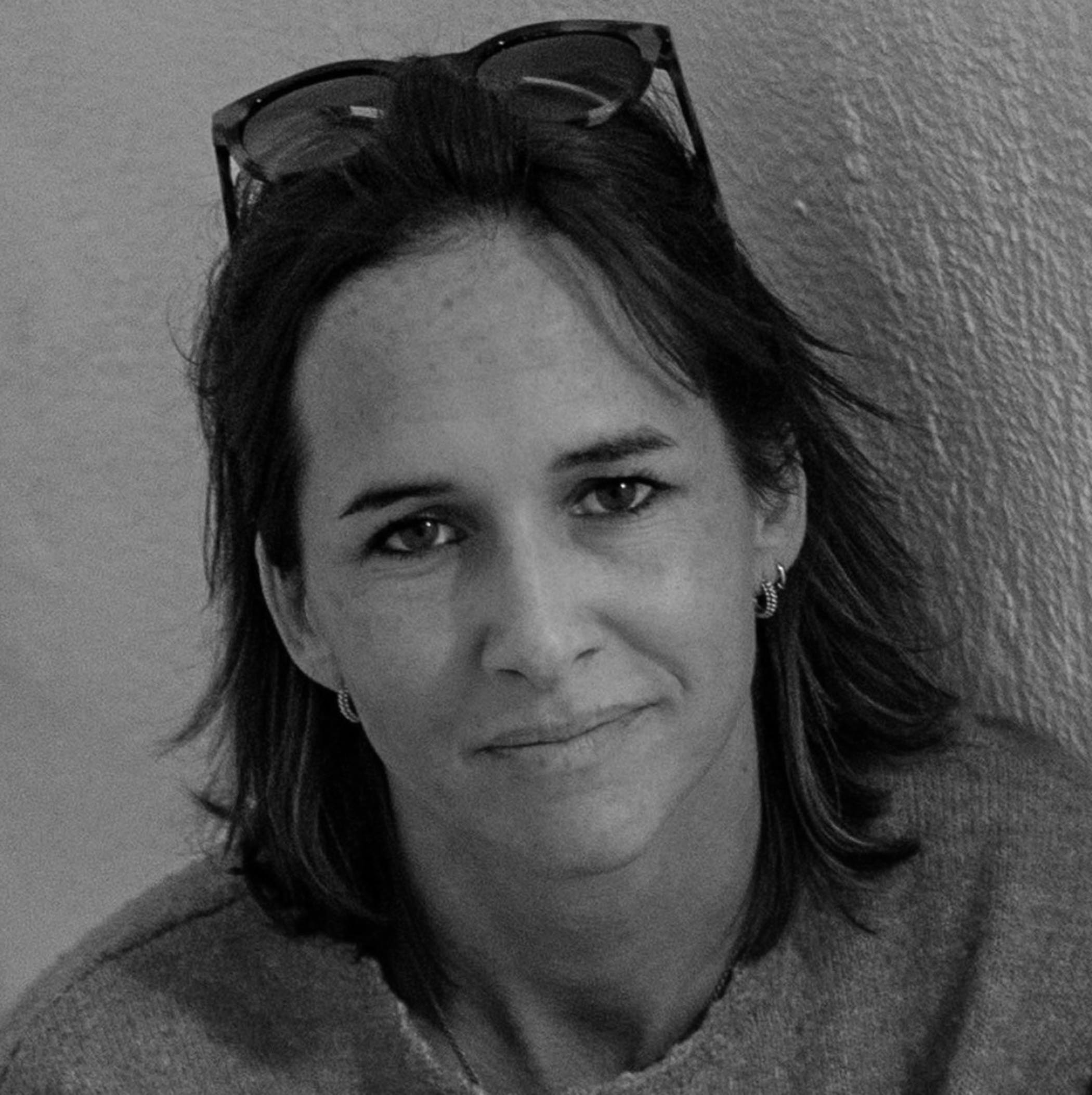
Anonymous analyst
Despite Amrani’s brave front, fear clearly stopped some. After a two-month lull, GenZ212 – named after Morocco’s international dialling code – returned to the streets last Wednesday night. This time, their numbers were smaller. Hundreds, not thousands, of young people lined street corners and public squares in cities across Morocco.
While Morocco’s security forces spared most gen Zers this time, they refused to let bereaved families protest in peace. Parents and siblings of three young men shot by policemen at a demonstration in October gathered outside parliament in Rabat demanding “truth and justice”. A van soon pulled up, and policemen bundled the grieving families inside, detaining them for several hours.
It is not easy to protest in Morocco, a constitutional monarchy with strict limits on free speech. Insulting the king can land you in prison. Mohammed VI, ruler for 26 years, holds significant power. He appoints the prime minister, directs foreign policy and oversees the formidable security apparatus as “supreme commander of the royal armed forces”. GenZ212, wary of these red lines, has stopped short of challenging the monarchy, calling instead for a change of prime minister and government.
Morocco’s youth are not alone. Across the world, gen Z has taken to the streets demanding reform, mobilising at a moment’s notice through social media and arming themselves with their phones, ready to record any police aggression they might encounter. So far this year, they have protested in more than a hundred cities across three continents.
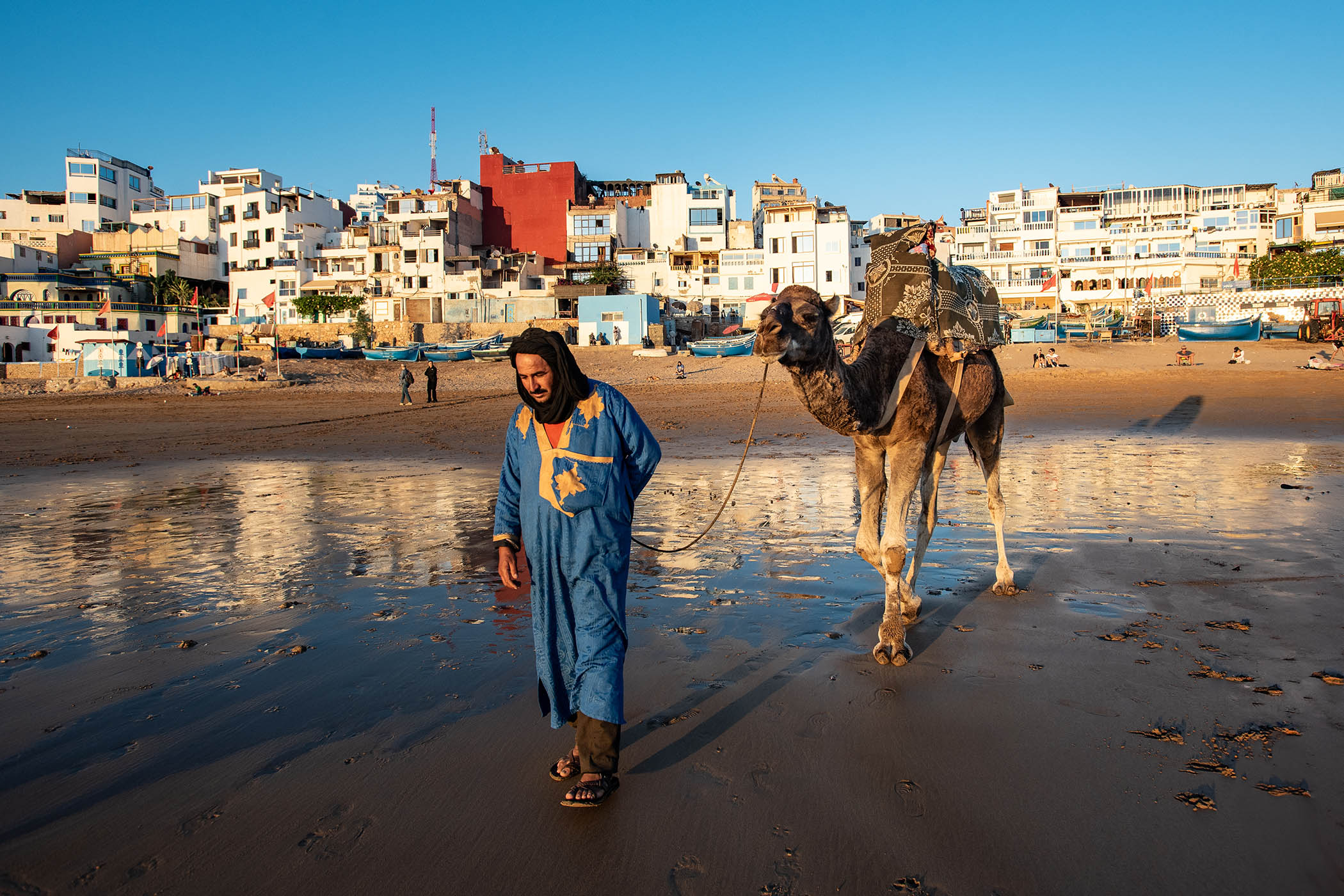
The surf town of Taghazout, just outside Agadir, where tourists would have little idea of the social turmoil rocking the region
In Madagascar, demonstrations sent the president fleeing to France on a military jet. In Nepal, days of youth unrest toppled the prime minister, KP Sharma Oli. In Kenya, young crowds pushed the government to abandon an unpopular tax bill. But in Morocco, the movement has taken a darker, more uncertain turn.
“The other gen Z protests inspire us, but we cannot go as far as they did,” Amrani admits. “Here, even if you protest peacefully, you can be arrested. The police follow everyone.”
Some activists are seized not from crowds but at home or in cafes. A prominent campaigner in Rabat was taken from his house after posting details of an upcoming demonstration on Instagram. He is now in prison awaiting trial.
Newsletters
Choose the newsletters you want to receive
View more
For information about how The Observer protects your data, read our Privacy Policy
At his home, half a dozen family members gather in a sparsely furnished sitting room, perched on a cushioned bench that runs along the walls. His aunt smiles as she pours mint tea and offers biscuits, but the mood is sombre.
Last time she spoke to a journalist, she says, she received an anonymous call where a gruff male voice threatened to rape her if she spoke out again. “Now I’ve stopped answering the phone,” she says.
Her nephew has been in prison for more than two months. The family do not know whether he will return in weeks or years.
GenZ212’s members are unsafe at home and online. Discord – a gaming platform where some 200,000 young Moroccans have united – has been infiltrated by state officials who track their plans and even pose as activists to slow momentum.
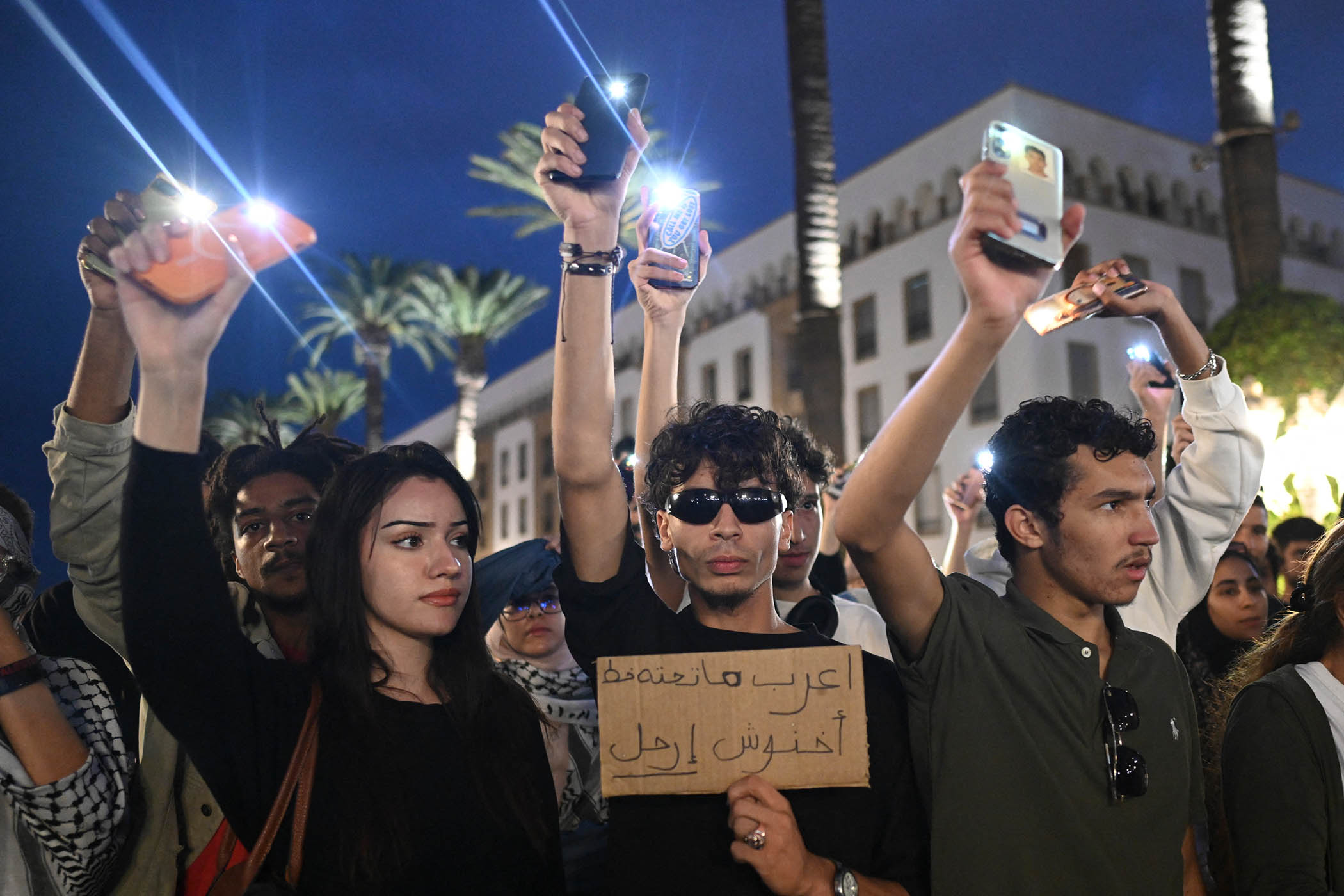
Protesters from GenZ212 on the streets of Rabat in October
“Last time I was arrested, they held me at the police post,” says one member in Rabat. “The officers were laughing as they typed messages on Discord.” Using fake profiles, they urged protesters to stand down, insisting: “We’ve done enough.”
Some activists live under constant surveillance as officials track their phones using Pegasus, a sophisticated spyware developed in Israel. Pegasus can be installed on a person’s device simply by using their phone number, and once inside it is almost impossible to detect. It gives governments the power to read everything on the device, and to switch on the microphone to listen in on conversations.
Despite the monarchy’s central role in the crackdown, Mohammed has attracted little public criticism. As one analyst puts it: “It is naive royalism: people see the king as good, and those around him as bad.”
The king is widely assumed to be popular, especially among older generations – an assumption maintained by a steady undercurrent of repression. It is impossible to gauge how well liked the monarch is, as polling is illegal.
The last attempt to measure his popularity, a survey undertaken in 2009 by the magazine Tel Quel, ended in disaster.
Although 91% of respondents declared themselves in favour of the king, police pulled the magazine issues from newsstands and burned them. A brief, fringe anti-royalist campaign calling itself “I am the 9%” followed, but was swiftly crushed.
It was Mohammed’s rapid response to demonstrations in early 2011, the Moroccan chapter of the Arab Spring, that blunted their force.
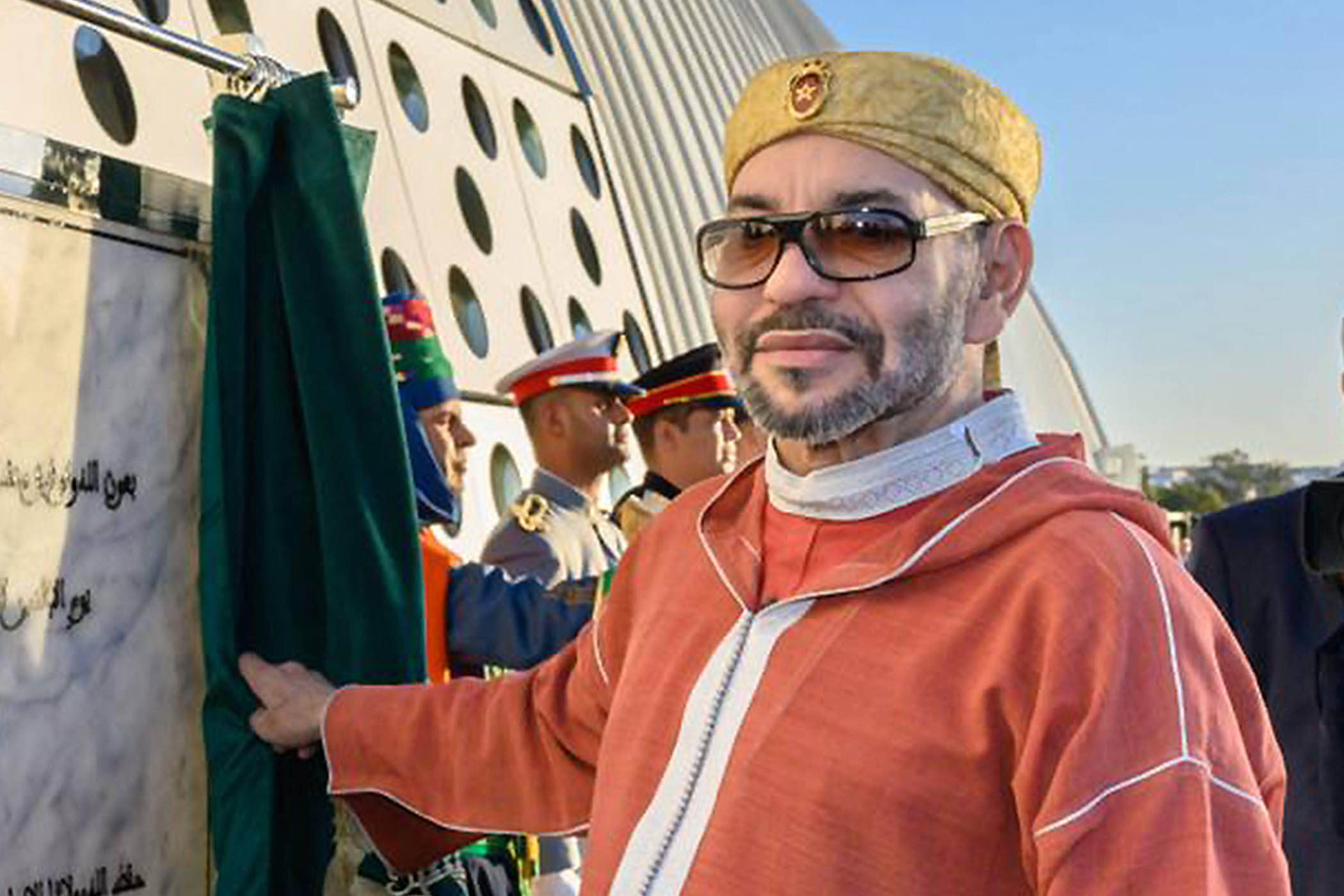
King Mohammed VI of Morocco
His promises of reforms and a clampdown on corruption helped sap momentum just as governments were collapsing elsewhere in the region. As today, his security forces hurriedly rounded up scores of dissenters.
Now he appears to be reaching for the same playbook. “I have heard the call of the youth,” he declared in his annual address to parliament, before promising more jobs and improvements to public services. Days later, the royal cabinet unveiled a plan to increase spending on education and health by 16% in next year’s budget.
GenZ212 argues this falls short of what is needed after years of underfunding and systemic decay. They were also dismayed that the king gave only a cursory nod to their movement. He did not acknowledge the three young men shot dead by police days earlier. A meme went viral on social media afterwards. “Gen Z just got its first royal slap. Welcome to the big family of the eternally disappointed.”
The spark for GenZ212 came in Agadir, a breezy coastal city popular with tourists on surfing holidays. Its sleek apartment blocks and wide, leafy boulevards stand in stark contrast to the degraded state of its main public health facility. Locals report that cockroaches and stray cats circulate among the sick at Hassan II Hospital, and that there are dangerously few doctors on hand.
In August, eight women died in just 10 days after undergoing caesareans at the facility. By early September, a small crowd had gathered outside the hospital, chanting: “Disgrace! Disgrace! Hospital or cemetery?” Among them was Mohammed Bouhsina, whose wife had died days earlier.
Speaking to a TV station, Bouhsina described how his wife had been abandoned by medical staff for 12 hours. Forced to wait outside the unvisited building, Bouhsina grew increasingly frantic and repeatedly asked reception to send a doctor.
At 3am someone finally appeared and took her lifeless body out to the emergency room.
“By then I knew she was dead,” Bouhsina says, remembering how a nurse had carried a bucket filled with her blood out after her. “All I am asking for is better treatment,” he tells the camera as his voice rises to a shout. “She didn’t deserve this.”
When videos of the Agadir protests circulated online, they tapped into a wider despair over Morocco’s health system. Within two weeks GenZ212 had mobilised.
Despite the repression, Morocco’s digitally connected youth insist they will not back down. It is noticeable, though, that far more now gather in GenZ212’s online forums than on the streets.
Once Wednesday’s demonstrations had dispersed, Discord lit up, abuzz with notifications as members rallied and debriefed. On Facebook too, supporters shared messages of encouragement. “We want health and education,” wrote one man. “Not stopping until we regain our rights,” typed another.
Unlike the protests in Morocco’s Arab Spring, the authorities now face a movement that lives as much online as it does in the streets, which makes it harder to silence. Yet the ferocity of the crackdown seems to have pushed many GenZ212ers off the pavements and back onto their phones.
Back in the sitting room in Rabat, the elderly father of the jailed campaigner sits clutching a photograph of his 32-year-old son, dabbing his eyes. “He is a person who really wants change for this place,” he says. “He doesn’t want a luxurious life, he just wants people to live with dignity.”
The old man lifts the thumbed photograph to his lips and kisses it again and again. Asked if he is proud of his son, his eyes start to stream. He taps the top of his head with his two index fingers – a Moroccan gesture that means “absolutely” – and adds: “You can’t imagine how much.”
Photographs by Mosa'ab Elshamy/AP, Olivia Acland for The Observer, DNphotography/Abaca Press, Issam Zerrok/Hans Lucas/AFP via Getty Images