Every summer revives hopes among Russia’s liberal-minded intelligentsia for a sudden and dramatic political change in the country. Those hopes are largely a reflection of post-Soviet history – from the ill-fated, KGB-orchestrated putsch of August 1991 to Yevgeny Prigozhin’s mutiny in June 2023.
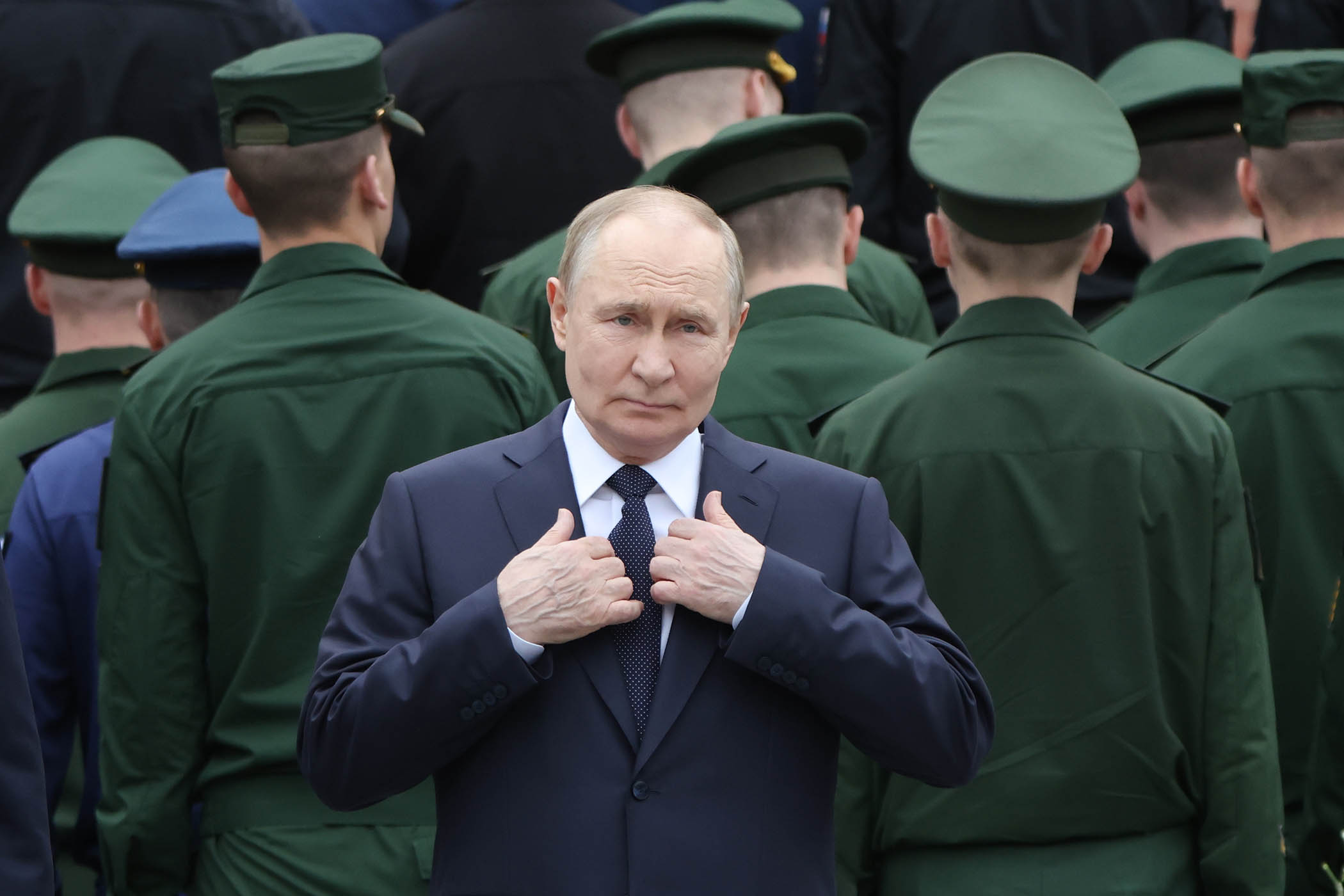
This year, thick smoke hanging over Russian cities after Ukrainian drone attacks – including last week in St Petersburg, Vladimir Putin’s home city, on the opening day of Russia’s economic forum, which is traditionally presented as a showcase of the country’s strength – has added to those hopes. Yet they may not reflect reality.
Modern Russia has experienced three revolutionary crises (in 1905 and two in 1917), but the systems built in their aftermath left virtually no room for more popular revolt. The leaders of the new regimes made sure of it – from Lenin and Stalin to Yeltsin and Putin.
The sudden political upheavals of recent Russian history have been driven by elites: by the KGB and the military in 1991; by the parliament and Yeltsin’s vice-president in October 1993; and by Putin’s closest crony, Prigozhin, in 2023.
There were mass protests in Moscow in 2011–12 but they were never violent or numerous enough to threaten Putin. Since then, every segment of Russian society has been systematically pushed towards apathy and political disengagement.
That does not mean the mood in the country is unchanged. Drone attacks have had an effect, as has the growing disappointment in Donald Trump’s ability to make Putin accept a ceasefire.
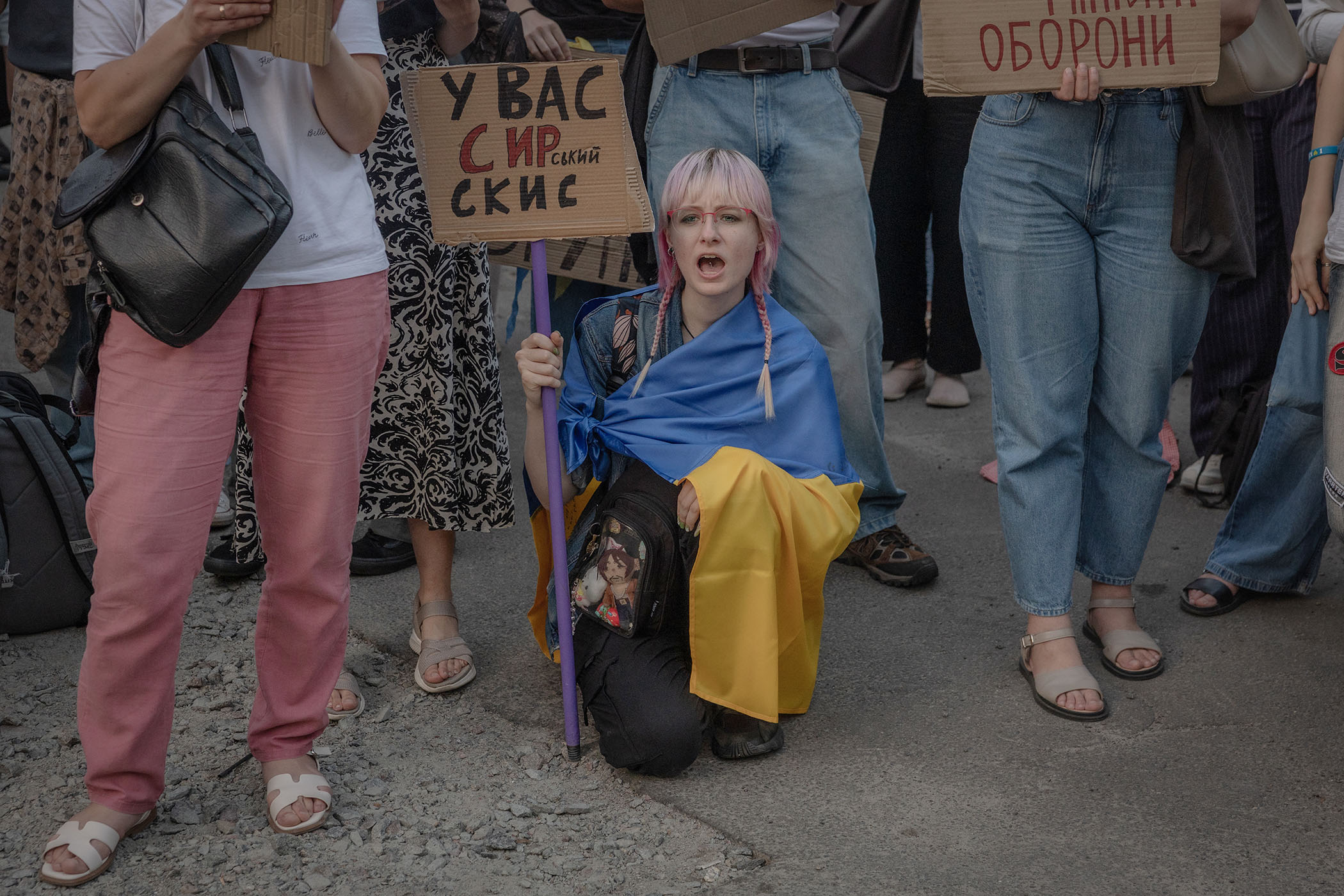
But it would be naive to expect drone strikes on Russian cities to drive ordinary people into the streets or increase sympathy for Ukraine. They are irritating and frightening; they make people think that perhaps it would have been better not to start the war in the first place, and that ending it may now be the best option. But those who have such thoughts keep them to themselves. Russians have been given too many examples of what can happen to those who break their silence.
This war has frequently raised false hopes of a swift Russian collapse. People on both sides held their breath when the Russian army withdrew from Kherson, when the Ukrainian counteroffensive began in 2023 and when Prigozhin’s march towards Moscow briefly made the capital tremble. There were other hopes as well: that sanctions would cripple the Russian economy, that successive waves of western weapons and technology – from Javelin missiles to Leopard tanks to F-16s jet fighters to the Starlink satellite system – would dramatically alter the situation on the battlefield. Most of those hopes faded.
After more than four years of brutal trench warfare, it may be wiser to limit expectations to what appears realistically achievable. Drone strikes can reduce Russia’s offensive capabilities and, combined with sanctions, slow its war machine. But they are unlikely to do much more than that.
Surprises are possible. A coup d’etat is always a possibility in a closed political system such as Russia’s. The problem is that Putin could just as easily be replaced by someone even more hostile to the west and Ukraine.
Newsletters
Choose the newsletters you want to receive
View more
For information about how The Observer protects your data, read our Privacy Policy
So, before placing too much hope in such scenarios, the west and Ukraine should ask themselves a question: what could they offer the men with guns around the Kremlin – the security services and the military – to make them think that it would be a good idea to remove Putin and end the war?
It’s a difficult question because these men with guns have been strengthened by war and may want more of it, not less. The most serious challenges to Putin since 2022 – from Prigozhin but also the former Donetsk defence minister and Russian imperialist Igor Girkin (AKA Igor Strelkov) – were never about ending the fighting. They were about waging it more aggressively and on a much larger scale.
Instead of waiting for a dramatic collapse in Moscow, it may be more useful to return to the history books and ask what eventually brought the Iran-Iraq war in the 1980s to an end – exhaustion.
That does not mean change in Russia is impossible. It means that anyone waiting for change should pay less attention to public frustration and more to the incentives of the men who control the instruments of force.
Andrei Soldatov is co-author with Irina Borogan of Our Dear Friends in Moscow
Thank you for reading. Tell us what you think by writing to letters@observer.co.uk
Photograph by Getty Images