
This article first appeared as part of the Daily Sensemaker newsletter – one story a day to make sense of the world. To receive it in your inbox, featuring content exclusive to the newsletter, sign up for free here.
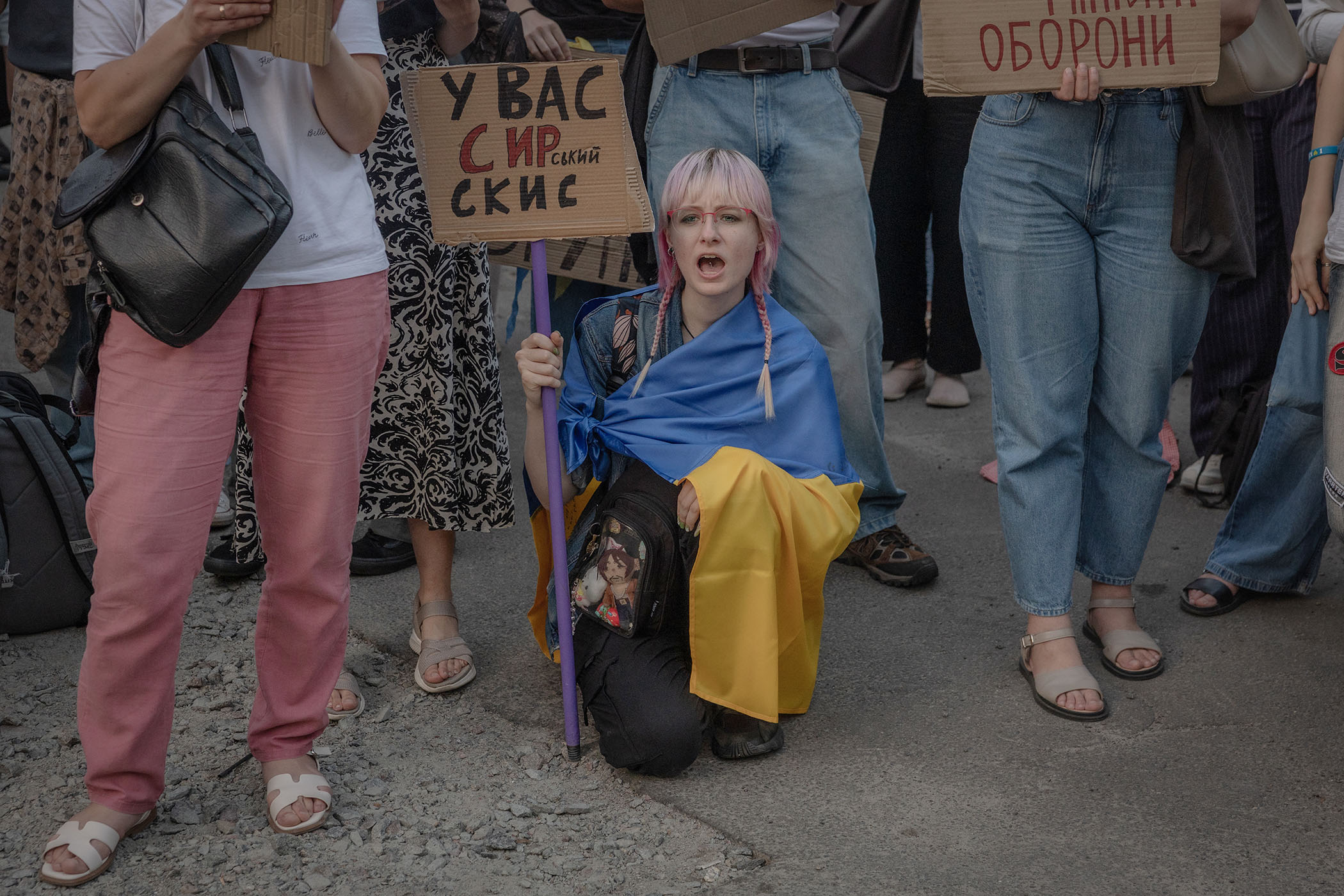
Volodymyr Zelensky sacked his army chief on Tuesday, bowing to pressure from demonstrations sparked by an earlier decision to fire his popular defence minister.
So what? This move is meant to draw a line under one of Zelensky’s biggest political blunders of the war. His removal of Mykhailo Fedorov, a 35-year-old tech guru, from the defence ministry
•
came at a crucial moment on the battlefield;
•
highlighted a cultural rift within Ukraine’s wartime society; and
•
has cost Zelensky crucial political capital.
IT guy. Fedorov was previously minister for digital transformation, a broadly defined portfolio that he used to roll out apps that helped maintain public services through the disruption of the war. He also fostered Ukraine’s burgeoning defence startup scene and set up an online marketplace where military officers can make direct equipment purchases.
As defence minister, he was celebrated for an innovative, tech-driven approach geared towards the drones and small robotic systems that have turned the frontline into an attritional “kill zone” and nullified Russia’s vast advantage in manpower. He was only appointed six months ago but is credited with a recent battlefield shift in Ukraine’s favour.
Culture war. Fedorov’s dismissal was the result of a showdown with Oleksandr Syrskyi, a grizzled Soviet-trained commander, who won respect for leading the defence of Kyiv in 2022 but came to be nicknamed “the Butcher” for his tolerance of high casualties.
The pair clashed over purchases of artillery shells – which Fedorov had curtailed in favour of drones – as well as plans to improve troop rotations and change the deeply unpopular conscription system. Syrskyi was also accused of rewarding loyal units and of thwarting Fedorov’s efforts to merge underperforming brigades into more innovative ones.
Bigger picture. The dispute came to mean more than procurement and military strategy. It signified a fault line between a young, tech-savvy population and an old guard that is seen as resistant to change.
New face. Zelensky changed course on Tuesday when he sacked Syrskyi as army chief, a key demand from the thousands who took to the streets across Ukraine. Syrskyi will be replaced by Mykhailo Drapatyi, 43, a Fedorov ally who has underlined the need for reform.
Zelensky offered Fedorov a “prominent position” focused on technology, but he has reportedly refused anything but his old job.
Newsletters
Choose the newsletters you want to receive
View more
For information about how The Observer protects your data, read our Privacy Policy
Trust issues. Zelensky has said he was forced to choose between his defence minister and army chief. But Fedorov’s popularity may have played a role in his removal. He is a potential political rival who had seized the spotlight from a president who has been accused of sidelining other competitors and centralising power within a small circle of key advisers.
Voice of the street. With elections suspended under martial law, protests have become a key constraint on Zelensky’s power. Last year, separate demonstrations forced a U-turn after the president stripped anti-corruption agencies of their independence.
Bad timing. There are fears that the defence row could imperil Ukraine’s momentum in the war. Despite a massive expansion of ground forces, Moscow’s spring offensive did not meet its ambitions. Kyiv, meanwhile, has launched long-range attacks on critical Russian infrastructure, leading to widespread fuel rationing. Occupied Crimea is struggling with shortages of petrol, water and electricity, while public sentiment in Russia has grown pessimistic towards the war.
What’s more… Civilian casualties are increasing sharply as ballistic missiles and drones hit densely populated urban areas far from the front line. Deaths are up more than a third compared to the same period last year and almost double the number in 2025.
Photograph by Roman Pilipey/AFP via Getty Images