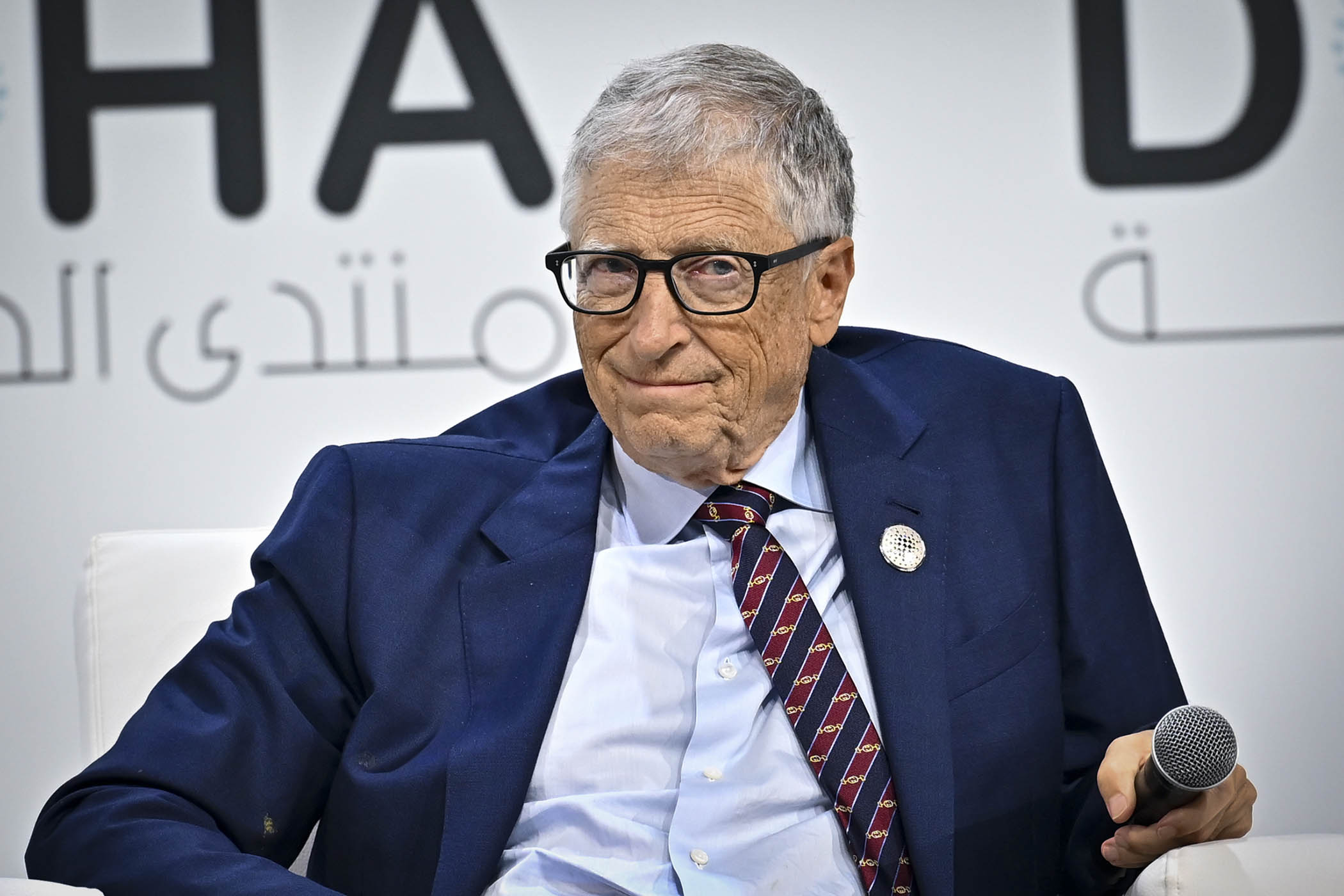
Thousands gathered beneath the vast atrium of a Doha hotel in a configuration unlikely seen anywhere else in the world: members of the Taliban strolled through the convention centre after a speech by Bill Gates extolling human potential, while Hillary Clinton and Donald Trump Jr sat two seats away from one another. A rabbi pushed through throngs of people to greet Syrian foreign minister Asaad al-Shaibani, who the crowds treated like a visiting rock star. Former CIA agents stalked the halls, while former Iranian foreign minister Javad Zarif discussed Tehran’s power.
The Doha forum was a showcase of soft power for the tiny peninsula nation that wants to be known as the world’s mediator – all fuelled by the natural-gas wealth that recently allowed Qatar to host the World Cup and wield vast influence overseas.
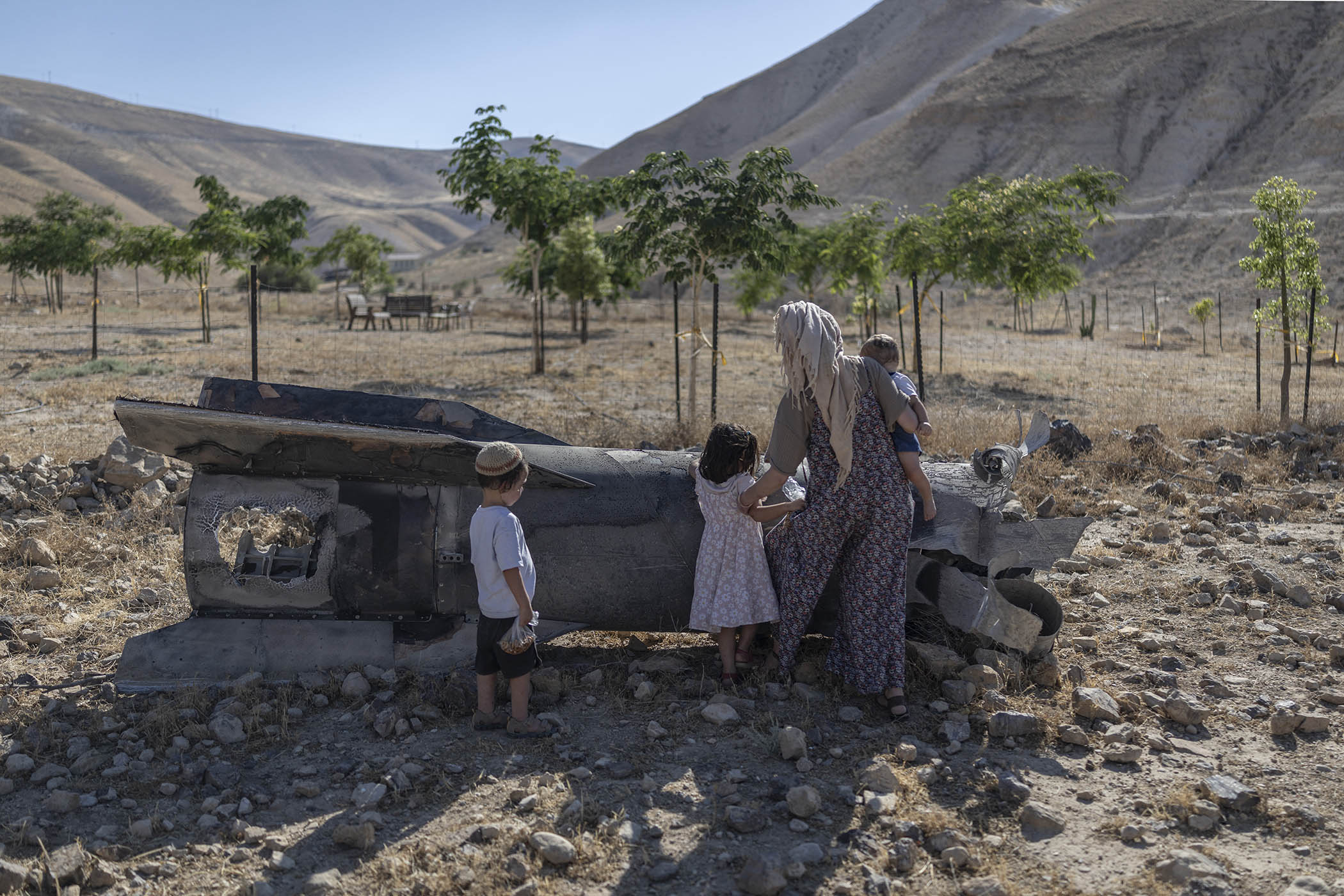
Yet three months earlier, Israel struck a neighbourhood six miles away in an attempt to target members of Hamas who were discussing Washington’s ceasefire proposal. Three months before that, Iranian missiles soared over the skyscrapers of Doha’s skyline before hitting a US airbase just outside the capital.
But even after a year that saw Doha on the receiving end of airstrikes from two major regional powers, Qatar believes it has come out on top. Diplomats in Doha can point to a growing list of successful negotiations and a renewed relationship with Washington: in the wake of the strike, Donald Trump issued an executive order that any attack on Qatar will be regarded “as a threat to the peace and security of the United States”.
It is not just a relationship with Washington: ties with parts of the Maga movement are also burgeoning. The man chosen for a one-on-one interview with Qatari prime minister Mohammed bin Abdulrahman Al Thani onstage was not a CNN anchor or Washington Post columnist – it was Tucker Carlson, a figure viewed as beyond the pale even by some on the American right for his views on Israel and his recent interview with the antisemite and white supremacist influencer Nick Fuentes.
Al Thani appeared to acknowledge the transactional aspect of the relationship. “We are investing in the United States; the United States [is] investing in Qatar,” he said. “We pay all these amounts for lobbying only to protect and to safeguard this relationship.”
In a sign that the balance of power in the Middle East is increasingly tilting towards the Gulf states, Al Thani outlined his country’s fears: an emboldened Israel that felt empowered to strike Gaza, Lebanon and at least three other Middle Eastern nations this year, including Iran.
Doha is also desperate to see renewed nuclear talks, prompted by deep fears that a leak of nuclear fuel or even further strikes on Iran will impact not just Qatar but all of its Gulf neighbours.
“Our adversaries are advocating for escalation, for bombing, for controlling. But we advocate for resolving conflict in a diplomatic way, trying to stabilise the region,” he said.
“There is a lot of uncertainty of what’s happening in the region right now,” he added, pointing to the continued Israeli bombing of Gaza and escalations in Lebanon despite ceasefire agreements in both places.
Newsletters
Choose the newsletters you want to receive
View more
For information about how The Observer protects your data, read our Privacy Policy
As for whether Qatar would be open to financing the rebuilding of Gaza, he said aid would be directed towards the Palestinian people, but Doha is not willing to foot the bill for reconstruction as it had in the past. “We are not the ones who are going to write the cheque to rebuild what others destroy,” he said.
‘The zone has been flooded. Corruption doesn’t shock anybody any more’
‘The zone has been flooded. Corruption doesn’t shock anybody any more’
Michael Hanna, International Crisis Group
The US-Qatar relationship is not merely diplomatic – there is a business element too. Trump Jr used his time on stage to rail against Europe while also promoting his venture capital firm. The Trump family’s ties to Qatar were already beyond the political, with a declaration earlier this year that they would build a luxury golf resort north of Doha. Then there was the gift of a $400m (£300m) presidential plane that Trump accepted just two weeks after the announcement of the golf course.
As Trump Jr’s face towered over us on a giant screen, the International Crisis Group’s Michael Hanna commented dryly: “The zone has been flooded. Corruption doesn’t shock anybody any more.”
Still, he added, Qatar is in a strong position both as a regional player and in terms of its bilateral relationship with Washington. “They’re in a pretty good place, but there’s also fragility in the fact that they’re not in charge of the trajectory of regional developments. That depends on Israel, the US and Iran,” he said.
Those tracking human rights violations in the Gulf, including the alleged labour abuses that underpinned breakneck-speed construction of acres of stadiums and towers in the run-up to the 2022 World Cup, say that Doha has become adept at deflecting criticism of what it does at home by pointing to its successes abroad. Humanitarian organisations that might previously have been more critical are now in desperate need of financing in a world reshaped by the Trump administration’s aid cuts.
Qatar may wish to be seen as the world’s mediator, but it has been unwilling to play a role in ending the world’s largest humanitarian crisis in Sudan. Qatar’s near neighbour, the United Arab Emirates, has openly backed the Rapid Support Forces militia, which has been accused of committing genocide by the US.
When asked by The Observer why Doha has declined to step in – and whether the potential for uncomfortable talks with Emirati neighbours plays a role – Qatari foreign ministry spokesperson Majed bin Mohammed al-Ansari suggested there are “too many cooks in the kitchen when it comes to the mediation in Sudan. We are supportive of a lot of these efforts. We don’t think what Sudan needs right now is another mediator.”
Photograph by Noushad Thekkayil/NurPhoto via Getty Images