This article first appeared as part of the Daily Sensemaker newsletter – one story a day to make sense of the world. To receive it in your inbox, featuring content exclusive to the newsletter, sign up for free here.
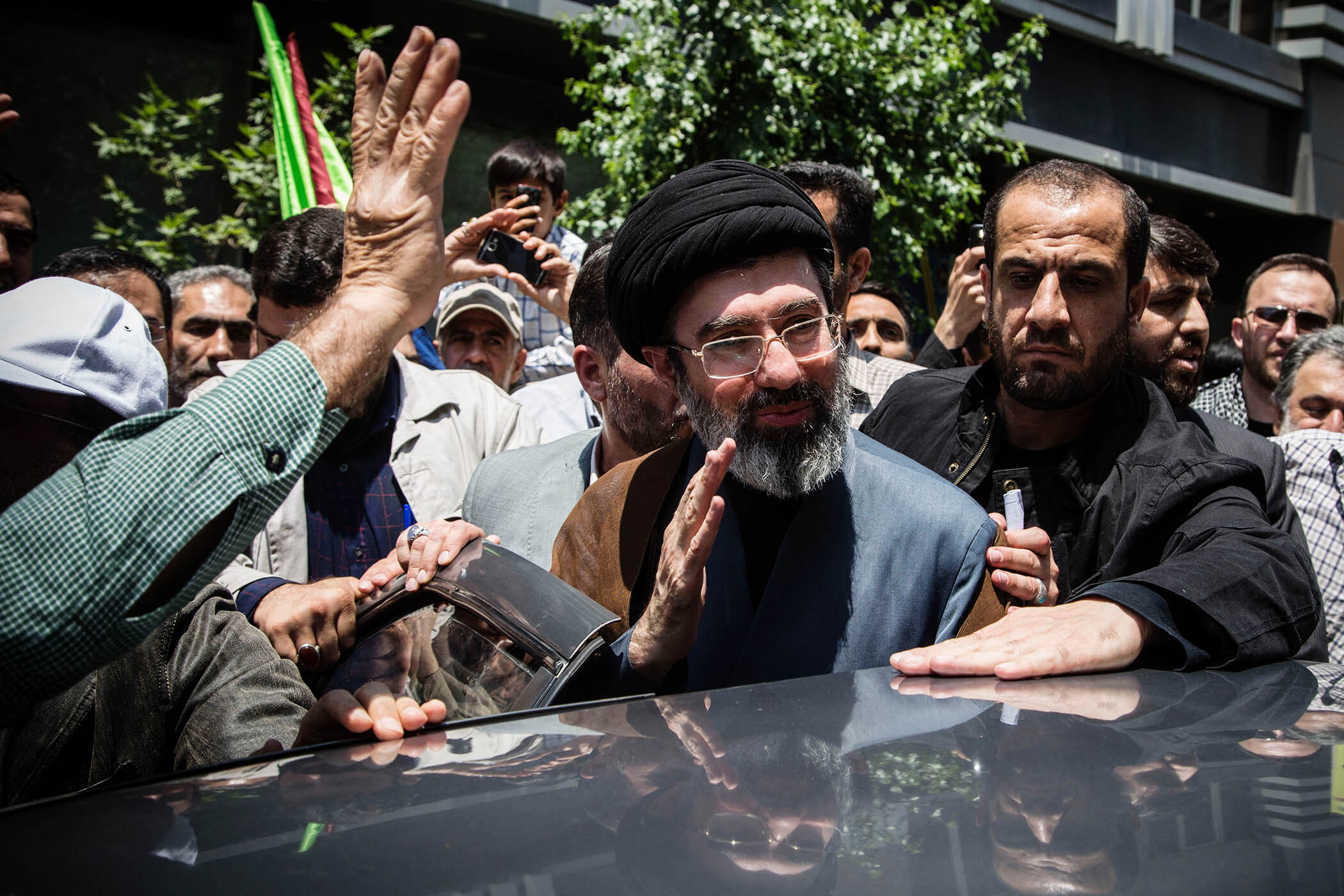
On Sunday, Mojtaba Khamenei was named as Iran’s new supreme leader.
So what? Negotiations with Washington are now far less likely. The 56-year-old is a hardliner and was already a target of Trump and Netanyahu, who have made no bones about their preference for a different outcome. His speedy appointment after the assassination of his father
•
sends a message to the US and Israel that Iran will not bow to their demands;
•
may stir discontent from those within the regime who bristle at hereditary rule; and
•
gives enormous power to a man who has been described as a messianic extremist.
From the shadows. While the younger Khamenei worked behind the scenes from his father’s office, quietly pulling the strings in presidential elections, he was rarely seen in public. Most Iranians have never heard his voice. He was seen as a controversial successor, even within regime circles, on the grounds that the Islamic Republic overthrew monarchical rule.
Into power. But then Ayatollah Ali Khamenei was assassinated, along with Mojtaba’s mother, wife and one of his sons. This allowed the preferred candidate of Iranian hardliners to muscle through the process without the usual level of internal debate.
The enigmatic one. A bracing Atlantic story featured a former study partner, who remembered Mojtaba being obsessed with the apocalypse. The study partner said he was “more dangerous than 50 nuclear bombs” and willing to wreak destruction on the world. A key test of this will be whether the younger Khamenei renews his father’s fatwa against nuclear weapons.
But is he ready? Perhaps not. Mojtaba’s father spent nearly a decade as president before becoming supreme leader. Ruhollah Khomeini, founder of the Islamic Republic, led a revolution. Mojtaba Khamenei has none of the same political experience or clerical status.
Consolidating power. This means there are risks to the new leader’s rule. Farzan Sabet from the Geneva Graduate Institute said the swift appointment means his support is limited to a hardliner base. He will have to work to garner support from the wider regime.
View from the hardliners. Some believe that the younger Khamenei’s ties to the IRGC will push the Islamic Republic further towards a military dictatorship. Ali Alfoneh of the Arab Gulf States Institute cited Tasnim, an outlet affiliated with the IRGC, which proclaimed: “The hand of God is apparent – Khamenei has been rejuvenated.”
View from Tehran. While Iranian state media showed crowds cheering at the news of Mojtaba’s appointment, not everyone is happy. Videos from the capital also showed people leaning out of their balconies to curse his name and wish for the death of the regime he now leads.
Laying low. Iran’s new leader is unlikely to develop a public profile soon. Israel Katz, the Israeli defence minister, has said any new Iranian leader will be an “unequivocal target for elimination”.
Not the one. Donald Trump has said he wanted a hand in picking Iran’s new leader, and that the regime made a “big mistake” by selecting Mojtaba Khamenei.
Not up to you. Trump seems keen to revive the Venezuela playbook, in which he cut a deal with a pliant successor. But it is naive to think that this will work in Iran, where the regime is deeply entrenched and, it appears, far less open to dialogue. Ali Larijani, the Iranian security chief, said that no one within the regime was interested in speaking to Washington.
The symbolism is strong. Alfoneh said that the appointment of Mojtaba is a “middle finger” that signals defiance towards the US and Israel. “It conveys the message that you killed Khamenei: here's another,” he said.
What’s more… Little about Mojtaba Khamenei suggests he will negotiate or offer concessions to Washington in order to end the escalating war. The Iranian military has undoubtedly been degraded. But the regime is more bent on hitting back than it was a month ago.
Photograph by Rouzbeh Fouladi/ Middle East Images/ AFP via Getty Images
Newsletters
Choose the newsletters you want to receive
View more
For information about how The Observer protects your data, read our Privacy Policy