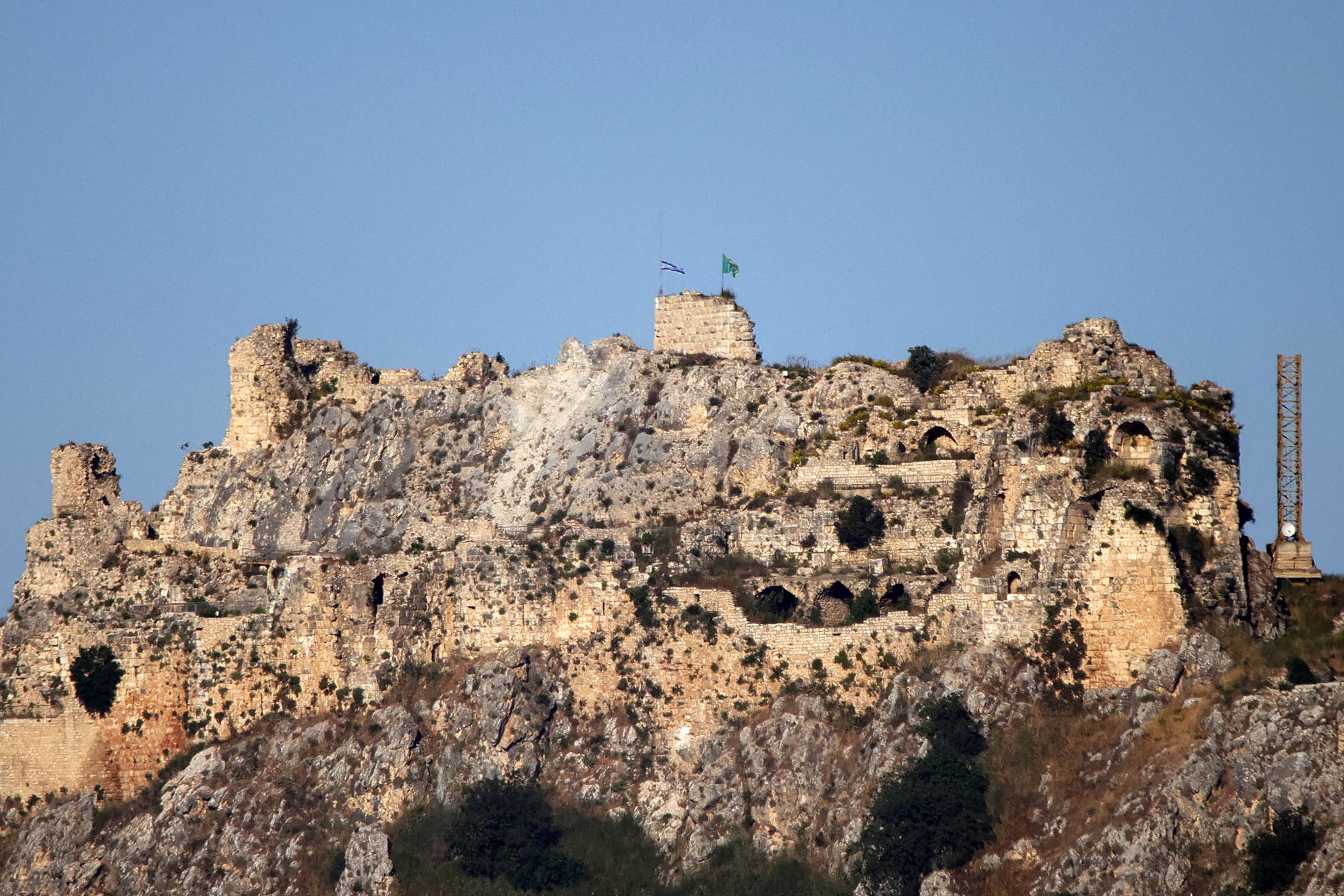

Israel planted its flag atop Beaufort Castle in southern Lebanon on Sunday for the first time since 2000, evoking bitter memories of deadly fighting in both nations.
The 900-year-old crusader castle was last occupied by the Israeli military from 1986 until the turn of the century, when it pulled out of southern Lebanon after almost two decades of occupation and a bloody insurgency by the Lebanese Shia militant and political group, Hezbollah.
Perched on a ridge in southern Lebanon, the citadel is a Unesco World Heritage Site that received enhanced protection in 2024. Its strategic position has made it a prize for successive rulers over the centuries, from Crusader and Arab dynasties to the Ottomans and, during the country’s civil war, for Palestinian forces.
On Sunday history repeated itself.
The raising of the Star of David flag above the fortress’s ramparts was celebrated by Israel’s prime minister Benjamin Netanyahu as his forces pushed deeper into Lebanon during an expanding ground offensive against Hezbollah.
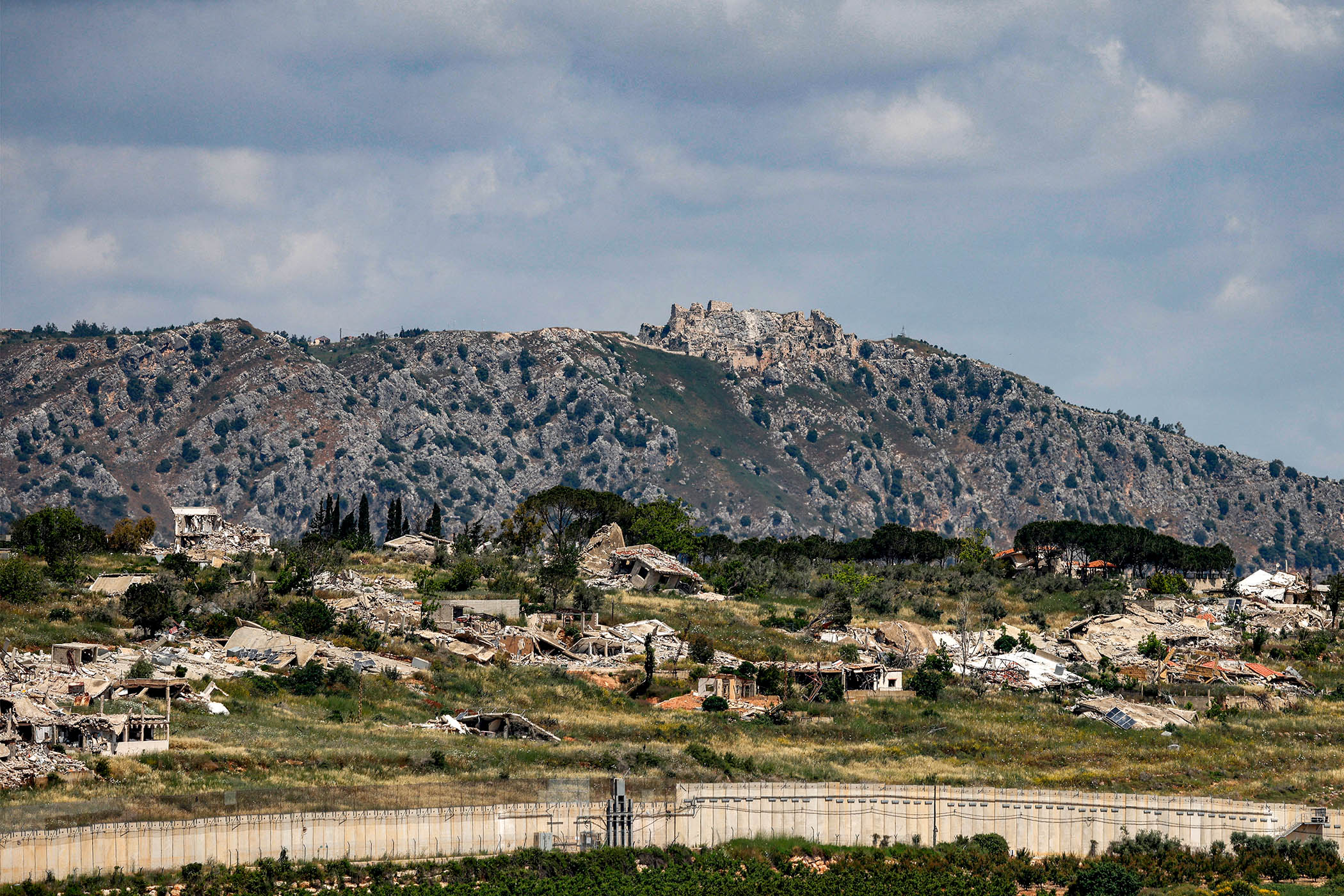
Destroyed buildings in the Lebanese village of KfarKila, with the 900-year-old Beaufort Castle in the background
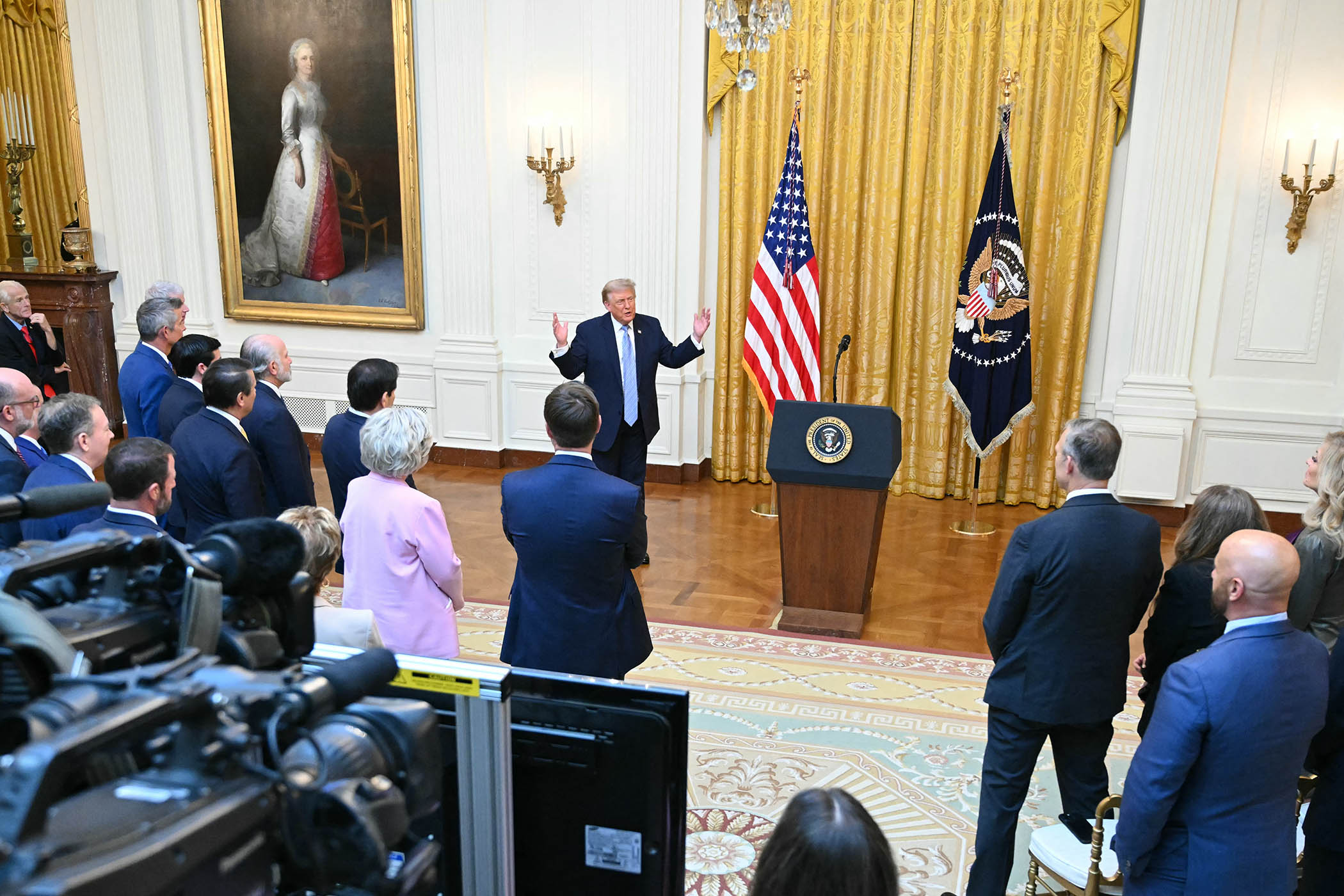
“The capture of Beaufort is a dramatic stage and a dramatic shift in the policy we are leading,” Netanyahu said in a video message. “Now my directive is to deepen and expand our hold on areas that had been under Hezbollah’s control.”
Lebanon’s president, Joseph Aoun, said Lebanon was facing “a vicious and reprehensible Israeli aggression” and promised to “work to end the suffering of the Lebanese people”. His statement was followed by announcements from both Netanyahu and Israel’s minister of defence, Israel Katz, that the Israeli military would again start striking southern Beirut, forcing thousands to flee the suburbs of the capital as an Israeli surveillance drone could be heard flying low and loud above.
European leaders have condemned Israel’s military action following the announcement of a ceasefire in Lebanon on 17 April. Yvette Cooper, the UK’s foreign secretary, has called for the US-brokered ceasefire to be respected and an emergency meeting of the UN security council was due yesterday.
Tasnim, Iran’s semi-official news agency associated with the Islamic Revolutionary Guard Corps, reported on Monday that Iran’s negotiating team was stopping exchanging messages with Washington after Israel ordered troops deeper into Lebanon.
The Islamic republic has tied any ceasefire deal to a cessation of hostilities in Lebanon, potentially scuppering Trump’s hopes for a swift end to the conflict and the reopening of the Strait of Hormuz.
Newsletters
Choose the newsletters you want to receive
View more
For information about how The Observer protects your data, read our Privacy Policy
Iran’s foreign minister, Abbas Araqchi, posted on X that a “violation on one front is a violation of the ceasefire on all fronts. The US and Israel are responsible for the consequences of any violation.”
In today’s warfare, especially in south Lebanon, the symbolism of Beaufort Castle’s capture is greater than its military significance.
Hezbollah is fighting an asymmetric war and can strike from throughout Lebanon. Capturing one ridge can’t stop its drone and missile attacks. It has time and again proved its ability to rearm, regroup and attack.
In a war that relies heavily on drones, missiles and electronic surveillance, a hilltop fortress no longer confers the decisive advantage it did years ago, and exposed high ground can create vulnerabilities as well as benefits.
Even so, for Netanyahu, taking the castle will deflect public criticism. The war in Lebanon remains popular in Israel even as more and more of its soldiers are killed by Hezbollah’s effective use of first-person view drones and his war on multiple fronts drags on for a third year.
Netanyahu is fighting for re-election by October this year, and polling suggests his hard-right coalition lacks a clear path to victory.
The prime minister’s central argument – that only he can neutralise Iran and guarantee Israeli security – will be weakened if Washington reaches an agreement with Tehran that leaves intact an emboldened Iranian regime that has realised shutting the strait of Hormuz is more effective than fear of a nuclear weapon ever was.
Such an outcome would refocus attention in Israel on issues that have dogged Netanyahu for years: corruption trials, democratic backsliding and his dependence on ultra-Orthodox and settler allies. He has had to rethink his Lebanon strategy and expand his military footprint there as his promises on Iran remain unfulfilled – the Iranian regime and its proxy Hezbollah remain very much alive.
Staying on a war footing keeps Netanyahu out of court.
Facing a potentially hostile electoral landscape, he retains incentives to keep security threats at the centre of public debate, including by taking a tougher stance on Lebanon. Yet he has been promising decisive wins against Israel’s adversaries for years now. Voters may ultimately judge him less on his symbolic victories than on results he has struggled to deliver.
Photographs by Jalaa Marey/ AFP via Getty Images