Photographs by Oliver Marsden for The Observer
Gunfire shattered the heavy evening air in southern Lebanon. Just seven miles (11km) from Israeli military positions, residents feared the country’s fragile ceasefire had collapsed.
But the shooting in the border village of Wadi Jilou was not another clash between Israel and Hezbollah, the Lebanese militant group. It erupted over football.
Brazil’s World Cup stoppage-time winner against Japan sparked a fight. Tempers spilled into the streets, shots were fired, and the wounded were rushed to hospital.
Lebanon has never reached a World Cup, but the tiny Mediterranean nation has a global reach that far exceeds its size or footballing legacy. Few countries have a larger diaspora relative to their population. Almost twice as many people of Lebanese descent live in Brazil than in Lebanon itself. In Argentina, they outnumber the population of Beirut.
The diaspora can be found everywhere, from Paris to Panama City, Iran to Ivory Coast, Canada to the tiny island nation of Curaçao. Their loyalties travel with them.
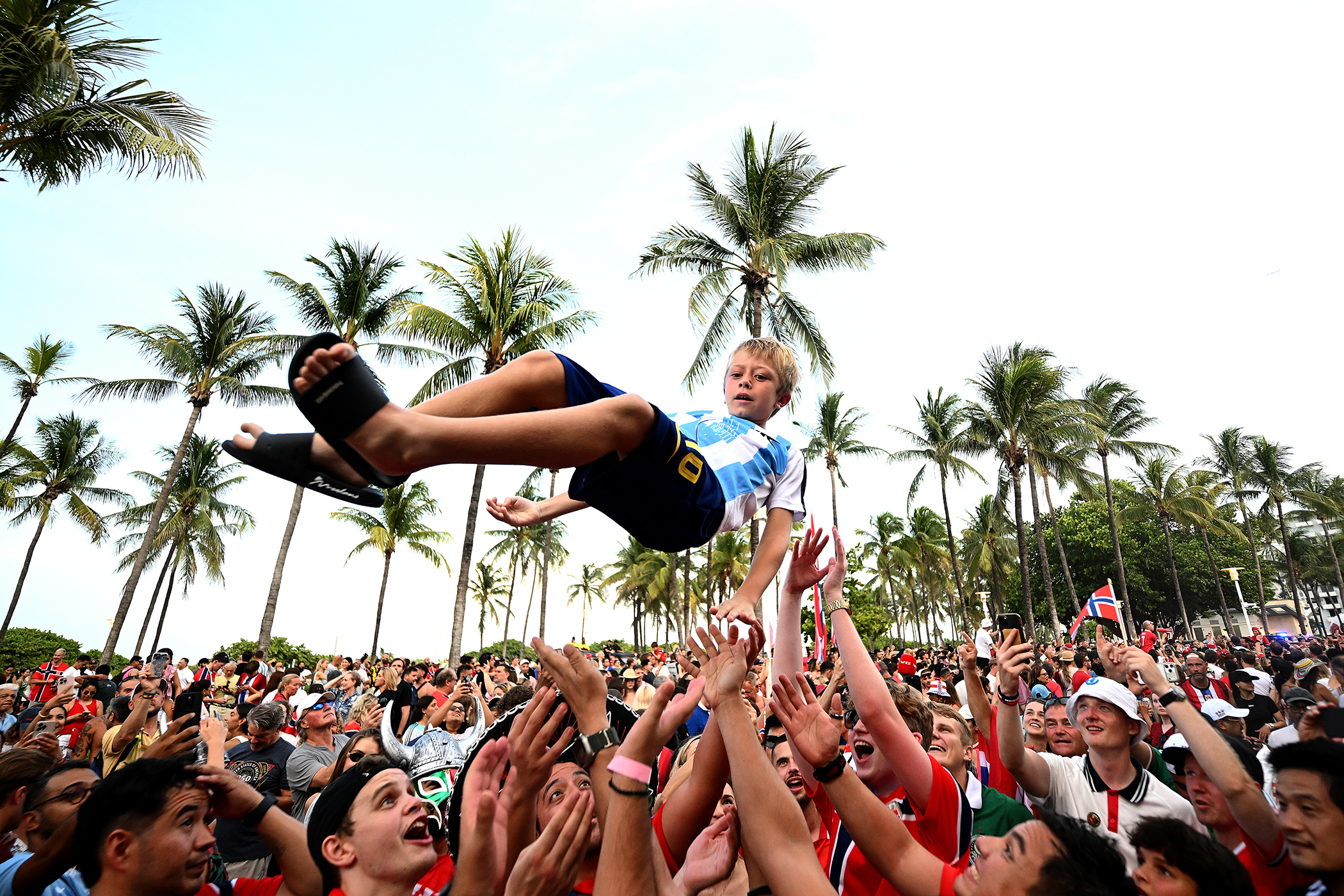
Back home, each World Cup becomes a contest between countries the Lebanese people have made home. Towns and villages across the country turn into unlikely outposts of São Paulo, Buenos Aires, Berlin and Paris.
Passions reach fever pitch. In Beirut, cars speed through red lights with the flags of France, Argentina, Spain and England flying in the wind. Instead of booking the culprits, traffic police wave for the flag they support – a curious illustration of a failed state.
Supporters of Brazil are everywhere; Beirut bars packed with the famous yellow shirts. When the Seleção took on Scotland in their final group match, a lonely blue shirt stood out like a sore thumb as the frenzied Arabic commentary blared out.
In Tripoli, 50 miles north, Jihad al Hassan gathered his family in the abandoned concrete shells of Oscar Niemeyer’s unfinished International Fair to watch France play Morocco. Designed in the 1960s, the building’s construction was halted when civil war broke out in 1975. Now a World Heritage site, it has become an unlikely World Cup fan zone.
Newsletters
Choose the newsletters you want to receive
View more
For information about how The Observer protects your data, read our Privacy Policy
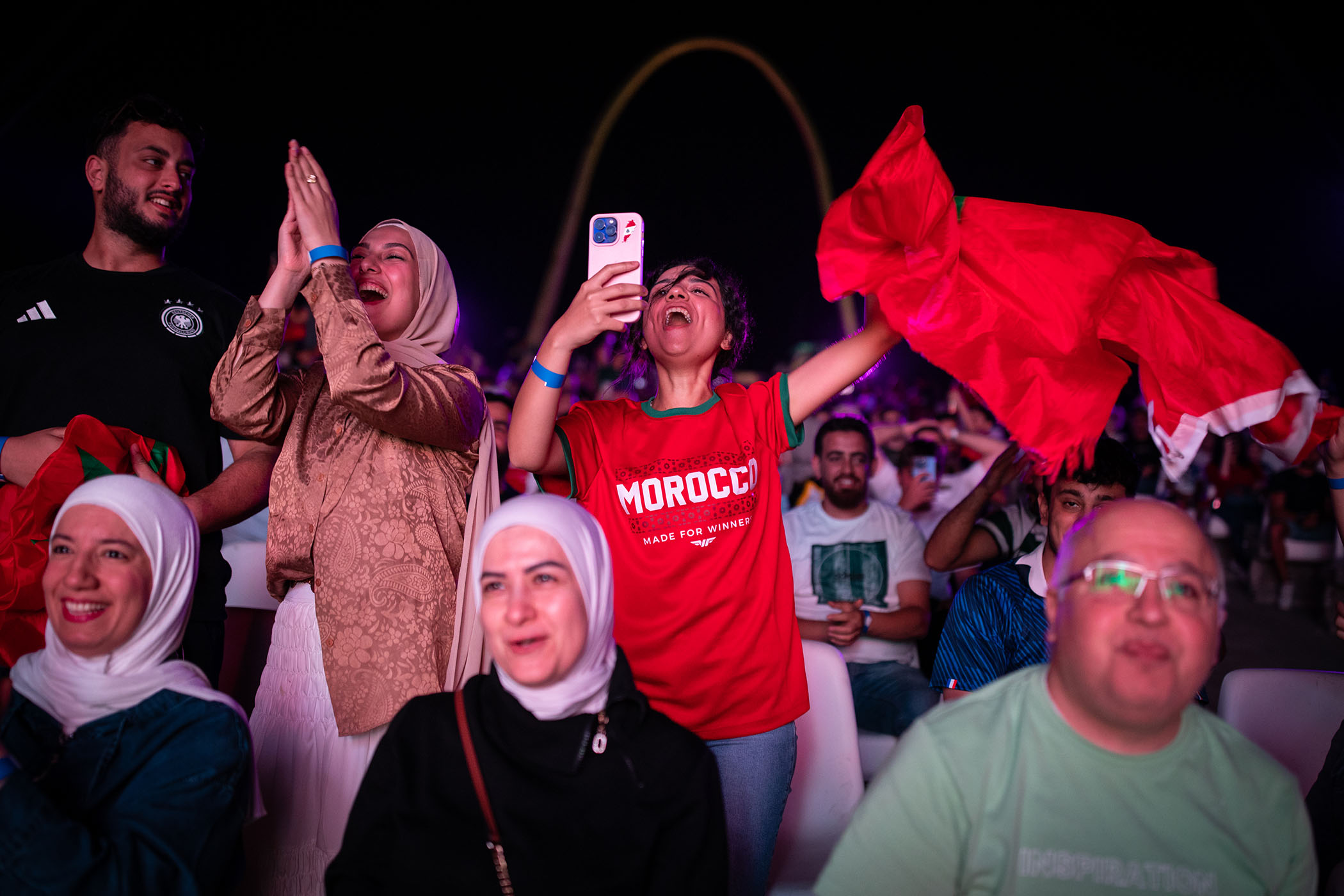
“I’ve been living in Grenoble for 36 years but I was born in Tripoli,” Hassan shouted over the music while tugging on his France football jersey. “I left Lebanon in 1990 because of the civil war, just two months before it ended. Of course, I’m supporting France but if Morocco wins it would be an honour to see an Arab country get this far.”
Sitting in the stands in front of the large screen with her four daughters, Mirna Iskandar sported the red and green shirt of Morocco and echoed Hassan’s pride for the north African nation. “I’m supporting Morocco as they are an Arab country, but my husband is a surgeon in Paris,” she said.
Israel’s war with Hezbollah has done little to dampen World Cup spirits. At the opposite end of the country from Tripoli, men and women gathered in the war-torn southern city of Tyre to watch Spain versus Belgium last week.
Tyre has been hit hard in the fighting, which erupted in March when Hezbollah fired rockets into Israel to avenge the killing of Iran’s supreme leader, Ayatollah Ali Khamenei. Despite this, families displaced from nearby villages flocked to the ancient Phoenician port for the game.
The scented smoke from hookah pipes wafted out of cafes and over the rubble of buildings flattened by Israeli airstrikes.
“Even though there is conflict we had to come,” said Zainab Isseioui, a 23-year-old student, sat with her family around a table holding Belgian flags. Isseioui was born and raised in Belgium but visits Tyre every summer. “We’re a little scared but people from the south of Lebanon are strong people,” she said. “Of course, I love Belgium but I feel Lebanese.”
At one cafe, The Observer met Hajj Ahmad, a member of Hezbollah’s media wing, accompanied by his 12-year-old son. Other young men who had gathered to watch the game had the battle-hardened, camera shy look of Hezbollah fighters. “It’s busier here in Tyre… as everyone has come to the city from their destroyed villages nearby,” said Ahmad.
He too had his favourite team: “I’m supporting Spain! I have been the whole tournament.”
The war has once again exposed Lebanon’s fractured unity. While Hezbollah fights in the south and predominantly Shia communities endure daily airstrikes, the Christian president and Sunni prime minister, with little leverage, have struggled to contain the conflict.
The Lebanese government is negotiating with the US and Israel to disarm Hezbollah and secure an Israeli withdrawal. But it is not a combatant, and Hezbollah is absent from the talks. For many in the south, that has reinforced the sense that the state has abandoned them, leaving Hezbollah as the only force resisting Israel’s occupation. Lebanon’s 2018 financial collapse, driven by corruption and fiscal mismanagement, cemented the view that the country’s ruling elites no longer work for the people.
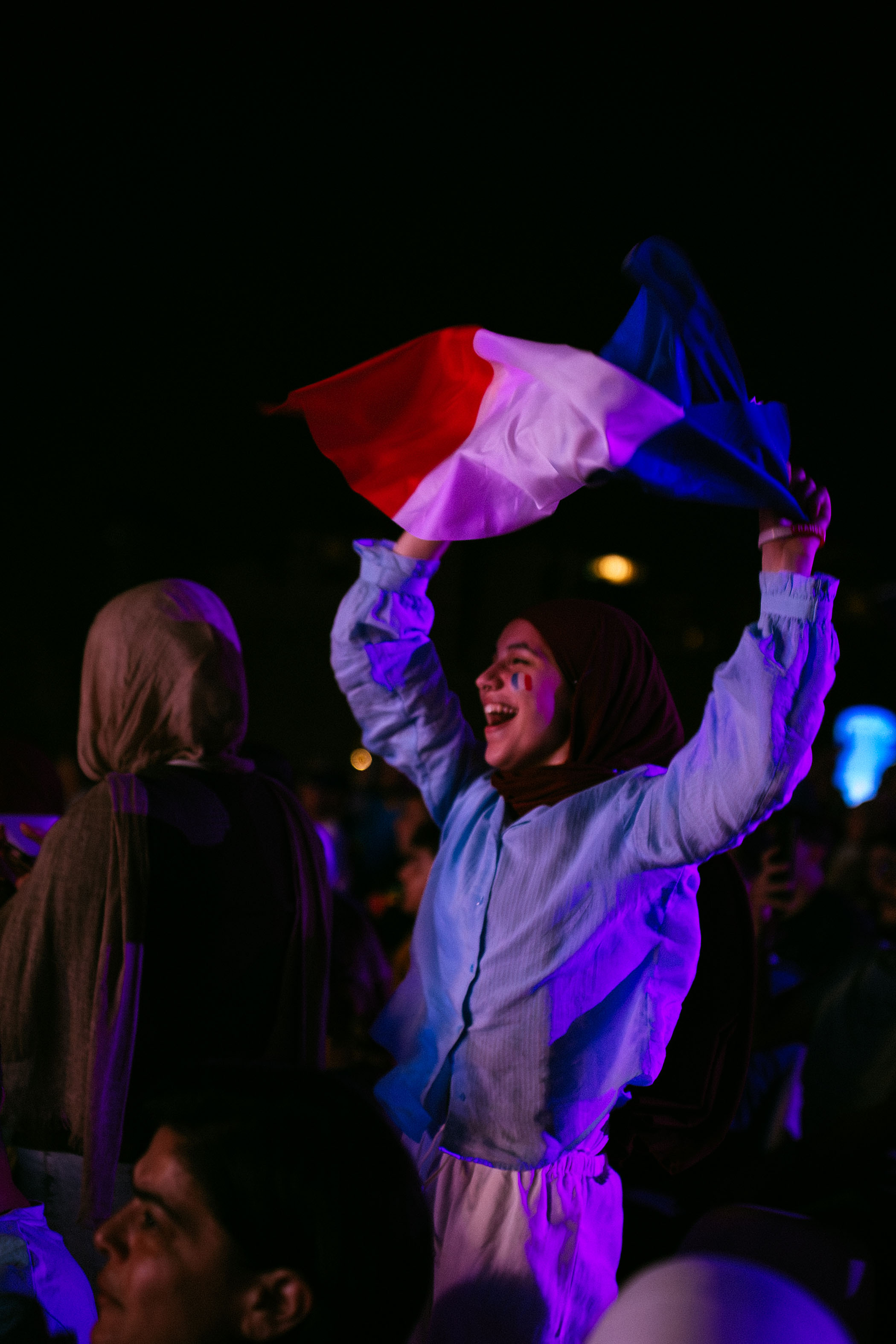
Like football fans the world over, that suspicion and contempt extends to the sport’s governing body. There was widespread anger when Gianni Infantino, the Fifa president, was awarded a Lebanese passport earlier this year. Infantino has been married to a Lebanese woman since 2001, but the country’s laws prevent women from passing nationality to their husbands or children. Most Lebanese were united in outrage at Egypt’s controversial defeat by Argentina last week, which prompted allegations of match-fixing across the Arab world.
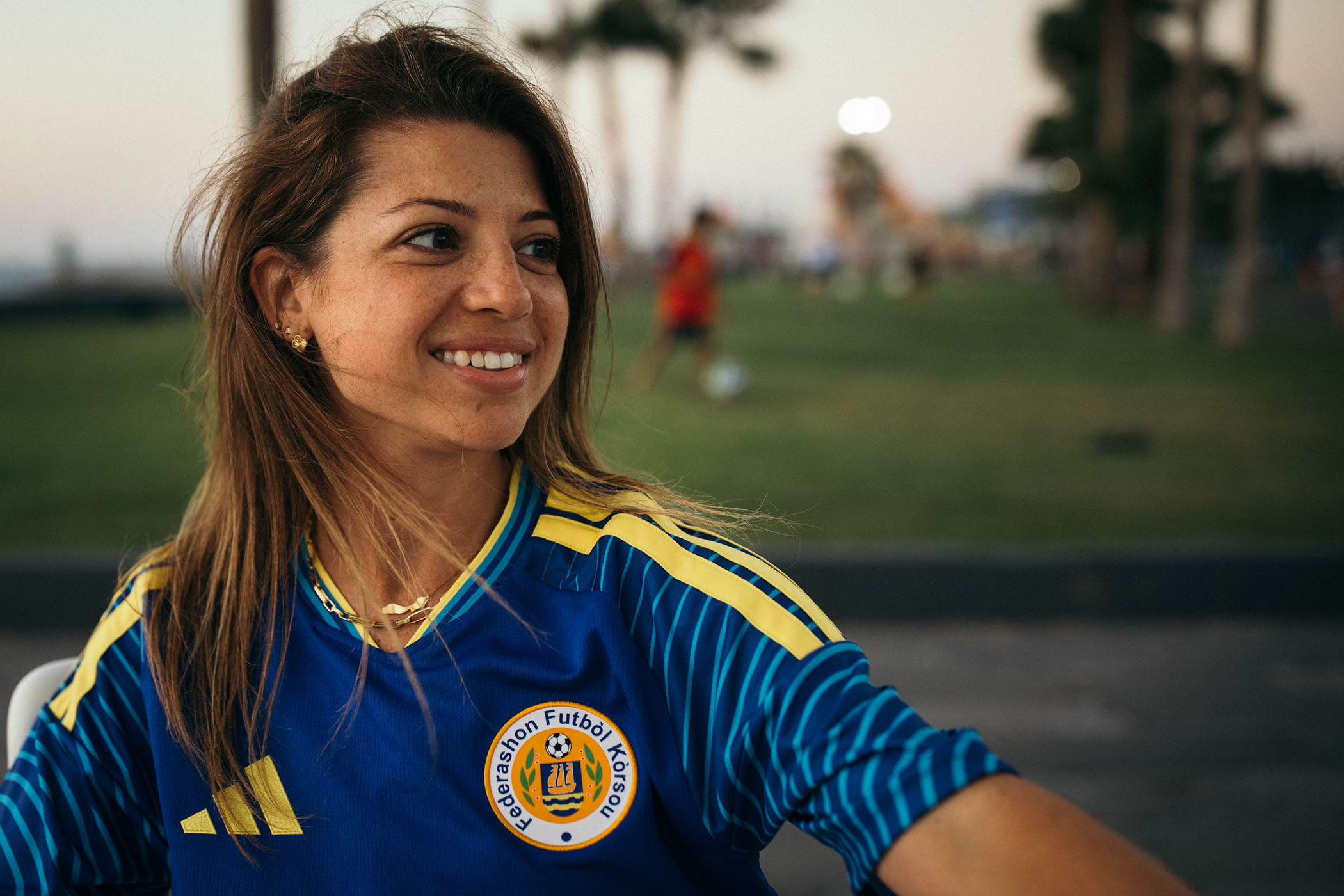
“The identity of Lebanon is separated, it’s fragments,” said Yasmin Hakim, a 38-year-old charity worker who was born and raised in Curaçao and watched the island’s three World Cup games with her family in Lebanon.
Hakim’s family’s story mirrors thousands here. Her parents grew up in Lebanon but fled the civil war in 1985 and joined her grandfather, who had moved to Curaçao in the 1930s. The family created a Lebanese community on the Dutch outpost.
‘I’ve lived in the UK, France and Lebanon, so I struggle to fit in. But the World Cup is something we can get behind in Lebanon’
‘I’ve lived in the UK, France and Lebanon, so I struggle to fit in. But the World Cup is something we can get behind in Lebanon’
“Growing up, I had an identity crisis… If it was Curaçao versus Lebanon, I’d probably go for Lebanon, but it’s tough,” she said, touching a gold necklace showing a map of the Caribbean island. “I was really proud to support Curaçao. Hearing the national anthem made me emotional. It’s a tiny, beautiful island making history.”
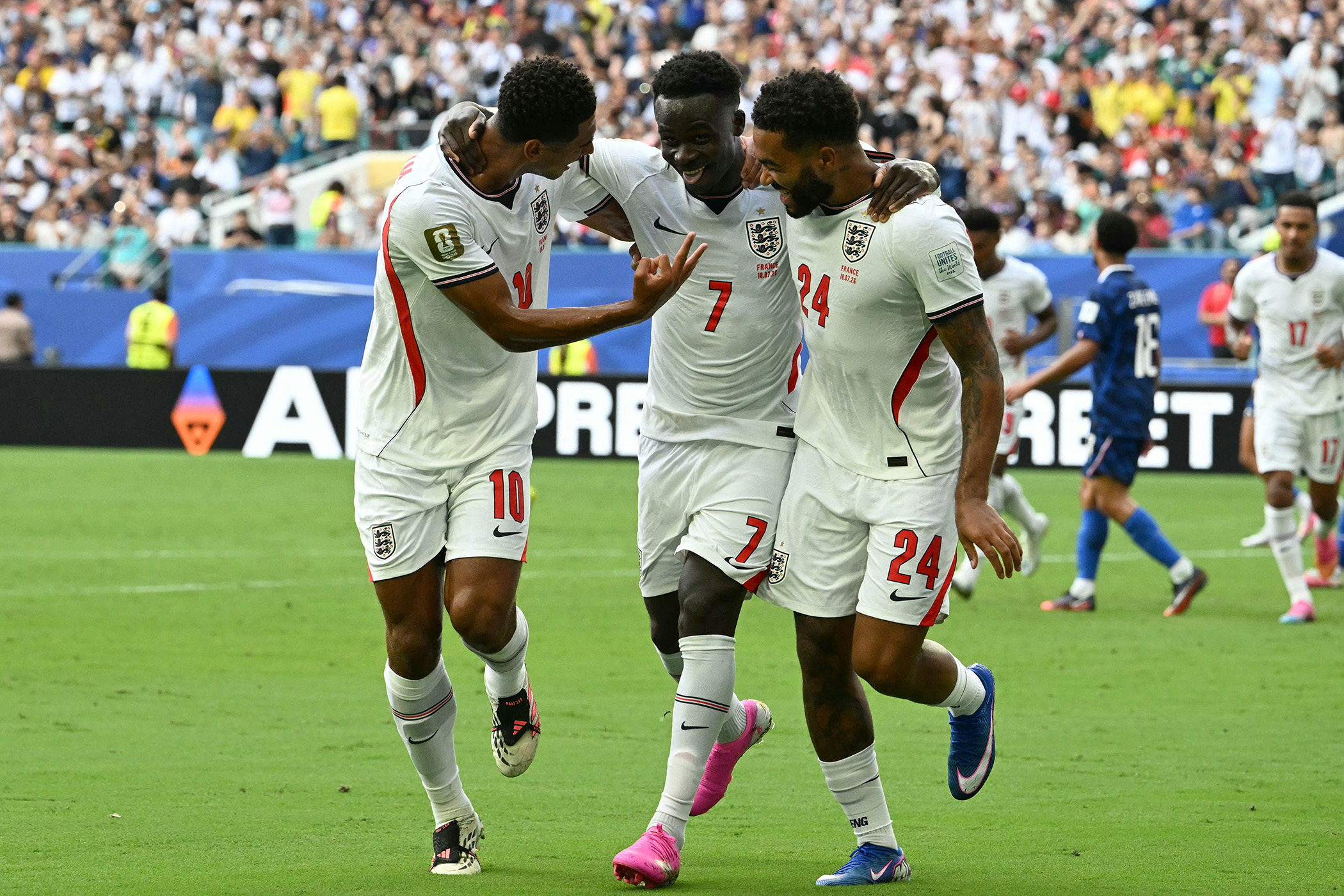
England’s march to the semi-finals thrilled Lebanese supporters of the Three Lions. In a packed Beirut bar at midnight, as England hung on to topple Norway in the quarter-finals last Saturday, Sami Grossman, whose father is from Brighton and mother from Lebanon, kept his eyes fixed on the screen.
“I’ve lived in the UK, France and Lebanon, so I struggle to fit in. But the World Cup is something we can get behind in Lebanon without talking politics or being sectarian,” the 27-year-old said between sips of his pint, sporting an England shirt with “Lingard” on the back.
“At every World Cup I’m with England as it’s a way to live vicariously through them, to feel at home.”