
A 35-year-old homeless man died in Ireland two weeks ago.
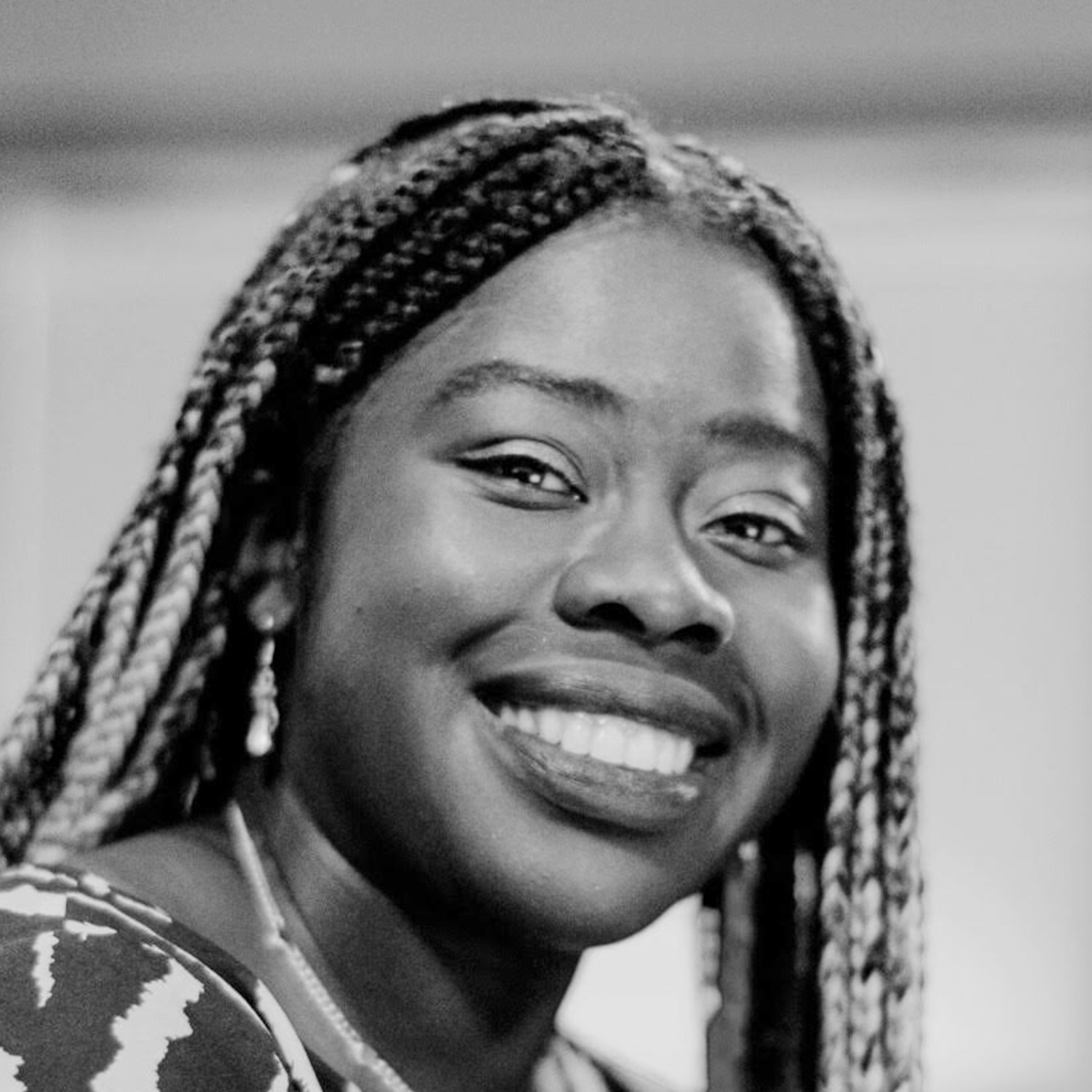
Yves Sakila, who emigrated from Congo to Galway as a child, was pronounced dead at Mater Misericordia University Hospital on 15 May. Earlier that day, a video circulated online of his last conscious moments. It’s easy to find if you go looking for it. Once you click, you’ll see a silhouette of a man, shouting in pain, as at least five security officers hold him down on Henry Street outside Arnotts, a popular department store. One appears to be kneeling on his neck. It’s reminiscent of the viral video of the murder of George Floyd, who died in eerily similar circumstances almost exactly six years ago in Minneapolis, Minnesota, sparking weeks of global protest.
Many have compared the cases of Floyd and Sakila. Some, especially on the right, are hyper-focused on both men’s previous drug use and criminal records. Floyd had spent many years in jail before his death, and the reason Sakila was restrained in the first place was that he was thought to have stolen perfume. For some of these online agitators, all crimes (real, imagined or alleged) committed by Black men can be justifiably met with a death sentence. Some have dehumanised Sakila in other ways. The Sunday Times, for example, introduced its report on his case by describing him as “a homeless addict and petty thief”.
Elsewhere, many have been more sympathetic to Sakila. Although his postmortem results are so far inconclusive, and the investigation the taoiseach has now called for has yet to come, some have described his death as a murder.
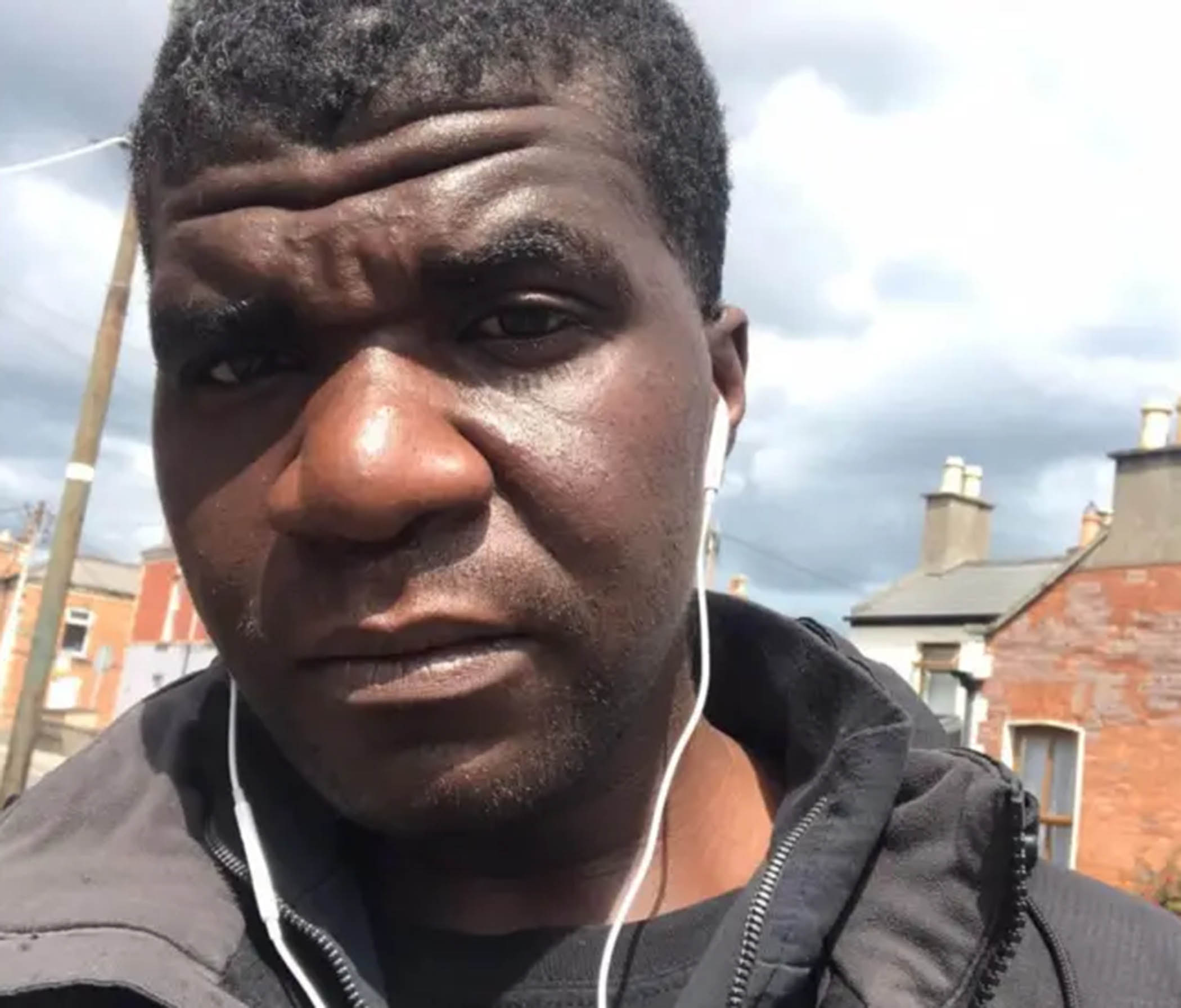
Yves Sakila
I first became aware of this story on social media. Love Island seems to have a propensity for casting Black people from one of two places – central London or the Republic – and several past Irish cast members were sharing posts about Sakila’s death. One influencer described what happened on Henry Street as a “modern day lynching” while others connected it to their own experiences of racism in Ireland.
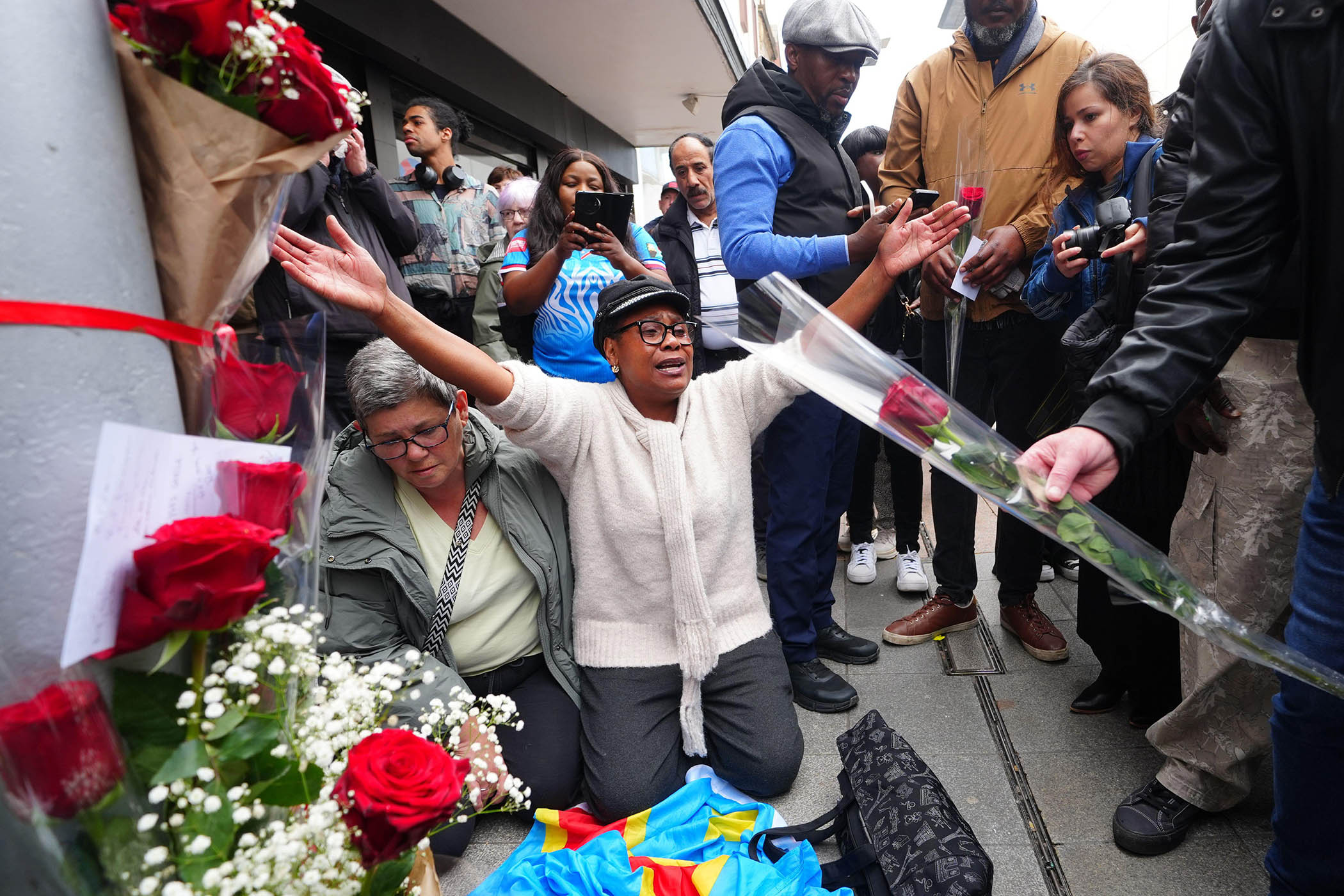
I followed along again on Instagram late last week, when a protest and vigil took place outside the Irish parliament. Hundreds of people were there, Black, white and Asian, making calls for Aontacht (which means “unity” in Irish) and Bomoko (which means “unity” in Lingala). But, as I continued to watch people giving speeches, it occurred to me that many more people were marching along this same street six years ago, when George Floyd was killed in America. Reportedly more than 5,000 took part in a rally in Dublin when he died in 2020. Barely 10% as many turned up for Yves. The similarities between the two men end when it comes to public outcry.
This type of disparity is apparent in the UK too.
In 2020, I spent three hours speaking to Ajibola Lewis. It was meant to be a short chat, one of several interviews I was doing for a long piece about Black Lives Matter protests, but I didn’t want to rush a grieving mother speaking about her son. Olaseni Lewis died aged 23 in a hospital in south London after 11 police officers restrained him for several minutes despite him crying out “I can’t breathe”. In the years that followed, several other Black men across the UK died after aggressive police restraint, including Kingsley Burrell, who died in Birmingham in 2011, Sheku Bayoh, who died in Scotland in 2015 and Rashan Charles, who died in London in 2017.
Inquest, a national charity which investigates deaths in state custody and supports bereaved families, says that, since 1990, 1,958 people have died during and following police contact in England and Wales, 10% of whom were Black. Black people only make up 4% of the general population. Inquest’s figures are slightly higher than those of the Independent Office for Police Conduct, which defines deaths in custody with narrower criteria and only records deaths that have been subject to an independent investigation.
Of the almost 2,000 deaths in custody since 1990, only one has resulted in a criminal conviction: in 2021 a constable was found guilty of manslaughter after kicking an ex-Premier League footballer in the head.
Newsletters
Choose the newsletters you want to receive
View more
For information about how The Observer protects your data, read our Privacy Policy
Bereaved families are continuing to fight for a sense of justice. In 2018, after years of campaigning, Lewis got parliament to pass the Mental Health Units (Use of Force) Act, otherwise known as “Seni’s Law”, to prevent the unnecessary use of force in English hospitals. And every year the United Families and Friends Campaign (UFFC), a coalition of bereaved families, marches on Downing Street to protest unlawful deaths in state custody. Yet if you ever go to one of these marches, it will become immediately obvious how small they are. How few people stand in solidarity with these families or are aware that unnecessary use of force and restraint is a homegrown issue too.
How is it that tens of thousands of people will march over a murder in the US but only a few hundred will march in solidarity after a killing on their doorstep?
I suspect education has something to do with it. Most British people learn something about America’s troubled history with race at school, and see elements of it depicted in popular entertainment, but Black British history is harder to come by. I would wager more people in Britain have heard about Rodney King than David Oluwale. Perhaps it’s easier to see the injustice when it happens in America, because people feel they understand the context under which it arose.
Perhaps it’s easier to speak out and show solidarity when something happens thousands of miles away and there’s no expectation for you to play a role in finding a solution.
Perhaps there’s also something to be said about the time we’re in now, six years after the death of George Floyd, when “anti-woke”, “anti-DEI” and pro “remigration” sentiments are more popular and widely espoused. Gone are the fever dream days of the pandemic when people posted black squares on Instagram in a bid to prove they weren’t racist. Now councillors write about turning Nigerians into pothole filler on Facebook.
In time, it will become clear whether Yves Sakila was unlawfully killed by Arnotts’ security officers. But thousands of British families may never get answers about what happened to their loved ones. This year’s annual UFFC march will take place in October. Will you go?
Photographs by PA/Alamy, courtesy Sakila family