Photograph by Suki Dhanda for The Observer
When German captives arrived at Trent Park, a country house in north London, at the height of the Second World War, they were greeted by Lord Aberfeldy, a one-legged Scottish aristocrat who admired Adolf Hitler. The prisoners didn’t realise that Lord Aberfeldy was an invention.
Many Britons will be familiar with Bletchley Park, home of the codebreakers who cracked Nazi Germany’s Enigma machine. They may not have heard of Trent Park, where another extraordinary wartime mission took place. But as the house prepares to open for the first time as a museum, the walls are finally ready to reveal their secrets.
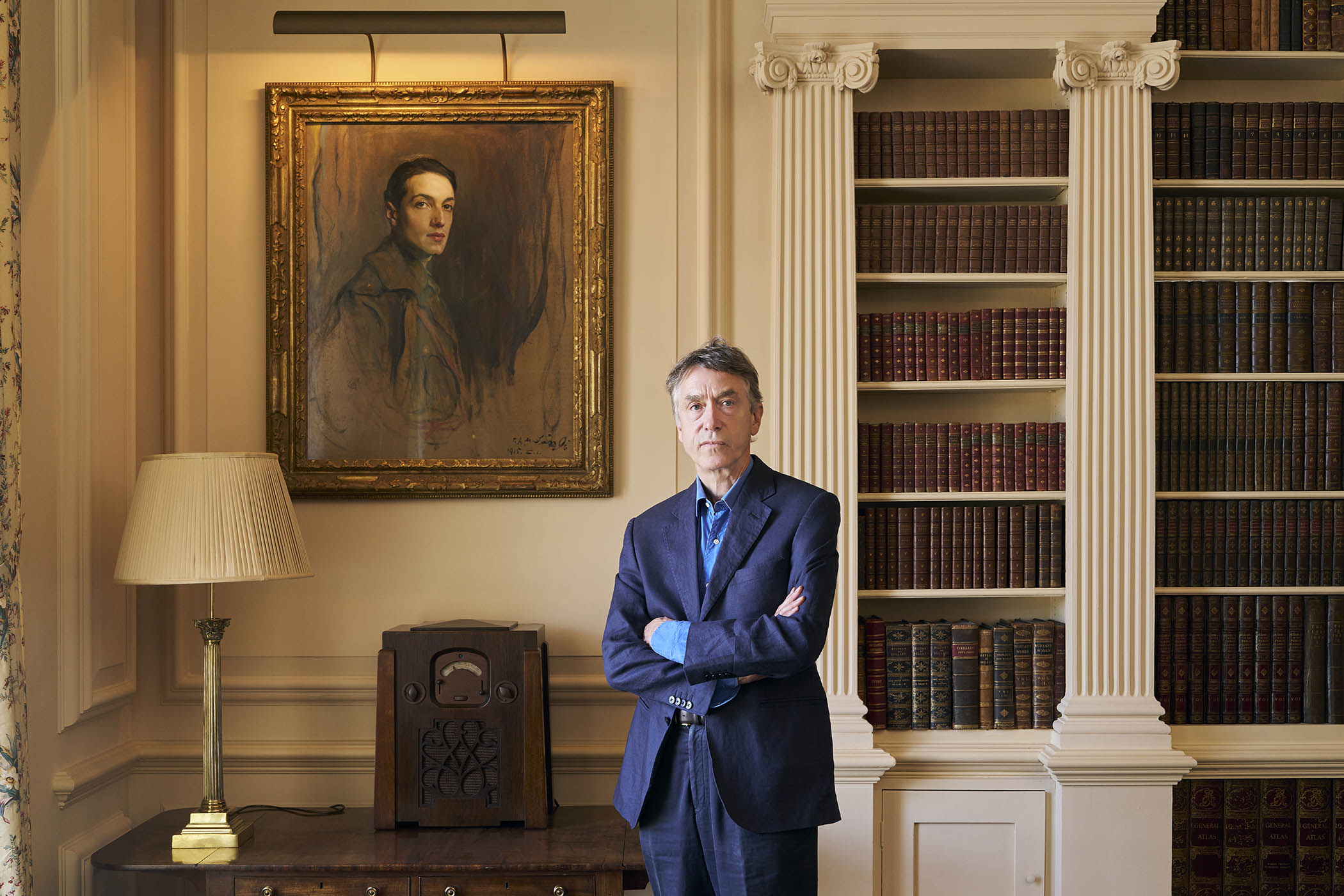
Trent Park stands on more than 400 acres of meadows, brooks and ancient woodland. The history of the land dates back to the 14th century, when it formed part of Henry IV’s hunting grounds, while the house began life as a small villa some 400 years later. It underwent several changes to become the grand pile that it is today, most notably under the auspices of Sir Philip Sassoon, a British politician and socialite who inherited the estate from his father in 1912.
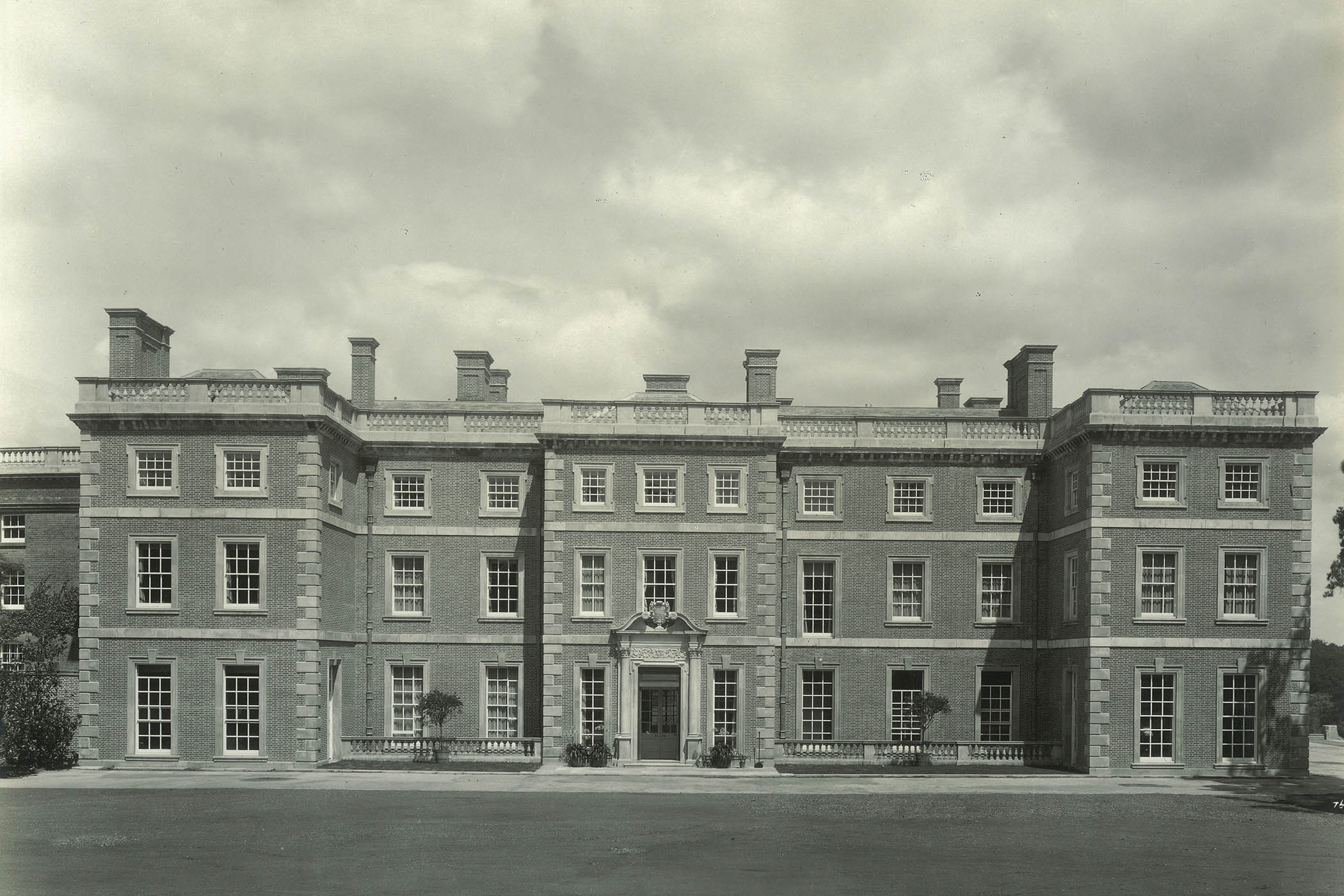
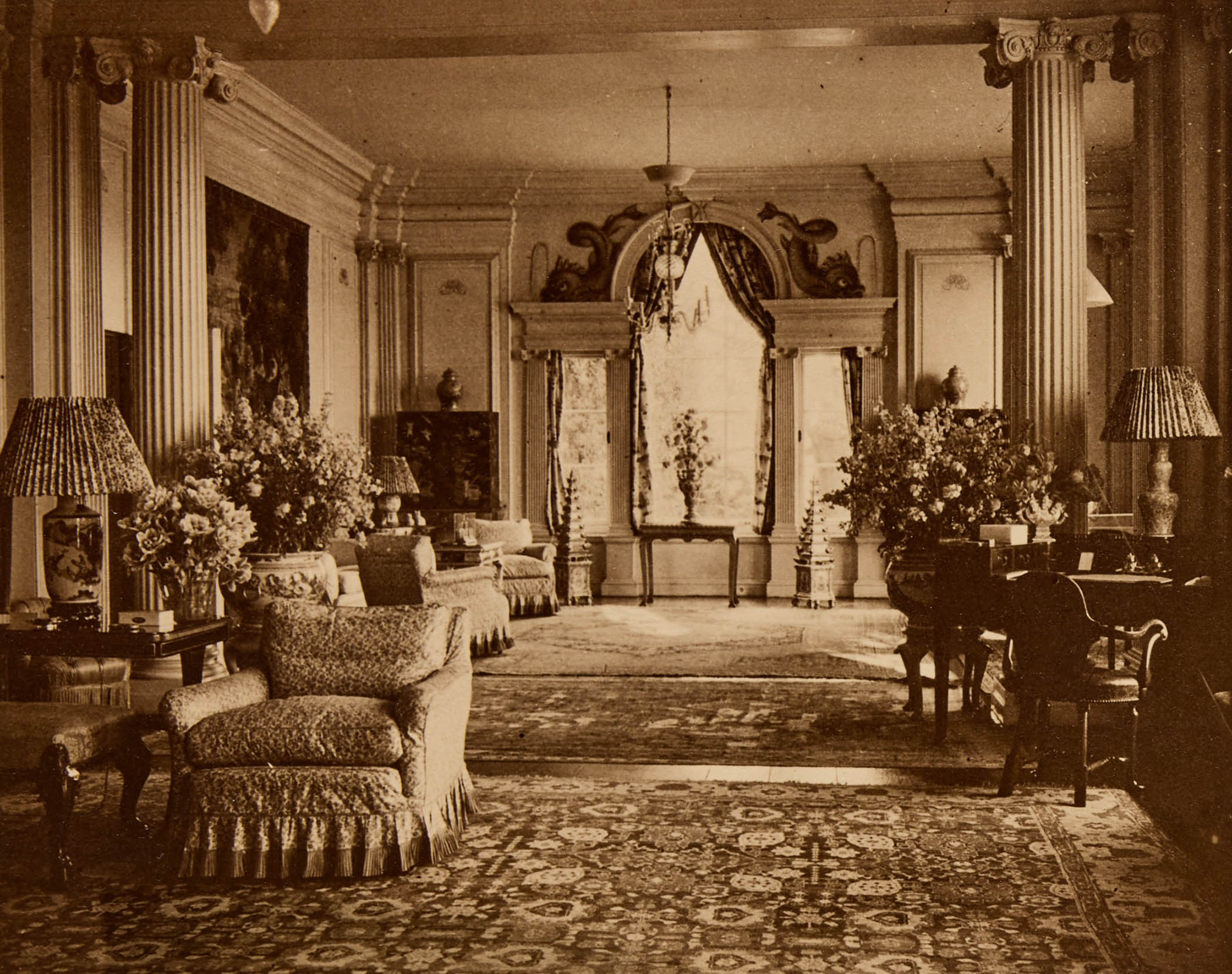
Born into one of the wealthiest Jewish families in Europe, Sassoon remodelled what he regarded as a drab Victorian house into a Georgian-inspired retreat where he kept black swans, penguins and flamingos, and hosted a dazzling array of politicians, royalty and society figures. Those who rubbed shoulders with the outlandish fauna included TE Lawrence (of Arabia), Edward VIII, Noël Coward, Fred Astaire and Charlie Chaplin, who called Sassoon “a picturesque personality, handsome and exotic looking”. One account describes Winston Churchill “arguing over the teacups” with the Irish playwright George Bernard Shaw.
For all of his generosity, Sassoon was fairly inscrutable. An obituary in The Observer memorialised his “acute sense of colour and his shrinking as far as possible from personal publicity”. This was perhaps because he was Jewish at a time when antisemitism was rife in Britain. “Perish Judah” was once painted in large letters on the walls of his estate.
What is known is that Sassoon was a strong advocate of Britain’s military rearmament, triggered by a secret meeting in 1933 with Hitler’s right-hand man, Hermann Göring.
“I was told that Philip was responsible for all the extra airfields that had been made in the 1930s,” said Lord Cholmondeley, Sassoon’s great nephew and keeper of the family archives. “These were crucial to victory in the Battle of Britain and building up the strength of the air force. So he did his bit before the war.” Sassoon never saw the war he feared. Having ignored orders to rest after a viral infection, he died from pneumonia at the age of 50 in June 1939. A few months later, the government requisitioned his beloved home.
With an unlimited budget, British intelligence stripped out much of the furniture and transformed Trent Park into a surveillance centre to gather information from German prisoners of war. Tiny microphones were hidden in walls and light fittings, on trees and plant pots, and even under the billiards table. A system of wires led to the basement of the house where a team of about 100 secret operatives, mainly German-speaking Jewish refugees, transcribed every word.
“There were interrogation rooms,” Cholmondeley said. “But when the interrogations were over, the prisoners of war thought: ‘Right, that’s finished.’ Then they spilled the information, especially after a few drinks. They were supplied with cognac.”
Newsletters
Choose the newsletters you want to receive
View more
For information about how The Observer protects your data, read our Privacy Policy
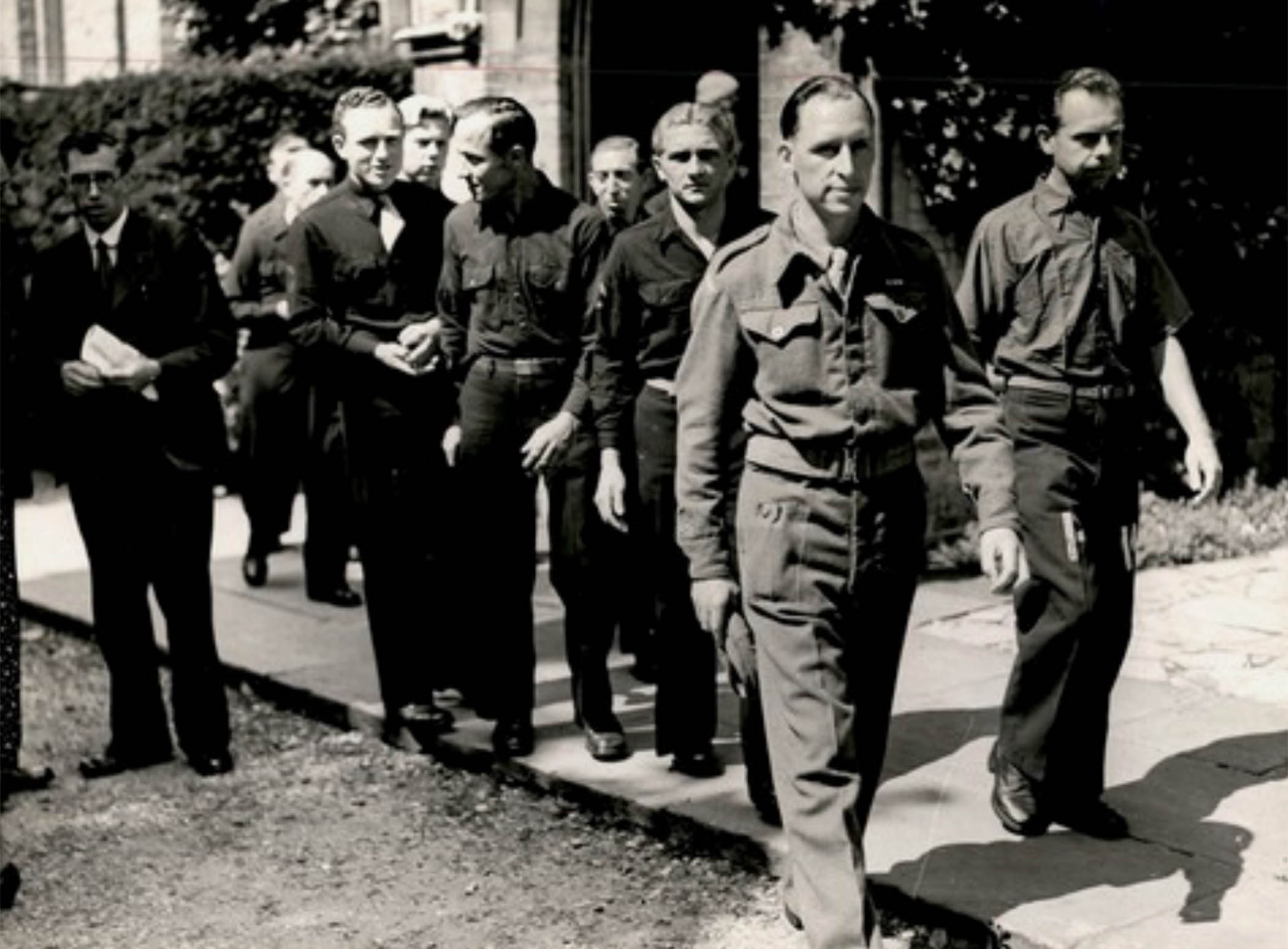
A key element of the deception was the setting. If they ignored the barbed wire and watch towers, the prisoners could be lulled into thinking they were on holiday. “Every day we saw the same faces, the same English countryside, the same sky,” one high-ranking German officer said of his experience at Trent Park. “We read, we played, we wrote, we meditated day after day as if there were nothing more natural in the world.”
The prisoners, who included 59 of Hitler’s top military commanders, were concerned about surveillance. But they frequently let their guard down or underestimated the sophistication of any suspected operation. One day, a pair of cellmates leaned out of a window to speak more freely, only for what they said to be picked up by a microphone hidden on an outside wall.
British operatives took an active approach to generating conversation. Prisoners with opposing viewpoints on the Nazi party were roomed together, while “stool pigeons”, men who posed as fellow inmates, often entered the fray. The most committed deception was that of Ian Munro, a former bank clerk who disguised himself as a Scottish peer, Lord Aberfeldy, complete with kilt and pictures of his castle. He took the Germans on trips to London, buying them shaving cream and socks, and got so into his role that he refused to drop the act when off duty.
The Trent Park operation, which bugged 3,000 prisoner of war conversations, saved countless lives. Military jargon used by inmates provided intelligence on how to decrypt Enigma, which was sent on to Bletchley. A fake news report was planted in the living quarters to elicit crucial revelations about the weapons capabilities of the Nazis.
“There was a moment when the prisoners said: ‘Just wait until those rockets land on London,’” Cholmondeley said. “That prompted the discovery of the factory for the V2 rockets [the first long-range ballistic missiles]. So the Allies were able to bomb the factory.” It was high-stakes and often painful work. Jewish secret listeners with families back in Germany overheard some of the earliest accounts of the Holocaust. Dietrich von Choltitz, a Nazi officer, admitted in one conversation: “The worst job I carried out was the liquidation of the Jews.”
After the war, Trent Park became a teacher-training college for ex-servicemen and then part of Middlesex University before being sold off and falling into disrepair. “I grew up 10 minutes away and had no idea about its wartime history,” said Jason Charalambous, who spearheaded the campaign as a local councillor to repair the house and turn it into a museum. “When I was elected, retired people would take me around pointing out park benches I needed to replace. Then I saw the house and they were like: ‘Don’t you know this is where we won the Second World War?’ I was like: ‘Bloody hell, we need to do something about this.’”
It has been a 12-year slog to open the museum, with some work ongoing. The task might have been impossible without Country Life magazine, which published black-and-white photos of Trent Park in 1931, used as reference points to restore the house; without Lord Cholmondeley, who has loaned much of Sassoon’s original furniture to the estate; and without two secret listeners, Fritz Lustig and Eric Mark, who were involved in efforts to save the house before their deaths in 2017 and 2020 respectively.
Opening on Tuesday, Trent Park House of Secrets will take visitors on an immersive journey through two successive periods, with the ground floor interiors resembling the house as it was during the life of Sassoon, and the subterranean rooms restored to what they may have looked like during the war. Charalambous’s hope, based on the example of Bletchley, is that interest in the museum will trigger more research into the many lives of Trent Park, as well as the crucial role that Jewish refugees played in discovering the secrets of their tormentors.
What are your thoughts on this? Send us a letter to letters@observer.co.uk
Photographs courtesy of the House of Secrets