This investigation is available as a 4-part podcast series, The Lab Detective, from Tortoise Investigates. Listen to the first episode here.
Kathleen Folbigg has suffered unimaginable tragedy in her life. Over the course of a decade she lost not just one, but four of her infant children. They all died, suddenly, in their sleep.
Her first child, a boy called Caleb, stopped breathing when he was just 19 days old. The second, Patrick, was pronounced dead at eight months, and the third, Sarah, was found blue and motionless when she was 10 months old. The fourth child, a daughter called Laura, fell asleep for a morning nap at 18 months old and did not wake up.
There is a heartbreaking recording of the frantic call Folbigg made to the emergency services after Laura died. She tells the operator: “My baby’s not breathing … I’ve had three go already.”
Then Folbigg was accused of killing her babies. She remembers the moment a police officer knocked on the door of her home in eastern Australia. “As soon as I saw him, my face dropped – and then I thought ‘you’re not serious’,” she says. Her confusion soon turned to terror.
In 2001, she was charged with murder. “I was grieving, and in shock,” she says. “I wasn’t really concentrating on what the police were doing. It was a case of waking up and deciding whether you were going to survive that day or not.” She assumed the truth would prevail and she would be found innocent. “I was believing wholeheartedly that the system was going to do the right thing. It was a great naivety, which I no longer have.”
Still protesting her innocence, Folbigg was sentenced in 2003 to 40 years in jail for the murder of Patrick, Sarah and Laura and the manslaughter of Caleb. She was 35. “When I was found guilty, I fainted. I collapsed and they had to wait until I was conscious before they could lead me downstairs. After that, I just switched off.” On a recent visit to London she found it impossible to take the Tube. “I couldn’t – when you’re found guilty you go underground into the cells.”
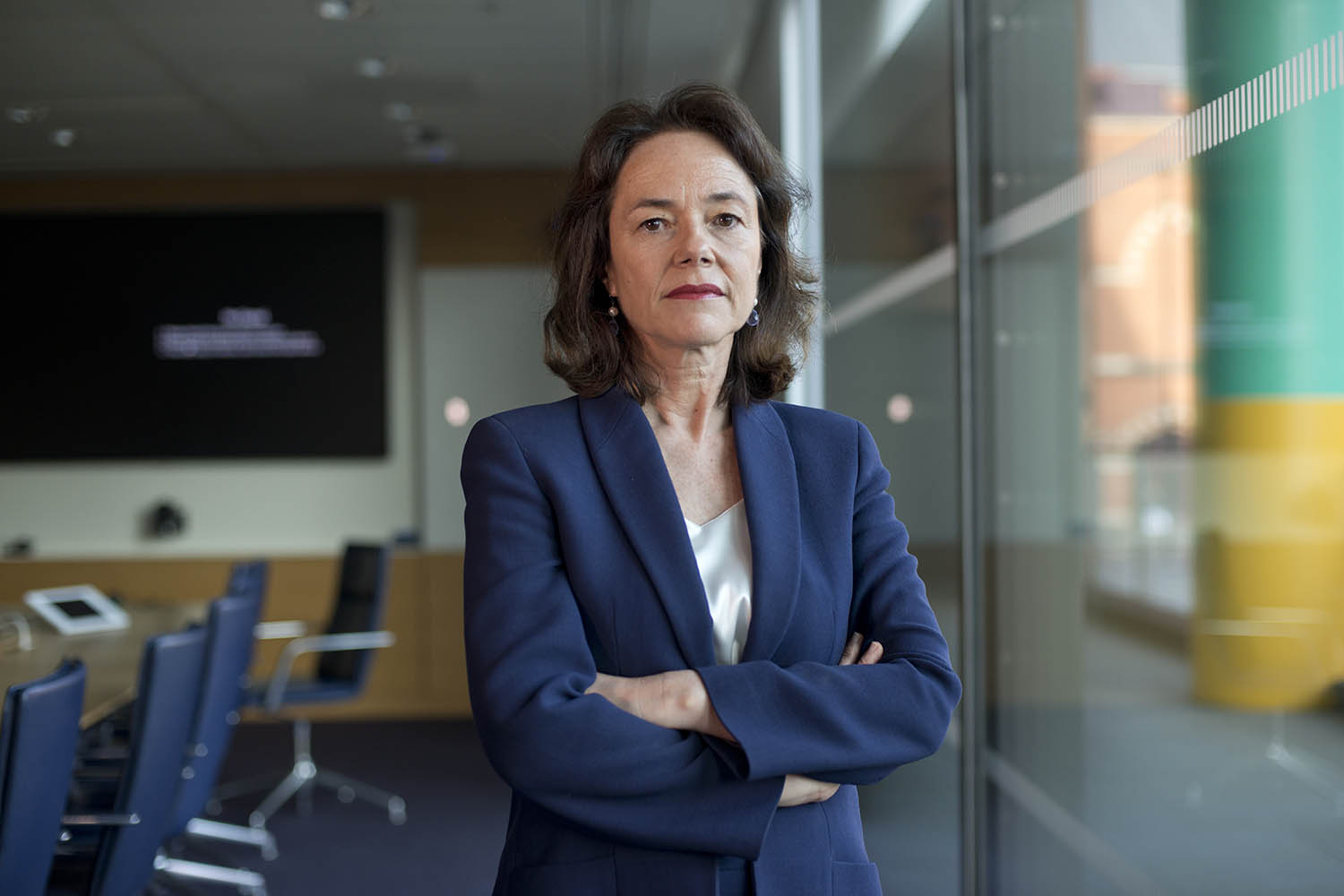
‘Here I am saying I didn’t do anything, I haven’t killed my children, yet I passed on a gene that did’
‘Here I am saying I didn’t do anything, I haven’t killed my children, yet I passed on a gene that did’
Kathleen Folbigg
In jail, she was put into solitary confinement for her own protection. “When you’re going into prison for something like that it’s dangerous. Other inmates, if they get their hands on you, are likely to do some serious damage. You get called a child killer, you’re on the lowest rung other than a paedophile. I was pretty much isolated but that didn’t stop the verbal and psychological abuse.” She refused to accept the verdict, but for decades all appeals failed.
That is, until a scientific breakthrough – and a life-changing intervention. Folbigg was eventually exonerated after genomic sequencing revealed that she was carrying a previously undiscovered genetic mutation that could cause heart problems. She had passed it on to two of her children, which meant it was likely that they had, as she said all along, died from natural causes. In 2023, she was pardoned, her conviction was overturned and she was released from jail.
Australia’s “worst female serial killer” had become the victim of its greatest miscarriage of justice.
It is an extraordinary case. Folbigg spent 20 years in prison for a crime she did not commit, until cutting-edge science was able to prove her innocence. But this is not just a historical mystery from the other side of the world – it is also a story with contemporary implications for criminal justice systems everywhere.
In medicine, genetics has ushered in an extraordinary “new age of cures”. Gene-editing techniques are able for the first time to eliminate rather than just treat disease. Personalised drugs, preventative treatment and predictive diagnosis are transforming healthcare. We are entering a new era of justice through genomics. Genome sequencing is about to join fingerprinting and DNA profiling as an essential tool of the courts, allowing investigators to discover an innocent explanation for sudden deaths. And, as in Folbigg’s case, it has the power to cut through a pervasive myth that has skewed the law against new mothers.
The more I studied the Folbigg case for a new investigative podcast series, The Lab Detective, I realised that it was part of a troubling pattern of women falsely accused of murdering their children. There is something particularly emotive about these cases. Mothers are supposed to be nurturing, loving, selfless. Those who appear to transgress these ideals have been an endless source of fascination and fear – all the way back to the Greek myths and Medea, who murders her own sons in revenge against her husband.
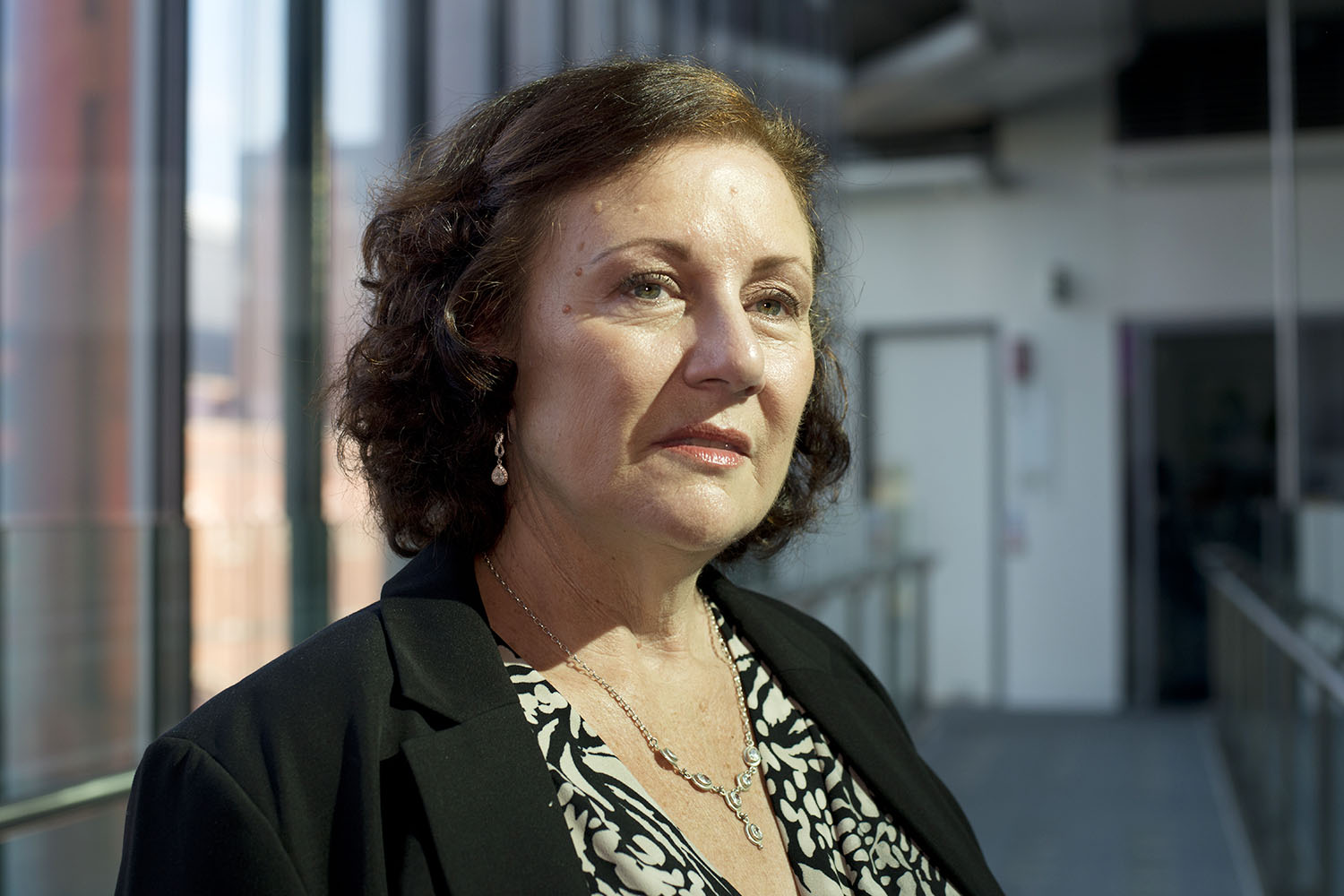
Exonerated: Kathleen Folbigg, who was sentenced to 40 years in prison
Emma Cunliffe, a law professor at the University of British Columbia who studied the Folbigg trial for her book Murder, Medicine and Motherhood, thinks miscarriages of justice are particularly common in these cases because the “emotional resonance of the horror associated with the notion that a mother could kill her children” overwhelms “more rational questions about the sufficiency of the proof of that allegation”. Until the more recent breakthroughs in science, a prosecution could offer a clear narrative: a murderous mother, while the defence could often only offer “sudden unexplained death”.
Cunliffe believes more than two dozen mothers globally have been wrongly accused of murdering their children over the last 40 years. Four of them are from the UK.
In 1998, Donna Anthony was jailed for the murder of her two babies. The following year, Sally Clark was found guilty of killing her two infant sons and in 2002 Angela Cannings was convicted for the murder of her seven-week-old boy. In 2003, Trupti Patel was charged with murdering three of her children, then acquitted. Her grandmother testified that she too had lost multiple infants. It was the first time the court seriously considered that genetics could have played a part.
Helena Kennedy, the barrister and Labour peer, recalls the atmosphere surrounding these trials. “There was a hell of a lot of misogyny around, judging women on the basis of whether they were the right kind of women.” When Sally Clark, a solicitor from Wiltshire, took the stand “the first question asked of her was about her career. The suggestion was being made that she was a career woman and therefore she wasn’t made for motherhood,” Kennedy says. “It was a sort of poison in the courtroom.”
The statistical evidence was bent to support the idea of the murderous mother. A British paediatrician called Roy Meadow testified as an expert witness at several of these trials. He developed the mantra that “one sudden infant death is a tragedy, two is suspicious and three is murder until proved otherwise”. It was a statistical nonsense, which ignored the possibility of a genetic connection between the deaths. Eventually it was discredited in the UK and the women were exonerated.
Yet Meadow’s law, as it became known, resurfaced in the Folbigg trial in 2003. The prosecutor compared the chance of four children dying of natural causes to the likelihood of pigs flying. A “toxic dogma” took hold that one infant death is “unfortunate, two is a tragedy, three is suspicious and four is definitely murder”, Folbigg says. “Was I surprised by the time the trial was over that it didn’t go well and I was found guilty? No. It was all set up and designed to be that way.”
The prosecution case was that Folbigg had smothered the children to death. There was no physical proof that she had caused them harm but the verdict seemed pre-determined. Folbigg was labelled “Australia’s most hated woman”. Her family and friends abandoned her and her husband, Craig, testified against her. Every word and gesture was splashed across the front pages. “There’s supposed to be this ideal mother who stays at home and looks after their children, so that the children’s needs are met 150%, the husband’s needs are met 150% and the wife’s needs are not met at all,” she says. “If you have someone who works or might like to go for a dance with some girlfriends every now and then, or goes to the gym because they want to be healthy, that’s not fitting this ideal mother picture. I did all of those things, therefore I was not an ideal mother.”
Newsletters
Choose the newsletters you want to receive
View more
For information about how The Observer protects your data, read our Privacy Policy
Folbigg had kept diaries since an early age. It was something that had been recommended by a psychologist after a difficult childhood. She had been taken into care after her father murdered her mother in the street in a drunken rage, stabbing her 24 times with a carving knife. As a toddler, Folbigg was placed with a foster family. The journals had always been her way of trying to process her life, and when her children died she confided her deepest fears and frustrations in their pages. “There was nothing organised or sensible about them – it was an outpouring of emotions,” she says. In the trial, the diaries were used against her, with a few carefully selected sentences taken out of context. Folbigg had described how her daughter Sarah had gone “with a little bit of help”. “I was referring to God […] That was weaponised. The whole thing was circumstantial. They relied on the diaries to create a so-called window in my mind, that this is the sort of person that I am and it was all totally wrong.”
Then, in 2018, 15 years after Folbigg was sent to jail, another kind of detective came into her life. Carola Vinuesa had nothing to do with the criminal justice system. She was a geneticist who spent her days combing through DNA samples looking for clues that might reveal hidden truths. She now leads a team at the Francis Crick Institute, the world-renowned research centre in London, but at the time was working in the immunology department at the Australian National University in Canberra. A former student, who had since qualified as a lawyer, got in touch and told her there was something not quite right about the Folbigg case. Experts had started to raise questions about why the family’s medical history had not been properly considered. He asked whether there could be a genetic explanation for the children’s deaths.
Vinuesa’s speciality is rare diseases, and when she studied the medical records and death certificates, she thought there was a real possibility that the children could have died from natural causes. One of the infants had been diagnosed with a floppy larynx, and one of the girls had inflammation of the heart muscle. Either condition could contribute to the sudden death of an infant. Folbigg herself had suffered strange fainting episodes that might have been linked to a genetic heart condition. Vinuesa agreed to get involved. “Sometimes I think I would like to have been a detective,” she says.
Since Folbigg’s conviction, there had been astonishing developments in genetics. In 2003, the year of her trial, the entire human genome was sequenced for the first time. It was the genetic equivalent of mapping the world, and opened the door to new ways of diagnosing and preventing disease. It also made it possible to identify potentially life-threatening conditions that might be able to explain things such as sudden infant deaths. In the intervening years, the cost of full genome sequencing dropped dramatically and scientists developed sophisticated techniques for analysing the results.
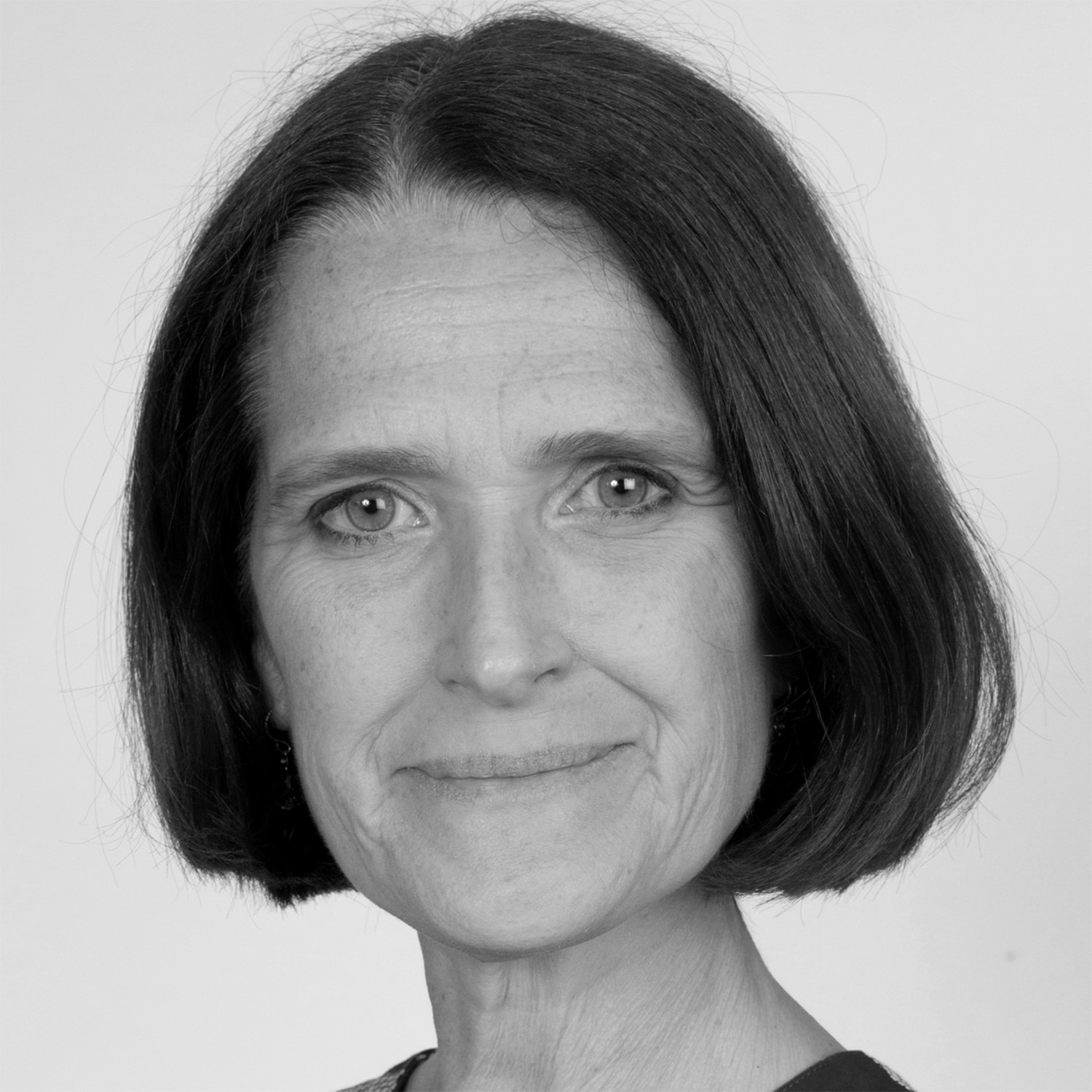
‘Sometimes I think I would have liked to be a detective’
‘Sometimes I think I would have liked to be a detective’
Carola Vinuesa
Vinuesa arranged for a colleague, Todor Arsov, to take a saliva sample from Folbigg in prison, using a cotton swab on the inside of her cheek. Her lab extracted the DNA and sent it off for sequencing. When the results came back, Vinuesa and Arsov immediately spotted something strange: a mutation in the Calm2 gene, one of three in the calmodulin family which help regulate the heart’s expansions and contractions. Folbigg’s was a new variant, but other mutations had been associated with severe cardiac disorders and sudden death in infancy. “It was a eureka moment,” Vinuesa says.
The next step was to run genetic tests on the children. This was not easy when they had been dead for years. In two cases the DNA had to be extracted from the tiny amounts of blood taken with a heel prick soon after the babies were born. Remarkably, decades on, the DNA was of a sufficiently high quality for whole genome sequencing to be carried out. The lab detectives found that two of the infants had the same potentially lethal genetic mutation as their mother.
It was a breakthrough in the case, but for Folbigg it was bittersweet. Vinuesa recalls breaking the news to her in prison. “When I first told her on the phone that we had found a variant that she carried and we thought it could explain the death of her daughters I remember her saying, ‘You know what, I killed my children after all, it was me that passed this variant.’ And for her that was quite upsetting.”
Folbigg admits it was a struggle to come to terms with the discovery. “It was a double-edged sword for me because here I am saying I didn’t do anything, I’m innocent, I haven’t killed my children, and yet I passed on a gene that did. I had a lot of soul searching,” she says. “You can’t help your genes, though, you can’t help what you don’t know, so I had to settle with that.”
It took another five years for the legal process to catch up with the science. Vinuesa kept building the evidence, enlisting dozens of other scientists from around the world to explain that the children could have died because of the genetic variant. She found a biochemist in Denmark to run tests on the mutation in a synthetic cell. The results demonstrated that Folbigg’s Calm2 variant was as lethal as other calmodulin mutations that had caused sudden death early in life. Vinuesa was not being paid for this work but she refused to give up. “In a case like this, where you feel there’s been a miscarriage of justice and that science can solve it, I couldn’t stop just because the judge didn’t find the evidence convincing. As a scientist you think: OK, how can it be more convincing? What else can we do?”
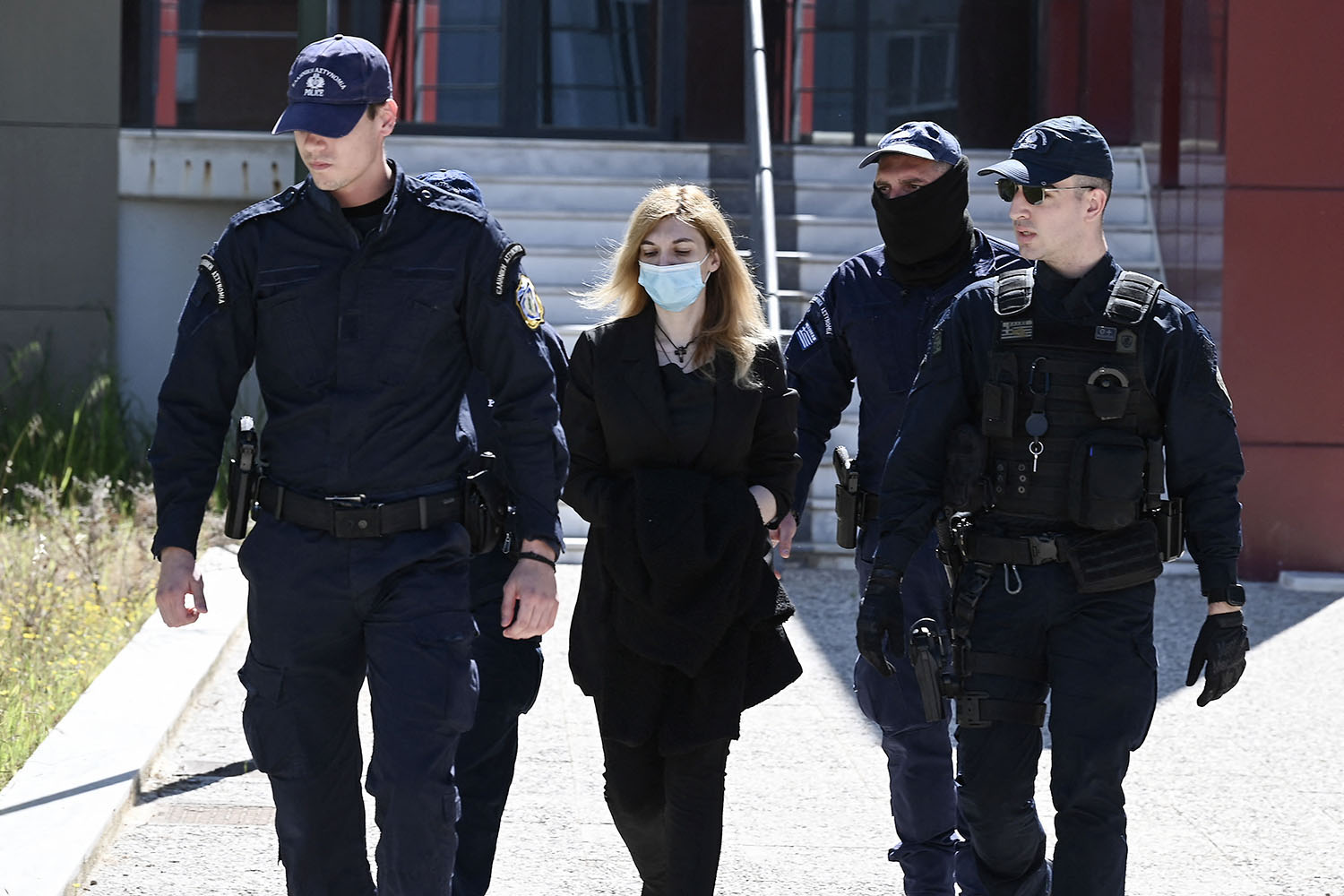
Unsafe conviction? Greek mother Roula Pispirigou, prosecuted over the death of her three daughters
When I met Folbigg in London earlier this year she was remarkably pragmatic about her experience. She says she feels “vindicated” but refuses to be vindictive about those who sent her to jail. “I’m 58 this year, I don’t have time to be angry about it. I’ve got too much catching up to do and experiences to have, things that I’ve missed out on that I’m getting to do again.” But she worries that the lessons have not been learned from her case. “If you’re going to accuse a mother of killing their children, the first thing you should do is make sure there is nothing genetic going on…It can happen to anybody. This is not something selective. It happened to me, it could happen to you.”
Vinuesa fears that history could even now be repeating itself. There is another woman, serving three life sentences for murdering her children, who experts think could be the victim of a miscarriage of justice. Roula Pispirigou, who comes from a small village on the coast of mainland Greece, insists she is innocent, but in 2024 she was sent to jail for killing her nine-year-old daughter Georgina by poisoning her with a lethal dose of ketamine. Then in March this year she received two additional life terms, for suffocating her two other children – Malena, who was three when she died in 2019 and Irida, who was six months old in 2021.
When I went to Athens to investigate, I found striking parallels with the Folbigg case. It was only when the third child died that sympathy turned to suspicion and the original findings – that the other children had died of natural causes – were overturned. Throughout the trial, Pispirigou was portrayed as unmotherly and unnatural. Greek newspapers labelled her a “modern-day Medea”. At one court appearance she had to wear a bulletproof vest in case someone in the crowd attacked her.
Vasso Pandazi, Pispirigou’s lawyer, says the ghost of Roy Meadow and his bogus statistical theory stalked the trial. “Greek society is very misogynistic,” she says. “We cannot forgive the mistakes of a mum… She’s the murderer. We want to find the monsters around us in order not to see the monster inside.”
As in the Folbigg case, each of the children had complex health conditions. Pispirigou herself has lupus, which can cause damage to the embryo in the womb. Vinuesa believes there could be a genetic condition that explains the deaths. In her view, the possibility should at least be explored.
Giving evidence as an expert witness at the trial, she urged the court to allow full genomic sequencing of Pispirigou and her children. Her advice was ignored. A basic genetic test had been conducted, but not the comprehensive analysis of the sort that uncovered the Calm2 gene in Folbigg and her children. “When you have three deaths in a family, one of the most likely explanations, if it’s not murder, is that there is a shared condition,” Vinuesa says. “It was surprising that they wouldn’t take up the advice to do a full genomic investigation. It’s frustrating that in the legal system there is this reluctance to try and go deeper and get all the information out there.
“I’m not going to say whether she’s innocent or guilty. From the evidence that we’ve heard it is possible, and in my opinion likely, there has been a miscarriage of justice.”
Other scientists have concerns. Peter Fleming, a renowned paediatrician and leading expert in sudden infant death syndrome, contributed to Vinuesa’s report for the Greek court. He too believes Pisprigou could be innocent. “None of [the children] had any signs or symptoms to suggest they’d been suffocated. Absolutely none. And I just don’t know how you suffocate a three-year-old without leaving marks.” He finds it “appalling” that full genomic sequencing has not been carried out when a woman is in prison for murder.
Pispirigou’s lawyers intend to make a formal request for full genomic sequencing when her appeal goes to court in January. Meanwhile, Vinuesa is not going to give up. She suspects there are other cases of mothers wrongly imprisoned for murder. “I can’t put a number on it, but we do get approached by quite a few around the world, sadly. There are many more than I thought there would be and it’s sometimes a little bit overwhelming because you know that many of these cases won’t be looked at in any depth.”
But she is an optimist about the potential for justice to be delivered through genomics. “It is a very exciting time. This revolution in genomic sequencing has opened up enormous possibilities.”
She finds herself on the frontier between medicine and the law, Sherlock Holmes in a lab. “I never set out to work on these things, but like all scientists, we want to get to the truth. And if you know how to do something or you have some expertise that can be of value when people are potentially being treated terribly by society, then of course you want to volunteer that expertise. It’s a privilege, it’s our vocation. It’s what scientists do – we get to the bottom of things and find the truth.”
• Our thanks to The Francis Crick Institute for sharing recordings and insights.
• Watch a short documentary on the genomics team behind Kathleen Folbigg's case filmed at the Crick
Photographs by Sophia Evans for The Observer, Aris Messins/AFP