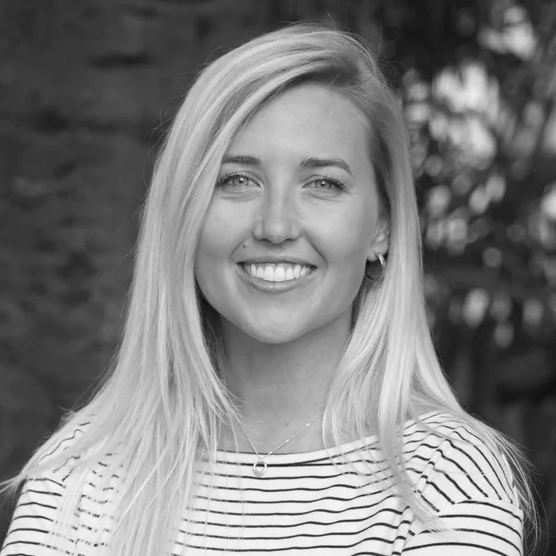
Lexi Weinberger looks out across what would ordinarily be one of the busiest beaches in the world. At this time of year – less than two weeks before Christmas, and the start of the school holidays – Bondi Beach would usually be swarming with surfers, swimmers and tourists.
Indeed it looked like this on Sunday, when the Jewish makeup artist, 28, brought her Israeli boyfriend along to see the “beautiful city” she’d called home for 27 years. They had landed in Sydney from Tel Aviv the previous evening and walked past the grassy park behind the beach where the Jewish community’s Hanukah by the Sea celebration was taking place. They had even commented on how meaningful it was that Bondi hosted a public celebration of the Jewish festival of lights each year. Then they walked across the concrete pedestrian bridge over the park, and went home to finish unpacking their bags.
Just one hour later, at 6.47pm, two attackers – a father and son named as Sajid, 50, and 24-year-old Naveed Akram – stood on the same bridge and began firing bullets towards the 1,000 or so of Weinberger’s fellow members of the Bondi Jewish community. Fifteen people have been confirmed dead, including two rabbis, a Holocaust survivor and a 10-year-old girl. At least 40 more were injured in the deadliest mass shooting in Australia in three decades and the worst antisemitic attack in the country’s history.
Months before Weinberger left home for Tel Aviv, she had been working in a retail store in Bondi. A customer refused to be served by her because she was wearing a Star of David – a moment that felt like a reflection of a wider rise in antisemitism across her home city of Sydney, which is home to up to 55,000 of Australia’s 120,000-strong Jewish community. Synagogues and Jewish shops have been subjected to arson attacks. Schoolchildren have been abused in the street. Protesters have chanted antisemitic slogans at public rallies.
These were warning signs, said Weinberger, who joined many Australian Jews in saying she was shocked by Sunday’s shooting but not surprised. “This is exactly what the Sydney Jewish community has been warning about for two years,” she said.
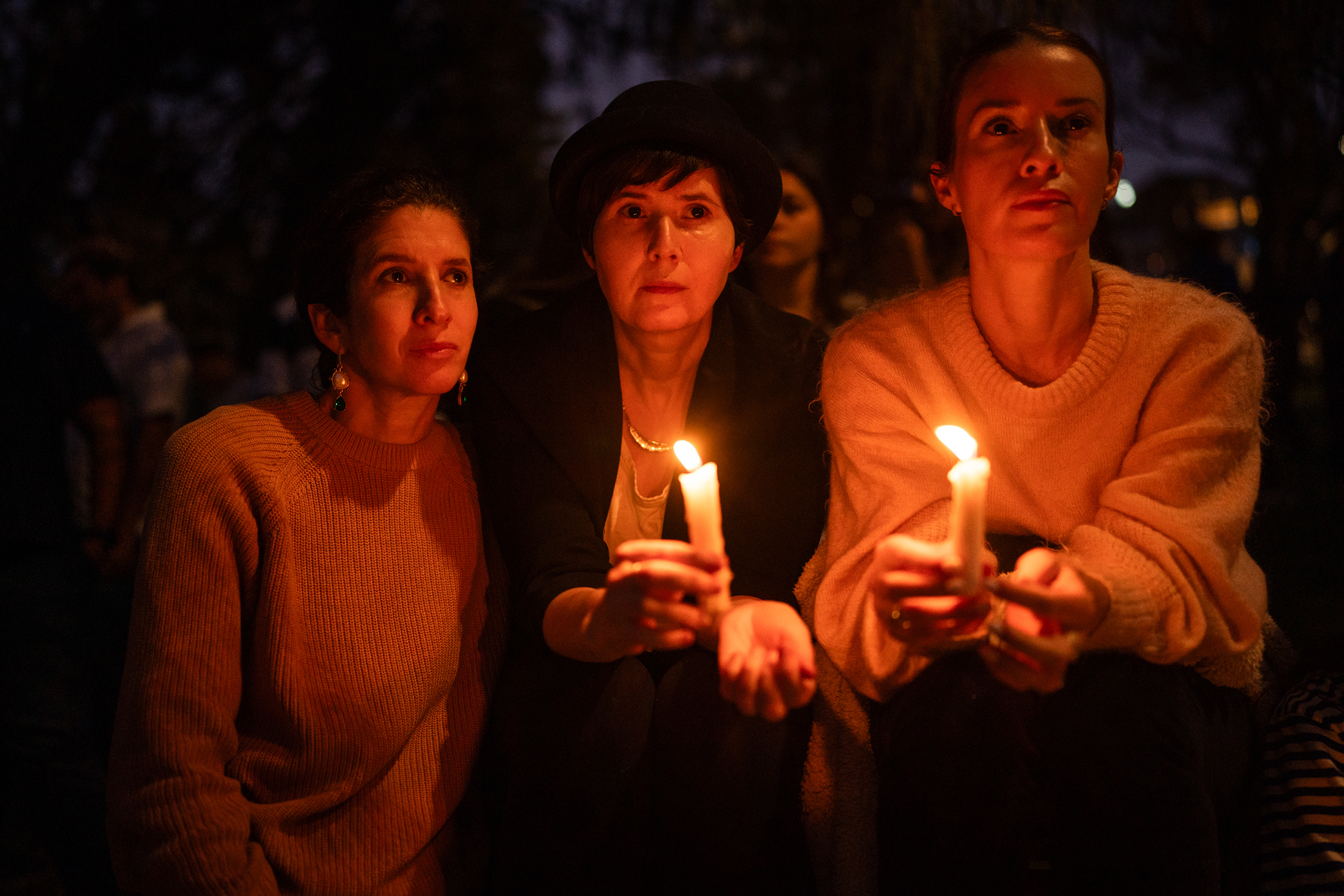
In the aftermath of Sunday’s attack, the atmosphere in Bondi was eerie and sombre, with just a dozen or so figures on the long stretch of white sand, which is synonymous with surfing, running clubs and morning-coffee culture, and where people of all nationalities normally mix in peace.
A police cordon marked the area where a heroic shopkeeper wrested a shotgun from the hands of one of the shooters. Mourners had created a flower memorial for the victims outside Bondi Pavilion, and the grass areas behind the beach were still littered with belongings abandoned in a panic – a reminder of the speed at which hundreds of families, tourists and beachgoers were forced to drop their bags, shoes and picnics and flee for their lives.
“There are nights that tear at the nation’s soul,” the Australian prime minister, Anthony Albanese, said in the hours following the mass shooting. “In this moment of darkness, we must be each other’s light.”
Talk of light in the darkness is certainly poignant, given that it was the Jewish festival of lights the victims had gathered to celebrate. Just seconds before the attack, hundreds of Jewish families were singing, eating sweets and preparing for the lighting of a large menorah at dusk. “At first we thought the pop-pop-pop sounds were fireworks,” American tourist Tanya Cohen said of the sense of confusion among those who heard the initial gunshots. “Who [in Australia] knows what a gun sounds like?” asked the 7News reporter Katie Brown, who found herself caught up in the shooting after having gone surfing.
John, a local father who found himself 75 metres from the Hanukah by the Sea event, said he had assumed it was some kind of shootout involving the police: “It sounded like gunshots, but I thought it couldn’t be a shooter because we’re in Australia.”
He began to run when he realised the gunshots were continuing. Eyewitnesses described beachgoers hiding behind cars, using surfboards as shields and lying on top of their children to protect them. “For over nine minutes bullets rained down nonstop,” said Cohen, who arrived at the Hanukah celebration just 60 seconds before the gunshots began. A twentysomething German woman, one of dozens of tourists visiting Bondi who found themselves at the centre of the massacre, said: “My body just said: run! I’ve never felt that before.”
Australia boasts some of the world’s strictest gun laws, and was recently voted the second-safest country in the world in which to travel, after the Netherlands. Bondi in particular was considered a place that epitomised that inclusivity, harmony and peace that makes Australia so attractive to immigrants and foreign tourists. Crimes – even much more minor ones – just don’t happen here in this land of budgie smugglers and leaving your phone on the beach, where half the residents don’t even bother to lock up their homes.
“Watching this unfold in Australia, the safest country in the world, feels beyond heartbreaking and sadly too familiar,” Lindsay Kate, an American living in Bondi, wrote in an Instagram post that has racked up more than 61,000 views since the attack.
Kate said Bondi was the place that finally taught her it was OK to drop her guard – but not any more. Bondi will be known not only as a tourist mecca but as the place where Australia saw its worst shooting in three decades, bursting a bubble of safety felt by almost everyone who has lived there.
“I imagine it’ll be the same as after the Bataclan attacks, when I lived in Paris,” a Dutch friend here in Sydney reflected the morning after the attack, as the city awoke from a restless night, the atrocities slowly sinking in. “I can’t imagine anyone will look at Bondi in the same way for a long time now,” they said – “if ever.”
But there are some in Sydney who didn’t have quite such a bubble to burst in the first place. Indeed, many members of Sydney’s Jewish community say it’s been hard reading the hundreds of comments on social media about Bondi always feeling like a safe space. Unlike many non-Jewish residents, “we do walk with keys in our hand. We do hesitate when someone hears our Jewish names or sees our Jewish star necklaces and stares a moment too long,” Weinberger said of her experience as a Jew over the last couple of years.
She and many members of the Jewish community say they have felt the inevitability of this attack ever since the 7 October attack on Israel in 2023. In fact, they have been warning about it for some time now. “The government has known that the antisemitism in Australia has been out of bounds,” said Cohen, whose brother was volunteering on security at the Hanukah event, which she believes the authorities failed to make safe enough.
“The writing was on the wall,” said Alex Ryvchin, co-CEO of the Executive Council of Australian Jewry, pointing to the fact that there were 1,654 reported antisemitic attacks in Australia in the year to September.
Albanese has since announced more funding for the Council for Jewish Community Security, which provides security arrangements. But many of Sydney’s Jewish community say they are less certain about their future in Australia now than they were 48 hours ago.
Weinberger said the attack had only reinforced her decision to move to Israel last year. “It may seem counterintuitive to those outside the Jewish community but I feel safer there, surrounded by my community and a shared sense of belonging,” she said of her move to Tel Aviv.
But what she won’t do, she said, was let an attack by two “cowards” ruin a trip centred around a holiday celebrating light triumphing over darkness. “The Jewish people have endured adversity for generations,” she added. “While events like these are deeply painful, they do not weaken us. They reinforce our commitment to live openly, safely and proudly as Jews.”
Newsletters
Choose the newsletters you want to receive
View more
For information about how The Observer protects your data, read our Privacy Policy