

Fans of early classical music are a tight-knit crowd. So when the musician Clara Sanabras arrived at a London concert earlier this year, she expected to recognise several of those taking their seats inside the small venue. But there was only one person she was there to see: the male soloist who was due to perform. He was her former music tutor, and she was braced for a difficult moment.
“As he moved towards the stage, I realised I had to act quickly or I would lose courage. I went forward and told him he might remember me,” said Sanabras, 51. “And then I handed him, as evidence, a blown-up version of this postcard that he’d given me when I was his new young student from Spain. He was chuffed at first that somebody was giving him a gift. And then he realised.”
The note was from 1994, when Sanabras had just arrived in Britain to take up a place at London’s Guildhall School of Music & Drama. It was an invitation from the tutor, a respected musician 20 years her senior, to meet up outside class, ideally at his flat. This offer was initially reassuring for Sanabras, who had no relatives or friends in the country. But the postcard, which she rediscovered recently in a storage box, now chills her.
“It is quite obvious now what he intended and that it was to be a secret,” said Sanabras. “Although he claimed at the concert that he felt he had been offering me opportunities.”
The invitation marked the beginning of months of sexual encounters between Sanabras and her tutor that she now believes were abusive and which she said damaged her feelings of self-worth for years afterwards. “I now feel that some formal recognition of the fact that other people failed to look after my welfare is needed,” she said.
Sanabras, a singer and composer, is the latest of Guildhall’s former students to come forward to accuse it of a serious dereliction of its duty of care. Earlier this year, the institution revealed it had stripped a different teacher, piano tutor Paul Roberts, of his fellowship after finding him guilty of gross misconduct. This weekend it has confirmed that it is now conducting two new investigations, including the one prompted by Sanabras’s complaint.
Sanabras suspects there was an “endemic” failure to protect students from becoming objects of sexual interest, and even of abuse, at the hands of their tutors, and has asked for both an apology and an investigation into its governance during the 80s and 90s.
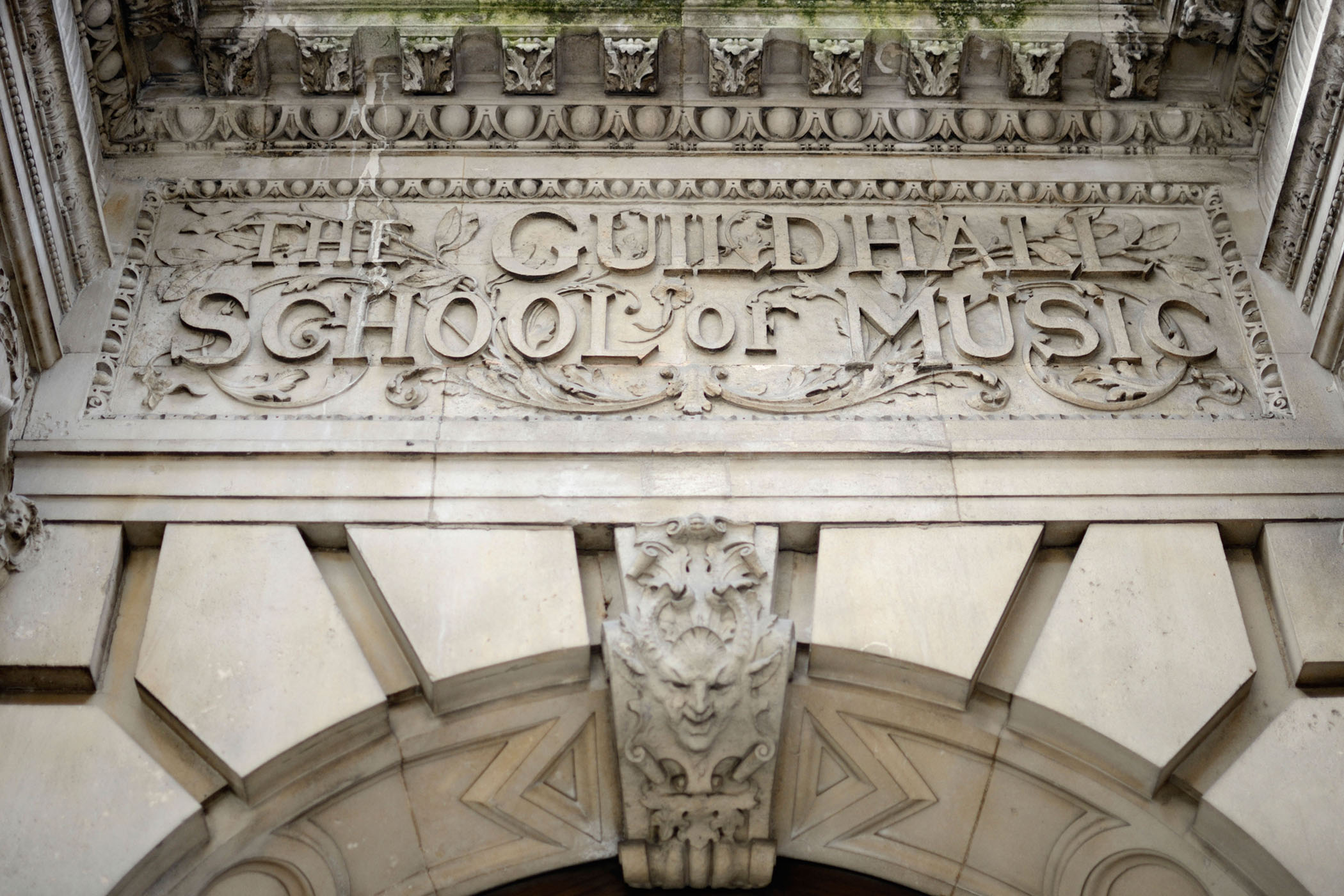
Guildhall’s management might now be expected to reassure the public that it is looking into possible instances of historic misconduct and that it will account for its failure to reach out to those former students who may also have been damaged by an abuse of the student/teacher relationship.
Guildhall is a prestigious and internationally recognised institution that has produced some of the most high-profile stars of classical music – from contemporary composer Thomas Adès to violinist Tasmin Little. It admits around 800 students a year, who are tutored, often in one-to-one lessons, by some of the world’s most respected musicians.
Former students claim the “small world” culture of classical music, where a tutor might become a gatekeeper of future work, can make it difficult to come forward if things go wrong.
Newsletters
Choose the newsletters you want to receive
View more
For information about how The Observer protects your data, read our Privacy Policy
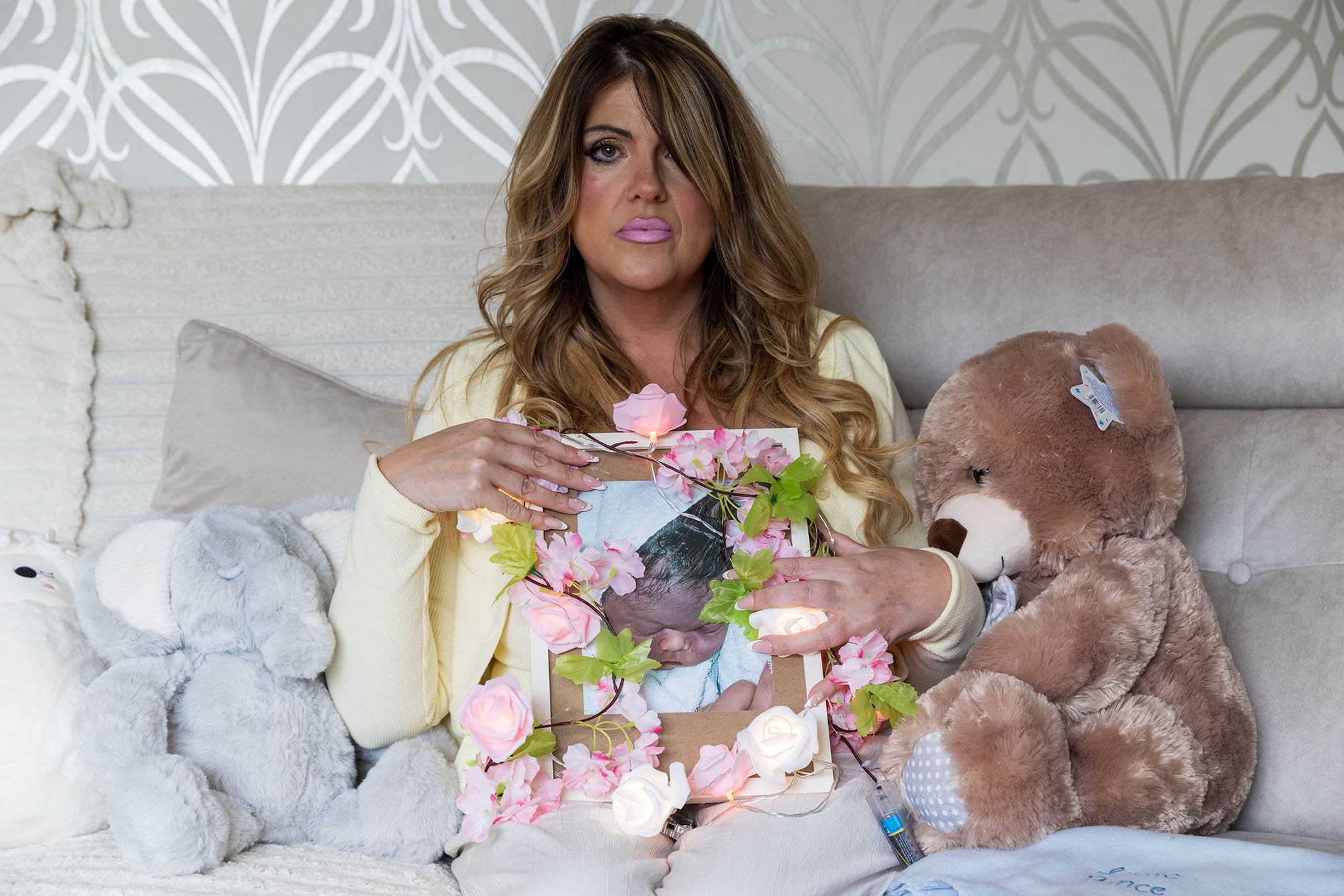
The investigation into Roberts was launched in 2021, after former student and opera singer Antigone Silva, formerly known as Idit Arad, lodged a complaint against him. Silva told the current Guildhall leadership that in the late 80s, Roberts, who was 20 years her senior and a father in a long-term domestic partnership, had conducted a secret relationship with her that began when she was in her late teens, while he was her piano accompanist and tutor. She believes his behaviour almost derailed her later life.
Roberts subsequently left Guildhall – but Silva was given no information about what had happened to her complaint. It was only after she had contacted this newspaper and made her case public in March 2025 that Guildhall revealed the complaint had been upheld, and that a later investigation found that Roberts’s behaviour had constituted “gross misconduct”. Guildhall said it would have dismissed Roberts but he had already resigned his post.
At the time, Guildhall’s spokesperson said: “We deeply regret the failings in our duty of care towards Idit Arad and apologise unreservedly. The behaviour she experienced during her time at the school in the 80s was appalling and completely unacceptable.”
‘There needs to be [clear] boundaries. In no circumstance should tutor-student relationships happen’
‘There needs to be [clear] boundaries. In no circumstance should tutor-student relationships happen’
Antigone Silva, opera singer
“If there is true remorse now at the Guildhall for what young people have suffered in that school, there needs to be some transparency, if, that is, they really do feel it was a terrible thing," said Silva, 56, this weekend. Roberts was approached for a comment in March, when he declined, and The Observer contacted him again this month. Since Silva made her case public, she has changed her name to help put the past behind her. “Now it is time for the Guildhall to talk openly about it all, as I did, and tell us what it has done to change the culture. They need to have a thorough investigation. No teacher should ever behave like this,” she said.
Both Silva and Sanabras believe that the school needs to mount a full internal inquiry into the mistakes made during the 80s and 90s. Sanabras says she fears the misconduct of tutors was ignored by the former teaching body during that period.
In 2015, the musician Philip Pickett, a tutor in early music at Guildhall, was sentenced to 11 years in prison after serious criminal allegations were made against him by former students. A freelance teacher, he had given lessons at the Guildhall from 1972 until 1997 and was convicted of raping and sexually assaulting young women there, often committing his crimes in a soundproofed practice room. One family who had complained about Pickett attacking their 17-year-old daughter in 1984 were told by the school that she should take her lessons elsewhere, since no one else had complained.
Sanabras said she remembered seeing fellow female students in distress and is still haunted by the particular memory of a trip to A&E with a teenager who had been assaulted. Pickett accompanied them to hospital. Only while Sanabras was waiting in the corridor with him for news of her young friend did she begin to suspect it was Pickett himself who had been the attacker. He asked her to leave, but she stayed on to reassure the victim. The incident was never investigated.
There is no allegation that either Roberts or the tutor who had a sexual relationship with Sanabras committed such criminal acts.
Last month, the Guildhall wrote to Sanabras to ask for details of her own abuse complaint. A spokeswoman told The Observer that “the safety and wellbeing of all students is our top priority.” She said: “We are thoroughly investigating two historic complaints, which relate to a number of decades ago. We are taking these complaints extremely seriously, but as the investigations are ongoing, we cannot comment further at this stage.”
But for the two women who now hope to uncover the scale of Guildhall’s past safeguarding failures, its efforts to atone for historic mistakes now seem bewilderingly slow. They suspect the institution of aiming to save its reputation from damage, instead of making proper amends.
The tradition of one-to-one tutorials preferred in the training of elite classical musicians has led to problems across several of Britain’s other leading academies and conservatoires. In the rarefied atmosphere of some of the top music schools, it has proved hard to police.
The virtuoso cellist Julian Lloyd Webber believes the problem should always have been tackled head on.
While he thinks most teachers have a strong sense of duty and behave well, he has been concerned about the issue since multiple alle gations of gross misconduct were made against the head of strings at the Royal College of Music, where his father, the late composer William Lloyd Webber, once taught.
Violinist Mark Messenger stepped down from a position at the college in 2024, that he had held for 20 years, owing to ill health, as an internal inquiry found against him.
Lloyd Webber, a former principal of the Royal Birmingham Conservatoire, wants to protect the valuable tradition of one-to-one tuition, but believes it is down to individual institutions to act quickly on all complaints, anonymous or otherwise.
The cellist said: “Things are improving, but the thing I find really unforgivable is when music teachers are released from somewhere with out anyone knowing why and then simply go on to teach elsewhere. Sometimes, the next employer feels it is not necessary to ask for a reference, as they can be quite well-known names. It is never made clear if they have left under a cloud – and it shouldbe.”
In 2021, Chetham’s School of Music in Manchester paid a former student damages after the high court found it had “facilitated” her abuse by a violin teacher.
Silva believes a Guildhall investigation could shed light on a pervasive issue in music education. “The relationship [with an] individual music tutor is intimate and one-to-one,” she said. “You are laid bare in front of another person and are in a disadvantaged position. So it is incumbent on the tutors to take responsibility. There needs to be black and white boundaries. In no circumstance should there be relationships while a student is at Guildhall or any other music school.”
Photographs by Brian Harris/Alamy and Roberto Herrett/Alamy