Before Christmas, I went to Calais. I stood in the mud, wind howling and rain driving down, and saw the makeshift migrant encampments that the French authorities bulldoze on a timetable as predictable as the tides. I spoke to families who have fled torture, teenagers travelling alone because their parents died on the route and people who have lost everything except the hope that Britain might still honour its word and its values.
Every day since my return, I’ve thought about the children. One in five people on the small boats are children. I saw the makeshift spaces where orphaned children find a few hours of respite to play. It’s unacceptable for anyone to be living in these conditions, but to see children like this is to confront the very depths of our collective failure.
One young man from Sudan, just 19 but with the look of someone who has lived three lifetimes, told me he had tried to claim asylum in several countries but had been repeatedly refused. Forty euros and an hour’s train journey to Calais, but police stop people at stations, turning the search for asylum into something Kafkaesque. Again and again, I was told the same thing: people are not allowed to stay, and not allowed to leave. “So what choice do I have?” he asked. The question wasn’t rhetorical. It was raw, desperate and damning of a government that lectures the world on human rights while physically shutting the door on those who most need protection.
Walking through these camps was not a “trip”. It was a confrontation with a cruelty our government doesn’t just normalise, but actively funds. Good, loving, hardworking people left without the essentials to survive and stripped of their most basic rights.
I went to Calais because the people in these camps have barely featured in our national conversation, while anti-immigration rhetoric, from Reform and increasingly echoed by Labour, grows louder and more toxic. I wanted to redress that imbalance. To give voice to those who are endlessly talked about, but rarely heard. We are entering 2026 with a moral reckoning on our hands. The question is whether political leaders are brave enough to speak the truth? That immigration is good for this country and that we have a clear, moral responsibility to protect those failed by global injustice and political neglect.
The Labour party’s current position is a warning. There is no future for progressive politics that accepts dehumanisation as the price of electability. None. The Greens are here to offer an alternative. Stopping deaths in the Channel means safe routes, family reunion visas and a functioning asylum system.
Anything else is either inhumane and dangerous, or simply smoke and mirrors.
Real security comes from a managed migration system with safe routes, from strong international cooperation and from cutting off the conditions, war, climate collapse and repression, that force people to flee in the first place.
Human life matters – and government exists to make it flourish
Human life matters – and government exists to make it flourish
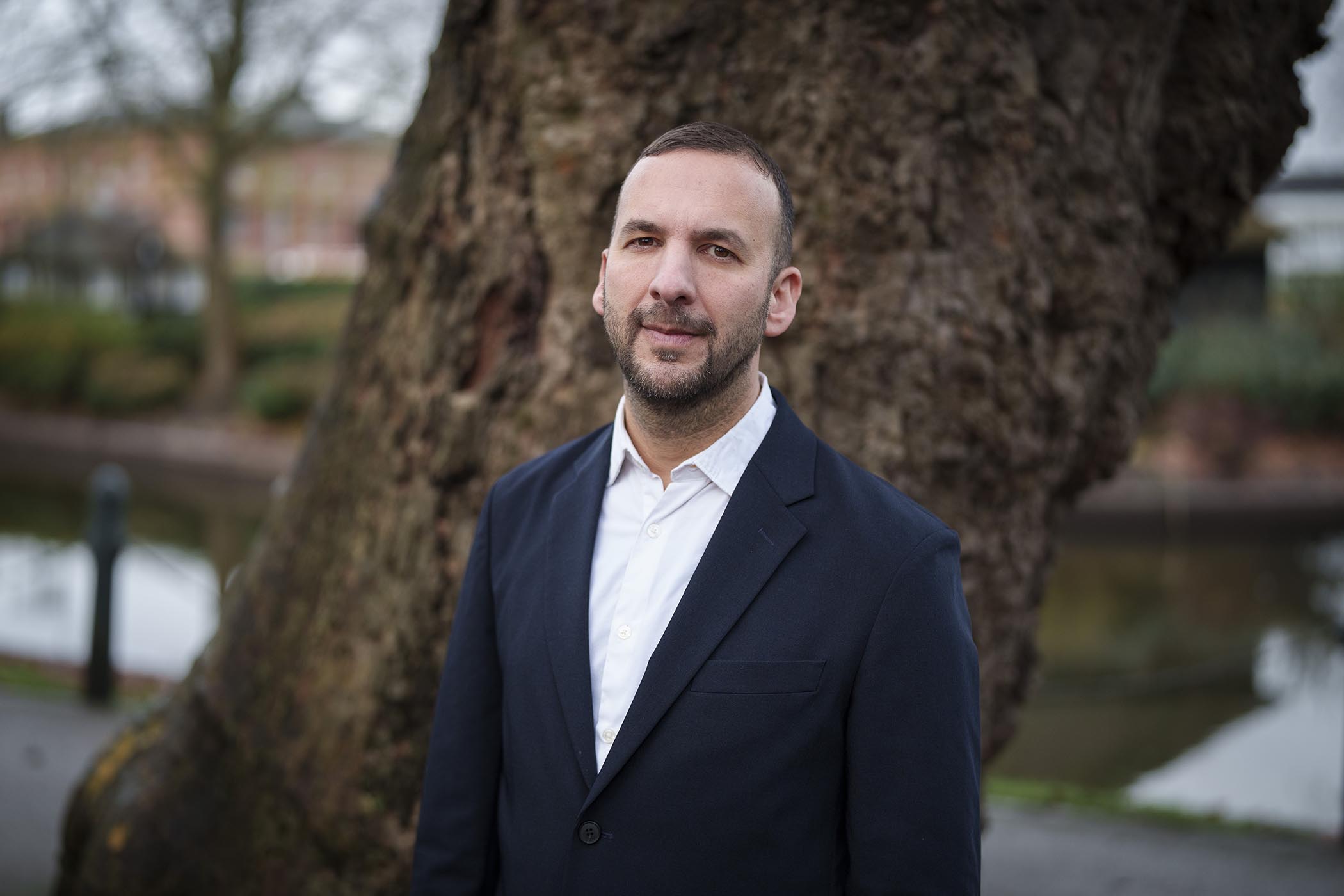
Zack Polasnki, Green party leader
This isn’t magical thinking. We’ve already shown it’s possible. Over the past few years, more than a quarter of a million Ukrainians have come to the UK. We opened our border, our homes, the doors to our village halls and hosted welcome parties. Council chambers flew Ukrainian flags in solidarity. That matters. Because Ukraine is a conflict with untold human suffering. And now, more than ever, we must maintain our commitment to Ukraine. Alongside safe and managed routes for refugees, we must also be actively peace-building. That is the only sustainable way to stop people from being forced to risk their lives to find safety.What does peace-building mean? For Ukraine, first and foremost, it means listening to and supporting the Ukrainian people in their struggle. They are the ones displaced from their homes and dying on the battlefield.
For Europe, and yes, we are an integral part of Europe, it means cutting reliance on the fossil fuels that are feeding the Putin war machine and cutting his access to finance, dodgy property deals and half-enforced sanctions in the City of London. In the UK, every pound spent on insulating homes and building clean energy is a pound that no longer funds war.
Newsletters
Choose the newsletters you want to receive
View more
For information about how The Observer protects your data, read our Privacy Policy
It means rebalancing our relationship with an unpredictable US president. Instead, we should be rooted in international cooperation, in diplomacy and creating a European-based defence infrastructure. It means long-term financial support, rebuilding energy infrastructure and enforcing international justice. Accountability cannot be optional. War crimes cannot be forgotten because the news cycle has moved on.
Only when we understand this do we see that Calais and Kyiv are two lenses on the same crisis. Both expose what happens when human rights are treated as expendable and both warn us where politics is heading if we continue to look away.
Standing in the mud in Calais, I felt the urgency of the moment. 2026 presents us with a choice. We can drift through another year of managed decline, rising authoritarianism and political cowardice. Or we can step forward with a vision that matches the scale of the crises we face. My vision for Britain is one that treats refugees with dignity, rebuilds the NHS, makes energy affordable and leads on climate action, while strengthening international cooperation and investing in peace. These are not separate ambitions. They are part of the same moral settlement: that human life matters, and that government exists to make it flourish. Some will call this naive. I call anything less unacceptable.
Zack Polanski is leader of the Green party