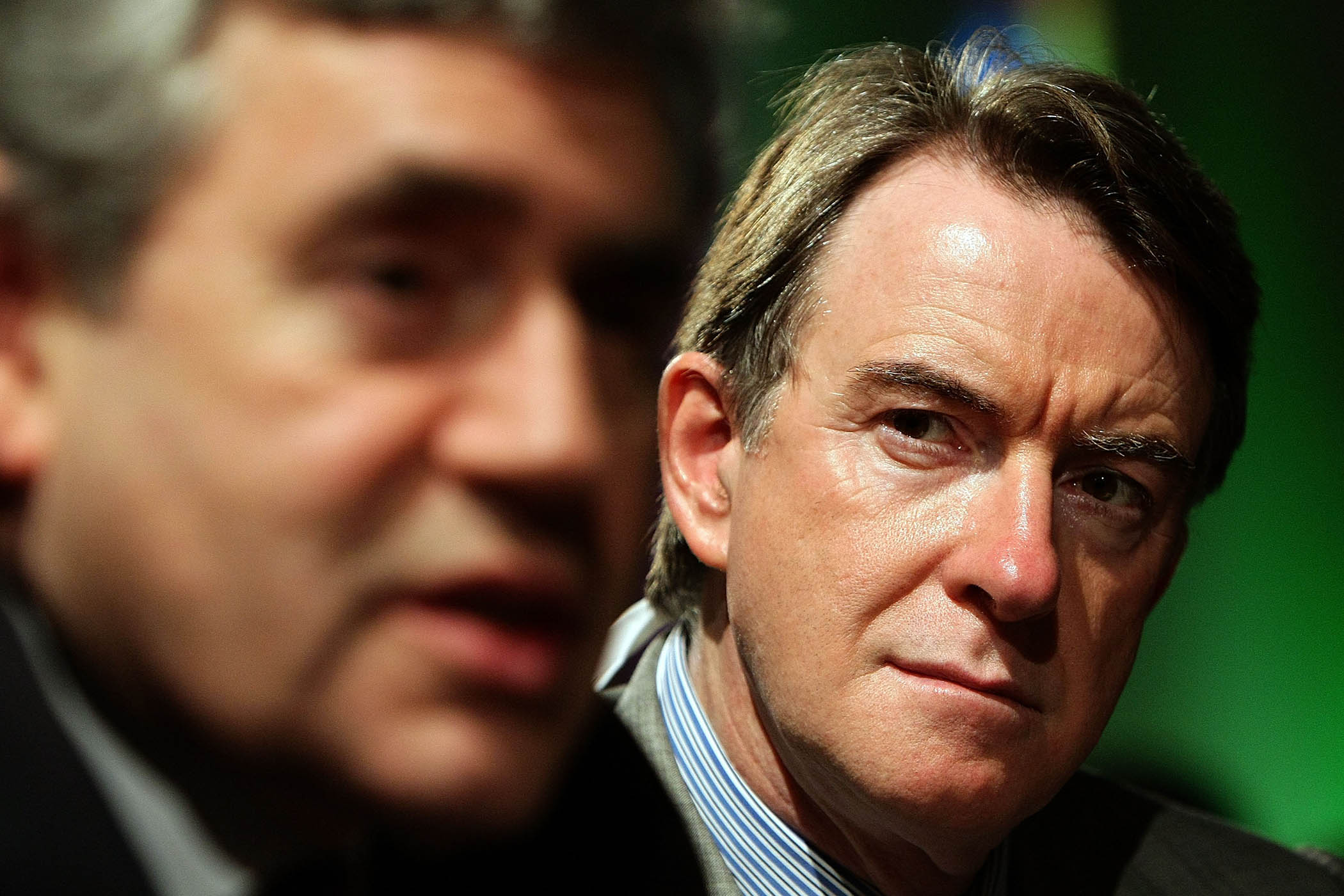

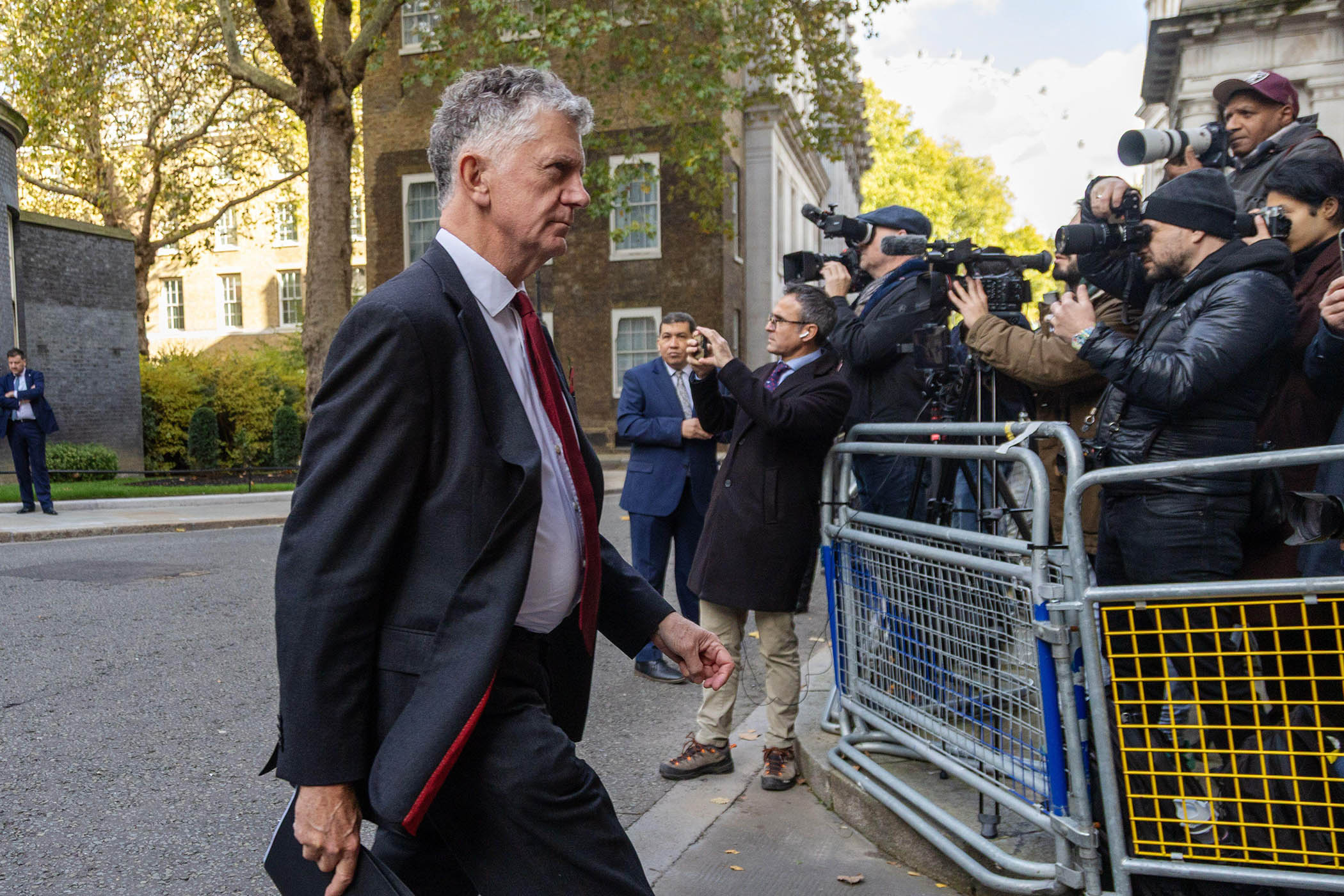
Investigators carrying out security vetting on Peter Mandelson failed to ask interviewees about his relationship with Jeffrey Epstein, despite the fact the pair’s connection was in the public domain.
Developed vetting (DV) is carried out by a small group within the Cabinet Office under such secrecy that even the subjects do not know the details, only the outcome.
However, one of those interviewed during the appointments process has told The Observer there was “not a single question on Jeffrey Epstein”.
The former police officers asked about drugs, sex, pornography, blackmail risk and any past indiscretions but never mentioned the convicted paedophile. “The proper DV vetting done by the Cabinet Office was a joke,” the source said.
A Cabinet Office spokesperson said: “While we would not comment on an individual’s vetting, one reference interview does not represent the wider process or work undertaken.”
The revelation comes amid growing concerns about the lax system in place for scrutinising senior appointments to government and parliament.
Gordon Brown has called for US-style confirmation hearings for new government ministers and senior appointments. “There is a systemic failure to do proper vetting, to go through the proper procedures and to actually have, in my view, what should be public hearings for anybody who is going to be in a senior position representing the British government,” the former prime minister told BBC Radio 4’s Today programme.
Brown is not the first prime minister to complain about the UK’s underwhelming vetting process.
A government spokesperson said: “Gordon Brown is right that further action is needed in light of what has emerged this week – and we have already begun urgent work on how we can do more.”
The former Labour leader has an unlikely kindred spirit in his Conservative counterpart, Rishi Sunak. In January 2023, during his time in No 10, Sunak was navigating a brewing scandal over the tax affairs of Nadhim Zahawi. Sunak had been forced to sack his minister and now wanted to find out whether anyone else in his team who was was at risk of further destroying his government’s credibility.
Newsletters
Choose the newsletters you want to receive
View more
For information about how The Observer protects your data, read our Privacy Policy
Sources working in Downing Street at the time say he was “annoyed” at the lack of information he could get from HM Revenue & Customs, which is legally bound not to divulge details, and “couldn’t believe HMRC wouldn’t tell him whether other ministers were under investigation… his view was that there were bits of the state that knew something and weren’t telling the prime minister”.
Sunak proposed a solution: that all cabinet ministers sign a document giving consent for the Cabinet Office to access their tax details. In the end, the proposals were not taken forward, but they point to a wider problem with vetting, exposed again this week with potentially dire consequences for Keir Starmer. While current focus is on the system which allowed the appointment of Mandelson as ambassador to the US, say the problems go much further.
When ministers are appointed, they are asked by officials if there is anything in their past that may embarrass the government. No developed vetting takes place – not even for sensitive roles like the UK’s security minister – to establish whether they might be at risk of blackmail, or worse.
“It is a totally mad system,” says one source close to the process. “Everyone is so giddy that even if they wanted to volunteer the right information, they probably couldn’t… There is this myth that the Propriety and Ethics Team (PET) has a hotline to getting all this information, but that’s really not the case.”
Certainly after this week, that myth would appear to have been dispelled. PET carried out “desktop due diligence” on Mandelson, effectively compiling information that was in the public domain. This covered his political career and two resignations, his lobbying firm Global Counsel and what was then known about his links to Epstein – including, crucially, that Mandelson stayed in Epstein’s apartment after the latter’s conviction.
As well as Mandelson’s role in Washington, his peerage is now also under the spotlight. Moves to rescind it would again pose the question of whether the process is fit for purpose.
The House of Lords Advisory Committee (Holac) vets nominations for peerages for their propriety. Despite calls to put it on a statutory footing, Holac is yet to be able to do anything more than make recommendations. This was shown to be less than effective when Boris Johnson overruled advice not to elevate Peter Cruddas. It has never been established whether Holac advised against Lord Lebedev joining him, but the security services reportedly did.
The honours system does have one advantage: officials concerned about bringing the monarchy into disrepute are able to prevent an honour being awarded if there is a fear that a controversy could embroil the King.
Photograph by Christopher Furlong/Getty Images