
When Jodie*, a police officer, was called into a meeting in 2022 and informed that everyone in her team would undergo new background checks, her heart “actually jumped for joy”.
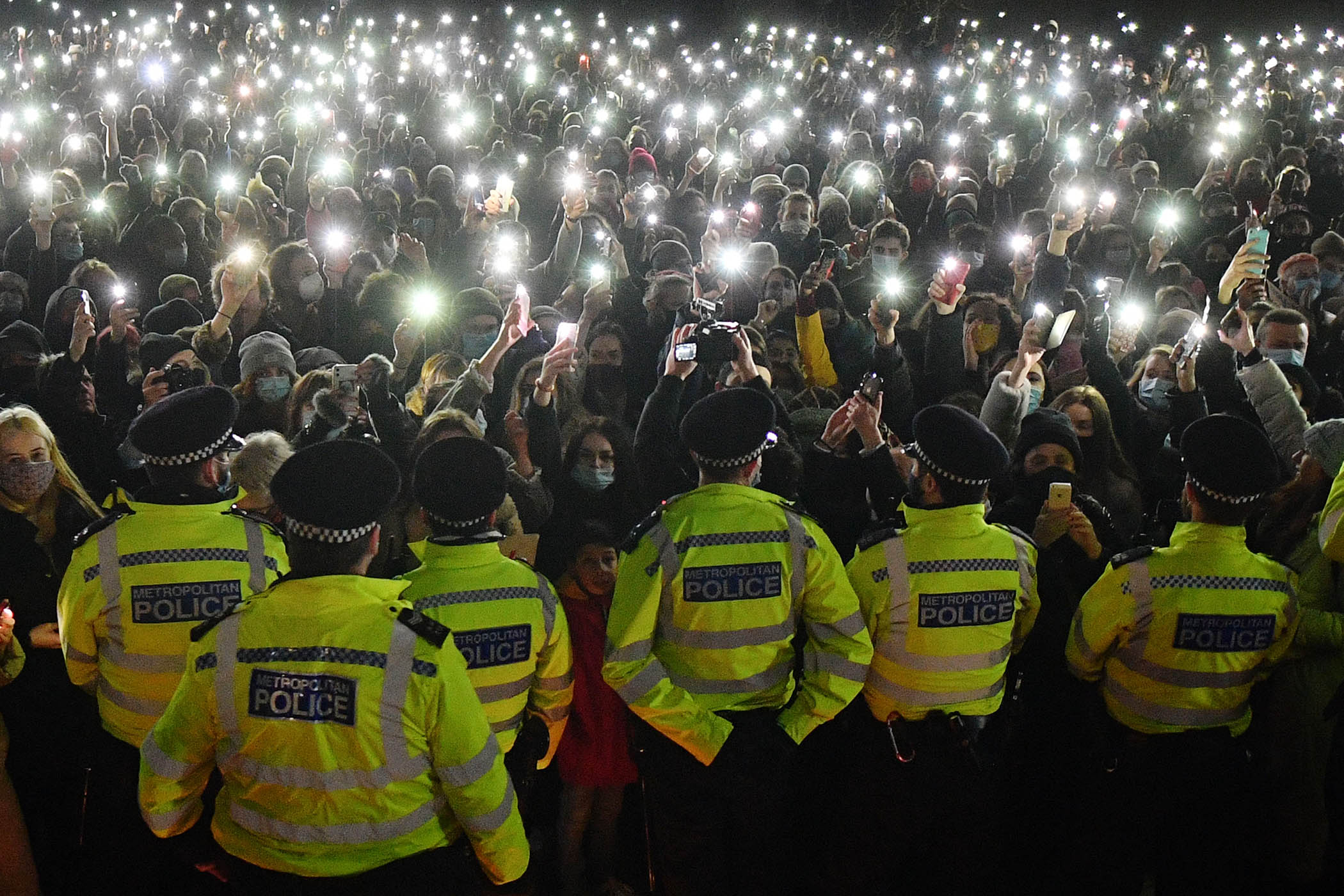
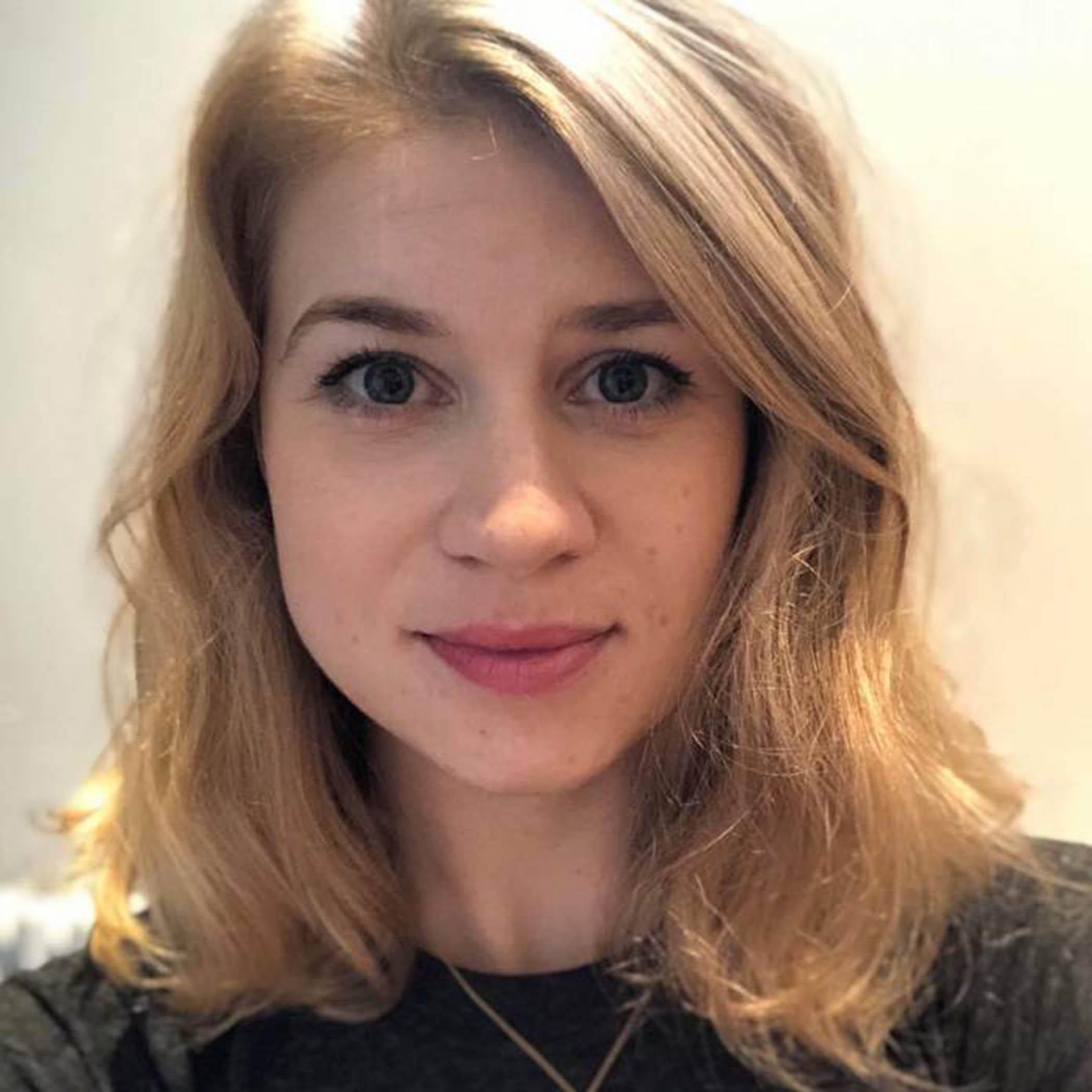
The move, known as revetting, was one of a number of ad hoc responses by police forces across the UK to the kidnap and murder of 33-year-old Sarah Everard by Wayne Couzens, a serving police officer, in March 2021. The reforms were supposed to show that the force took police-perpetrated abuse seriously.
“I thought they were telling me they were finally getting my ex after all this time,” Jodie says. She had first submitted an abuse complaint against her ex-boyfriend, who is also a police officer, in 2020. For two years, she says, paperwork had been lost, emails had gone unanswered, and police bosses had accused her of imagining the abuse which had left her with bruises and scratches. But her excitement over the development quickly faded.
“It started to dawn on me: they were actually saying I was being removed from frontline duties because the vetting had flagged up an old false complaint he’d made saying I was the real abuser,” she says.
The complaint had been made just days after Jodie first reported her partner and was closed not long afterwards due to a lack of evidence. But her boss said the new rules meant that the force could not have anyone with a previous accusation against them dealing with the public directly. “It was like the world tilted and everything was in slow motion,” Jodie says.
She accepted the decision to take a desk-based role, too worn down from the abuse to take on another fight. She expected to hear on the grapevine that her ex had received the same treatment. Instead she heard he was still in post.
Jodie is one of six female police officers and staff from five forces across England, Scotland and Wales who have reported being abused by male officers and told The Observer that, five years after Everard’s death, the reforms prompted by her murder have made them feel further victimised rather than safer. All say that Everard’s name – or that of her murderer – was explicitly used to justify how they were treated. “I thought it was a disgusting insult to every victim, but most of all to Sarah’s name,” one said.
There is no national process for how police forces should deal with abuse in their own ranks, and individual forces, as in Jodie’s case, each reviewed their own policies and practices in the aftermath of Everard’s murder.
The Angiolini inquiry was commissioned in 2021 to investigate how the murder had been able to happen. In a 2024 report, Elish Angiolini acknowledged that while the Metropolitan police, the College of Policing and the National Police Chiefs’ Council (NPCC) had made “some progress” in relation to the abuse of power for sexual purposes by police officers, more was needed. She made several recommendations, including improved vetting and recruitment practices, an overhaul of policing culture and improved internal reporting. New legislation enacted in 2025 made background checks mandatory and strengthened the ability of police chiefs to sack officers guilty of gross misconduct.
Forces across the country have recognised the need for improvement. Since 2022, the Met has employed 565 additional officers and staff in domestic abuse, rape and sexual offences teams, and enhanced its training for more than 20,000 frontline officers responding to domestic abuse and rape.
Newsletters
Choose the newsletters you want to receive
View more
For information about how The Observer protects your data, read our Privacy Policy
The force reopened all closed allegations against officers and staff from the previous decade, reassessing 1,636 officers as a result and dismissing 374. The number of people arrested and charged with rape and serious sexual offences has also more than doubled since 2022 – although it still only stands at 9.4% of all reports.
‘They literally said to me, in a sort of sarcastic voice: “We all have to do our bit to stop the next Wayne Couzens.” My jaw just hit the floor’
‘They literally said to me, in a sort of sarcastic voice: “We all have to do our bit to stop the next Wayne Couzens.” My jaw just hit the floor’
Female police officer assaulted by a colleague at a social event
But some women, like Jodie, say they became collateral damage. Vexatious counter-allegations – in which a perpetrator accuses a victim of being the abuser, often in retaliation for the victim’s initial report – are common in domestic abuse situations, and recognised in CPS and policing guidance as a tactic of control. Three women who spoke to The Observer said counter-allegations against them had been reopened after Everard’s murder as part of reviews undertaken by their forces into historical complaints against officers.
In one case, the female officer reported a colleague for stalking. When he retaliated with false allegations, her bosses acknowledged in conversation with her that they were baseless but said they had to send her on a sexual harassment training course anyway because they were now “duty bound to record an action” in every report of police-perpetrated abuse.
“I had to sit in a room full of sexual harassers and nod along nicely,” she says. “It was intimidating and humiliating. When everyone was talking about reform after Sarah Everard, I was optimistic. I couldn’t have imagined this in a million years.”
Senior officers from other forces, who spoke to The Observer on condition of anonymity, described the tense atmosphere inside police forces hurrying to look as if they were responding adequately in the months and years after Everard’s murder. “I can see how these policies and reviews might have been poorly implemented in that environment, especially in the early days,” one said. “But I do believe everyone was trying their best.”
One woman told The Observer she was encouraged to hand over electronic devices when she reported her partner, a fellow police officer, for rape. She provided precise dates and times relevant to the assault but later learned that investigators had searched through years’ worth of personal data. As someone with police and investigative training, it was not what she expected. “When I challenged them, they said it was because Wayne Couzens had been in these offensive WhatsApp groups before he murdered Sarah Everard,” she recalls. “They were comparing me, a rape victim, to a violent murderer.”
Two of the women said they felt pressured by senior officers to report allegations of domestic abuse or assault even though they had little faith in a positive outcome and were concerned that reporting would put them at risk of retaliation.
In one case, the victim reported being under duress from her immediate boss after being assaulted by a colleague at a social event. “They literally said to me, in a sort of sarcastic voice: ‘We all have to do our bit to stop the next Wayne Couzens.’ My jaw just hit the floor,” she says.
After she reported the assault, a more senior officer told her the case would not be pursued because she had been drinking and dancing with the perpetrator prior to the assault. “They pretty much blamed me for what he’d done,” she says.
In 2020, Laura*, 36, transferred forces and moved 200 miles to escape her officer ex. He had been controlling while they were together but, she says, his abuse escalated after their break-up: he filled up her phone with threatening and pleading voice notes and constantly posted items, including a knife, to her home. “Sometimes he was sitting on the step when I got back. I was scared every minute of every day,” she says.
She never officially reported his abuse, she says, because colleagues who knew about the behaviour downplayed it or emphasised what a good friend her ex-partner was.
“When I moved I felt like I could breathe again. It was like life was draining back into me,” she says. But two years later she received a late-night phone call from a withheld number – not, as Laura initially feared, from her former partner but from her former boss.
“[They] said: ‘We have to look like we’re rooting these guys out now’, since the Everard case. They said it was my duty to report his past behaviour, even though I explained it could trigger him again and possibly expose where I’d gone. They told me I ‘owed it to Sarah Everard’.”
Laura says she understands “in the abstract” that officers have a duty to report any crime they experience. “But on the other hand I have to look out for myself and my own safety - and I just didn’t trust that it would make anything better for me… It didn’t seem to me like much had actually changed internally, except that people talked more about looking like we were doing something [about violence against women].”
A few months later, having had no updates on her report, Laura began receiving threatening text messages from an unknown number that she believes belonged to her ex. She updated the complaint with her former force and received a holding email in response. Her new bosses were supportive, she says, but reluctant to interfere in another force’s investigation.
‘I hoped what happened to Sarah would lead to real change. I haven’t seen any evidence of that’
‘I hoped what happened to Sarah would lead to real change. I haven’t seen any evidence of that’
Jodie, police officer
Five years on from Everard’s murder and the promise of widespread reform, the women are pessimistic about how much has actually changed in policing. Three have since left the force, traumatised by their experiences and with little faith that they will ever see justice.
Harriet Wistrich, CEO of the Centre for Women’s Justice, which submitted a 2020 super-complaint into the issue of police-perpetrated abuse, said she was not surprised “that women are still being failed and victimised, as we are seeing these patterns persist despite all the reforms”. But, she said, it was “shocking they are using Sarah Everard’s name to justify their treatment of these women”.
A spokesperson for the NPCC told The Observer that while policing had taken “significant action” on misconduct, vetting and values, “we know there is more for us to do and further for us to go”.
As far as Jodie is aware, her former partner was never revetted – or at least she never saw him face any consequences for the allegations she made against him. She still works in policing, but the years since Everard’s murder have been some of the hardest of her career.
“It broke my heart what happened to Sarah,” she says. “I hoped it would lead to real change for victims like me who could relate to her. But I haven’t seen any evidence of that yet.”
* names have been changed
Photograph by Justin Tallis/AFP/Getty Images