

I have prosecuted thousands of sexual abuse cases, including some of the most high-profile trials in modern British history, and I recently met a group of women who say they were abused in connection with Harrods under the ownership of Mohamed Al Fayed.
What they described was not a series of isolated assaults but a system that, in its structure and longevity, bears troubling similarities to the Epstein case – something we would like to think of as exceptional.
In both situations, young women were drawn in to proximity with a powerful man through work, opportunity or patronage; in both, they describe being controlled through dependency, fear and the quiet complicity of others who arranged travel, accommodation and access; and in both, the conduct did not occur once in a moment of impulse but was repeated over years, across borders, sustained by money and by the social deference that money so often commands.
Epstein operated from a private island and a constellation of residencies, whereas Fayed’s sphere of influence centred on one of Britain’s most recognisable commercial institutions, situated not on some distant shore but in the heart of London.
If anything, that contrast should unsettle us more profoundly, because it suggests that the alleged exploitation was not hidden at the margins of society but embedded within a corporate hierarchy, woven through employment contracts, staff visas and tied accommodation, and reinforced by a chain of command in which complaints could be stalled, diverted or quietly buried.
Trafficking, in law, is not confined to the act of moving someone from one place to another; it encompasses coercion, control and exploitation, and when an employer holds sway over a person’s income, housing and immigration status, the leverage is obvious. Over time, such conditions can create an ecosystem in which silence becomes routine, where staff learn which doors not to knock on and which names not to mention, and where the absence of formal findings is mistaken for the absence of wrongdoing.
We were assured, in the aftermath of Epstein’s exposure, that lessons had been learned about the dangers of wealth insulating criminality from consequence, yet the experience of the Harrods survivors tells a more complicated story: detailed letters sent to senior figures have been met with acknowledgment but few substantive meetings; freedom of information requests have encountered delay or refusal; and the tone of official correspondence has often felt procedural rather than searching.
Some of these women have received positive “reasonable grounds” decisions under the National Referral Mechanism, meaning that trained officials accepted there were indicators consistent with trafficking, and yet recognition on paper has not automatically translated into sustained support.
In 2024, a minister met one survivor and spoke candidly about the realities of trafficking in its harshest form, but strong words do not in themselves constitute structural change, and no independent inquiry or comprehensive review has followed to examine the full scope of what is alleged. We are still more comfortable condemning a foreign scandal than interrogating our own.
Meanwhile, French authorities are examining allegations linked to the former Fayed-owned Ritz in Paris through a trafficking lens and have reportedly taken a substantial number of statements, signalling an approach that recognises potential scale and system rather than confining scrutiny to the conduct of a single individual.
Newsletters
Choose the newsletters you want to receive
View more
For information about how The Observer protects your data, read our Privacy Policy
By contrast, the Metropolitan police have confirmed that they are investigating more than five people said to be complicit in Fayed’s offending, a formulation that, while not insignificant, sits uneasily alongside claims of a multi-decade enterprise that allegedly relied on layers of facilitation within a corporate structure.
This is the heart of the matter, because exploitation at the top rarely survives on the will of one man alone. It requires assistants who arrange diaries, managers who smooth over complaints, advisers who frame risk, and a culture in which reputational protection outweighs moral clarity. We have seen these structures on display in the Epstein emails.
The phrase “Britain’s Epstein island” jars precisely because it relocates the problem from an exotic elsewhere to a familiar facade, inviting us to consider whether trafficking and sustained sexual exploitation can thrive not only in hidden compounds but in the shadow of a department store whose name has long been synonymous with luxury and national prestige.
No two cases are identical, and responsible comparison demands care, but patterns of exploitation, facilitation, delay and deflection are not erased by geography or by brand value, and when such patterns appear, the burden falls on the state to respond with transparency and resolve rather than caution.
The question, then, is not whether the analogy is perfect, but whether we are willing to examine who knew, who failed to act and why, and to accept that confronting the full truth may prove more uncomfortable than consigning this episode to the misdeeds of one powerful man now gone.
Nazir Afzal was chief crown prosecutor for north west England when he initiated prosecutions in the Rochdale child abuse case
For more on this story, read Megan Clement’s investigation for The Observer here.
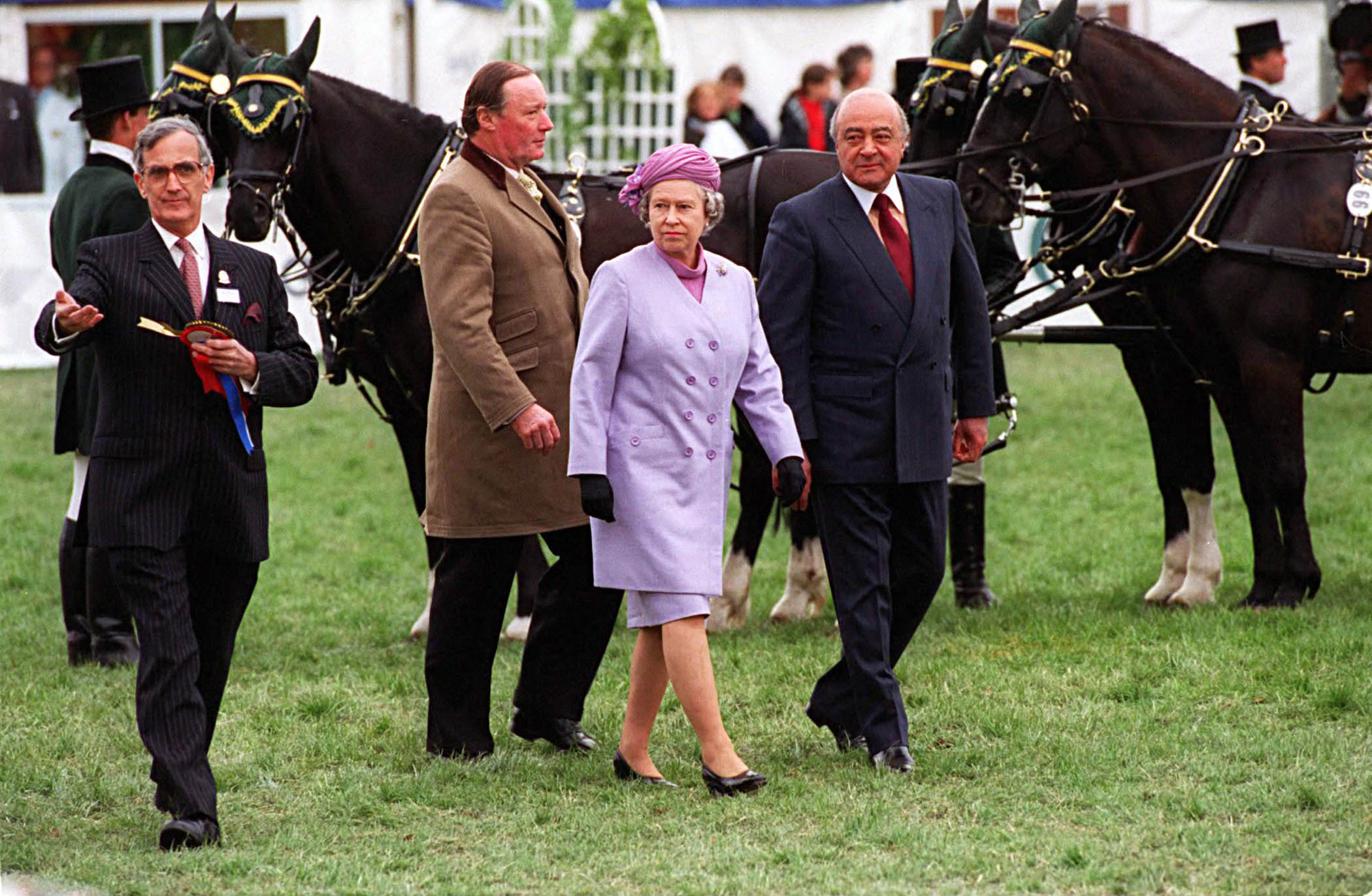
Photograph by Tim Graham Photo Library via Getty Images