
Hinge, the dating app billed as the platform “designed to be deleted”, is rewarding people who spend the most time and energy communicating with lots of potential suitors.
Frequent users who share more of their personality in their “prompts” – Hinge-generated sentence starters – will be given a purple heart, a badge of honour more usually associated with men and women in the US military who are injured or killed in combat. On the app, a user’s profile consists of prompts plus six photos, and the heart goes to those with the most in-depth prompts that show their personality as well as the quality and frequency of their messages.
Last week, the app released the new reward system under the name “Signals” in a bid to pep up its 15 million-strong online dating community. The purple heart launched on 1 June to daters globally, excluding the UK and the EU, although purple love will spread here soon.
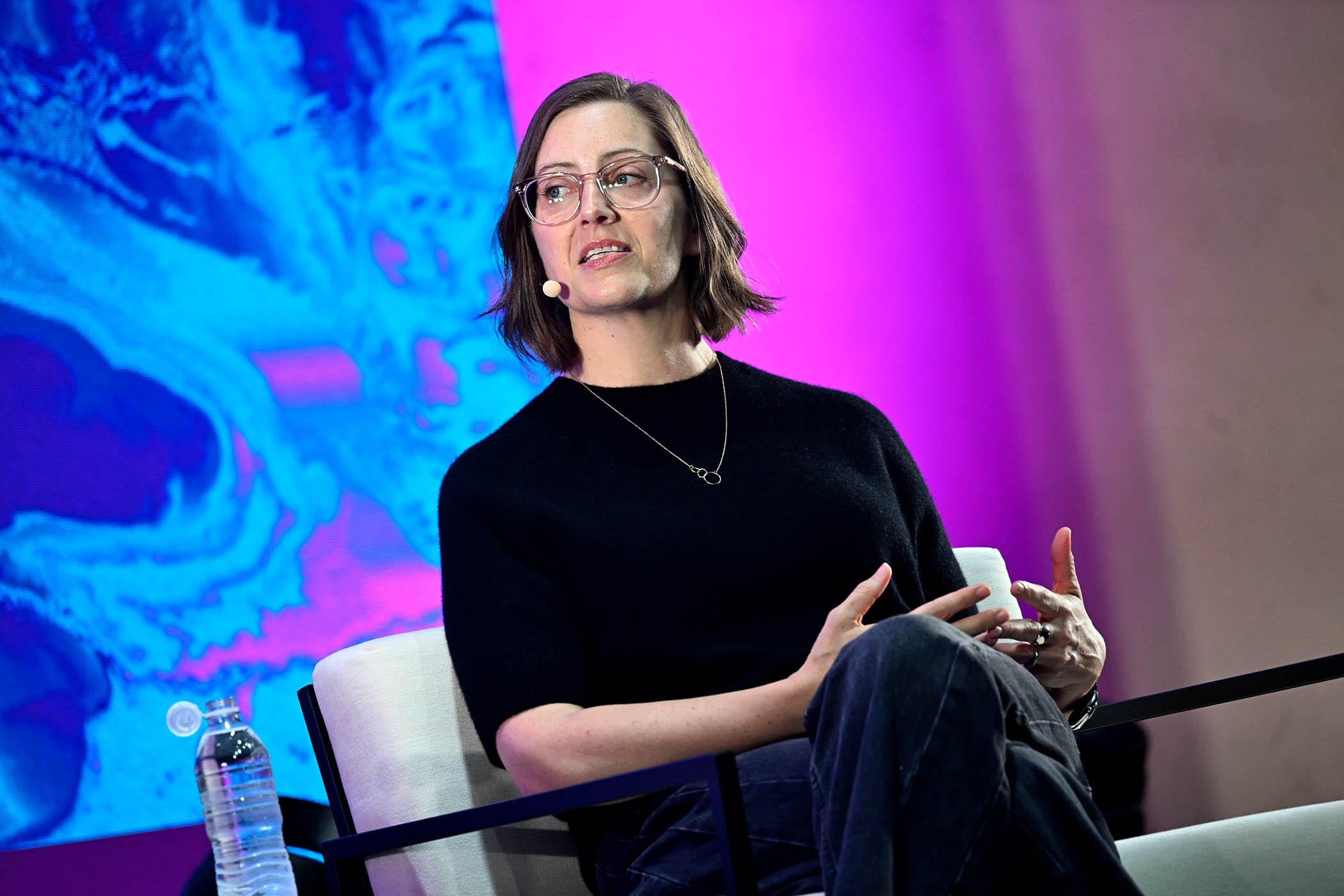
Jackie Jantos, the CEO of Hinge, told The Observer at SXSW festival in London last week that Signals was built as a response to criticisms of the app from some female users. “We hear quite frequently from women that it feels like [they] are putting an extraordinary amount of emotional labour into building a profile and interacting and messaging others, [but they are] not necessarily always feeling that reciprocated with the same level of intentionality and effort.”
The purple hearts, with their positive macho associations, are intended to encourage men to communicate better. Jantos was unable to share data on how long an average Hinge user spends considering the profile of a potential date.
Female users of the app frequently bemoan on social media their varying degrees of disappointment in the system. They claim that the algorithm of options – they can send eight free “likes” a day – works against them by hiding the best date options. They also criticise the restricted access to so-called “standout” options – Hinge’s carefully curated 10 profiles a day selecting the user’s “dream” matches.
Hinge and Tinder remain the market leaders in dating apps, although users increasingly complain of dating app and “swiping” fatigue. Jantos herself is a success story, having met her husband on Match.com over a decade ago. She says she has “deep empathy” for her users and claims she is earnestly “focused on getting [users] off the app and into great dates”.
Whether a purple heart, in effect a reward for excessive love-bombing, will appeal to gen Z, who account for over half of the user base, is unclear. Asked how she hopes to restore that generation’s faith in the apps, Jantos said there would always be a place for apps as young people are resoundingly “looking for intimate connection and they’re looking for partnership in a deep way”.
The normalisation of AI in this world may cause more complications. On Hinge, machine learning is already integrated as users receive automatic suggestions to improve their prompts and messages are filtered for harmful content.
Now, Jantos explained, “AI is being put to task to see how it can help build momentum in the recommendations that it makes to get you off the app”.
Newsletters
Choose the newsletters you want to receive
View more
For information about how The Observer protects your data, read our Privacy Policy
Her own advice for the best chance at success on the app was a little more human: “[Be] earnest and a little bit cringe. Putting yourself out there can feel hard but it’s the best way to indicate what you’re looking for and who you are.”
Photograph by Stuart C. Wilson/Getty Images for SXSW London