

A man accused of driving his wife to suicide through alleged domestic abuse has been found not guilty of all charges against him, including manslaughter.
Prosecutors had accused Christopher Trybus, 44, of being responsible for a “tsunami” of abuse against Tarryn Baird, who killed herself in 2017, aged 34. Trybus, who has always maintained his innocence, was also found not guilty of two counts of rape as well as coercive or controlling behaviour.
Trybus wept in the dock as the verdict was announced. Speaking outside the court, accompanied by his current wife, he said: “I’m relieved that the jury has carefully considered the evidence and reached the correct verdict today. This has had a profound impact on my life and on those closest to me. It’s been an incredibly difficult experience.”
The verdict follows a seven-week trial held at Winchester crown court during which the jury heard evidence from more than two dozen witnesses. They took 40 hours and eight minutes to reach a majority verdict.
Michelle Baird, Tarryn’s mother, told The Observer: “I am absolutely devastated… I know what he did to my daughter.”
She said her daughter was an “incredible person” who was the “life and soul of the family” and that they had been living “a nightmare for eight and a half years” since her death.
Baird, who has dedicated much of the past decade to her daughter’s case, said she felt “very let down” by the justice system and described the trial, during which her daughter was characterised by the defence as an “attention-seeker” who made “false allegations of abuse”, as “brutal… very, very tough”.
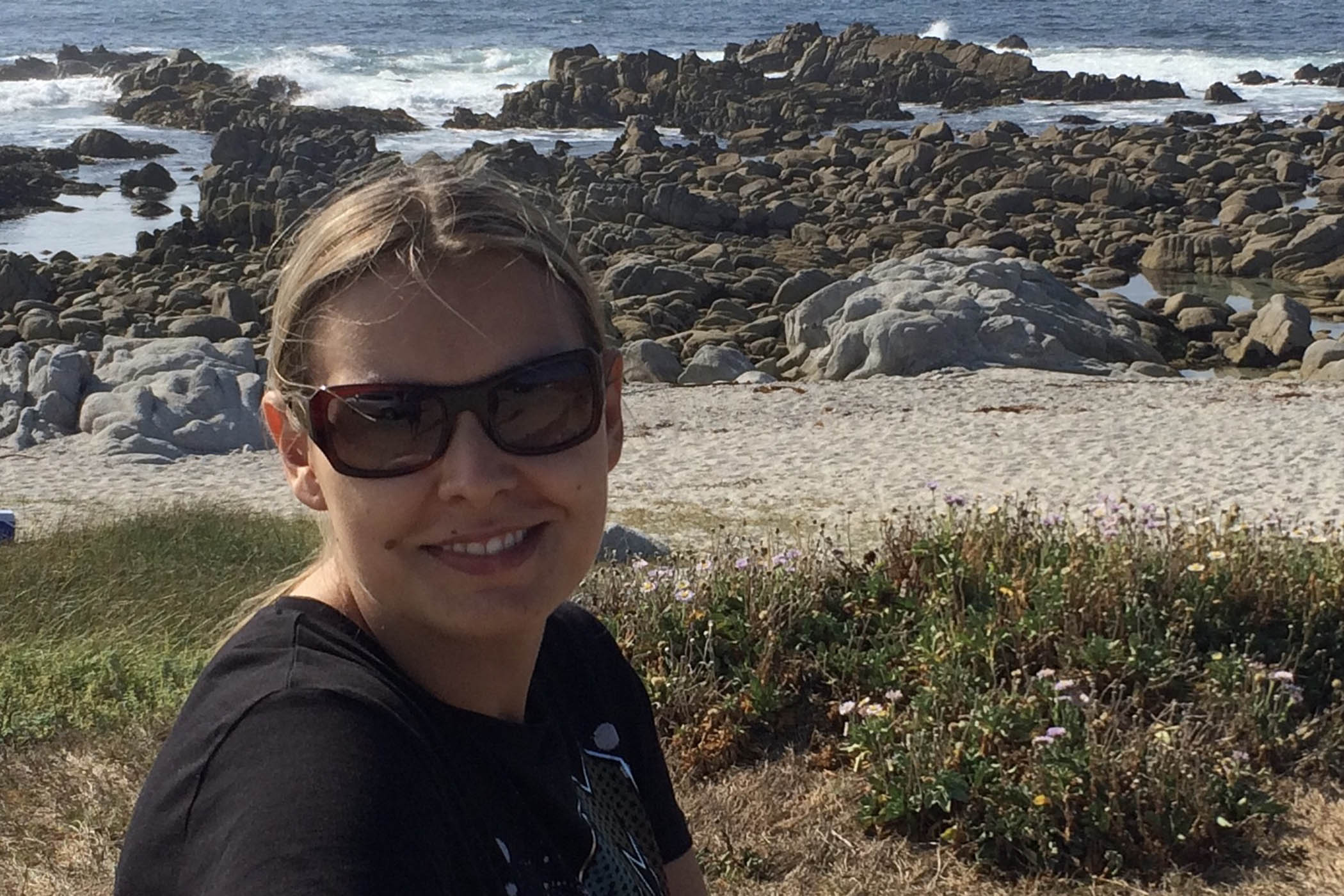
Tarryn Baird killed herself in November 2017 in the garage of the home she shared with Trybus. She left a note addressed to her family, which said: “I am so sorry but I just couldn't take it any more… I love you and please forgive me.”
The prosecutor, Tom Little KC, said that in the last two years of her life, Tarryn Baird had spoken to domestic abuse and mental health professionals at least 47 times and accused Trybus of sexual or physical violence on more than 25 occasions. Although she had discussed the alleged abuse with two close friends, her family and her husband said they were unaware of these disclosures prior to her death. On the stand, Trybus denied hurting his wife and said he could not understand why she made the allegations.
An initial police investigation into Baird’s death was opened by Wiltshire police in 2018 but no further action was taken. A new investigation was opened in October 2020 after Michelle Baird found a four-minute audio recording on her daughter’s phone, which had been returned to her by Wiltshire police, that the prosecution alleged was of a sexual assault. The defence said it was a consensual sexual encounter and the jury did not convict on the count of rape related to it. The case was subsequently taken over by Dorset police.
Newsletters
Choose the newsletters you want to receive
View more
For information about how The Observer protects your data, read our Privacy Policy
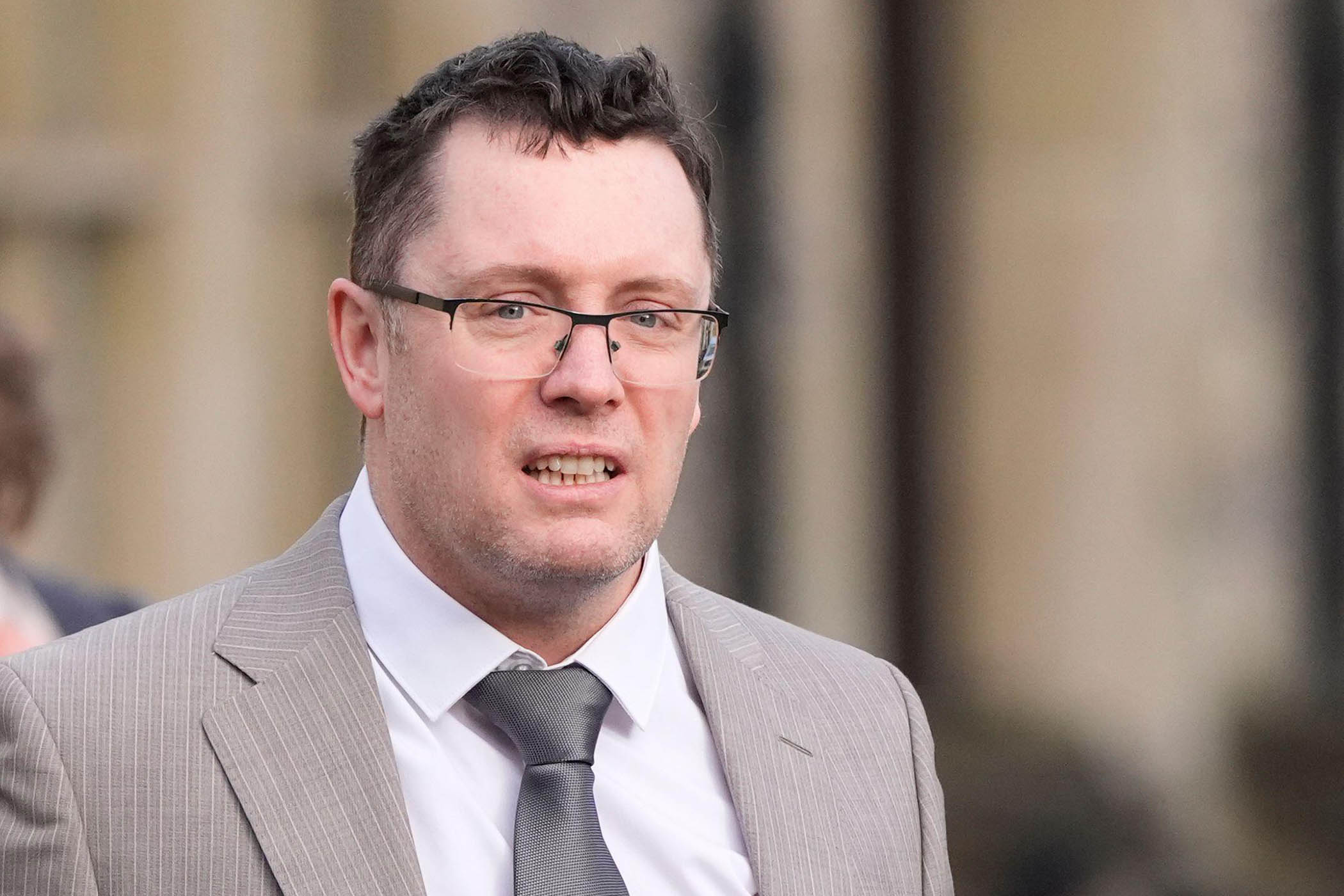
Christopher Trybus arriving at Winchester crown court
The jury was shown photographs of what the prosecution called a “catalogue and constellation of physical injuries”, including bruising to Baird’s abdomen, neck, face and arms, which she claimed to have been caused by Trybus, as well as diary entries in which she described him putting his hands around her neck during sex and the audio recording of the alleged assault. One pathologist compared images of the bruising on her abdomen to those she would expect to see after a “traffic accident”.
Katy Thorne KC, for the defence, said that while the case was “tragic”, the allegations were “demonstrably false” because in some cases Trybus was working out of the country when Baird said he had abused her.
She said that Baird, who had been diagnosed with PTSD after witnessing two violent incidents in South Africa, was a “troubled woman” who might have been “addicted to the care and attention” of professionals.
Throughout the trial the defence suggested that some of Baird’s injuries could have been the result of self-harm and in her closing speech Thorne described her as “a very good actress” who had always tried to avoid police involvement in her case as “all the lies would be revealed”.
Michelle Baird said that while she understood it was their job, the defence’s portrayal of her daughter was “cruel” and “incredibly insensitive”.
“This is why people don't pursue the truth, because they're scared about how they're going to be treated and it's wrong,” she said. ”Surely to God there's a way of doing it [that is] kinder?”
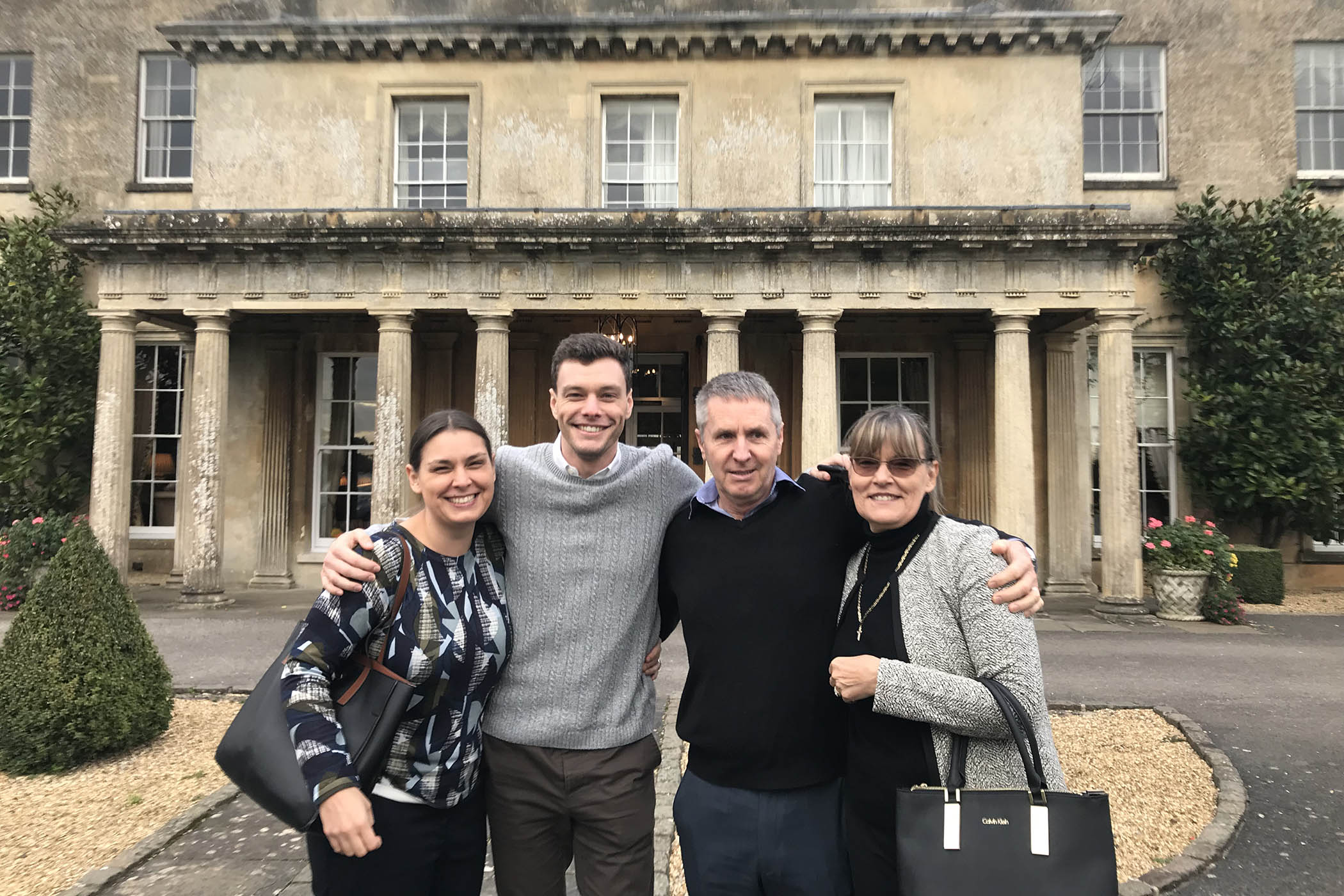
Tarryn with her brother, Greg, and their parents on a family holiday
When asked while giving evidence on the stand how he feels about his wife now, Trybus said: “I was very happy and I think she was too… I still have the good memories. But it’s tempered now by the struggle, now I’m in this position.”
He told the court that he was not “angry” at his wife, adding: “I feel bad that she was in such a place that she was saying all these things, what was going through her mind. But then there’s just a little bit of, I don’t want to go as far as anger. It’s such a mixed-up feeling. I struggle to even put it into words.”
He said he had “absolutely not” been violent towards his wife and that a particular incident of bruising to Baird’s neck, which a pathologist for the prosecution said looked worse than cases of fatal strangulation that she had seen, had not been caused by choking but was the result of consensual “rough sex” using a BDSM collar they had ordered online and used just once.
The case is the latest example of a new frontier of prosecutions where juries are asked to consider a complex question: can someone be held criminally responsible for the death of a partner who has taken their own life if they have been subjected to domestic or sexual abuse?
In this case, as the jury did not find Trybus guilty of coercive or controlling behaviour, or the two rapes, there was no legal basis for them to find him guilty of manslaughter.
In her closing speech, Thorne, for the defence, compared the prosecution of Trybus to the Reign of Terror that followed the French Revolution, in which tens of thousands of innocent people were killed in order to protect the principles of the republic. She questioned whether the case was part of “a revolutionary agenda” that assumed women were “saints” and had “lost sight of the common good”.
Experts says the number of women who are driven to suicide by domestic abuse has been systemically under-reported and that police forces are failing to investigate properly the circumstances around these deaths, as reported in the Hidden Homicides podcast series by Tortoise Media, which now owns The Observer.
According to the latest available data by Domestic Homicide Project, a Home Office-funded research project led by the National Police Chiefs' Council, between April 2020 and March 2024 there were more suspected suicides following domestic abuse than there were intimate partner killings.
Until earlier this year it’s believed there had been no successful convictions in British cases that had been contested and were seen by a jury, although in 2012 Nicholas Allen pleaded guilty to the manslaughter of his partner, Justene Reece, who killed herself due to his abuse.
But in early March, in the middle of the Trybus trial, a Scottish court found Lee Milne, 40, guilty of culpable homicide and domestic abuse after his wife, Kimberly Milne, 28, took her own life following 18 months of violence at Milne’s hands. In a landmark legal case, he was sentenced to eight years in prison earlier this month. It was the first prosecution of its kind in Scotland.
A spokesperson for the Crown Prosecution Service said: “We respect the decision of the jury. They have heard all the evidence and come to their verdicts. We recognise that domestic abuse has a devastating impact on victims and in some instances this can lead to victims taking their own lives. We will work with police from the earliest stages. Our view is that there is a strong public interest in prosecuting cases where the evidence shows that a death followed domestic abuse.”
Samaritans can be contacted on freephone 116 123, or email jo@samaritans.org or jo@samaritans.ie.
Photograph courtesy of the Baird family
Additional photograph by PA Images / Alamy