Our experience… has been that the lack of accountability is now so built into the system that it has corrupted every layer of our society.”
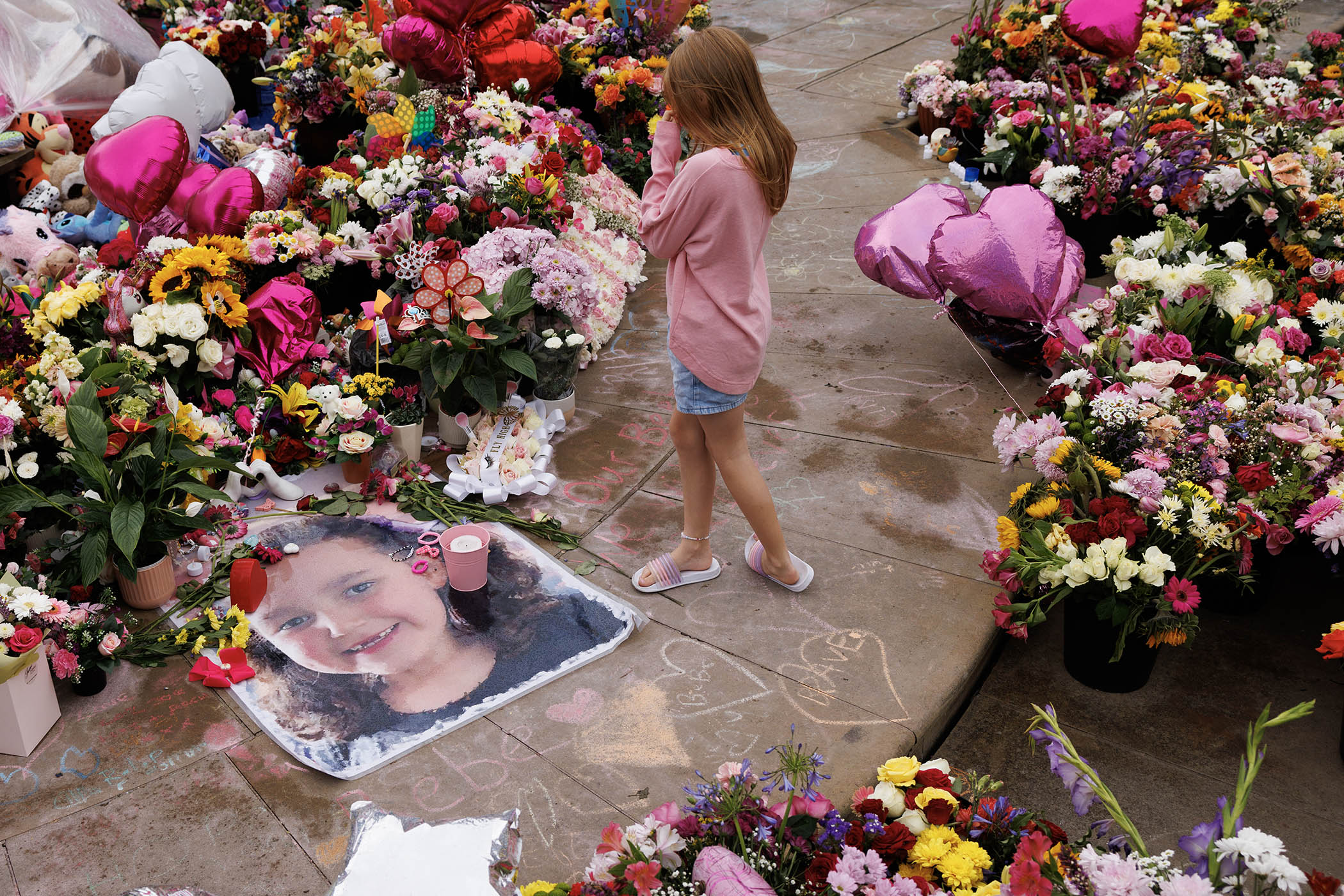
That might have been said by a witness at the inquiry into the deaths of the three girls murdered by Axel Rudakubana in a Southport dance class in 2024, which published its first report last week. Or at the inquiry into the murder of three people by Valdo Calocane in Nottingham in 2023, which began recently. Or one of the thousands of young girls betrayed in the grooming gangs scandal. Or any of the victims of the Post Office scandal.
The quote is in fact from Kimia Zabihyan from the Grenfell Next of Kin group, whom I interviewed more than two years ago. This June will mark the ninth anniversary of the Grenfell fire in which 72 people died. For almost eight of those years there was an inquiry that exposed a culture of corporate corruption and official malfeasance. Yet still no one has been held accountable for their part in that tragedy. It’s a failure of accountability at two levels: the reluctance of many with power to take seriously their responsibilities towards the public; and the inability to bring to justice those who have acted wrongfully.
The kind of anger felt by so many Grenfell campaigners and bereaved families spills out of the Southport inquiry report, too. It is unsparing about everyone from the parents to the police, from social workers to mental health experts. Its conclusions about Rudakubana’s parents apply also to most of the professionals and officials. Had they “done what they morally ought to have done”, the deaths of Alice da Silva Aguiar, Bebe King and Elsie Dot Stancombe “would not have occurred”.
Many of these criticisms have been echoed by the inquiry into the Nottingham killings, in which three people – Grace O’Malley-Kumar, Barnaby Webber and Ian Coates – were brutally murdered by Colcane, diagnosed as a paranoid schizophrenic. Exposed again is a story of official failure and lack of responsibility.
Southport. Nottingham. Grooming gangs. Grenfell. Hillsborough. The Post Office. Windrush. Each scandal is different, as are the victims and the perpetrators. What all have in common is an official indifference to the needs of ordinary people.
At its heart, accountability is about morality and power. Meaningful accountability demands that people and institutions accept responsibility for their actions.
The decay of civil society has weakened the ability to keep public bodies in check
The decay of civil society has weakened the ability to keep public bodies in check
It also requires people to be able to scrutinise and challenge institutions and individuals with power. Both sides of this dyad have decayed in recent decades. Individuals and institutions have become less willing to accept responsibility, and ordinary people are less able to hold the powerful to account.
There are many complex factors underlying this process. Our sense of obligation to others is forged out of social bonds. A more atomised society, the disaggregation of communities and the corrosion of organisations that provide solidarity have all helped fray those bonds, and so also our understanding of responsibility.
Institutions have always closed ranks to protect themselves and their reputations, deflecting criticism and concealing wrongdoing. What keeps such tendencies in check is pressure, internal and external. The moral sense of employees, whether as individual whistleblowers or through the collective heft of unions, can limit the degree to which responsibilities are evaded. When that sense of a wider moral duty wanes, so does the ability to keep organisations under scrutiny.
Newsletters
Choose the newsletters you want to receive
View more
For information about how The Observer protects your data, read our Privacy Policy
And then there is outside pressure, through organisations and movements that embody the interests of ordinary people, from trade unions to women’s rights groups. The decay of civil society has again weakened the ability to keep public bodies in check.
As the distance between public bodies and the people they are supposed to serve has grown, and as their sense of a moral duty to the public has diminished, so such bodies have become guided by norms that can appear morally necessary but which, applied unthinkingly, can serve to undermine their wider obligations.
In the case of Rudakubana, sensitivity to the fact that he was autistic led mental health workers not to intervene even as his violence became more uncontrollable. With both Rudakubana and Calocane, many professionals were nervous of taking action for fear of being cast as racist. When the deputy headteacher at Rudakubana’s school raised concerns that he might commit terrible violence, she was accused of “racially stereotyping” him as “a black boy with a knife”.
There is indeed a long history of racial stereotyping. It is striking how much of the commentary on both cases has attempted to turn them into black and white morality tales. “This was no ordinary British murder”, insisted Telegraph columnist Allison Pearson, but “a savage Rwandan-style massacre”, a “diabolical cruelty… imported to a placid Lancashire seaside town”. In a similar vein, Matthew Goodwin lambasted “public officials who fail to defend our own people”.
Such pernicious racialisation, the exploitation of people’s pain to foster division, needs challenging far more robustly than it usually is. At the same time, there is nothing antiracist in ignoring facts or in failing to act when necessary because of racial sensitivities. The problem lies in the failure to distinguish between encouraging racism and acknowledging that black people are as capable of committing harm as anyone else. Both the racism and the nervousness about appearing racist are products of a culture in which, what Emma Webber, mother of Barnaby Webber, one of Calocane’s victims, called “the soul and the humanity and the honesty and integrity of us as human beings” has too often become degraded.
Photograph by Dan Kitwood/Getty Images