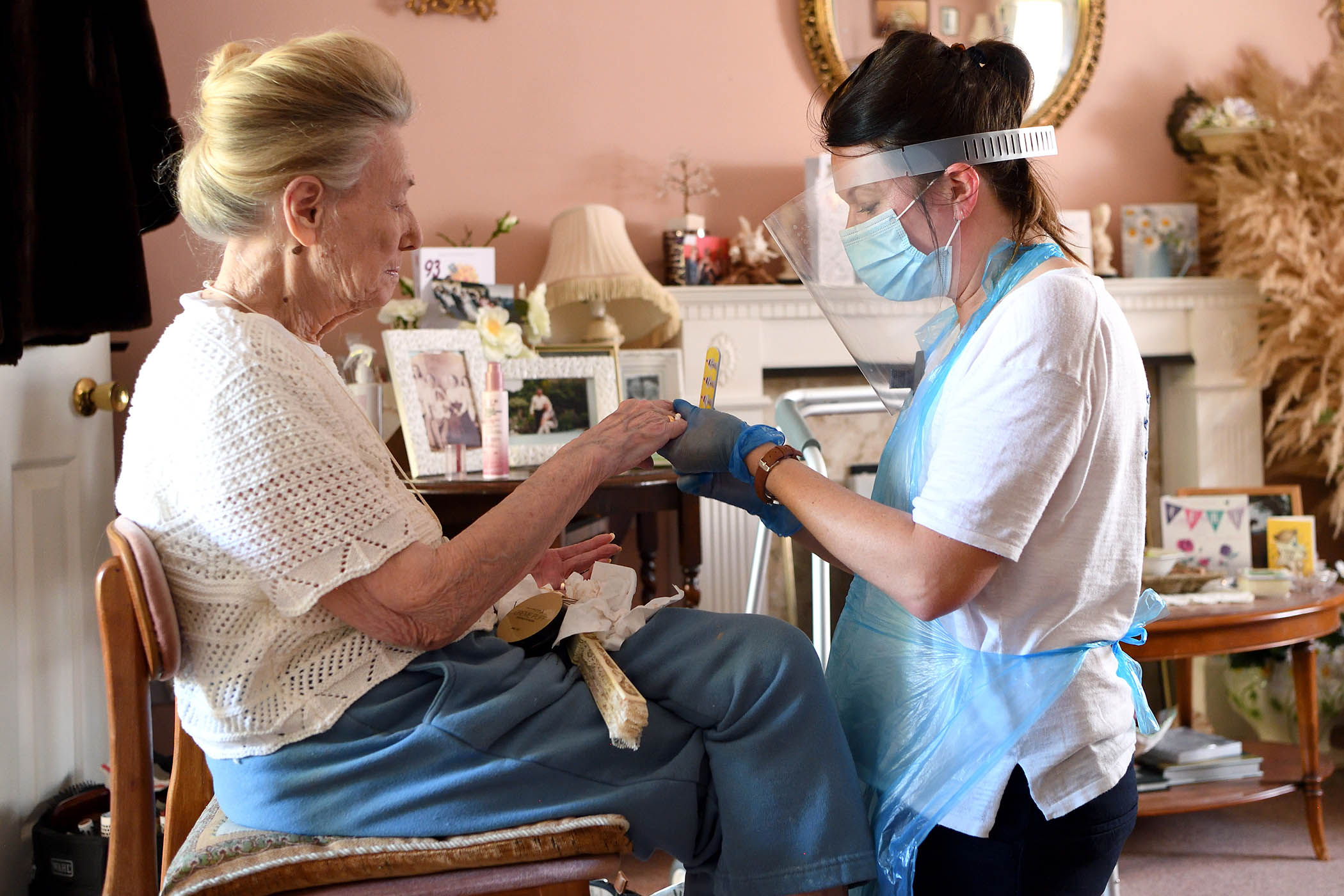


Along with every care company, council and nursing home in the land, I’m looking for a carer. And failing. The number of official vacancies is more than 130,000 across the UK.
That’s a rate three times higher than the wider economy and doesn’t include the numerous empty private posts for domiciliary care. All over social media are ads pleading for help for a disabled husband, or an elderly mother coming out of hospital.
So it’s a heart-sinking task, finding someone, anyone, prepared to look after human beings, especially in their own homes as opposed to care homes. It would be so much easier if my husband and I were dogs – I see vans all over the place advertising dog-walking services, or ironing or cleaning, but none offering personal care and companionship for people.
Wouldn’t it be nice if, in addition to the army of fit, energetic young solo traders in Citroën Berlingos branded Paws on Parade or Wags & Walkies, there was another large fleet driven by entrepreneurial spirits dedicated to the needs of people.
Imagine the equivalent cheery signage. Clean N Fresh, Up & Able, Showers & Smiles, alongside a picture of a happy boomer. Washed N Dressed. Sluiced & Sorted… No, I’ll stop this thread now.
Let’s say, with certainty, that a gaping hole in the market exists. Hunting for a carer is faintly terrifying because, with chronic vulnerability, you never quite know what’s coming round the corner at speed. We are in limbo at time of writing, because my husband’s in hospital. But our home safety net remains thin; I must find back-up.
You have your small number of stalwarts, the shining stars who turn up and make life possible, but they require holidays, days off, weekends, they have hospital procedures, their families get ill, they have dental appointments.
Any 365-days-a-year workforce, however tiny, has to have capacity to cover all this. And when your entire staff is aged 60 or over, when young people are not interested and international recruitment routes have closed, the pressure increases.
So here’s my dream stand-by carer job description. She’s (you think my macho west of Scotland husband would accept otherwise?) kind, resourceful, reliable, unfazed by cows or potholes, and ideally but not essentially in possession of a 4WD car. No other skills required. I’ll teach her everything else.
But such people, especially in rural areas, already have jobs paying more than the rate I can offer under the council’s direct payments scheme. Even if I supplement it, they’re still not there.
Newsletters
Choose the newsletters you want to receive
View more
For information about how The Observer protects your data, read our Privacy Policy
I see the attraction of dog walking. It earns about £2,500 more a year than caring, plus a shorter day, because you can exercise multiple dogs together in an hour (group power-washing being not yet applicable to fragile people, though give the corporates time).
Maybe it’s not pay, however. Maybe it’s the customers. Evidence suggests young people are more attracted to helping animals than human beings. The ubiquity of pet videos on social media; the fact supply meets demand in veterinary nursing; the growth by almost 70% in the UK dog population since 1970; and above all the familiarity – one third of households live with a dog, not a granny.
Worryingly, even if domiciliary care jobs offer huge incentives, they’re unfilled. With a certain amount of schadenfreude I peek occasionally at vacancies for staff for the super-rich, offering fat wages and houses to live in. They too lie untaken. The problem is grave.
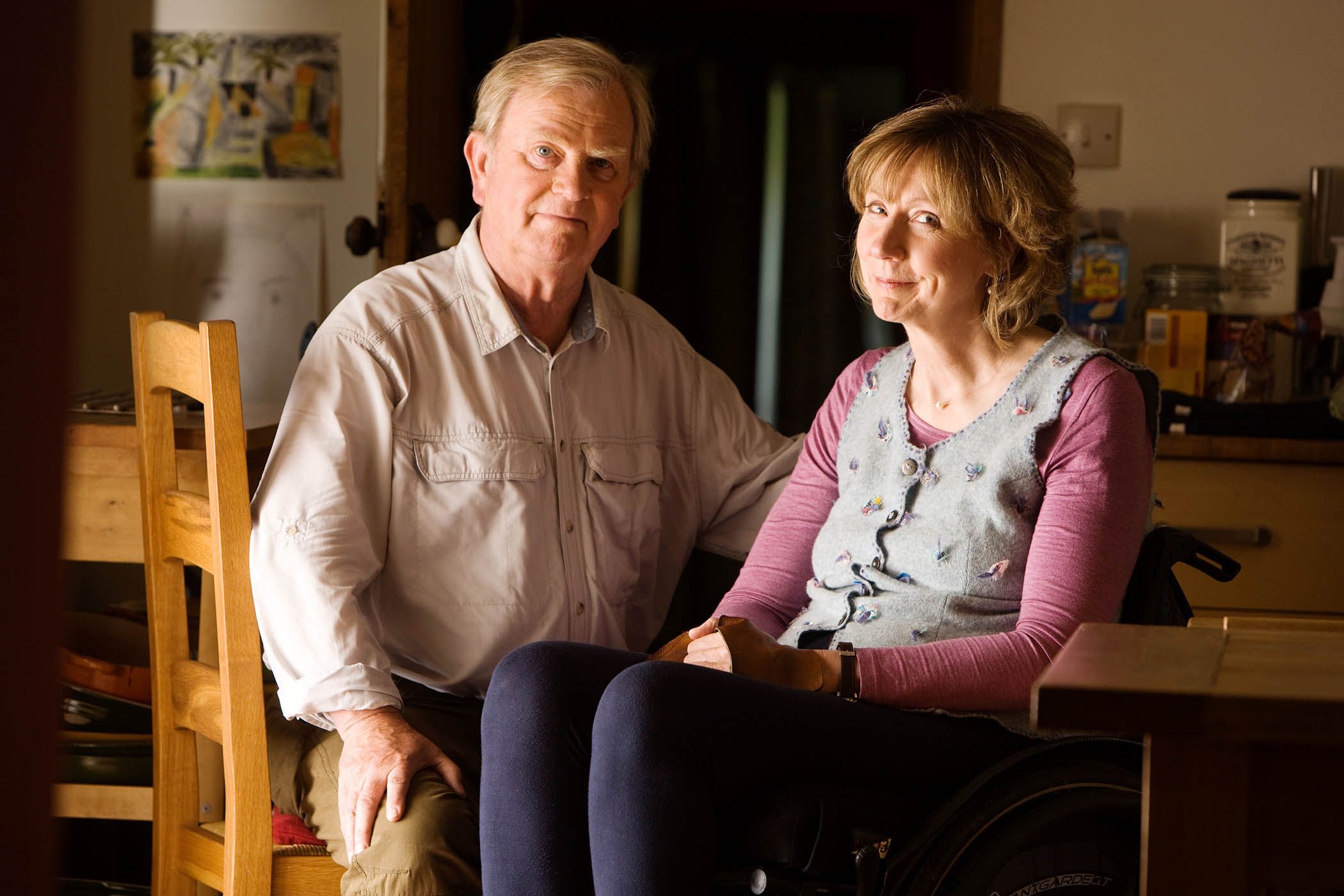
Melanie Reid is tetraplegic after breaking her neck and back in a riding accident in April 2010
Photograph by Karwai Tang/Getty Images