

Photographs by Antonio Zazueta Olmos for The Observer
When he was a boy, the prisons minister James Timpson spent hours waiting outside Styal prison while his mother visited the women inside. “My parents were foster parents and quite a large number of the children came to us because their mother was in prison here,” he says, as we arrive at the jail. “My mum used to bring them in once or twice a week to see their mum to keep that connection going.” He and his siblings, Victoria and Edward, would stay in the car. “We used to sit there and fight, and listen to Abba on the cassette player. I remember being intrigued by what happened beyond the big wall.”
He would wonder about the “really bad things” the prisoners must have done. “I think we were too young to really understand,” he says. “My mum would explain that she was helping children and helping to keep families together. It was just part of life.” Over 30 years, the Timpsons took in more than 90 neglected and traumatised young people. “We had to share everything,” the minister says. “The foster children used to turn up in the middle of the night so we’d wake up in the morning and new people would be having breakfast wearing our clothes.” He never resented it. “That’s not my personality. It was brilliant, chaotic, probably a bit eccentric but it was normal to us.”
Timpson became fascinated by the criminal justice system and passionate about turning prisons from places of retribution to engines of rehabilitation. When he took over his family’s key-cutting and shoe-repair business, he made a point of hiring ex-offenders to give them a “second chance”. His condition for accepting the role of prisons minister in Keir Starmer’s government after the 2024 general election was that the words “reducing reoffending” should be added to his title. “That’s got to be the purpose of the job.”
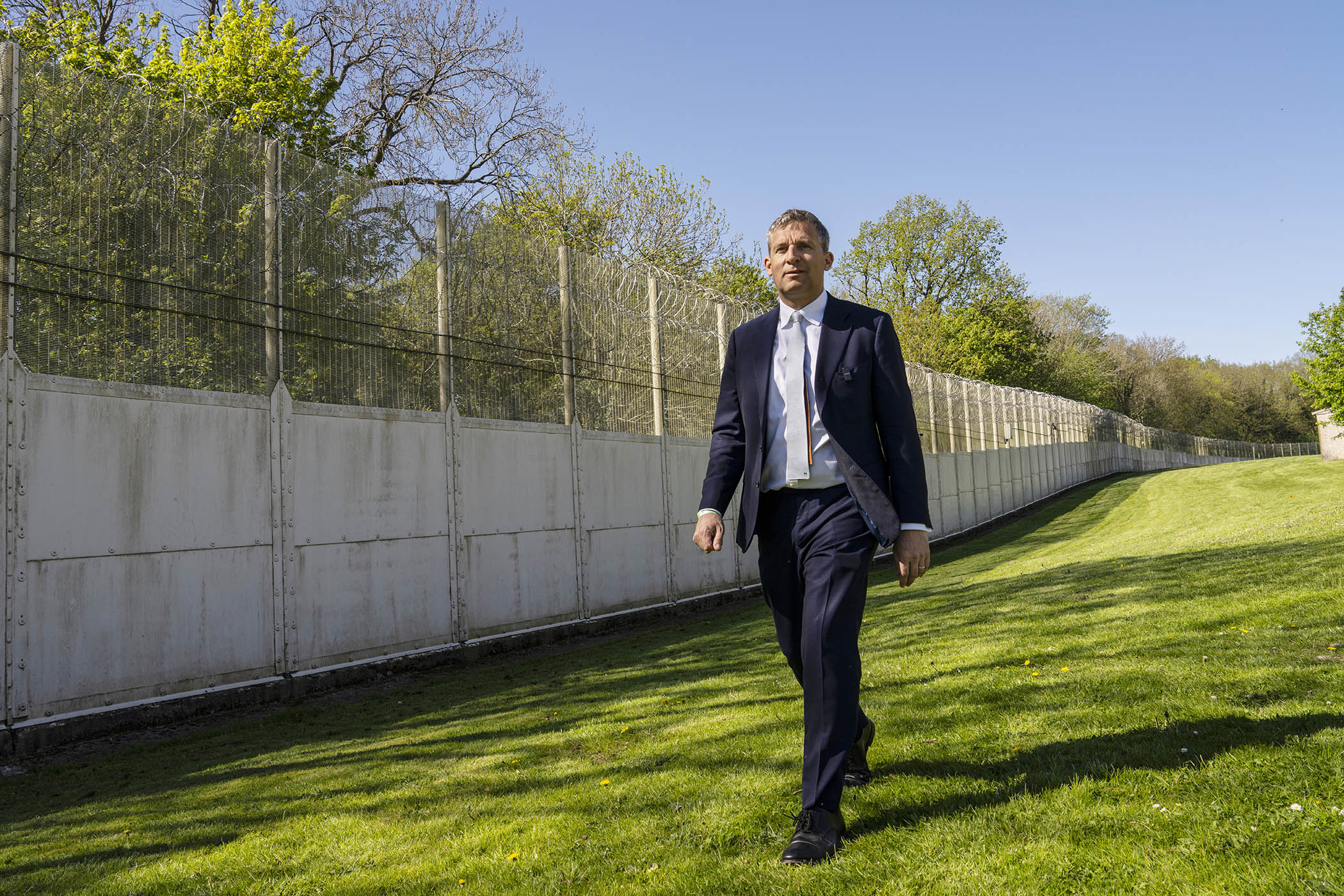
Our walk will take us around Styal prison and then out through the gates and across the Cheshire countryside towards Quarry Bank Mill. Timpson often comes to the jail, which is near his Wilmslow home, and it always reminds him of his childhood visits. “The buildings are the same, but it’s 40 years on and similar problems still exist,” he says. “There are lots of women here who are stuck in a cycle of criminality and find it very difficult to get out of it.” As the minister parks his car, a woman knocks on the window and asks if he has a light. He tells her he hasn’t. As she walks on, he says: “She’s just been released. The question is, has she got anywhere to live?”
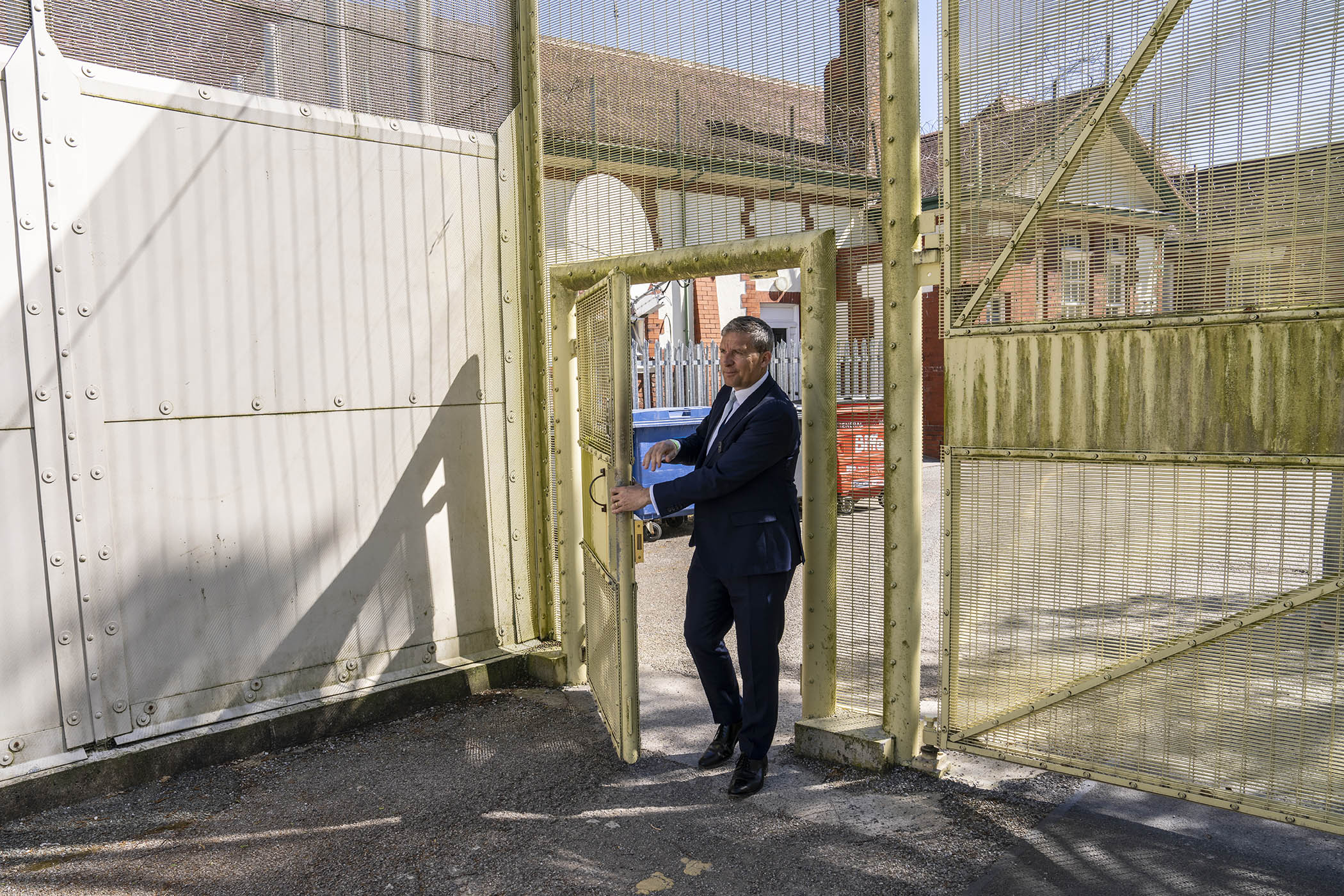
We pass through several gates and enter the jail. This is a closed prison so security is tight and there are lots of clanging doors, but Styal also has green spaces, tree-lined avenues and well-tended gardens that make it feel more like a village than a prison. With its clock tower, Edwardian-style cottages and duck pond, it reminds me of Trumpton, the sleepy rural town in the 1970s children’s television show. Last time Timpson visited there were seven prisoners protesting up a tree. Today several are sitting in the sunshine outside the residential blocks.
Timpson wants to close at least one women’s jail. “Women’s prisons are full of women who are not very well,” he says. “A lot of the women are there because of relationships with men where they’ve been abused and beaten up. The brain damage that they’ve had often can lead to poor decision-making.” About 80% of the women arriving at Styal are addicted to alcohol or drugs and a similar proportion have mental health problems, although there is crossover between the two groups. Self-harm is rife. One prisoner bangs her head so hard against the wall of her cell that she repeatedly ends up in hospital. The minister still finds it shocking to see women “bandaged up” to cover the wounds. “Even when they’ve got through this and they’re working, the scars never go.”
More than half of women in prison have children. At Styal, two are pregnant and there are three mothers with newborns. “It’s the impact on the kids that I always think about here,” Timpson says. “Around a quarter of people in prison have been in the care system so you’re basically already pre-describing the life of so many people because their parents have been in the prison system.”
The government has commissioned an independent investigation by the Prisons and Probation Ombudsman to examine whether restraints have been used appropriately during pregnancy, after reports of prisoners being shackled in labour. Timpson says women should never be giving birth in handcuffs. “I am a husband and a father and when a child is born it is not just about the child, it’s about the experience of the mother too. It’s a traumatic period and it’s just not right.”
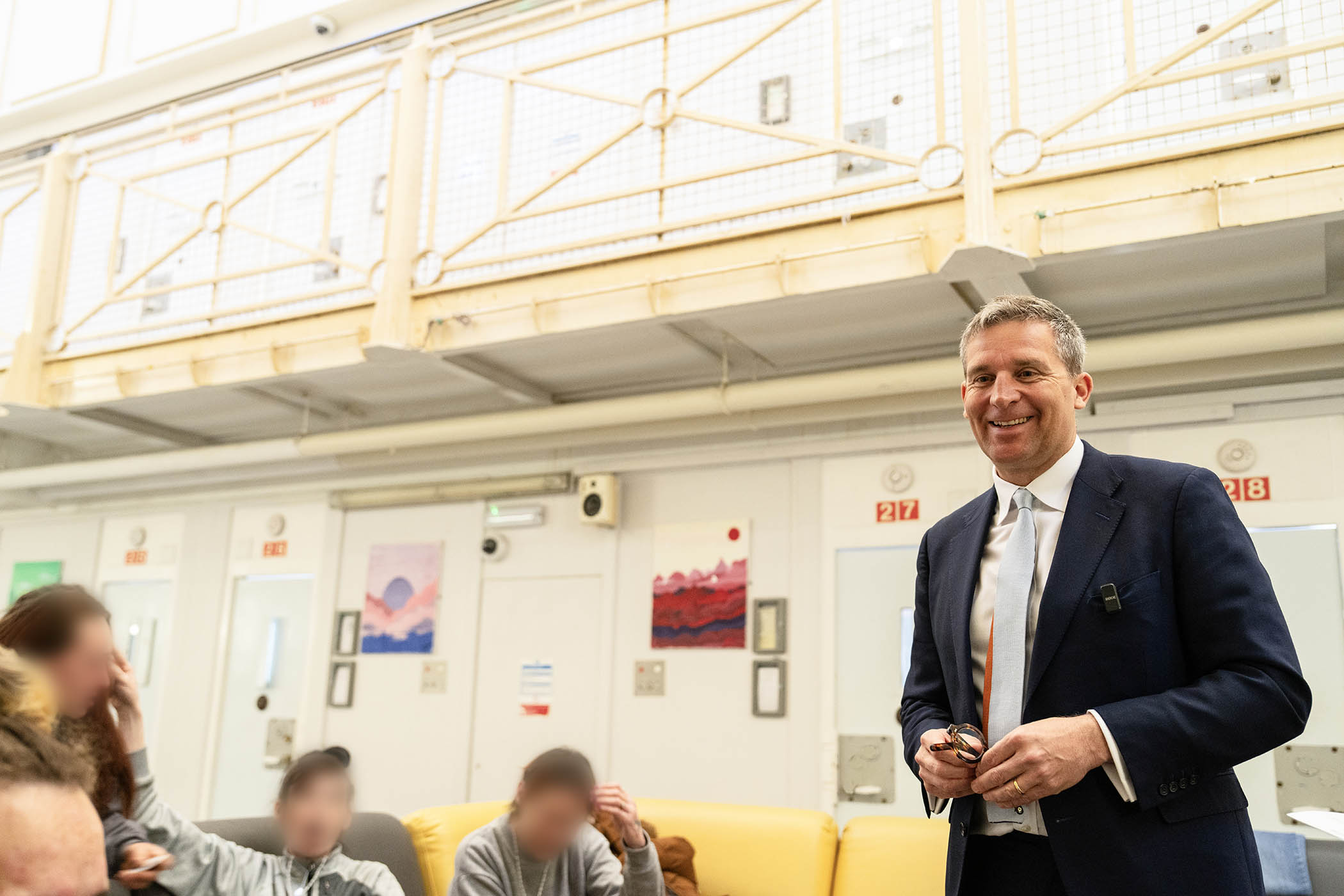
We cross a courtyard, through two more sets of gates, and go onto the induction wing of the prison. A group of recent arrivals are sitting on sofas, chatting. One woman tells Timpson that she is on her 25th sentence for shoplifting because she keeps being released with nowhere to live. The other women in Styal are the closest thing she has to family, she says.
Newsletters
Choose the newsletters you want to receive
View more
For information about how The Observer protects your data, read our Privacy Policy
Michael Howard famously said that “prison works”, but Timpson insists that jails are failing society if they do not make their inmates less likely to commit more crimes after they are released. “Eighty per cent of offending is reoffending,” he says. “We’ve got to get better at helping people not go back into the system. Probation is where the heavy lifting of the justice system is done. There are 90,000 people in prison in England and Wales and a quarter of a million people in the hands of probation.”
Before he went into government, Timpson told me that Britain was “addicted” to punishment and that jails were predominantly full of “broken” people. A third of prisoners should not be there at all, he said, and another third should be receiving treatment. As a minister, he is more circumspect but he makes a similar point. “My view is that if we can help address people’s addiction, mental health and trauma, they are far less likely to go out and commit further offences and come back in. And that’s what’s got to be the focus, especially with women. I genuinely believe most of the women here are victims.”
In the library, prisoners are doing jigsaw puzzles and reading books. “Too many times I go past classrooms and they’re not full,” Timpson says. “It’s not just about education, it’s about giving people skills for a job on release.”
‘If we help address people’s addiction, mental health and trauma, they are far less likely to go out and commit further offences and come back in’
‘If we help address people’s addiction, mental health and trauma, they are far less likely to go out and commit further offences and come back in’
Styal has a Marston’s Academy, sponsored by the brewery, including a pub (serving non-alcoholic drinks) and a kitchen where prisoners are busy making pizzas. “When I first started recruiting people from prisons like Styal, I was basically the only person coming,” Timpson says. “Now it’s a competitive business. We had over 300 employers last year knocking on our door wanting to employ people in prison. We’ve got to the stage where in some prisons we probably have more employers than we’ve got people wanting to be taken on.” He thinks public perception has changed and that businesses are catching up. “They’ve worked out they can find some really good people who work hard and are loyal.”
We stroll past the wildflower meadow and sit on a bench in the prison’s “reflection garden”. Timpson says he and his wife, Roisin, who runs the hospitality wing of the family firm, have always wanted to help “people who have had a difficult time”. Soon after he took over as chief executive of Timpson in 2002, they were invited to a local jail. “Matthew, the 19-year-old lad who was showing us around, had the right personality. He was fun, interesting, engaging but he couldn’t get a job because he’d got a criminal record for fighting.” Timpson took him on. “He’s still working for the business. He’s married with two kids and he’s doing really well. He’s a manager now.”
Now around one in nine of the people working in his company are former prisoners. Timpson says they are some of his best employees. “They are more ‘sticky’ because we’ve given them a second chance.” He wants the civil service to hire more ex-offenders. “The best policy comes from people who’ve been through it,” he says. “I just love giving people an opportunity. I can see the positive in people where others maybe can’t . Sometimes I get it wrong but I’m an eternal optimist and I like fixing things.”
There is a lot that needs fixing at the Ministry of Justice (MoJ). Timpson inherited a prison system in crisis with violent, overcrowded jails keeping inmates locked up for 23 hours a day. Arriving in Whitehall was, he admits, a “traumatic” experience for a businessman. Within days of his appointment, he was told that the prisons were about to run out of space and he had to sign off an emergency release scheme. “We got down to less than 100 spare cells one night, which is really dangerous.”
Since then the government has introduced changes to sentencing laws that will reduce the number of people in jail for less than a year and increase the use of community punishments and electronic tagging. Prisoners will be able to earn early release through good behaviour. Timpson insists the system is starting to turn around. “There are green shoots everywhere. Over 80% of our prisons are performing better than when they were previously inspected. There are a few areas that still haven’t responded to the medicine yet - drones and drugs are still a big concern… but the momentum is there.”
Huge problems remain, however. Last month, the government was forced to admit that 179 prisoners had been released “in error” between April 2025 and March 2026. Timpson insists his department is getting a grip on the issue. “It’s a result of a lack of investment in technology. The fact is you can never guarantee that any system will be 100% correct. You’re going to have mistakes. But if you go into an offender management unit, you will see piles and piles of boxes of paperwork… The number of releases in error has come down dramatically since we put more checks and balances in place but what it needs is a fundamental digitisation of the system.”
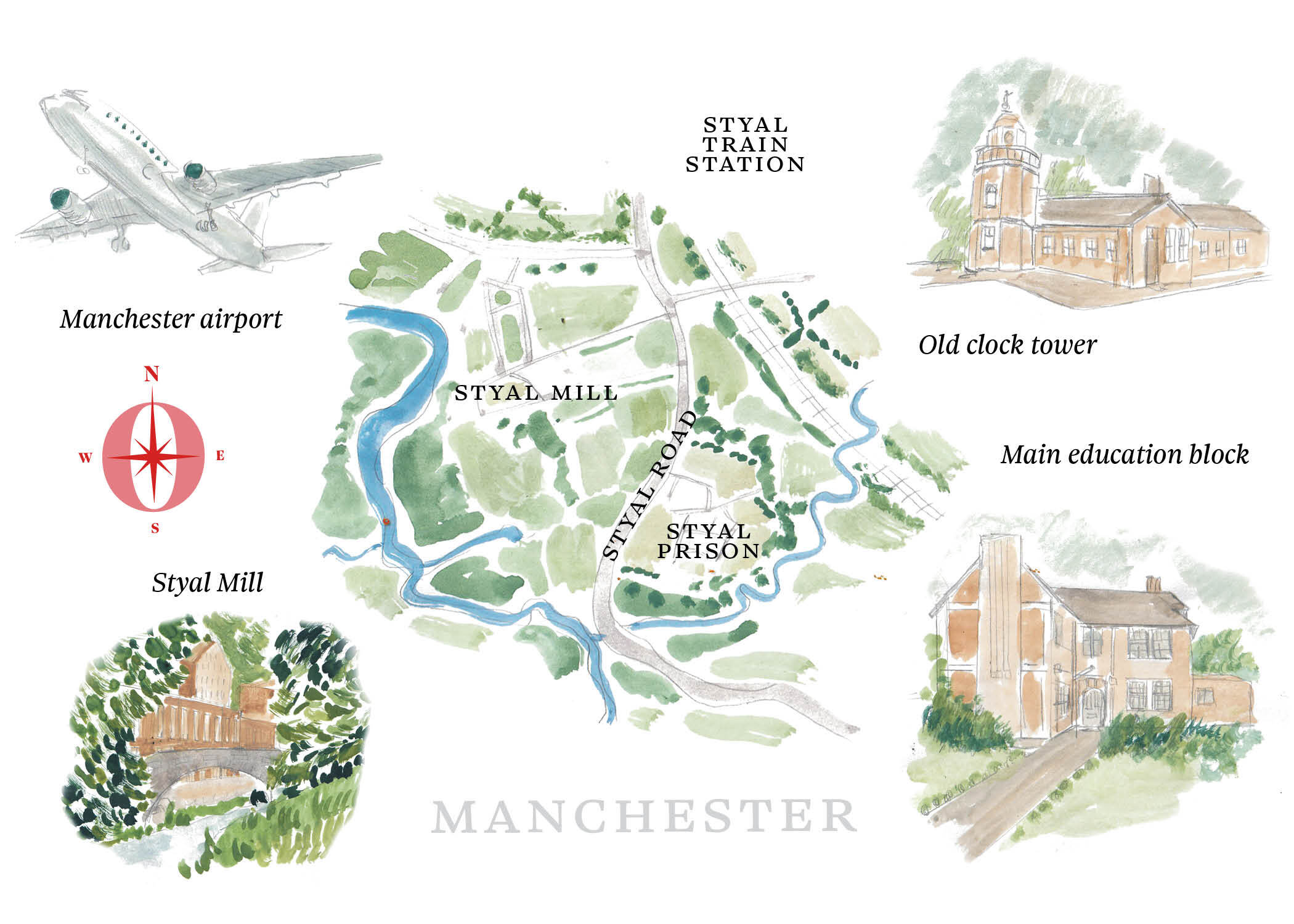
We leave the prison and set off towards the mill. The sound of cows mooing mingles with the noise of traffic. As a businessman, Timpson championed the importance of “ethical capitalism”. He appointed a director of happiness for his firm and instituted what he called a Happy Index to rate employees’ wellbeing. “It was all about measuring colleagues’ happiness because the happier they are, the more profit the company makes,” he says. “That doesn’t mean you’re a softie or a pushover, it means you treat every individual in the way you would like to be treated yourself.”
He has tried to institute a similar culture at the MoJ but the prime minister has been criticised for throwing civil servants and aides under the bus. What advice would Timpson give to Starmer about leadership? “I’m not a political person,” he replies. “It’s not my job to give advice to the prime minister but all I can say from what I’ve learned is that there is a huge amount of potential for us to improve the way we deliver public services.” The secret of success for a leader is, he says, “to surround yourself with talented people, let them get on with it, trust them, but also make sure that when things aren’t going right, you come up with a plan”.
We turn down a quiet country lane lined with high hawthorn hedges. Timpson says there is so much the public sector could learn from the corporate world. “There are too many rules and guidelines that mean the system doesn’t allow people to make quick, instinctive decisions.” He is baffled by government reshuffles. “In business you want the aces in the right places, the people who are really passionate about their subject, but you don’t do one day where everything changes.”
Since 2010, there have been 15 prisons ministers. Timpson is already the fifth longest-serving holder of the post in 20 years. As we arrive at Quarry Bank, he admits he is unusual – perhaps unique – at Westminster because he has absolutely no political ambition or desire to be prime minister. “I’m one of the few people who actually wants to be prisons minister and doesn’t want to do anything else,” he says. “It’s been a real privilege to be offered this job but when I finish I’m going back to run my family business.”