

A haunted young man, played by Harvey Keitel, stares into the mirror before collapsing on to the bed. As his head hits the pillow, the pounding music begins: boom ba-boom crash, boom ba-boom crash. Then the singer: “The night we met I knew I needed you so…” The title card for Mean Streets appears as the backing voices rise: “Be my, be my baby…”
The Ronettes’ 1963 hit, used a decade later by Martin Scorsese to open his film, became a classic. Dick Clark, arbiter of American musical taste, predicted it would be “the record of the century”; Brian Wilson, of the Beach Boys, called it his “all-time favourite song”. Sixty years on, Be My Baby ranked No 22 in Rolling Stone’s list of the greatest songs.
The Ronettes – two sisters and their cousin from Manhattan – were briefly a sensation. Known for big hair, bold make-up and songs directed bluntly at the male objects of their desire, they had five Top 40 hits in 16 months, with Be My Baby reaching No 2, yet they released just one studio album. Within a few years, Ronnie sought a divorce from an abusive marriage to their producer, Phil Spector; Estelle developed anorexia and schizophrenia and was homeless at times; and cousin Nedra, the last Ronette to die, found God and later worked as an estate agent in Virginia.
Nedra Yvonne Talley Ross was raised in Spanish Harlem in Upper Manhattan. Her mother was one of 14 siblings of mixed African American and Cherokee heritage; her father was Puerto Rican. The cousins sang with their friends in the lobby of their grandmother’s building because of the acoustics from its very high ceiling.
In 1959, Ronnie, Estelle, Nedra and three others entered a talent contest at the Apollo Theatre in Harlem. When the intended lead singer lost their nerve on Why Do Fools Fall in Love?, a hit for Frankie Lymon and the Teenagers, Ronnie stepped forward. Soon she was taking singing lessons with Estelle and Nedra near the Brill Building, the epicentre of the US music industry in the late 1950s and early 1960s.
After early incarnations performing at parties as the Darling Sisters, then Ronnie and the Relatives, they became the Ronettes. In 1961, they signed with Colpix Records and released five unsuccessful singles, one co-written by a young Carole King, but stood out more for their look thanks to Estelle’s job on the make-up counter at Macy’s. “The louder they applauded, the more mascara we put on,” Ronnie said. “We didn’t have a hit record to grab their attention, so we had to make an impression with our style.”
This got them a break at the Peppermint Lounge, where they were mistaken by the owner for a backing group who had actually failed to show up. After impressing him with a Ray Charles number, they were hired as regulars, before being poached by the Brooklyn Fox Theatre, where they were spotted by Phil Spector, an up-and-coming producer. When Estelle cold-called Spector to seek an audition, he was already keen to sign them – or rather to sign Ronnie, with whom he became obsessed. Her mother insisted that it was all three or none. She accompanied them on tour as their chaperone.
Their first single with Spector was their biggest, followed by Baby, I Love You and Do I Love You?. They also recorded Chapel of Love but Spector felt it wouldn’t be a hit so gave it to the Dixie Cups, who took it to No 1. The Ronettes had three slots on a festive compilation of his acts. In 2023, their Sleigh Ride, a Christmas favourite of department stores, reached No 8 in the US singles chart.
In 1964, they toured England, where their support act was the Rolling Stones; Talley briefly dated Brian Jones, their guitarist. Another hit came with Walking in the Rain, although by then Spector was losing interest in anything other than controlling Ronnie. Two years later, when the Beatles asked the trio to open shows on their US tour, a jealous Spector refused to release Ronnie, so Elaine Mayes rejoined her cousins, with Talley taking the lead. Spector, who was later sued by the group for loss of earnings, would die in prison in 2021, 12 years into a sentence for the murder in 2003 of actor Lana Clarkson. Ronnie died in 2022 after a cancer diagnosis; Estelle in 2009.
Her family suspected drugs, she spoke instead of finding clarity
Her family suspected drugs, she spoke instead of finding clarity
Talley’s life took a different course. In 1967, she married Scott Ross, a DJ she had known since the age of 16. They had four children and remained together until his death in 2023. A religious vision in a Maryland church, just before her wedding, changed her life. “I realised that God is bigger than my career, the applause and the money,” she said.
Newsletters
Choose the newsletters you want to receive
View more
For information about how The Observer protects your data, read our Privacy Policy
She returned to New York and said she was leaving the band. Her family suspected drugs; she spoke instead of finding clarity. “Suddenly, the sky was bluer,” she said. While she returned to the studio in 1978, it was to record a solo album of Christian music.
In 2007, she reunited with Ronnie to perform Be My Baby once more, when the band entered the Rock & Roll Hall of Fame. Talley Ross said that she had never expected such an honour. “We just wanted to do music,” she said. “I didn’t think of being 60 one day either.”
Nedra Talley Ross, singer, was born on 27 January 1946, and died on 26 April 2026, aged 80
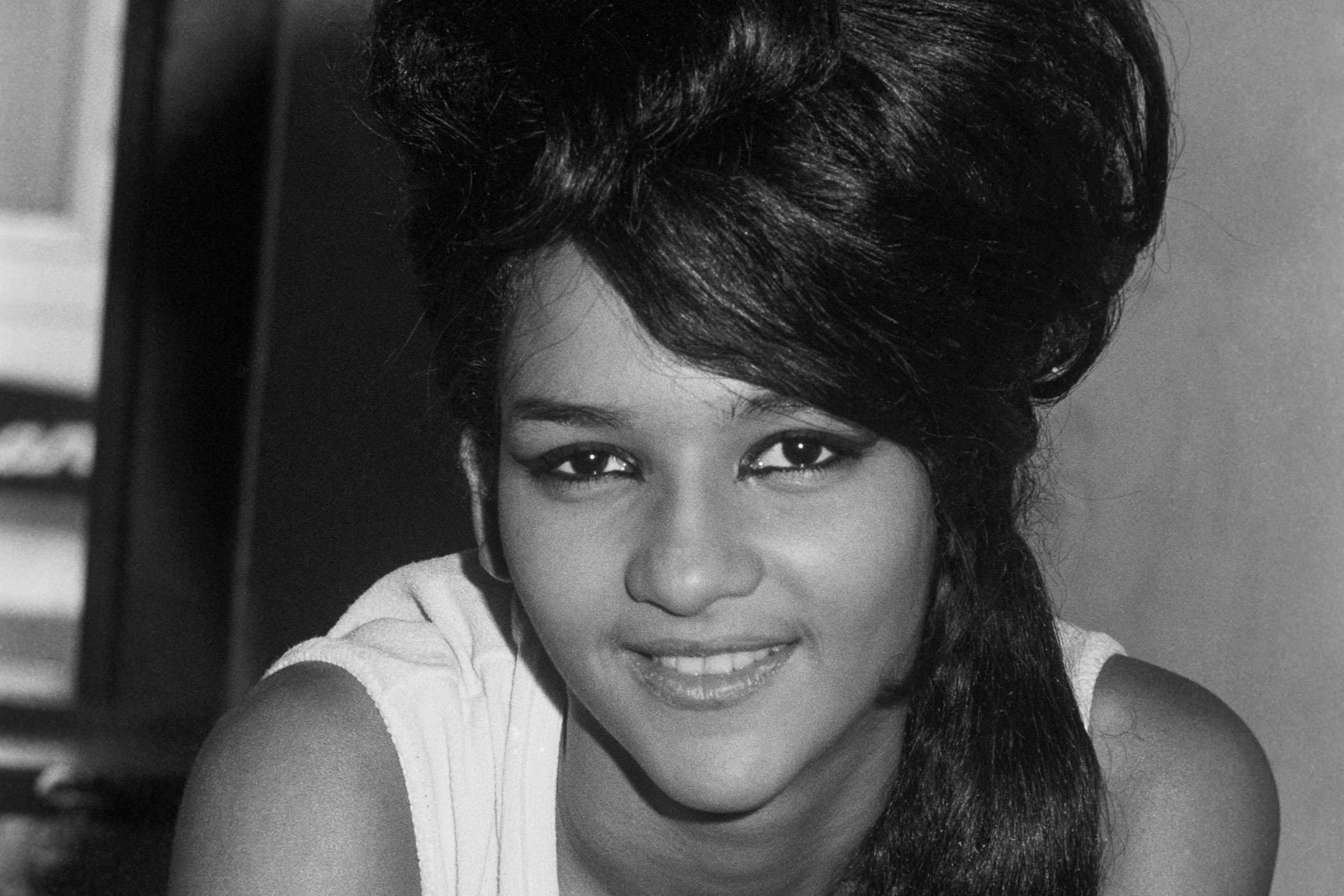
Photograph by Art Zelin/Getty Images