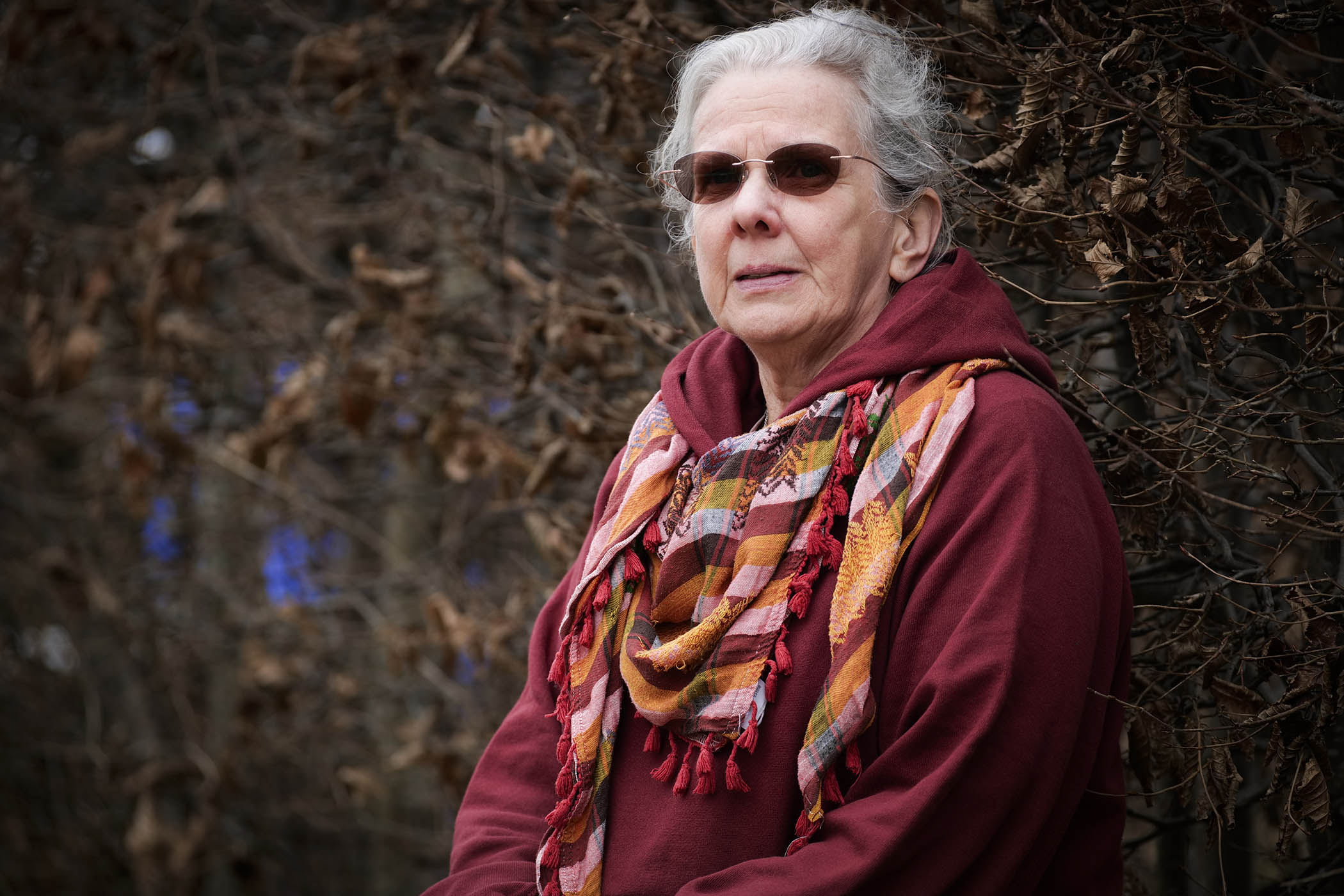




Photographs by Mark Pinder for The Observer
More children are expected to be diagnosed with a fatal neurological complication from measles because they have not been vaccinated, experts have warned.
GPs and public health officials are grappling with a fresh outbreak in London, where there have been 61 confirmed cases of the highly infectious disease in the last month, according to the UK Health Service Authority (UKHSA). Most are children under 10 living in Enfield, which has one of the lowest rates of vaccine uptake in the country.
“As we see more children infected because they are unvaccinated, we are likely to see more children affected by very serious complications,” said Prof Simon Kenny, NHS England’s national clinical director for children and young people.
‘Logistically, it is a nightmare because one infected child can infect 15 or 16 people around them’
‘Logistically, it is a nightmare because one infected child can infect 15 or 16 people around them’
Dr Tehseen Khan
These includes subacute sclerosing panencephalitis (SSPE), a rare neurodegenerative condition that usually appears around six to 10 years after a measles infection. “It’s a gradual but relentlessly progressive brain damage,” said Prof Benedict Michael, a professor of neuroscience and chair of charity Encephalitis International’s scientific advisory panel. “Despite all of our drugs that we throw at it – immune drugs, antivirus drugs – it’s basically universally fatal.”
Jo Walton’s daughter Sarah contracted measles at her nursery in 1979 at the age of 11 months, before children are usually given the vaccine. “She recovered really well. To be honest, it was kind of a non-event, apart from the spots,” Walton said.
But in 2004, when she was 25 and working as a midwife, Sarah developed a myoclonic jerk – an involuntary spasm – that sometimes left her unable to walk. Eventually, she was diagnosed with SSPE. About two months later, and the week before she was due to marry her boyfriend, Sarah suffered a massive seizure. “She went into the hospital walking and talking. And four weeks later, when she came out, she couldn’t move, she couldn’t speak and she couldn't swallow,” Walton said.
Sarah required 24-hour care for the next 20 years of her life. In February 2025, after battling several bouts of pneumonia, she died at home in her father’s arms. “She waited till I left the room to do it,” Walton said. “We miss her. We miss her a lot.”
Between 2000 and 2016, there were only five diagnoses of SSPE in the UK, including Sarah. Six children were diagnosed with the disease between 2017 and 2019. Experts expect to see the number rise.
Newsletters
Choose the newsletters you want to receive
View more
For information about how The Observer protects your data, read our Privacy Policy
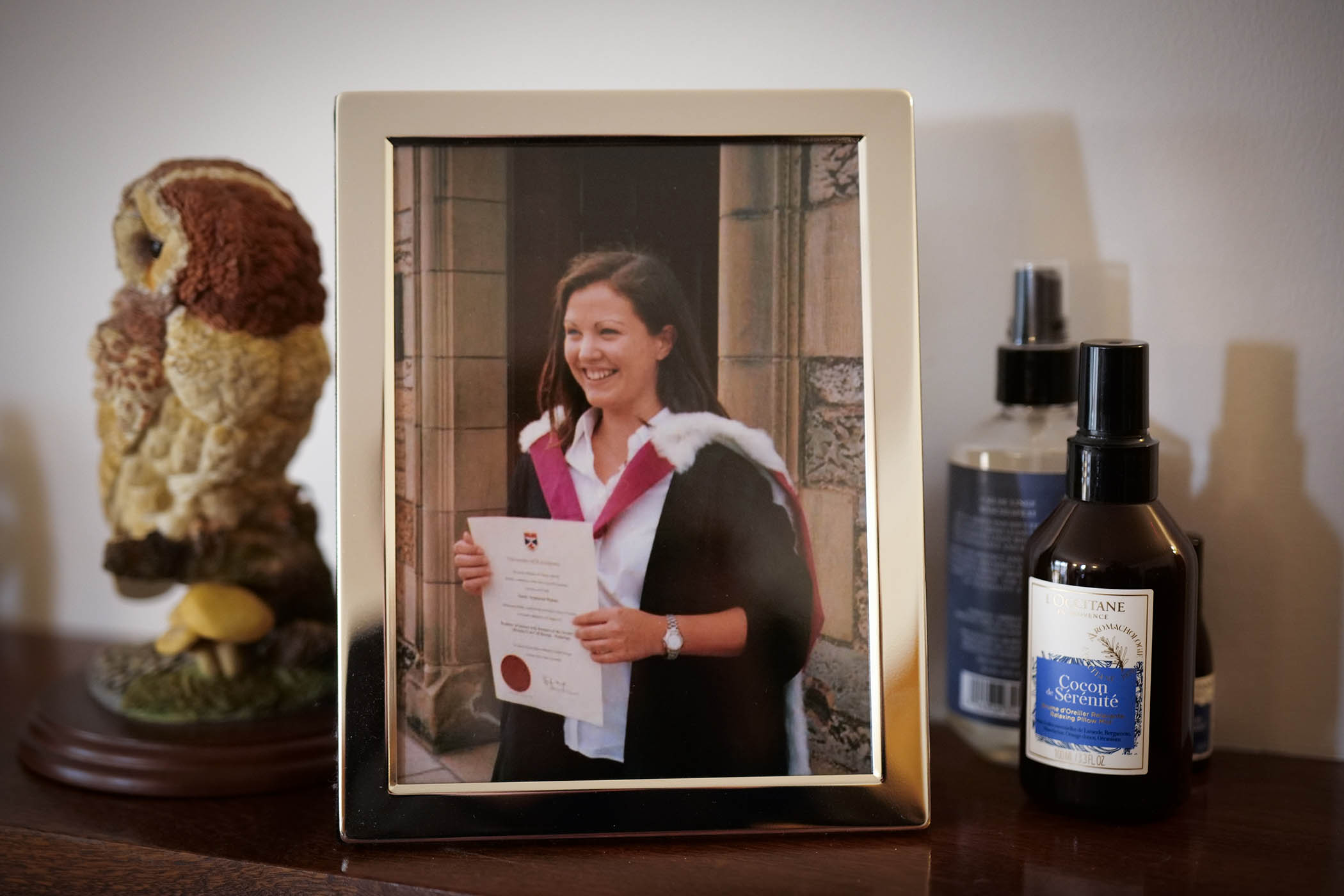
Sarah Walton Sarah required 24-hour care after being diagnosed with SSPE
“In the next decade or so, we would certainly be teaching our junior resident colleagues to recognise SSPE purely because of this resurgence,” said Prof Ming Lim, a consultant paediatric neurologist at Evelina London Children’s Hospital, who has treated multiple children with SSPE. “If you see one case, you will never want to see another case of SSPE in your lifetime. It is a devastating condition.”
Childhood vaccinations have steadily declined in the UK since 1998, when Andrew Wakefield published his discredited paper claiming the MMR vaccine was linked to autism. Now only 83.7% of children have had both MMR jabs, but around 95% of under-fives need to be vaccinated to achieve herd immunity, according to the World Health Organization.
Since 1998, when there were just 56 cases, there have been several significant outbreaks. In 2024, there were more than 3,600 suspected cases, according to the UKHSA, and more than 1,000 last year. London has the lowest vaccination rates, with Stamford Hill, near Enfield, a particular concern. Walton said she felt a “profound sadness” over the resurgence.
Dr Tehseen Khan, a GP and clinical director of the Springfield Park Primary Care Network, said that dealing with cases was “highly stressful”.
“Logistically, it’s a nightmare because one infected child can infect another 15 or 16 people around them,” he said. During an outbreak last year, which led to several children needing intensive care and lifelong complications, the GPs set up vaccination clinics.
“Over five months we managed to deliver 2,600 vaccinations, many of which were MMR,” Khan said. “Our uptake went from 17% to 47%. Obviously, 17% is extremely low, but it’s something we historically have battled with.
“It is depressing that vaccines arrived to prevent these diseases around 80 years ago, and now we’re seeing a resurgence all over, really, because of low vaccine confidence.”