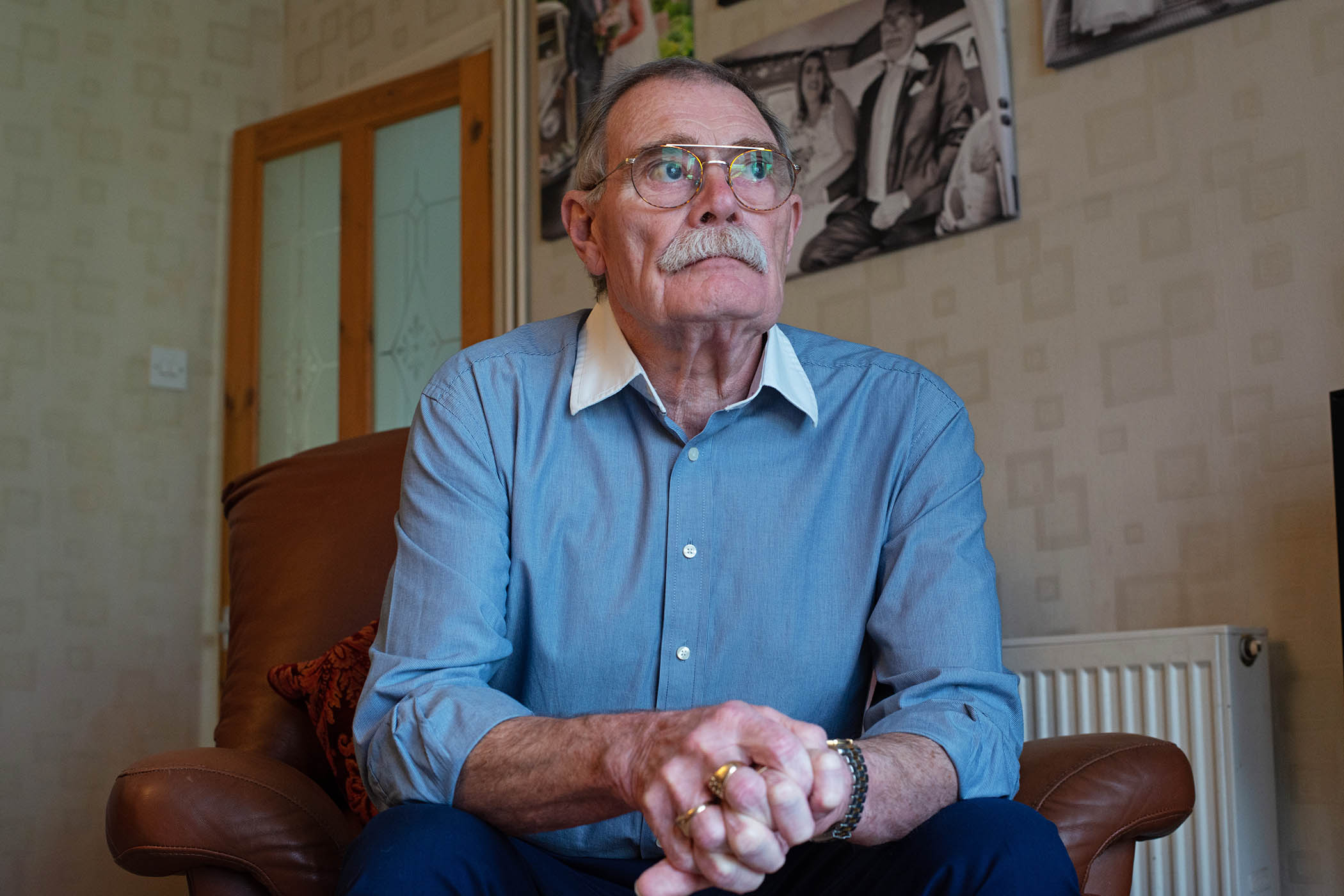




In his four decades of working in prisons, John Kirtley was never warned about dangerous levels of radon gas that he believes caused his lung cancer.
Kirtley, 71, who has been given two years to live, is among almost 800 current and former staff or inmates at six jails suing the Ministry of Justice over their exposure to the naturally occurring radioactive gas.
What began as a specific problem that forced the 2024 closure of Dartmoor prison, a grey granite fortress built to house French prisoners of the Napoleonic wars in the early 19th century, has mushroomed into a wider crisis for Britain’s overcrowded jails. The Ministry of Justice has admitted that it is investigating high levels of radon at 42 prisons or probation sites across the UK.
A full list of those sites with dangerous levels of the gas requiring action to increase ventilation and seal cracks in pipes, walls and floors to stop radon creeping in has not been disclosed. The growing list of affected sites follows an expanded series of tests after results earlier this year revealed that 16 named prisons and 16 probation sites had high radon levels.
Radon, which occurs naturally in soil and rocks, is the second leading cause of lung cancer after smoking in the UK, accounting for 1,100 deaths per year or 3.3% of the annual total. It is also linked to other medical conditions, including infertility.
Every building contains some amount of radon but specific areas around the country experience higher levels. For inmates stuck in cells for hours on end, or jailers forced to work in areas where there are dangerous levels of the gas, the risk is higher than for those who spend less time in one place.
Mladen Kesar, a solicitor representing prisoners and staff, believes the growing list of sites affected will lead to more claimants coming forward with the potential to leave Britain’s taxpayers with a multimillion-pound legal bill. “This means that potentially hundreds, if not thousands, of claimants may join this group action,” he said.
Many of the prisoners and staff had no knowledge that they were at risk for years, and that while they were left exposed and unprotected, people in surrounding areas were having vents and radon purifiers fitted to their homes and offices to reduce the danger.
Kirtley, who worked at 83 jails during his career, spent long periods at Lindholme prison near Doncaster, one of the worst affected sites, training riot teams. He is also worried that his time working on a building project at the former Canterbury prison, now converted to buildings for Canterbury Christ Church University, may have put him at risk.
Although he smoked many years ago, Kirtley believes his cancer is linked to his prison work. In addition to being a separate cause of lung cancer, smoking can be an added factor in making someone susceptible to the worst effects of radon poisoning. “I never saw warning signs about radon in all those years,” he said.
Newsletters
Choose the newsletters you want to receive
View more
For information about how The Observer protects your data, read our Privacy Policy
Others were told there was a risk but were forced to continue working at sites with dangerous levels. A health worker, who asked to remain anonymous, blames his infertility problem on working inside Dartmoor for more than three years. “It is my opinion that HMPPS [the prison and probation service], the former Tory government, and my former NHS employer are all complicit and responsible in an act of gross negligence,” he said.
A Ministry of Justice spokeswoman said: “We routinely monitor levels of naturally occurring radon gas across the HMPPS estate and take action to mitigate risks wherever elevated levels are identified.”
But officials concede that, apart from at Dartmoor, widespread testing for radon did not really begin in other jails until 2022. Inaam Barkatoolah, a caseworker at Kesar & Co Solicitors, said: "They were slow to act and when they did act, not enough was done."