Related articles:
The fluorescent lights hummed, a digital sedative that Ella, a young woman, had inhaled for as long as she could remember. As Data Auditor, her eyes were programmed to spot sharp, jagged cracks of reality that didn’t align with the History.
Today’s assignment: 2032 Earthquake Revision.
Her screen was filled with cracks of Earth with trembling, grey skies. With a flick of her probe, she ironed a panicked face into a look full of “stilled determination”. Again, she changed the news that suggested the government hadn’t sent helicopters. BEEP!
“Sync complete,” the system muttered. Ella relaxed, her face finally comfortable. The chair creaked – a sound that reminded her of her heavy burdens, snapping her back to reality.
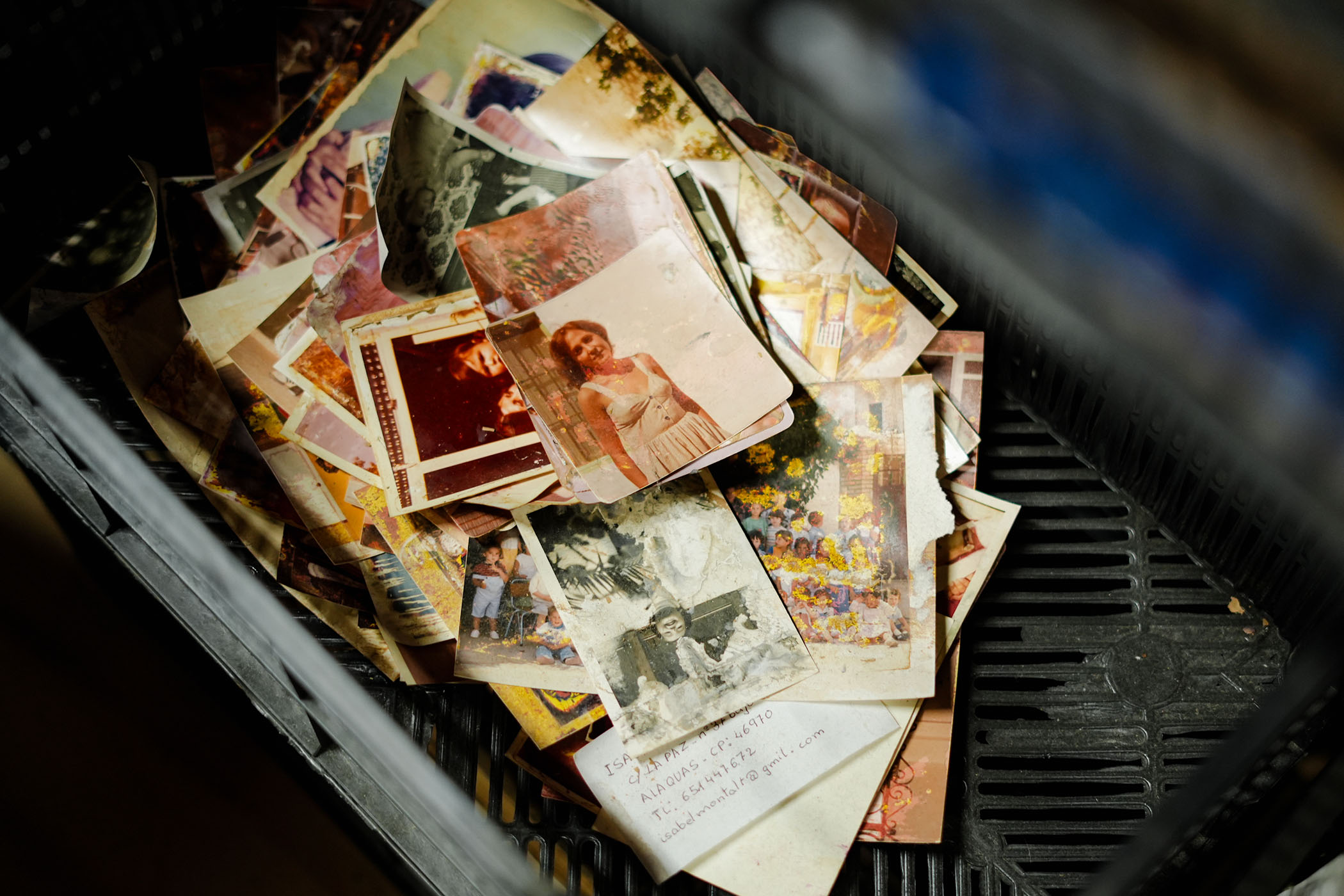
It happened. At 4.14pm. A glitch. Ella was analysing an intake – a rare legacy box – from a rural family. She fed the scanner a stack of half-ripped photos, as the machine shrieked shrilly and jammed. “Great,” she cursed, prying the lid open, her eyes scanning.
Tucked deep into the feeder, surrounded by mashed-up photos, was an old-fashioned Polaroid.
Ella pulled it out carefully, the room unusually quiet. It was a skyline. Not the low-slung, orderly spires of the Capital, but a jagged, neon-drenched metropolis. The architecture was defiant – twisting glass towers that seemed to pierce the clouds like needles. Ella pulled up the Official Map. The coordinates were pointing to the Aurora Basin, which was a salt flat. A “Null Zone”. According to the Party, nothing had existed there since the late-18th century. New Solar, the name on the back, didn’t match any database. Was it just missing or was it deleted?
That fateful night, Ella skipped her Mandatory Yoga class. Instead, she stood in the balcony of her apartment, staring into her memories. She began to notice it. The seams. Her life was a perfect narrative: a child in the suburbs, the Academy, then the Ministry. But wait… there was a gap. Between the ages of 19 and 22, her photos were… generic. There were pictures of trees, sunsets, and plates of food, but no people. No friends. No Ella.
Related articles:
Immediately, she called the one person that had always been there for her.
“Hey, Mom? What did I do during the Period of Rest? I was looking at my files and–”
“Oh, Ella,” her mother interrupted, her voice dropping into that rehearsed lilt. “Everyone stayed inside. We recovered. It was a time of healing for the nation. Don’t go digging into the Period, dear. It’s bad for your Sanity.”
“But I don’t remember a single day of it,” Ella pressed consistently. “Three years, Mom. Not a single memory.”
“That’s the point of rest, darling,” her mother said, her smile audible. “You don’t remember anything once you’re awake.”
Ella hung up. She felt a cold shiver. It wasn’t just the city that was missing. It was her.
Ella abruptly took a “Health” leave and hopped a flying car to to the edge of the Aurora Basin. As she walked for hours, the salt crunched under her feet, her evidence clutched to her chest. As she finally reached the exact coordinates, the sky began to shimmer as the wind howled. It wasn’t the remnants of a city. Rising from the distance was a structure crafted from a mountain range. An unrestricted hurricane flew around the pristine basin, with cooling fans rotating. It was the Sync. Braving herself, she went onward, where she found a maintenance hatch, filled with a earth that she thought was only possible in her office. Rows of neatly stacked terminals stood, each pulsing a bright light. Ella accessed a familiar terminal, her fingers moving, before she could take out her identity.
Instantaneously, the screen flickered to life. Ella watched in horror as she saw “Live Stream” through her eyes. A man’s memory of car crash was suddenly rectified into a minor engine stall, while a woman’s grief for her dead mother changed into a “long-term holiday”. THUD! Her actions had amounted to this monstrosity as well. Realisation dawned upon her; the “Truth” wasn’t just buried in basement, but was being recoded into reality. The city of Aurora was not just erased, it was un-thought.
“You were always the clever perfectionist, Ella,” echoed a deep voice through the chamber.
Her body whirled around instinctively. In the shadows, stood an old man with a ripped Auditor’s coat. Eyes as milky as the galaxy, yet he looked upon her with glance of familiarity.
“Who are you?” she questioned. Cryptically, the man laughed, his cracked voice echoing through the hallway.
“A Memory Keeper. One you left behind for ever,” he said, face unrecognisable. “You’re looking for your ‘missing’ years.”
“You erased them,” cried Ella, gesturing faintly towards the servers.
The old man let out a dry, hacking laugh. “No, Ella. Look at the code you just typed. Look at the architecture of this entire system. The logic gates, the synaptic override protocols… do you recognise the handwriting of the soul?”
He pulled a dusty tablet from a shelf and swiped it open. It was a design document dated from six years ago. The lead engineer’s signature was at the bottom.
Ella Vance: Chief Architect of Project Lethe.
“This wasn’t something done to you,” the old man whispered. “It was something you sold to them. You hated the chaos of the old world. The noise, the protests, the pain of Aurora.
“The first test of the system had to be absolute,” the Keeper continued. “You volunteered. You erased Aurora from the world’s mind, and then you erased the woman who knew how to do it. You turned yourself into an ‘Auditor’ so you could spend the rest of your life tidying up your own mess.” Ella looked at the Polaroid of Aurora. In the corner of the photo, reflected in a glass window of a skyscraper, was a young woman holding a camera. Ella looked at the “Delete” command blinking on the screen before her. Her fingers hovered over the keys.
______________________________
The Orwell Youth Prize uses the writing of George Orwell to inspire young people aged 11-18 to write bravely and creatively about their own ideas and experiences. This year’s winning entries, selected by judges Nandana Sen, James Bloodworth, and Sophia Smith Galer from an original list of more than 1,300 entries, were announced at University College London by George Orwell’s son, Richard Blair. Their writing, published digitally in full with The Observer for the first time, ranges from intimate personal reflection to engagements with issues of censorship, propaganda and resistance.
George Orwell wrote regularly for The Observer and its former editor David Astor was among his closest friends and most important supporters. But this is also a forward-looking partnership, rooted in a shared commitment to nurturing the next generation of talented journalists. Entries for the new prize cycle will open, with a new theme, in autumn 2026, and everyone who enters before February 2027 will receive free personalised feedback on their writing.
Photograph by Europa Press News
Newsletters
Choose the newsletters you want to receive
View more
For information about how The Observer protects your data, read our Privacy Policy