What do the directors of freight businesses, printing firms, guest houses, insurance brokers and luxury property developers have in common? They have all opened children’s homes in the last year.
Investors are flocking to a new opportunity. England now has 4,010 children’s homes, a record number, and almost 15% of these – 520 homes –were registered with Ofsted in the 12 months up to March this year.
An Observer analysis shows that 41% of these new children’s homes are run by companies founded after 2022. While some were set up by people with a long history of working with children, others have a new enthusiasm for the care sector.
A home in Bury, registered in May 2024 and rated as “requiring improvement” by Ofsted, is run by a company whose director has also been in charge of a tax consultancy, an IT firm, a call centre and a bookkeeping firm. Another, in Southend, is run by the owner of a nearby guest house.
Property advisors have started to push children’s homes as an investment vehicle. Foot Forward Property Investments says it “ensures a net income of £81,000 per year for a minimum of 20 years” for what it calls a “hands-off” and “ethical” investment. Supported Living Gateway has been urging property investors to “pay attention to the children’s homes sector”, but warns it is “different from standard buy-to-let”.
It feels like a gold rush. How did it happen? And what does it mean for the children being looked after?
The boy – let’s call him David – loves sign language. He scratches his armpits and waggles his finger at his carers, making the sign for “cheeky monkey”. It’s one of his favourite phrases, along with “you smell”. When his carers sign it back at him, he feigns disbelief. It’s a game he can play all day.
The 11-year-old is deaf and has been in care, our undercover reporter was told, since the age of two. He only started learning to sign after arriving at his latest children’s home, in northern England, about a year ago. Until then he could only communicate with grunts.
Related articles:
Deaf children subjected to what academics call “language deprivation” usually suffer lifelong consequences for their emotional and cognitive development, according to the British Deaf Association. A loving parent would get support, perhaps from the National Deaf Children’s Society or local authority. No one did that for David.
No one had taught him sign language in the first eight years he was in care. The system failed him on a fundamental level.
Newsletters
Choose the newsletters you want to receive
View more
For information about how The Observer protects your data, read our Privacy Policy
David is not the only child who has been failed. Become, the children’s charity, highlights two statistics that underline the problems facing so many of the 82,000 children in care in England, of whom more than 15,000 live in children’s homes. Every year, seven in 10 will either move to a new home, a new school or have a new social worker, disrupting their lives and development to adulthood. And within two years of leaving care, one in three will become homeless.
During The Observer’s investigation of this broken system, we encountered many people working within it who were filled with good intentions and cared deeply for the children in their responsibility.
Yet the systems they work in have come to treat children as commodities: cost burdens for local authorities and income streams for private equity firms and sovereign wealth funds. Decisions are taken to reduce risk, rather than with the child’s future in mind.
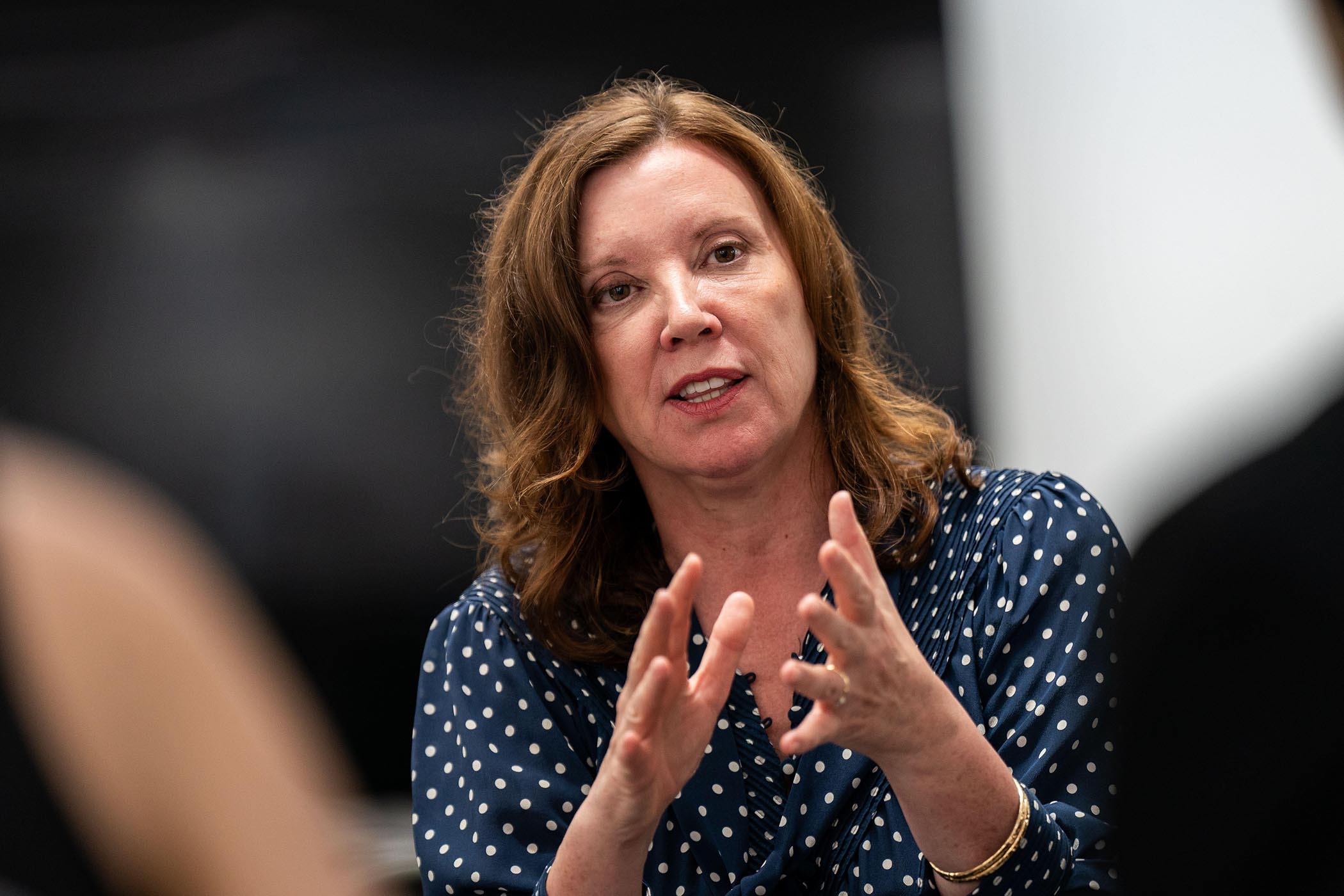
“Children in care want the same things as any other child: loving relationships, a safe home, a great education that gives them skills into adulthood – but often they are denied this because the system around them has such low ambitions for their lives,” children’s commissioner for England, Rachel de Souza said.
“Standards of care are troublingly low and our tolerance of failure too high: 30,000 children in England live under the care of services deemed to be less than ‘good’.
“Children are being placed in illegal homes like caravans or holiday parks because there is no legal, safe alternative, or moved out of foster homes for cost-saving reasons. Where they live in a registered children’s home, these are often operated for profit, poor quality or miles away from the homes – and people – they previously knew.
“We need radical investment in new and safe children’s homes. And I want to see government accelerate its plans to curb profiteering – no one should be getting rich off the backs of vulnerable children.”
‘The disruption of relationships is common practice in our care system. The consequences for children are huge and potentially life-long’
‘The disruption of relationships is common practice in our care system. The consequences for children are huge and potentially life-long’
Lisa Harker, director of the Nuffield Family Justice Observatory
The modern children’s home system bears little resemblance to the Victorian orphanages created by Thomas Barnado or Thomas Coram. Children in care have probably been removed from parents unable or unwilling to look after them, or have severe disabilities or are at risk of self-harm. The starting point is usually foster care, but 16,150 children in England are in residential care homes, most of them privately run. Almost none are the big institutions of our imaginings; most are regular family homes housing no more than four children.
Our investigation examined life inside three homes run by some of the biggest companies running children’s homes in north-west England. All were desperate for staff and relied on agency workers, particularly for night shifts.
Carers were paid the minimum wage of £12.21 an hour or just above, a contrast to the eye-watering amounts of money in the system. Last month Ofsted, which regulates children’s homes, said some providers were charging £30,000 a week to look after some children. Council spending on looked-after children has more than doubled in a decade, from £3.9bn in 2015-16 to £8.1bn in 2023-24. Children’s homes are now so profitable that the sovereign wealth funds of Qatar and Dubai are in on the game. Local authorities in England now spend 68% of their budgets on social care for adults and children – up from 53% in 2010.
The 20 largest providers of children’s homes control one in four of all placements. The biggest is Amalfi Midco with 220 homes, followed by G Square Healthcare Private Equity LLP with 156 and Picnic Topco with 68. The list goes on: Liberi Topco, Aspris Holdco, Wordsworth Topco, Ursae Bidco and Foundation Investment Partners Management LLP.
These companies are no Barnados. The portmanteaus are hallmarks of private equity ownership structures – a way of separating risk from profit, and reducing tax bills. The concept is simpler than it seems at first glance. Create a chain of companies. Assets sit at the bottom, owners at the top. Profits can filter up the chain; losses can be isolated.
It would be easy to cast private equity as the villains, but G Square’s homes are mostly rated as “good” by Ofsted. We found David in a home owned by a different private equity firm, which we are not naming. It was their staff who realised how badly the 11-year-old had been failed and they were the ones who stepped in to ensure that he would learn sign language and have cochlear implants.
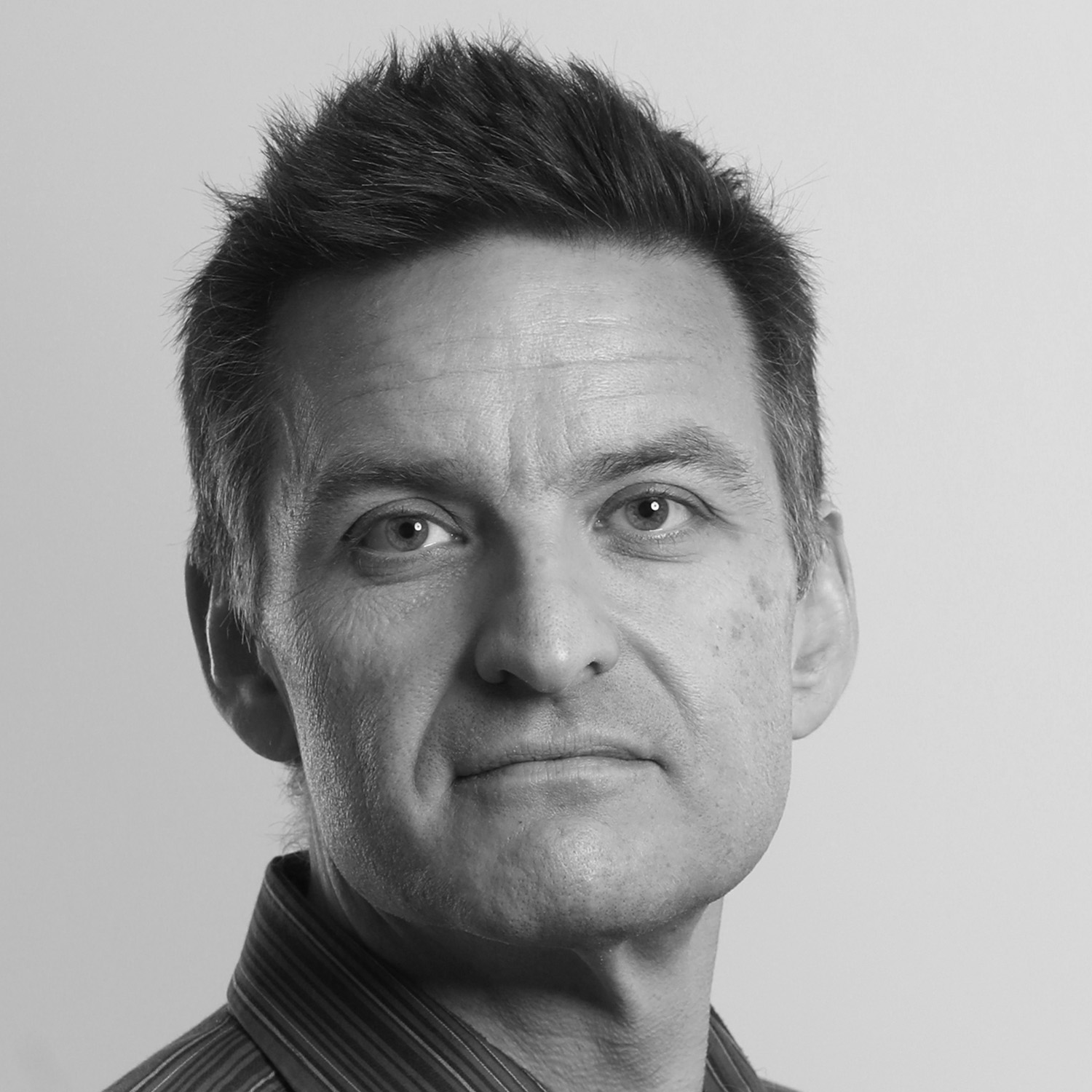
Yet Ofsted’s chief inspector, Sir Martyn Oliver, warned last month that profit “bends the system out of shape”. What concerns him is that homes are often nowhere near the children they serve or their families.
Of the 520 homes registered last year, 160 were in north-west England in towns and cities like Blackpool or Stoke-on-Trent where property prices are comparatively cheap. Overall, 26% of homes are in the north-west, whereas only 18% of children come from the region.
Many are from southern England. Surrey, Swindon, Oxfordshire, Buckinghamshire, Windsor, Reading and Cambridgeshire all send more than 30% of their looked-after children more than 20 miles away from their homes, our analysis of Department for Education statistics shows. In March, ministers confirmed that 3,120 children were living more than 100 miles from home.
Those children are cut off from any friends or relatives who might have been able to help them make sense of a traumatic period of their lives.
“The most important foundation for healthy child development is having stable relationships,” said Lisa Harker, the Nuffield Family Justice Observatory’s director. “Yet the disruption of relationships is common practice in our care system. The consequences for children are huge and potentially life-long.”
Some of these issues are being addressed. Councils are starting to build more of their own children’s homes – Durham now has 22 – and the children’s wellbeing and schools bill will give the education secretary the power to cap profits made by a private children’s home provider.
Small steps like these can make a big difference. When our reporter left the care home where David now lives, he had learned a new word: “party” – making phone shapes with his hands and shaking them – to mark the end of term at his school. As he left, dressed in skinny jeans and a blue polo shirt, he laughed when his carers signed “David smells” at him. When they added: “David looks beautiful”, he smiled.
More from The Observer:
Photograph by Alamy