

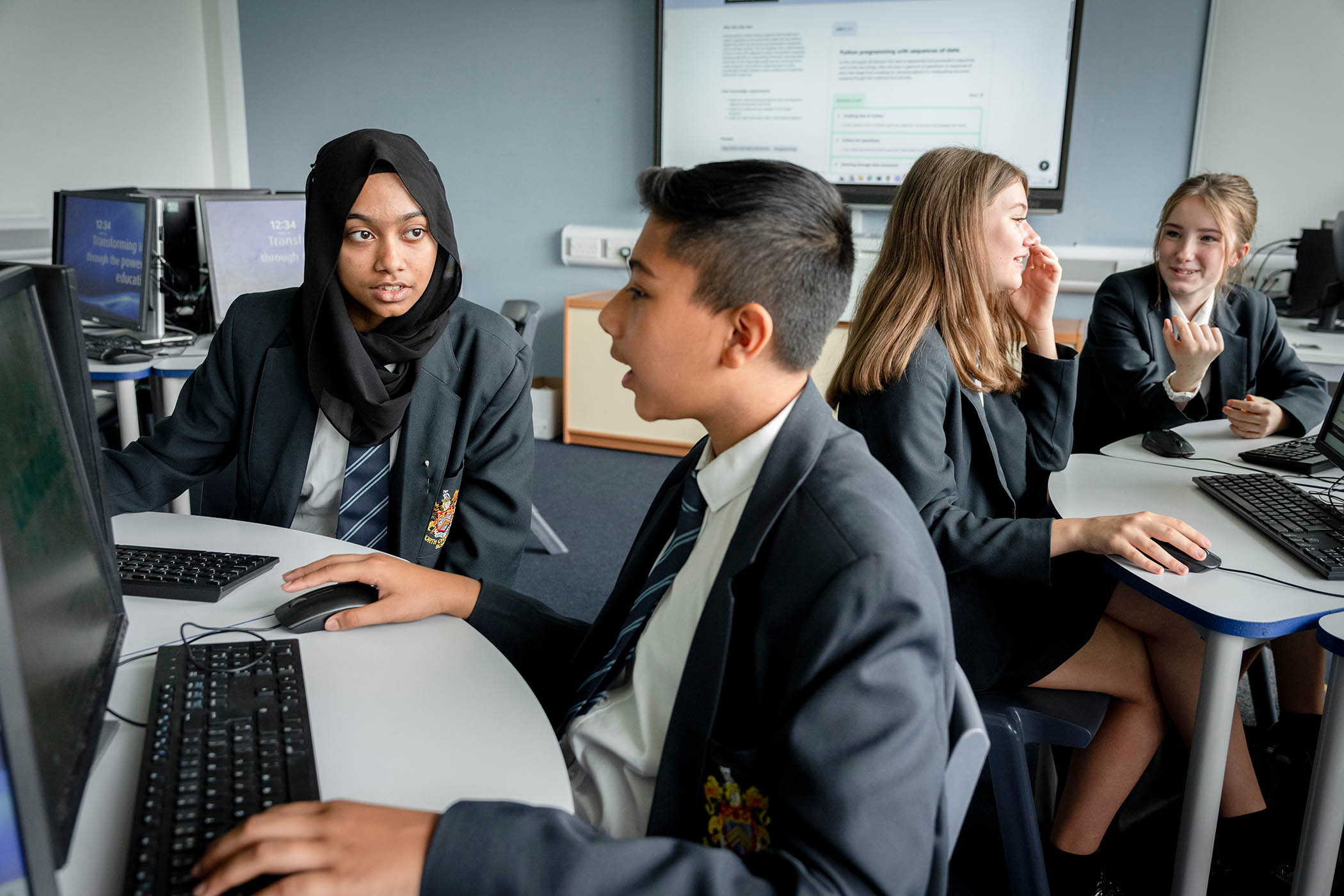
All secondary schools will have dedicated “support bases” for children with special educational needs and disabilities (Send) as part of government plans to ensure more pupils can stay in mainstream education.
Pupils who need additional help with learning will be able to spend time in the specialist unit, when they need it, while still continuing some of their education in a regular classroom and maintaining links with their peer group.
One Whitehall source said the system would be “based on their needs” and “more fluid” than the current system, which involves some children driving miles in taxis to get to a special school.
The government will this week announce sweeping reforms to Send provision, including changes to the allocation of education, health and care plans (EHCPs), which will mean children having their right to support reviewed as they move from primary to secondary school.
Ministers have been braced for a Labour rebellion on the issue amid fears that families would have existing rights removed. However, the risk of a large-scale revolt appears to be fading after the government backed away from some of the more controversial ideas that had been floated, such as scrapping EHCPs.
Georgia Gould, the schools minister, has impressed MPs and campaigners by spending time listening to their concerns. Some have drawn a contrast with the mishandling of the welfare reforms, which Keir Starmer was forced to abandon after a backbench revolt.
Whitehall sources stressed that the Send reforms would be phased in slowly and that the initial priority would be to improve facilities and support in mainstream schools.
“It’s not at this stage about taking anything away from anybody,” one official said. “Every child who is in a special school will stay there and every child with a plan will keep it.”
Photograph by Getty
Newsletters
Choose the newsletters you want to receive
View more
For information about how The Observer protects your data, read our Privacy Policy