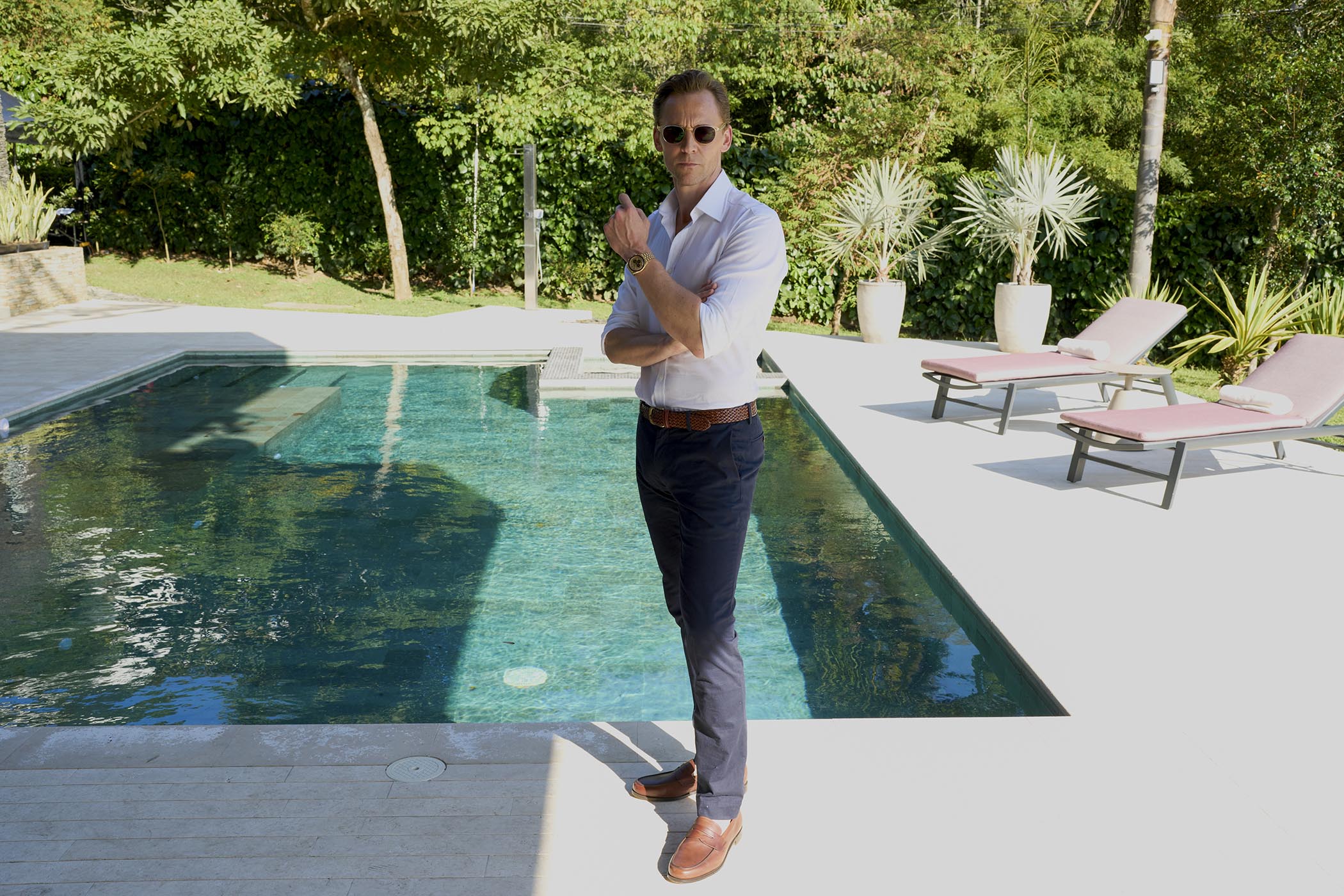


John le Carré threatened to derail the success of The Night Manager, the hugely popular television thriller based on his 1993 spy novel, which returns to the BBC today, by refusing to allow a sequel.
Le Carré had written just one book about its hero, Jonathan Pine, played in the 2016 adaptation by Tom Hiddleston, and felt strongly the story should end there.
“Luckily, Le Carré changed his mind shortly before he died five years ago,” Stephen Garrett, the lead producer on the show, told The Observer. “He was happy for us to do it.
“At the time of the first series, though, we had to keep telling both the BBC and our broadcasters in America, AMC, that there would not be another one, no matter how well it went down with viewers. So we filmed all six hours of the first series with zero intention of making a follow-up.”
The original series was a huge hit, attracting 10 million viewers by the end of its run. Because Le Carré eventually relented, the BBC put out the first episode of a second series on New Year’s Day, almost a decade after the start of the first series.
The six-part drama once more stars Hiddleston as Pine, the stylish former hotel executive drawn into high-risk undercover secret service work. This time the screenplay, written again by David Farr, will see him travel to Colombia to unravel the truth behind a covert operation that has left a deadly trail.
Le Carré also sanctioned a third series and a script is on the way. The glamorous franchise now seems well placed to fill the vacuum left by Daniel Craig’s James Bond. It has also opened the door to more novels, drama series and films based on Le Carré’s characters. The BBC and MGM last month announced Legacy of Spies, starring Matthew Macfadyen as George Smiley. The Spy Who Came in From the Cold, is currently also running as a play in the West End.
“There is a plan afoot for the Le Carré back catalogue generally and a lot more in the pipeline,” said Garrett, whose production company, Character 7, has made the latest Night Manager show in partnership with the late author’s estate and The Ink Factory, the studio run by two of the author’s sons.
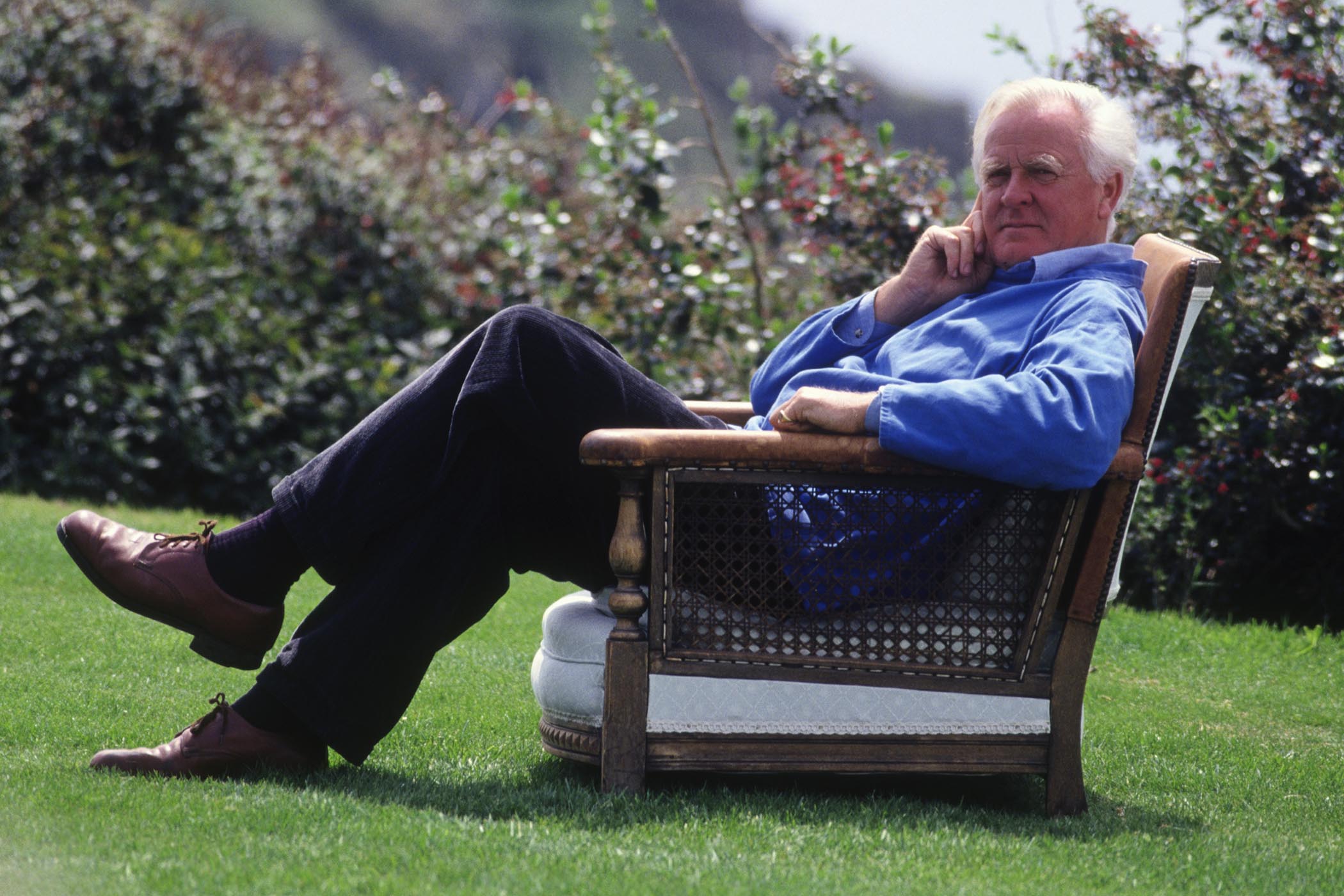
John Le Carré (David Cornwell) at his home near Penzance in 1993, the year The Night Manager was published
As a creator of the BBC show Spooks in 2002, Garrett has had a long career in screen espionage. “Spooks was the first spy show on telly for years. Then simultaneously Kiefer Sutherland’s 24 was a hit in the states and suddenly you could not move for spy shows.
“We have some very smart ones now, like The Jackal and Black Doves, Slow Horses and many more. So to put our heads above the parapet again, we have to be even better than last time.”
Newsletters
Choose the newsletters you want to receive
View more
For information about how The Observer protects your data, read our Privacy Policy
Le Carré, whose real name was David Cornwell, made a cameo appearance in the first series and threw in an unrehearsed line of dialogue that startled the show’s star, Hiddleston.
“David had no lines but he decided, without sharing it with anyone, that he was going to speak,” said Garrett. “It made the scene infinitely more complicated, so the staggering awkwardness of the moment on screen was real.”
It was an incident that played nicely into Danish director Susanne Bier’s trademark approach. “She was determined to keep the actors guessing and Georgi Banks-Davies, our brilliant director this time, has achieved the same thing,” said Garrett.
“In the end though it’s the public who will decide whether we’ve hit the mark again, or perhaps even exceeded it. This drama is full of twists and turns and has some big reveals. In fact this made the trailer quite difficult to make without spoilers.”

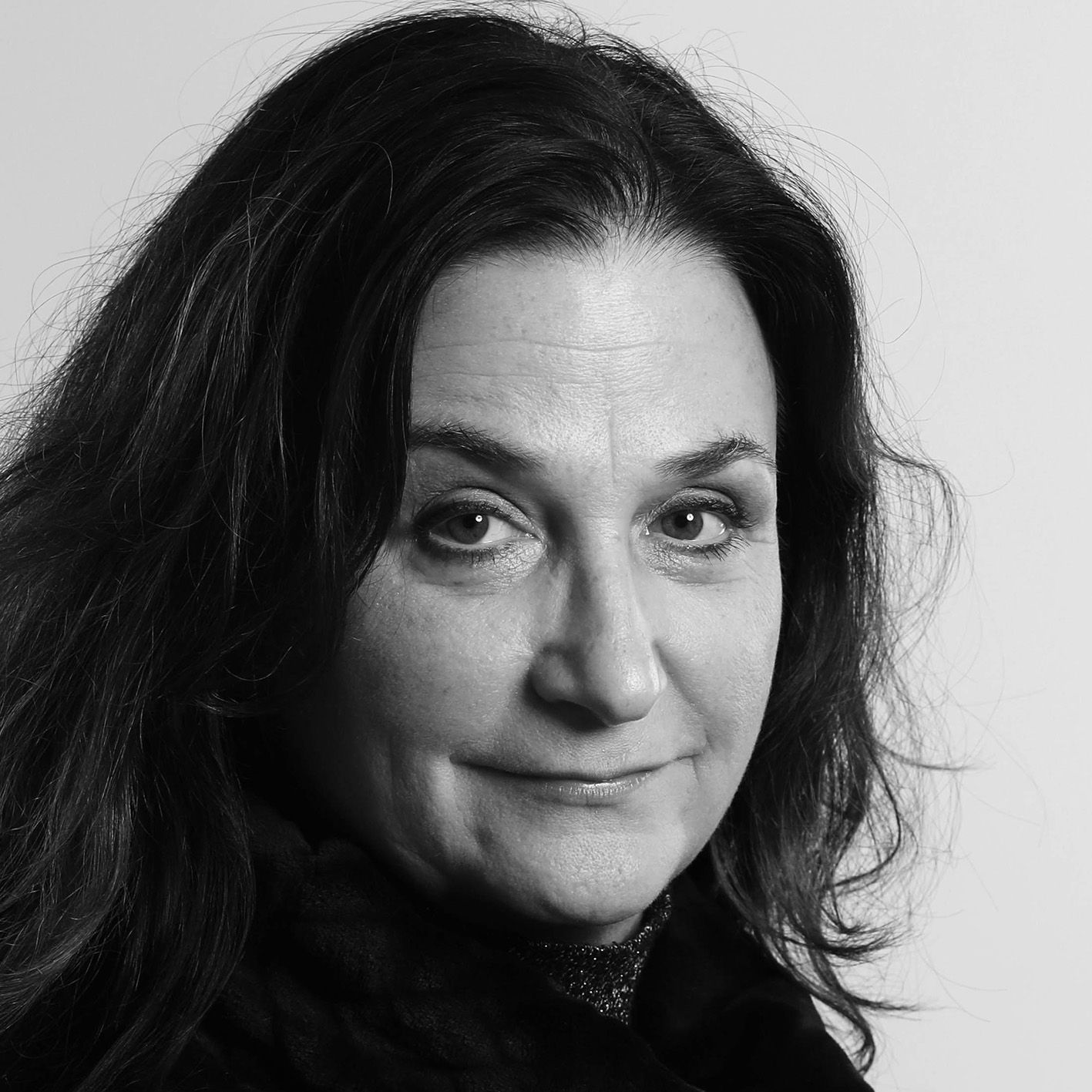
Stephen Garrett at a screening of The Night Manager series 2 at the BFI Southbank in December 10, 2025. PA Photo. Photo credit should read: Ian West/PA Wire
The first series avoided the common fault of leaving obvious loose ends to tie up in a subsequent series because it was meant to stand alone. This, Garrett argues, helped endear it to an increasingly sophisticated British audience. “It is so frustrating for viewers when the end of a first season deliberately leaves a lot of stuff hanging. Viewers feel cheated,” he said.
Many broadcasters, he added, also now push programme-makers for eight episodes instead of six: “A lot of shows are way more padded out than they should be as a result. The great thing about The Night Manager is that no one pressured us to expand it, so we’re telling a tight story. Even in classy thrillers these days there are so many false turns and shaggy dog stories that the audience feels deceived. A script should hide its buried treasures in plain sight, but it is a tricky balance because viewers are now way too smart.”
The Night Manager is a global story, he added, but is “quintessentially British because it comes out of Le Carré’s world”.
“If you look back to Spooks, and of course to Bond, Brits do spy stories really well. It is something to do with that clash between the repressed British sensibility and the extravagance of other cultures. Putting clipped Jonathan Pine in South America just works.”
On New Year’s Eve, Garrett’s words found an echo in the real world of spying when Alex Younger, former chief of MI6, revealed on BBC Radio 4’s Today programme that he thinks “British middle-class men” excel at espionage because of their habit of repressed control.
Photographs: Des Willie/BBC/Ink Factory; David Levenson/Getty; Ian West/PA