
Lucy had been living in an illegal children’s home in Cambridge for several months when she took an overdose. Although her placement with Prudence Supported Living was meant to include 24-hour support staff, the provider’s nearest team member was nearly two hours away in Leicester.
“I am sat in hospital with this thing in my arm, throwing up, and they send a random member of staff who I never met before,” she recalled.
This was the latest in a series of problems faced by Lucy (not her real name) during her 15 months with Prudence Supported Living. She made complaints but for months they were denied, ignored and batted away by multiple agencies. Last summer she was awarded compensation by Cambridgeshire county council in recognition of “distress caused and potential risk of harm”. It has not used the provider since.
But Lucy’s story is not an isolated incident. The use of unregistered – meaning illegal – children’s homes has increased dramatically across England in recent years. Premises used range from flats to Airbnb lets and even caravans.
Although it is an offence to provide care and accommodation for a child in a setting that is not registered with Ofsted, local authorities – struggling under huge demand for placements that can cope with children who have complex needs – can end up using them as a last resort.
According to new data obtained by the children’s commissioner for England, Rachel de Souza, and shared with The Observer, 669 children were living in these placements in the first nine months of 2025, of whom 89 were in the same setting for more than a year.
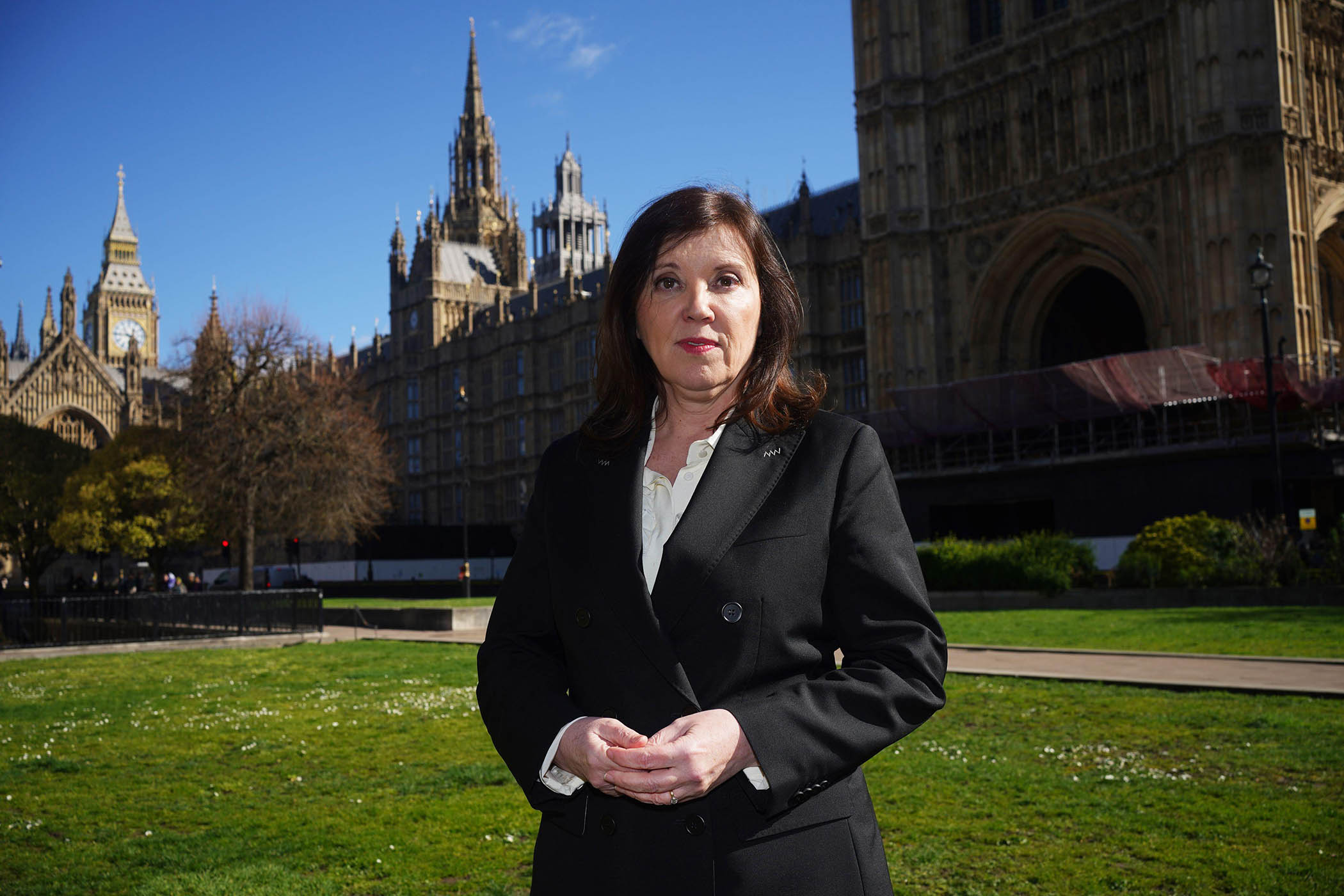
Rachel de Souza, the children's commissioner for England
Just over half of the children living in illegal placements were aged 16 and 17, although 46% were aged between 10 and 15. About 20 of these children were under 10. While the top line figures are down slightly on 2024’s high of 764 children in illegal settings, the number remains stubbornly high overall.
Recent data suggests that approximately 9,500 children live in registered children’s homes and secure units, mostly teenagers with complex needs. In total, according to the latest government statistics, almost 82,000 children in England are in care.
“This is what failure looks like: when a lack of good options is what dictates the quality of care given to a child with complex needs,” de Souza said. “It is indicative of wide failings across an entire system that there are any children at all in these unregistered homes, much less hundreds.
Newsletters
Choose the newsletters you want to receive
View more
For information about how The Observer protects your data, read our Privacy Policy
“I have deep concerns about how frequently these illegal placements are used, despite it already being against the law, as well as a focus of the government’s children’s wellbeing and schools bill, currently moving through parliament.”
De Souza is calling for greater enforcement powers to be granted, including giving the regulator civil penalty powers and ensuring local authorities are held to account through tougher inspections, rapid notifications and clear disincentives to use unregistered settings except in absolute emergencies.
On Friday, parliament’s public accounts committee (PAC) is publishing a report based on de Souza’s findings about illegal care homes from the previous year.
The committee’s chair, Geoffrey Clifton-Brown, said: “A dysfunctional system is forcing local authorities to routinely reach for solutions which will see our nation’s children regularly put at risk. This utterly unacceptable situation has become normalised, but there is nothing normal about this unsustainable state of affairs.”
In some cases, providers will begin the registration process when they accept a child. But this process can take many months. In Lucy’s case, Prudence Supported Living was registered with Ofsted about 14 months after she moved in.
According to the PAC report, Ofsted has implemented new targets to register homes within 18 months or, in priority cases, between two and six months. The Department for Education has committed to improve the system and address the shortage of places in legal settings, but said this will take two years to implement.
There is no data as to how many providers are seeking registration or how many appear to intend to remain illegal, de Souza told The Observer. “I’ve used my data superpowers to get a clear picture of the system – but even then, much of it is operating in the shadows.
“Through my research, my office heard anecdotal evidence of unregistered providers who start the registration process solely to appear more appealing to local authorities, but who have no intent of ever completing the process and so allow their application to go dormant for months at a time. Any provider doing this should be suspended.”
That experience was echoed by Lucy’s advocate – an independently appointed adult working through the National Youth Advocacy Service – who said providers can sometimes “take advantage” of the system. The advocate asked not to be named, in order to protect Lucy’s identity, but said: “They know the local authorities need these placements, and they get paid a lot of money for them because these young people are difficult to place.”
Lucy is, by her own admission, and as detailed in the independent investigation sparked by her complaints, not always the easiest person to be around. In total, she has had 18 placements, including five unregulated provisions. At times, fights escalated such that she assaulted staff members, and the police were called on numerous occasions. “They used to make me feel like an animal in a cage,” she said.
Her advocate added: “Lucy’s experience is one of the worst I have worked with, but unfortunately she’s not alone – there are many young people in these kinds of settings. With unregulated placements, the staff just don’t have the skills to help people with high needs, who require support. The staff are out of their depth.”
A Cambridgeshire county council spokesperson said: “We take each individual complaint very seriously, which is why we have apologised to the individual and fully accept the independent investigating officer’s findings.
“We had not used this care provider prior to this isolated incident and have not used them since. We are committed to addressing the issues raised and have taken steps to reduce the risk of something similar happening again.”
Prudence Supported Living acknowledged the findings of the report but declined to comment further.
Ofsted said in its December 2025 report: “This year, we’ve started nearly 900 investigations into potential unregistered homes, which often charge exorbitant fees to local authorities that have run out of options. This shadow market only exists because there aren’t enough of the right kinds of places in legitimate registered homes to take the children who most need specialist support.
“When we identify unregistered settings, we issue warning letters to those operating them and make local authorities aware that the settings are operating unlawfully in their area. Currently, we do not have the power to fine these settings, though this is expected to change under [the children’s wellbeing and schools bill]. We can already prosecute people who run unregistered children’s services.
“However, this is a resource-intensive process and can take a very long time. This new legislation will give us a wider range of powers that will help us to take more appropriate and timely action to tackle unregistered settings.”
Photograph by Richard Baker / Alamy, PA Images