
The royal family has almost halved its workload but more than tripled its taxpayer funding since the Sovereign Grant was introduced in 2012, the busiest year of the late Queen’s reign.
Analysis of the Court Circular, the official record of the monarchy’s work, casts doubt on claims by palace officials that an upsurge in activity in the new reign is one of the key reasons why the core Sovereign Grant – the money the King receives from the taxpayer to support his family’s official duties – is rising to £100m from next year.
Last year working members of the royal family undertook 2,273 engagements. In 2022, the last year of Elizabeth II’s reign, the total was 2,601 and in 2019, the last full year before the Covid pandemic, it was 3,567. In 2012, when the Sovereign Grant was £31m – the equivalent of £45.8 million at today’s prices including inflation – the total was 4,127.
In part the workload has dropped because the number of working royals has fallen from 15 to 11. It has also declined because of age, illness, and the fact that the Prince and Princess of Wales, who take off around 16 weeks per year with their children, focus on a more campaigning style of monarchy rather than traditional ribbon-cutting duties.
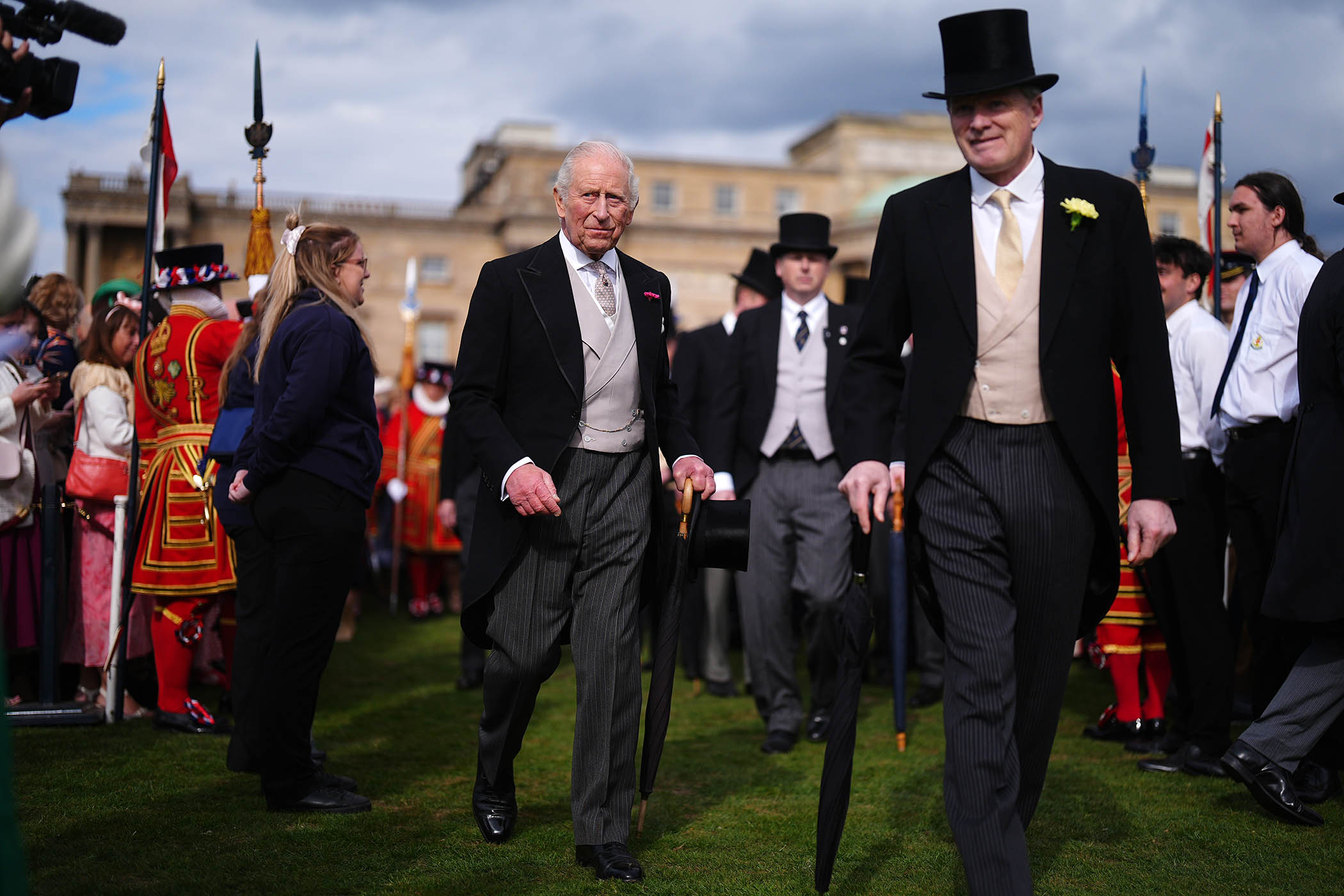
Aides have suggested that the King, who has had to slow down because of cancer treatment, and the Queen are doing more than the late Queen and Prince Philip were at a similar age. Last year Charles, 77, and Camilla, 78, undertook 708 official engagements. But in 2003, when she was 77, the late Queen and Philip, who turned 82 that year, did 808. They were still undertaking 800 engagements jointly in 2010.
The rise in the core value of the Sovereign Grant, which is benchmarked to a changing percentage of the annual profits of the Crown Estate, was approved by the Royal Trustees – the prime minister, the chancellor and the King’s keeper of the privy purse.
The King has responded to criticism of royal opaqueness and lack of transparency by revealing his £12.9m 2024-25 tax bill. William has also disclosed that he paid £7.76m in the same period. But the tax lawyer Dan Neidle warned the figures were fairly meaningless. “They don’t pay taxes like the rest of us. We don’t know what expenses they’ve deducted to come up with those figures or how much was income tax and how much was capital gains tax,” he said.
The King’s Duchy of Lancaster estate has also responded to criticism, levelled in a Channel 4 Dispatches programme in November 2024, by agreeing to stop charging rent to charities and community organisations. William in turn has agreed to give the £1.5m annual rent his Duchy of Cornwall estate receives for Dartmoor prison – closed since July 2024 because of dangerous levels of radon gas – to community groups in an effort to revitalise the deprived village of Princetown. In April 2025 The Observer reported how the prison’s closure had seriously damaged Princetown’s economy and led residents to criticise William for his lack of support.
The King intends to spend £25m a year of taxpayers’ money from 2027 on repairing and refurbishing royal residences, including eight vacant properties among 255 on the Sovereign Grant-funded occupied royal palaces estate.
Aides hope more properties can be rented out to increase the £3.9m a year that the monarch receives in rent to bolster his household’s income from the grant.
Newsletters
Choose the newsletters you want to receive
View more
For information about how The Observer protects your data, read our Privacy Policy
The empty properties include Frogmore Cottage, the five-bedroom house from which the King evicted the Duke and Duchess of Sussex in 2023 after £2.4m of Sovereign Grant money had been spent on refurbishing it. The King said the house was needed urgently for other family members but it has been empty ever since and the King is now considering spending more taxpayers’ cash on turning it back into flats for staff.
Friends of Harry and Meghan, who will stay in a royal residence when they visit the UK next month, told The Observer that they were paying more than £130,000 a year in market value rent for the house and that the King’s decision to evict them has cost the royal household £500,000 that could have gone to easing pressure on the Sovereign Grant.
“At a time when scrutiny of public spending and institutional accountability is higher than ever, Frogmore offers a revealing case study in how royal assets are managed and whether the public is getting value for money,” one well-placed source said.
Photograph by Aaron Chown/Getty Images