

Elected police chiefs have accused the government of relying on “insubstantial evidence” after the home secretary announced plans to scrap the roles.
Shabana Mahmood said directly elected police and crime commissioners (PCCs), introduced under the Conservatives in 2012, were a “failed experiment”. Their powers will be handed to elected mayors or new “local police and crime boards”.
PCCs have long been accused of being irrelevant, expensive and ineffective. Early on they came under heavy criticism over expenses: the PCC of Cumbria was forced to repay £700 spent on chauffeurs in 2013. Elections were apathetic affairs: Staffordshire recorded a turnout of 11.6% in 2012.
However, Emily Spurrell, the PCC for Merseyside and chair of the Association of Police and Crime Commissioners, said: “We fear that the best elements of the model, which is still evolving, will be lost in the name of police reform.”
Spurrell added that it was “unclear how the new local police and crime boards will be more effective” and warned that “the upheaval caused will adversely affect prevention activity, victims’ services and the ability to properly hold policing to account”.
The proposal to scrap PCCs is part of a long-awaited white paper on police reform due to be published by the end of the month, which may result in the merging of several regional police forces, cutting the number from 43 to as few as 12.
Although the restructure of the system, itself the product of a series of force mergers in the 1960s, has been mooted multiple times, no government has managed to tackle it. The antiquated system has been blamed for poor communication and intelligence-sharing between regions and poor procurement of technology and equipment.
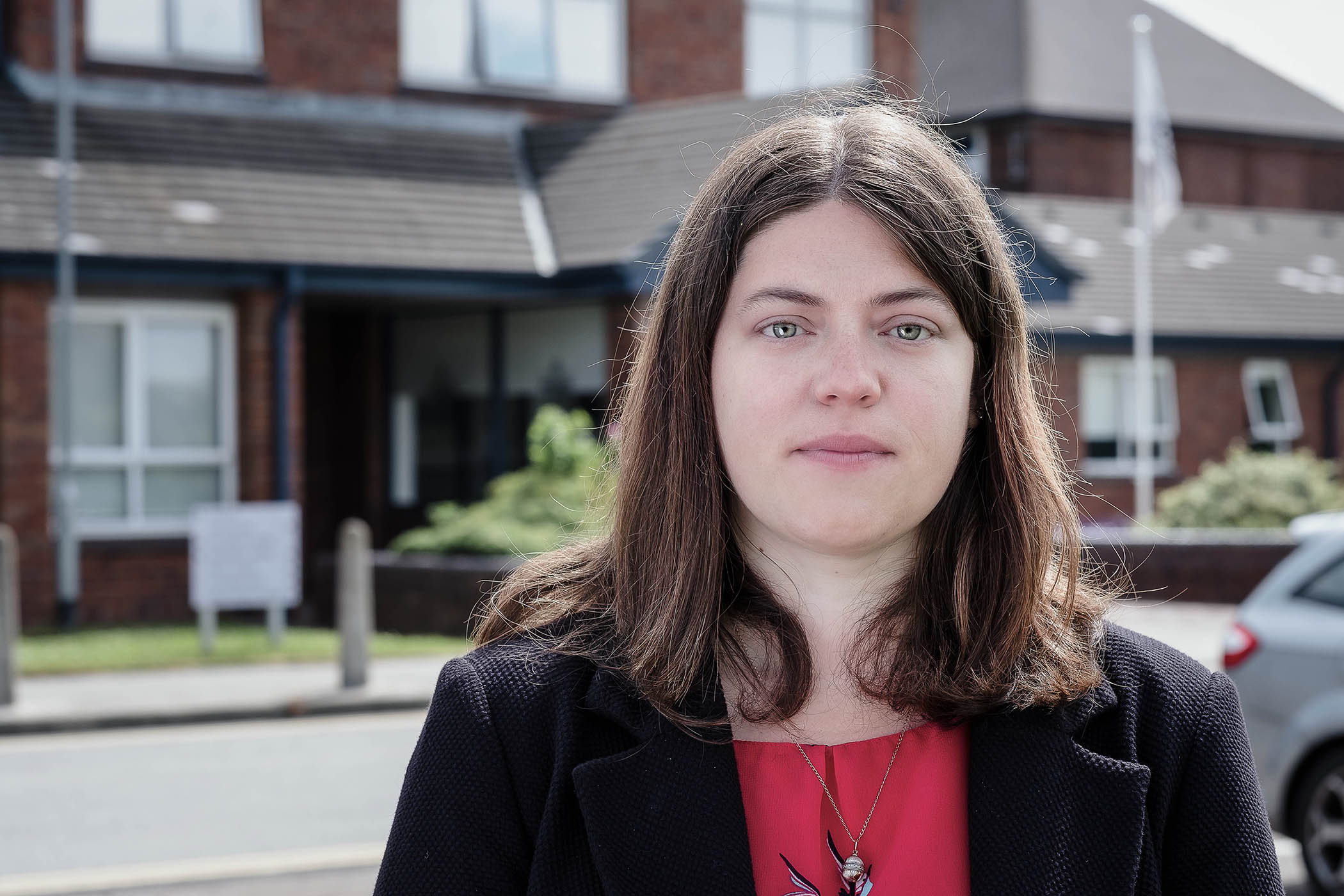
‘We fear the best elements of the model will be lost in the name of police reform’: Emily Spurrell, PCC
Spurrell said her members “also reject the idea that fewer, larger forces will deliver improved services for the public”, putting elected police chiefs at odds with much of the rest of policing over restructuring. “A large-scale programme of force mergers will be a massive distraction,” she added.
UK policing has bounced from crisis to crisis since swingeing cuts resulted in about 20,000 officers leaving the service between 2010 and 2019. Many have been replaced by new officers in a costly recruitment drive.
Confidence in policing has slumped since the murder of Sarah Everard by a serving firearms officer and the revelation that another, David Carrick, had abused his position to become a serial rapist.
Newsletters
Choose the newsletters you want to receive
View more
For information about how The Observer protects your data, read our Privacy Policy
The Metropolitan police has come under heavy fire after a series of damning reports found evidence that the force was institutionally racist, misogynistic and homophobic.
Farah Nazeer, CEO of Women’s Aid, said that PCCs had “specialist knowledge” and provided support for victims that could be lost if a transition were poorly managed.
“We are also concerned that this change could place additional pressure on local authorities, increasing the risk of rushed or poorly informed commissioning decisions – with the greatest cost borne by survivors themselves,” she said.
In other sweeping plans to reform UK policing, the government is considering merging counter-terrorism policing and the National Crime Agency. The NCA has long been generously referred to as “Britain’s FBI”, but the move would make the organisation more realistically comparable to its US partner and more powerful in British law enforcement.
Plans being considered also include bringing together procurement under nationally coordinated centres, rather than on a force-by-force basis. In the past, forces have purchased computer systems that fail to communicate from one county to another, hampering intelligence and record-keeping.
One senior policing source said that PCCs were to blame for much of the dysfunction in failing police forces and said they were out of touch on a range of issues.
“Ultimately it’s a failure of leadership, but that failure of leadership is down to police and crime commissioners choosing chief constables they like, rather than chiefs that are the best fit for the job,” the source said.
“It’s why we no longer have any real characters and leaders prepared to make bold choices in the role.”
He added that the biggest challenge to the reform agenda would be money – finances at some forces are already looking desperate – as well as low recruitment levels and high attrition rates in some areas, particularly London and the south-east of England.
One serving officer said: “I think the PCCs are fighting a rear-guard action. Even chief officers see that the force model needs changing.”
The government said in November that scrapping PCCs was “the first in a series of reforms that will be set out in the forthcoming Police Reform White Paper to drive quality, consistency and efficiency in policing and ensure it is set up to deliver for the public”.
Photographs by Richard Saker/The Observer