Keir Starmer is being urged by cabinet ministers, Labour MPs and peers to consider replicating the Australian social media ban for under-16s in the UK as concerns grow about the impact of technology on young people’s mental health and wellbeing.
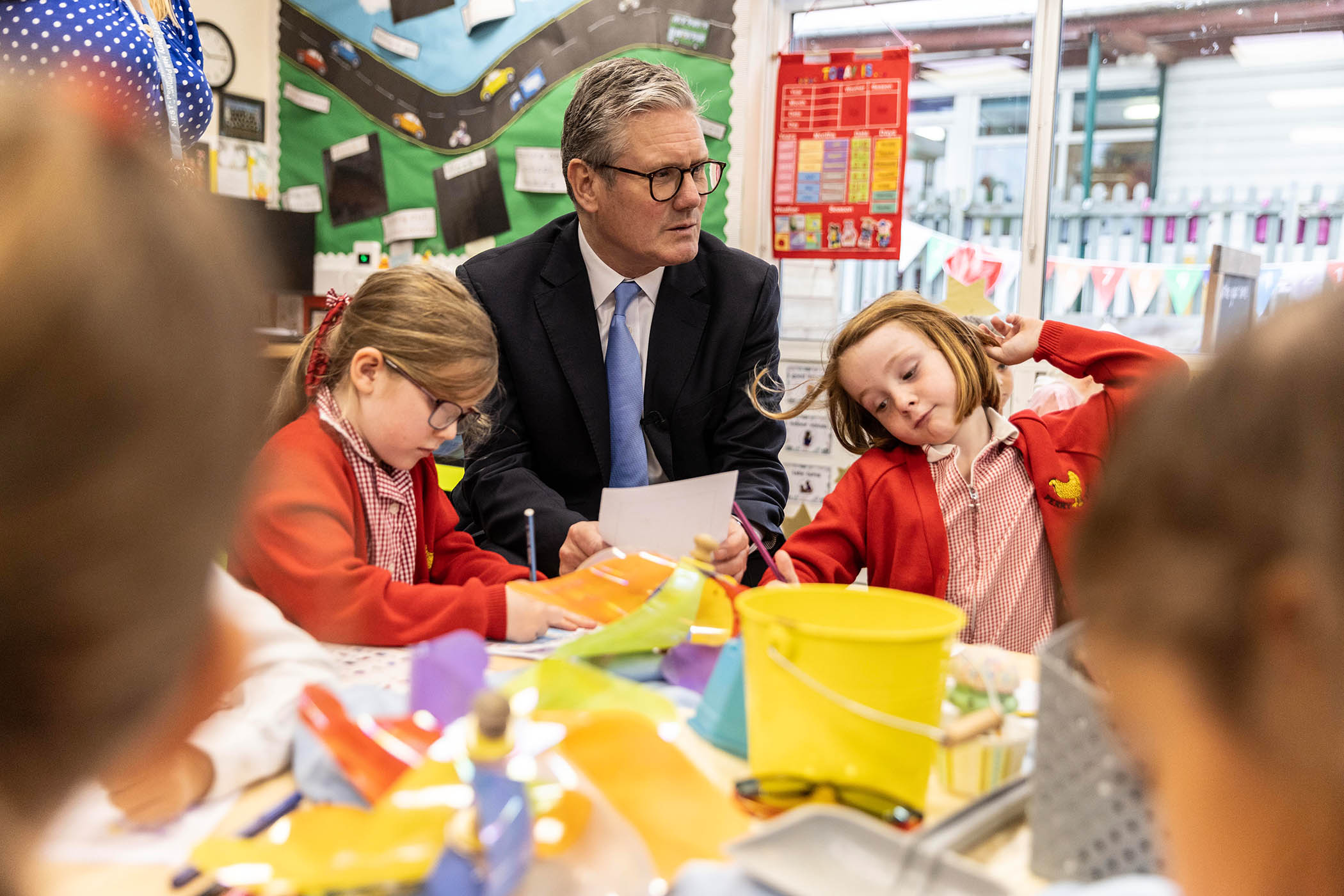
In an interview with The Observer earlier this month, the prime minister made clear that he is “personally” opposed to a ban. “I think we need to be really careful with social media,” he said. But “I think it’s more about how you control the content that children can see rather than simply saying [there should be] a blanket ban”.
However, other ministers believe further controls are needed in the light of the mental health crisis among the young and growing evidence of violence being fuelled online – and a fault line is developing within the Labour party over the issue.
Australia’s groundbreaking ban, which came into effect on Wednesday, puts a legal duty on technology companies to take reasonable steps to prevent children under 16 having a social media account. Platforms covered by the legislation include Facebook, Instagram, Snapchat, TikTok, X, Reddit and YouTube. Reddit has launched a legal challenge to the ban.
Some cabinet ministers are determined to learn the lessons of the experiment and to act in Britain if it proves successful.
Last week Wes Streeting, the health secretary, commissioned advice from his department on the evidence base that was used in Australia to drive the ban. He has asked his officials to prepare a paper setting out the substance and implementation of the policy so that he can consider the practical details. Pat McFadden, the work and pensions secretary, is also concerned about the impact of the digital world on children, and is insisting that the government must keep an open mind about a ban.
Josh MacAlister, the children’s minister who last year introduced a private members bill seeking to ban addictive algorithms aimed at younger teenagers; Jess Phillips, the safeguarding minister; Josh Simons, the Cabinet Office minister; and Jake Richards, the justice minister, are among the junior members of the government who support tougher action.
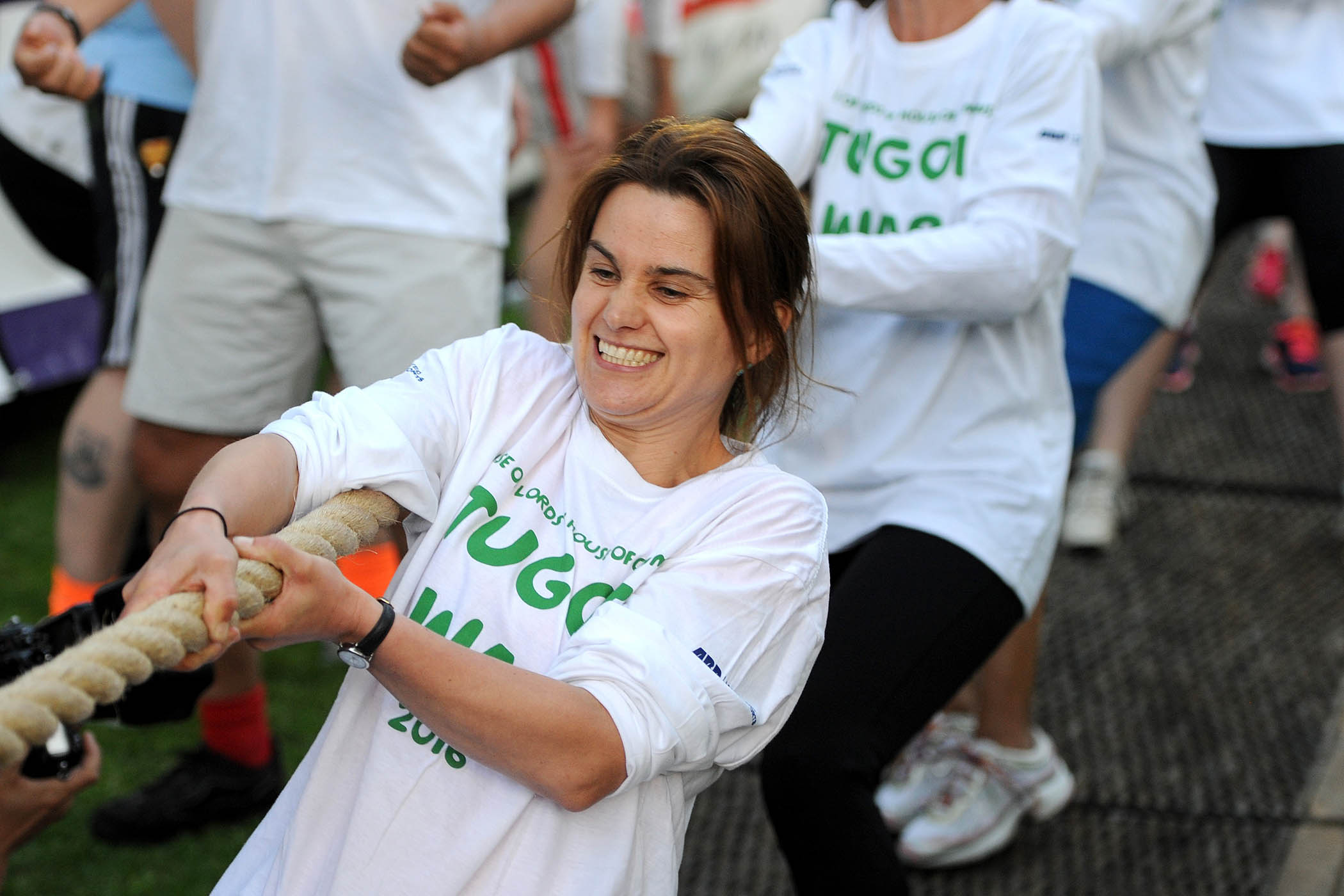
There is also growing support for a ban among Labour backbenchers. Jess Asato, the MP for Lowestoft, said the “precautionary principle” should apply to social media, with under-16s excluded from platforms until they are shown to be safe. “We are talking about products that are addictive by design.”
However, Peter Kyle, the business secretary, Liz Kendall, the technology secretary, and Bridget Phillipson, the education secretary, are opposed to a social media ban for under-16s. Lisa Nandy, the culture secretary, said last week that the government would be “keeping a very close eye” on the Australian law but insisted there were no plans to introduce a similar measure due to concerns about “enforceability”.
The dividing line is partly a clash between those who want to minimise regulation to capitalise on the economic benefits of technology and those who believe the government has a duty to intervene to prevent harm in the digital world.
Newsletters
Choose the newsletters you want to receive
View more
For information about how The Observer protects your data, read our Privacy Policy
This weekend Phillipson is on an official visit to Australia and will hold discussions with politicians and officials about the social media ban. Meanwhile Kyle and Kendall have been in California, meeting with tech bosses, who are fiercely resisting any further restrictions on young people using their platforms.
There are differences of opinion among the prime minister’s advisers in No 10 but Starmer himself – for now, at least – appears firmly opposed to a ban. While acknowledging “the effect [social media] has on young children and the pressure it puts them under”, the prime minister, who recently started a TikTok account, said in his Observer interview that the priority should be to ensure that the correct “checks and balances” were in place rather than preventing under-16s using the platforms altogether. “The question is, how do we stop them accessing the bits that they shouldn’t whilst not necessarily cutting off the bits that are actually quite important?”
One minister said Starmer had a “weird” inflexibility on the issue and another senior Labour figure said he had a “blind spot” about the dangers of social media for the young. A recent Ofcom study found that children in the UK aged between eight and 14 spend an average of nearly three hours online each day. Analysis by the Centre for Social Justice found that more than 800,000 children between the ages of three and five are already engaging with social media platforms.
‘There is a growing body of evidence that suggests early, unrestricted access to social media can have a lasting and damaging impact on young people’s mental health’
‘There is a growing body of evidence that suggests early, unrestricted access to social media can have a lasting and damaging impact on young people’s mental health’
Guy Northover, Royal College of Psychiatrists
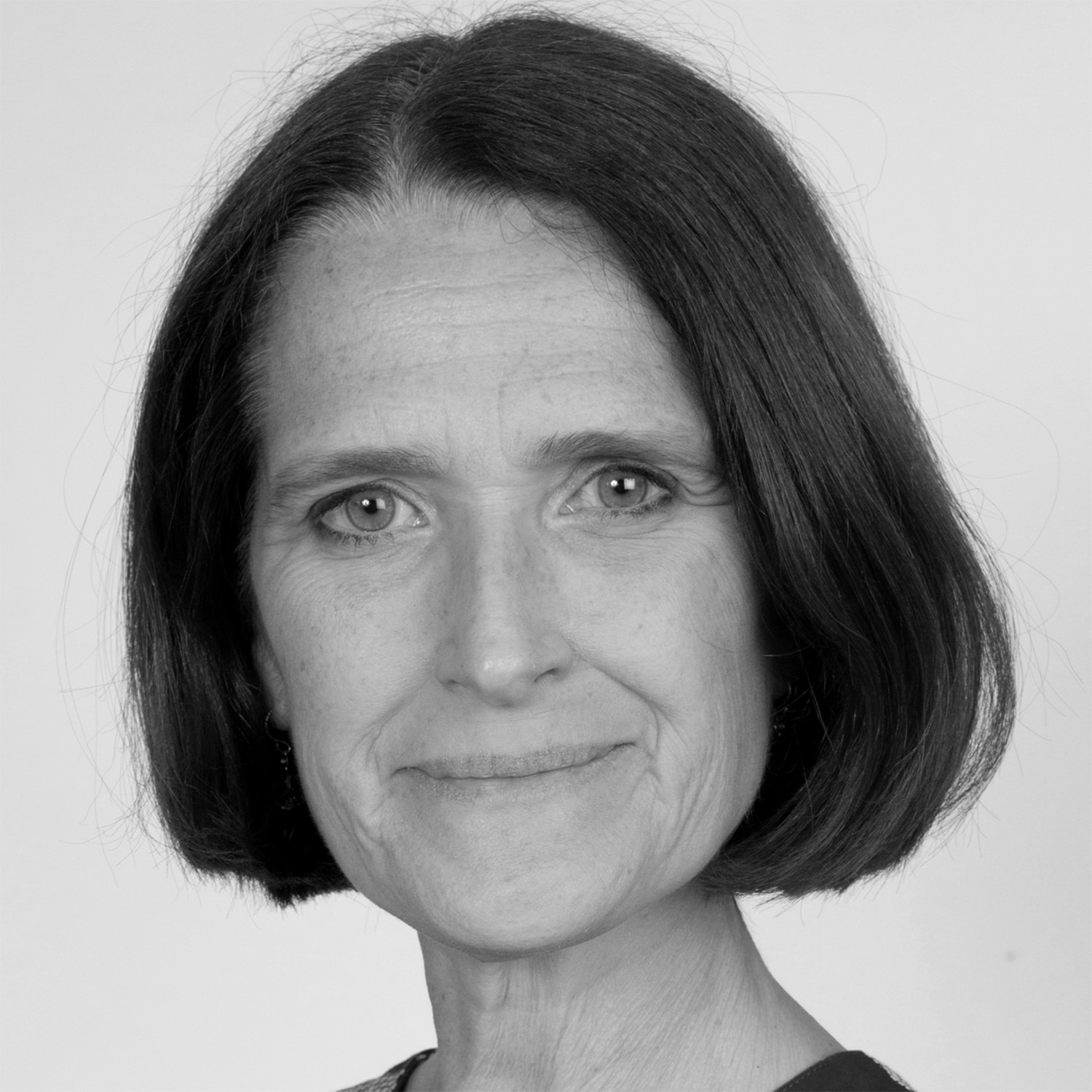
The issue will come to a head next month when the House of Lords votes on a proposal to introduce an Australian-style ban. The amendment to the Children’s Wellbeing and Schools Bill, which would also raise the age limit at which people can access VPNs, has been tabled by John Nash, the former Conservative education minister. It is sponsored by Hilary Cass, the former president of the Royal College of Paediatrics and Child Health and a crossbench peer, and Floella Benjamin, the former children’s television presenter and a Liberal Democrat member of the Lords.
Nash said: “There’s been a 477% increase in child requests for mental health support in the last 10 years, and a massive increase in anxiety, depression, ADHD, suicide, self harm, body dysmorphia and now a big increase in short-sightedness. Health professionals say that social media is the biggest issue facing our children.”
According to NHS data, about one in five children and young people aged eight to 25 had a probable mental disorder in 2023.
Cass insisted the government must act now rather than wait for more evidence from Australia. “There is no doubt that children and young people are being seen in clinics and emergency departments with direct effects of social media: PTSD after viewing online content, radicalisation, suicidality due to sextortion and cyber bullying and near-miss strangulation following online challenges or choking during sex. We don’t need more research to tell us that urgent action is needed.”
Luciana Berger, the Labour peer who last year led the party’s mental health strategy review, is also backing a ban. “Our children and young people are living through an experiment imposed on them by platforms that are profiting off their stress, their lack of sleep and their diminished self worth,” she told her fellow peers in the House of Lords this week. “The impact on teenagers in this country is getting worse, not improving.”
Ara Darzi, the surgeon and former Labour health minister who produced a review of the NHS for the government, warned that the health service was being “left to pick up the pieces” for an “unregulated digital ecosystem engineering addiction in our children for profit”.
He called for the “digital age of consent” to be raised from 13 to 16, meaning younger teenagers could not use social media without a parent’s permission. “What we are seeing in the UK is the most severe crisis in adolescent mental health in our history,” he said. “Our health system is being overwhelmed by a crisis originating far outside the hospital walls.”
Guy Northover, chair of the faculty of child and adolescent psychiatry at the Royal College of Psychiatrists, said “greater regulation” of platforms was essential. “There is a growing body of evidence that suggests early, unrestricted access to social media can have a lasting and damaging impact on young people’s mental health. Being online can expose them to harmful content that they are not developmentally ready to process. Protecting children’s mental health must be a priority.”
Police chiefs are also calling for tougher controls, arguing that violence is being normalised and young people radicalised on social media.
Neil Basu, the former assistant commissioner at the Metropolitan Police, said there was a clear connection between harmful online content and crime. “Freedom of speech is a right, but it’s not an absolute right if it does harm,” he said.
However, the Molly Rose Foundation, set up in the memory of Molly Russell, who took her own life aged 14 after viewing thousands of images promoting suicide and self-harm, opposes a ban. Andy Burrows, the chief executive, has described the Australian law as “flawed” and warned that it would create a “cliff- edge of harm on unregulated platforms” when children turn 16.
Photograph by Richard Pohle/WPA Pool/Getty Images