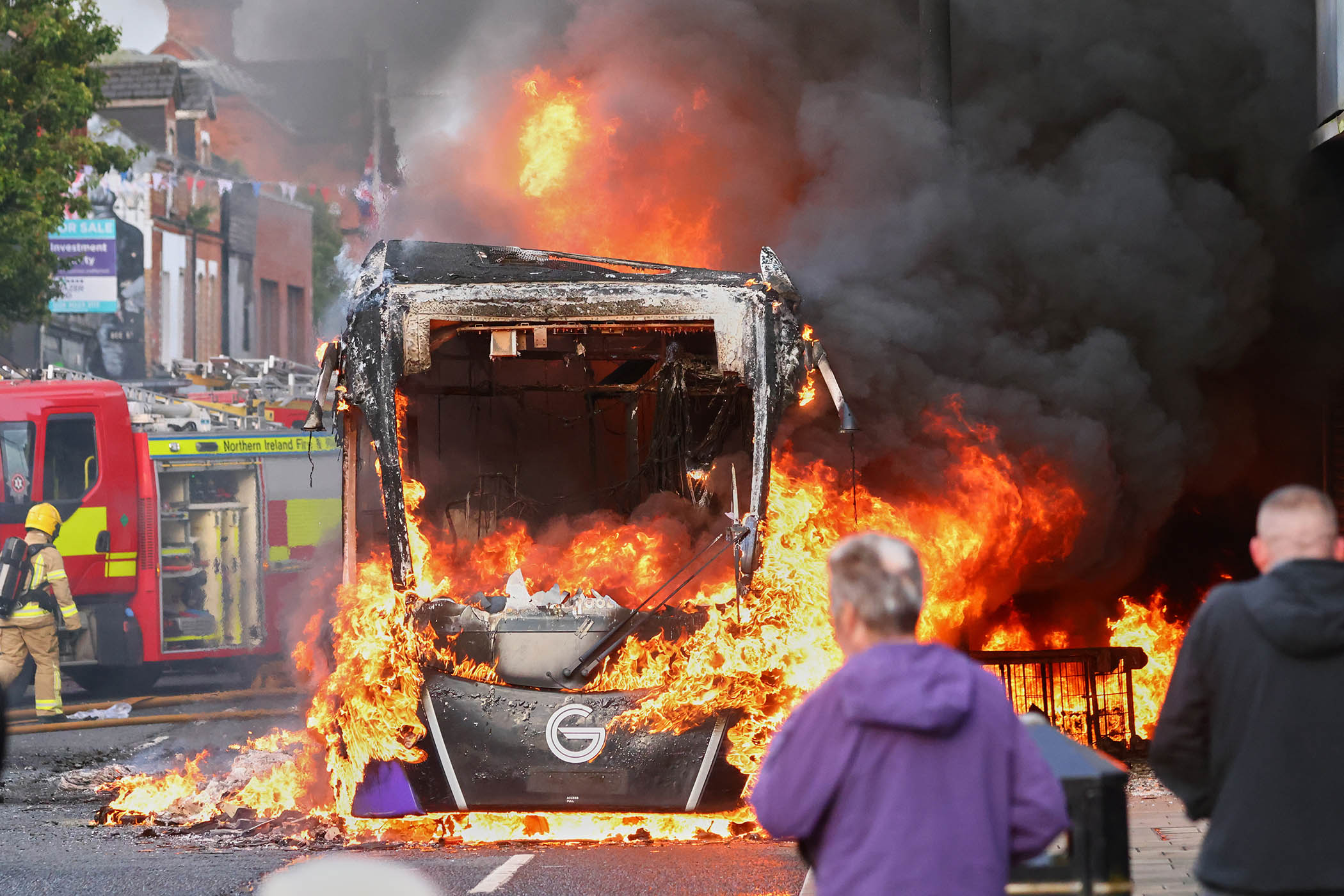
In times of economic distress and geopolitical instability, arts and culture are all the more needed to keep us hopeful, keep us sane. Yet it is precisely in climates of growing unpredictability and accelerating social change that the creative industries often get severely neglected. Shortages of funding deepen the existing crisis.
According to the Campaign for the Arts, since 2011, there has been an alarming 23% reduction in the number of hours dedicated to the arts across state-funded secondary schools in the UK. Arts-related subjects now constitute only a small segment of GCSEs and A-level entries. Students have been discouraged owing to lack of support, as well as limitations to the curriculum or extracurricular activities.
This is not an isolated phenomenon, but a reflection of a wider structural problem. From music venues to independent cinemas to literary festivals and local libraries, many people across the arts and cultural scene are struggling enormously, and silently, feeling alone. We need to focus on the glass walls, not just glass ceilings.
The Creative Industries Policy and Evidence Centre’s 2024 report found deep disparities related to gender, ethnicity, race and social class. The workforce in the arts, culture and heritage remain less diverse than the general workforce in the country. Added to all these challenges is a purely materialistic rhetoric that primarily values finance-oriented disciplines over others and often conflates money with success, and success with power, and power with happiness.
Young people with artistic talents are given neither enough guidance nor the necessary means to realise their potential. When the status of the arts declines, the number of students going into these fields inevitably plummets. This should concern all of us as a society. Creativity is not a luxury product that can be discarded in turbulent times. Art and literature are as essential to our survival as a species as our daily bread and the air we breathe.
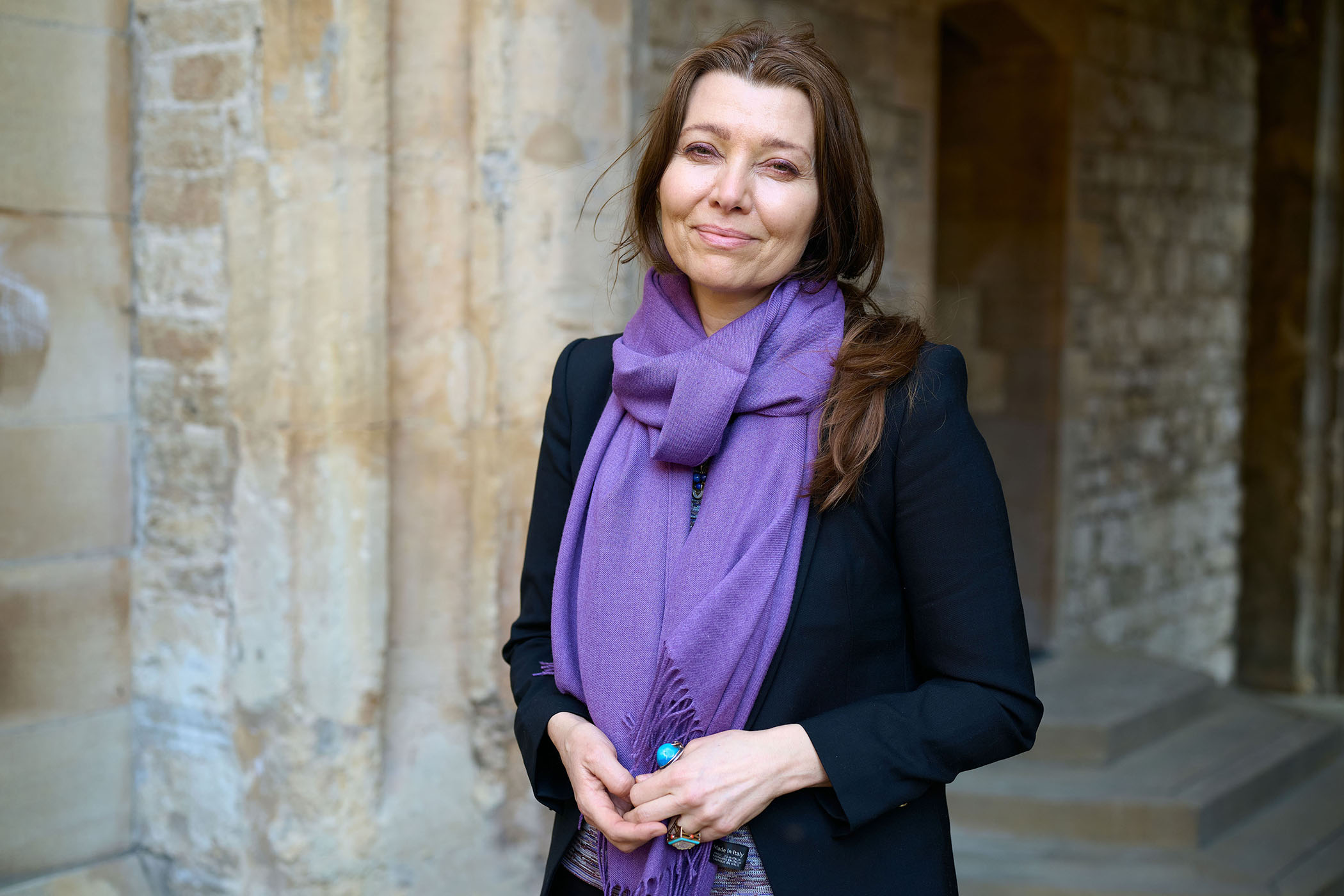
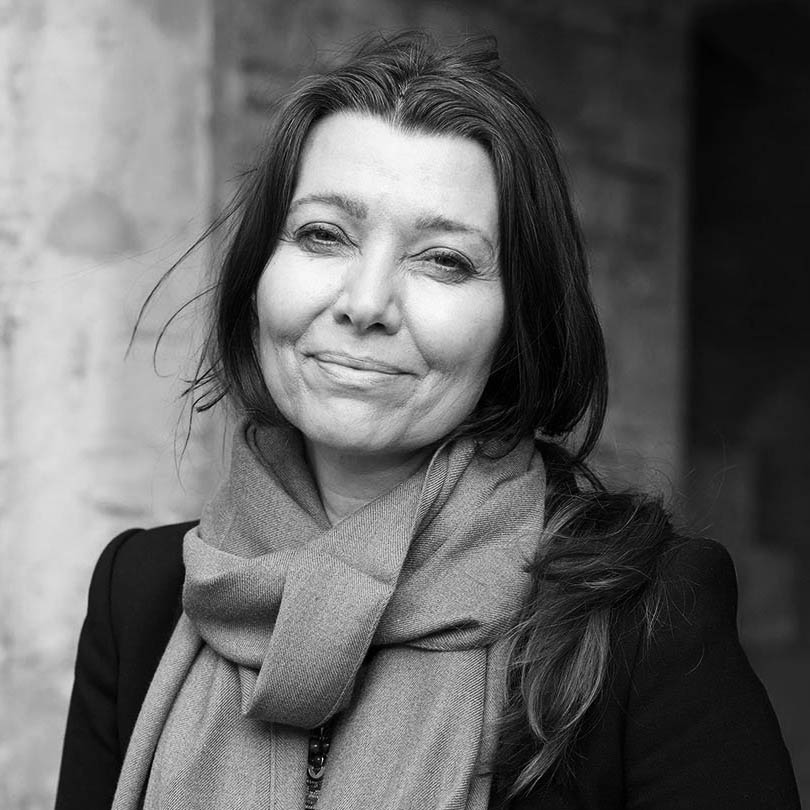
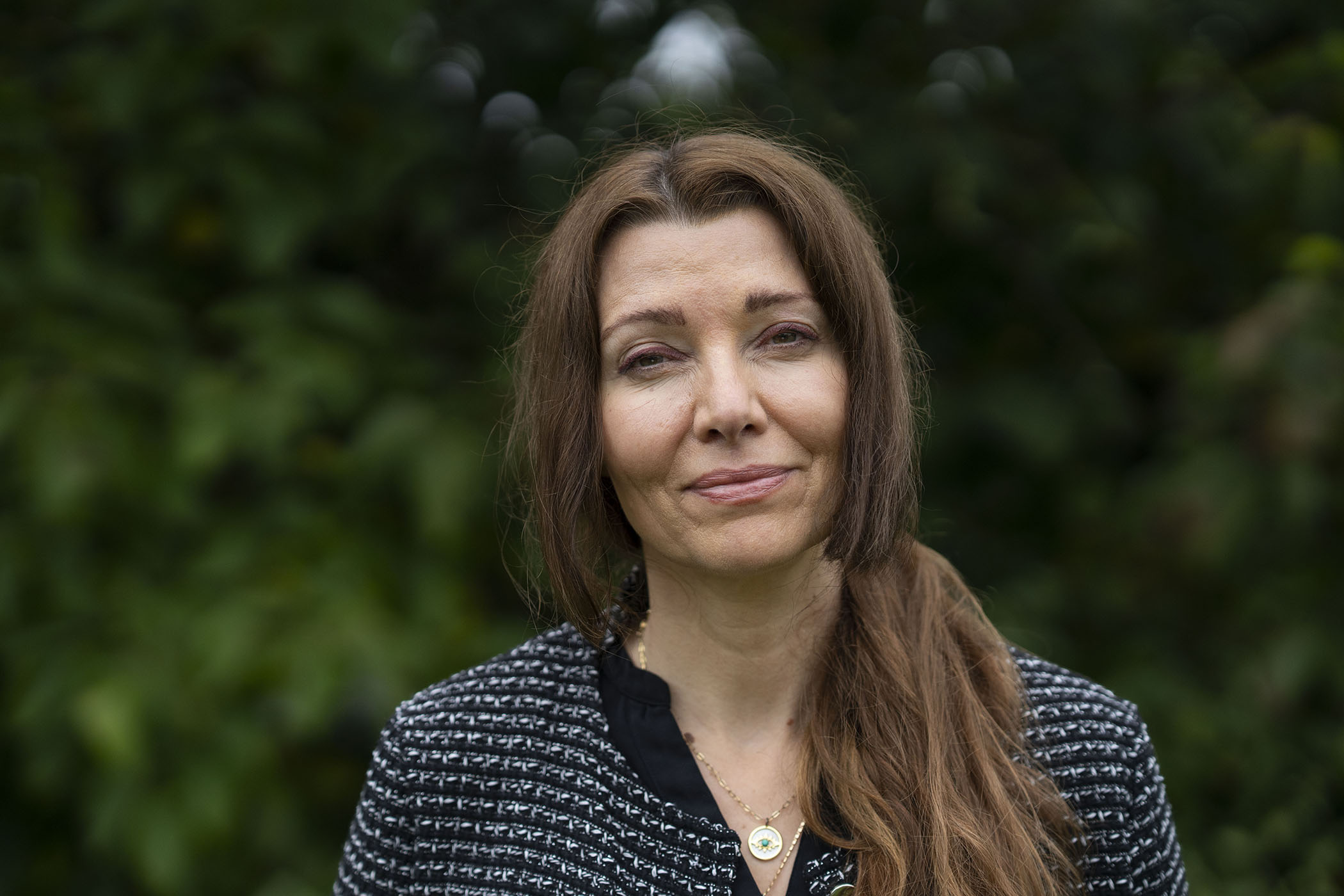
Elif Shafak
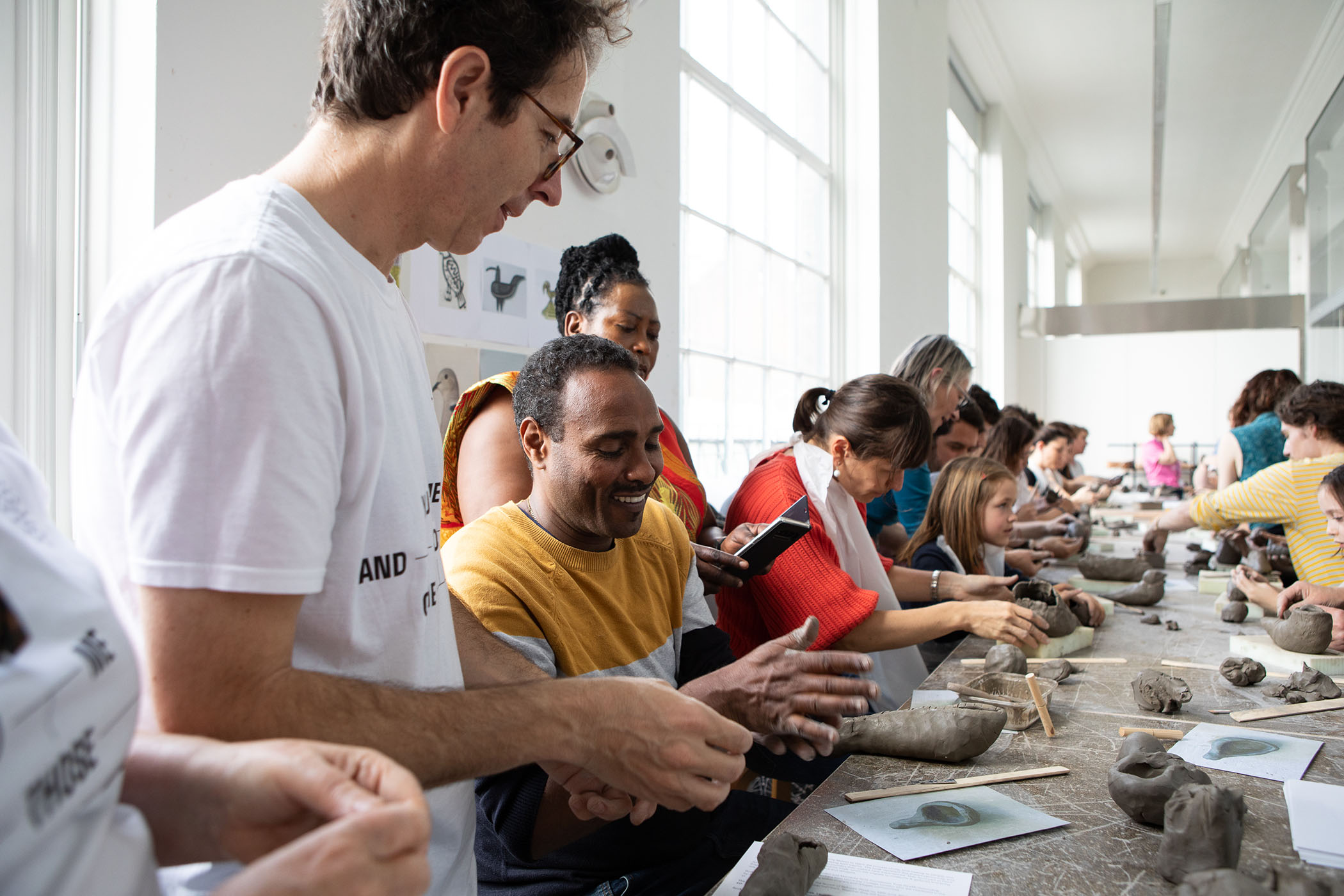
Against this fragile backdrop it is hugely inspiring to learn that The Observer is supporting an arts-based national and international organisation working in the field of creativity, cultural change and migration. Counterpoints Arts creates a space of openness for people of all backgrounds and age groups via the arts, emphasising compassion, connectivity and empathy as cherished values, aiming to build a harmonious society.
Stories matter. Knowing each other’s stories brings us closer, while silences, especially entrenched silences, only keep us apart. Counterpoints Arts focuses on the stories of refugees, migrants, exiles, minorities and anyone who has experienced some kind of displacement and estrangement, with the aim of bringing neighbourhoods and communities together, and strengthening social and cultural ties. We live in a world in which we are constantly pushed into boxes and tribes, and told to remain there once and for all. Identity, the way it is generally defined, resembles a static bloc – unchanging, pre-given, sharp at the edges.
But this is only one of the many ways identity can be perceived. There were ancient philosophers across time who approached the subject in more fluid terms. It is a very honest and heartfelt thing to feel a sense of attachment to our own ancestral heritage, the land where we grew up. But as we treasure this attachment, we are equally capable of connecting with human beings from different backgrounds. As Walt Whitman reminded us, we all contain multitudes. Multiple belongings, like ripples in water, and the largest circle to which we all belong is one single human race. Oneness.
Counterpoints Arts concentrates upon the connections that hold us together – not only with our fellow human beings but also with nature. Trees, rivers, earth. This requires work at the intersection of climate justice and social change, and this is done through the lens of arts. Collaboration is key here, working together with other cultural centres, artists, writers, people and partners. I am interested in the Simple Acts programme, which is based on seemingly ordinary acts that bring meaning into our lives; such as reading a book to children and organising events with the elderly, or sharing food with different communities. These small steps are important to build trust, dialogue and peace. History shows us that when societies become extremely divided and bitterly polarised, no one benefits from that in the long run. Creating shared spaces, dissolving hierarchies, is crucial to have neighbourhoods and communities connected.
Art is more than an aesthetic quest. It is an invisible but sturdy bridge. Sometimes the only way a child from a disadvantaged background can transcend the box that he or she has been pushed into is via sports or music or dance. And libraries. Free access to books. Unlike politics, which often divides humans into “us versus them”, in Storyland no one is “the Other”.
Newsletters
Choose the newsletters you want to receive
View more
For information about how The Observer protects your data, read our Privacy Policy
Stories also help us understand complexity, pluralism and nuance. In our media and social media environment we rarely hear positive accounts of diversity. But the truth is, many immigrants make a huge contribution to economy, medicine, science, society, and the arts.
We are living in the age of angst. Many across the world are struggling with an existential anxiety – young and old, east and west. But this would be a more difficult and darker world if it were to become the age of apathy. The moment we stop caring is the moment we become desensitised, indifferent, numb. When the sense of community and togetherness erodes with such speed that we all turn into atomised individuals.
This is exactly what the mighty Hannah Arendt warned us against. Caring for each other, however, cannot solely be an intellectual undertaking, it needs to come from the heart, from a place of emotional connections. That requires the arts.
We need to support arts-based charities and organisations and festivals, not only through our words but through our actions. Those who build bridges can easily be underestimated or overlooked, quiet and gentle and unassuming as they are, but in their absence everyone would be more lonely.
To donate to Counterpoints, please click here.
Photographs by Joana Saramago/Counterpoints Arts and Geraint Lewis/Eyevine