

Three teenagers have been prosecuted for “copycat” cases that echo many of the factors identified in the Southport attack. The cases raise concerns about teenagers accessing and sharing so-called “gore” videos that show graphic depictions of real-life violence, mutilation, and death.
The second stage of the inquiry into the Southport killings of three young girls last year, which opens this week, will seek to find solutions for “violence fixated” young men. It is expected to look at “diversion orders” and changes to the Prevent programme to counsel young people who are fixated by violence without a political or religious cause.
Axel Rudakubana was 17 when he murdered Elsie Dot Stancombe, Bebe King and Alice da Silva Aguiar in a knife attack at a Taylor Swift-themed dance class in July 2024. He was later jailed for life. It emerged during the first stage of the inquiry that Rudakubana, who has autism, had become obsessed with “very disturbing imagery” that included pictures of torture, female slavery and the bodies of the dead in global conflicts.
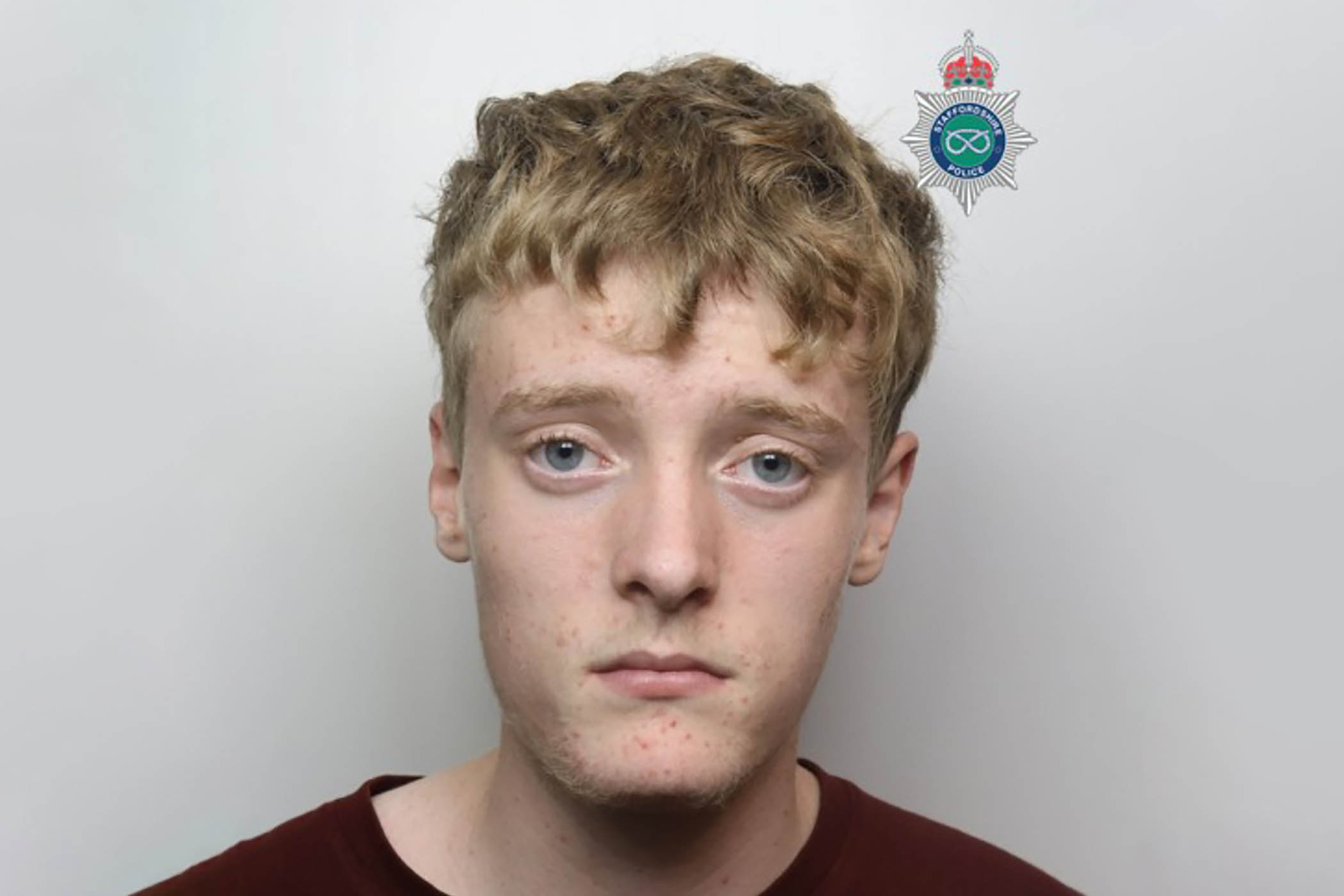
The most recent “copycat” is Jagger Strang, who was sentenced last week at Birmingham crown court to nearly four years in custody after pleading guilty to possessing explosive substances and making threats to kill. Last September, Strang, who was then aged 17 and had become fascinated by gore websites, researched Rudakubana and mass school stabbings before boasting to other pupils that he had plans to blow up his college using a pressure cooker bomb.
Last June, McKenzie Morgan, then aged 17, from Llanfrechfa in South Wales, began sending messages to friends in which he praised Rudakubana, shared images of the killer and said that he wanted to engage in a similar attack. He researched torture methods and attempted to purchase a 15cm kitchen knife using Amazon, like Rudakubana. A note on his phone headed “Places to attack” included a screenshot of a dance studio near his home, which location data suggested he had visited. In January he was sentenced to 14 months in custody after admitting possession of a document useful for terrorism.
Around the same time, another youth from Merseyside, who was 16, was making multiple searches on the internet about Rudakubana and the murders he committed. The teenager, then aged 16, had a diagnosis of autism spectrum disorder (ASD) and had not attended school for two years. He was referred to social services by the special school he was attending three times and was twice referred to the Prevent de-radicalisation programme, like the Southport killer.
The 16 year-old began counting down to the first anniversary of the atrocity, purchased a green hoodie similar to the one worn by Rudakubana, and researched a primary school in Southport, a Taylor Swift party in the town and the Liverpool Gay Pride celebrations. In August, after collecting knives from his parents’ kitchen, he called 999 and told the operator he wanted to “re-enact Axel”. He pleaded guilty earlier this year to possessing information useful to terrorism and was given a non-custodial rehabilitation order.
Gabe Mythen, professor of criminology at Liverpool University, blamed a “lack of regulation of online content and the easy access to extreme graphic material”, which “increases de-sensitisation” to violence. Research by his team, examining “mixed, unclear and unstable” forms of extremism, suggests that youth diversion orders – a new form of Asbo for extremists – could help change behaviour.
Chris Walker at Bond Turner, who represents the families of the three murdered girls, said there was “a significant difference” in the response to individuals preparing acts of extreme violence where no ideological motive is present. “The families could not care less whether the motivation is ideological,” he said.
“In their view, an individual planning a mass casualty attack without a recognised ideology should attract the same level of surveillance, intelligence gathering, information sharing, safeguarding intervention and preventative action as an individual planning a terrorist attack.”
Newsletters
Choose the newsletters you want to receive
View more
For information about how The Observer protects your data, read our Privacy Policy
Photograph courtesy Staffordshire Police