
Tens of thousands of homes have been left without water in Kent and Sussex, some of them for six days this week. This followed a sustained outage in Tunbridge Wells in November and December, and the water regulator Ofwat has now opened two investigations into South East Water.
How are people being affected?
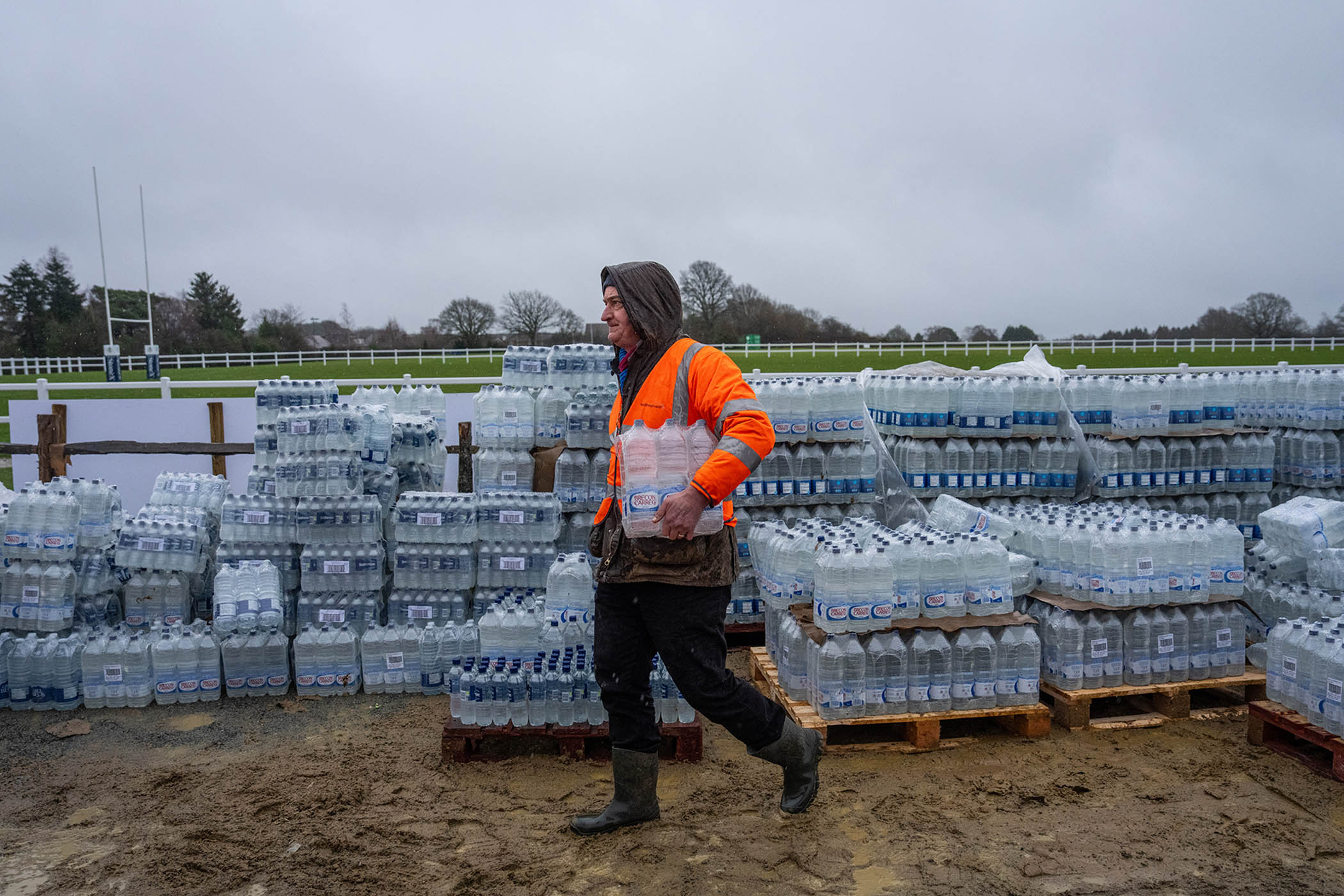
People who live in the affected areas have had days of not being able to shower at home, relying on bottled water for drinking and cooking and gathering rainwater in water butts to flush their toilets. School closures due to lack of water mean children have had to stay at home and parents’ working lives have been disrupted. Pubs and coffee shops have had to close or offer takeaway service only, leaving the high streets of towns such as Tunbridge Wells deserted. South East Water has set up collection stations where bottled water is being distributed.
Why did this happen?
The company blamed the outages this year on a freeze and thaw that burst pipes and depleted a drinking water storage tank. It said the disruption last year was caused by “water quality issues” that caused the shutdown of a water treatment works. Experts have raised questions about the resilience of the company’s water infrastructure.
What happens next?
Ofwat has opened two investigations. One considers whether South East Water has met standards of customer service, such as communicating about the outages and supporting customers through the gaps in service. Another investigation is looking into whether the company has failed to maintain supply. If South East Water has breached conditions, Ofwat can take “enforcement action” ordering the business to comply and impose a fine of up to 10% of its turnover. It appears unlikely at this stage that the company will lose its license to operate. This would involve the government taking control and appointing an administrator so that essential services for customers can continue.
What might solve the problem?
In short, money. Ofwat has approved £104bn of investment by the 16 major water companies in England and Wales between 2025 and 2030 to fix crumbling water and sewage infrastructure. But the National Audit Office, the public spending watchdog, claims that the government and the regulator have failed to grasp the scale of the challenge. It says vast investment is needed to protect the country’s drinking water supply and address environmental problems such as the release of untreated sewage into rivers.
Water companies fund their spending by raising money from shareholders – but the cost of repaying debt will come from increases in customers’ bills. That will be a tall order at a time when public trust in the water industry has slumped.
Newsletters
Choose the newsletters you want to receive
View more
For information about how The Observer protects your data, read our Privacy Policy
Photograph by Carl Court/Getty Images