

A new dusk has broken, has it not? We began 2026 with Sir Keir Starmer reassuring his party that things were going to change. What he didn’t tell them was that it would get even darker.
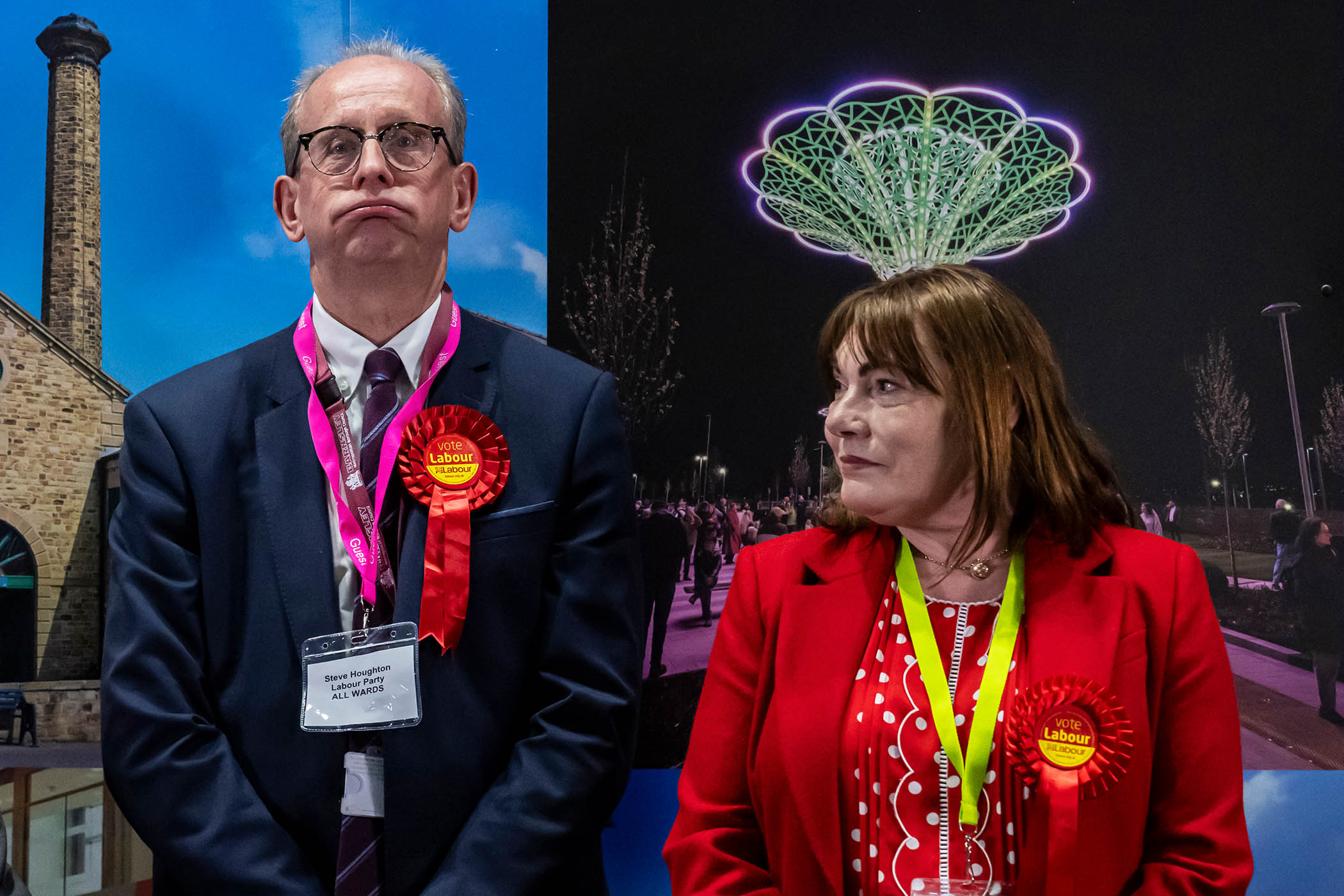
Smashed, pulverised, crushed. If you don’t like these as descriptions of Labour’s performance in the May elections, many others are available. Labour’s leader in Wales plumped for “catastrophic” after she was evicted from her seat while her party was eviscerated in the most psychologically searing of the blows administered by the voters.
The heartland of heartlands – the Wales that sent Keir Hardie, Nye Bevan, Michael Foot and Neil Kinnock to parliament – has not only fallen to the nationalists. Labour has been rammed into a distant third by Reform. Labour is yet again sipping from the bitter cup of defeat in Scotland, setting up the SNP for a third decade of rule in Edinburgh. While the losses of council seats in England were not quite as apocalyptic as some forecasters had predicted, shedding well over half the number being defended is still brutal.
If you squint at the results hard enough, you can find the odd shred of consolation for the government. The British are evidently fed up with their current rulers, but their votes are fragmenting all over the shop rather than coalescing around a clear alternative. For all the recent talk of a “Kemi bounce”, there was only a scatter of Tory victories and it was generally another rotten night for the Conservatives. Reform racked up striking gains, but they are not sufficiently powerful to make it wise to bet the farm on Nigel Farage becoming prime minister. The Greens struggled to translate all their support in the polls into wins on the ground. The Lib Dems, historically the beneficiary when Labour and the Tories are simultaneously disliked, have been squeezed out of the national conversation and made only modest progress.
That said, the big story is the Labour one and it essentially confirms what the opinion polls have been telling us: this is a deeply disliked government led by a man who is regarded as fondly as the flu. These are not the kind of setbacks that can be shrugged off as typical of the misfortunes that often befall governments at midterm. These are losses on a scale that invites existential questions about Labour.
His mind mainly on his own future, Sir Keir was quick out of the blocks to try to forestall any challenge to his leadership. His statements have been one part mea culpa to three parts defiance. His only real purpose is to scotch any notions his colleagues might have that he can be persuaded to walk away. If they want him gone, they’ll have to drag him out by the fingernails.
While some in the cabinet privately express the hope that Sir Keir himself “will change because he must”, I don’t think they can sincerely believe that a man in his sixties will magically develop the qualities that have hitherto eluded him. Charisma is not available on prescription. Vision is not injectable. The best case for letting him stay on for now is that there is little guarantee that a change would make things any better and considerable risk that it could make things even bleaker. Steve Reed, the housing secretary, made the point most effectively when he warned his party against trying to “copy the Conservatives and go doomscrolling through leaders”. When the Tories ditched Bad King Boris and ended up with Mad Queen Liz, they leapt out of the frying pan of lockdown parties at Downing Street only to land in the skip fire of a financial crisis.
Ministers also fret that a leadership contest might ignite a full-on civil war between the party’s centrists and its soft left. At the very least, it would be messy, protracted and introspective. “All this talk about challenges, pacts, timetables,” sighs one cabinet member. “We’d be saying to the public: ‘We’re checking out of government while we sort ourselves out – we’ll get back to you in six months.” This minister is not, incidentally, someone you’d describe as a passionate cheerleader for the prime minister. I don’t think there’s anyone in the cabinet you could call that. I’d struggle to name one of them who authentically thinks it likely that Sir Keir will lead them into the next general election. What stays their hand is not loyalty or affection towards the boss, but the lack of any settled conviction that a coup attempt would produce salvation.
I’d struggle to name one of the cabinet who authentically thinks it likely that Sir Keir will lead them into the next general election
I’d struggle to name one of the cabinet who authentically thinks it likely that Sir Keir will lead them into the next general election
Andy Burnham is popular among party members and scores better than any other Labour politician in national opinion polls, for what that’s worth. But the mayor of Greater Manchester is simply not available to be leader until and unless he can find a way back to Westminster. And his route now looks paved with added peril. Given the collapse of support for Labour in the north-west, it is questionable whether there’s any such thing as a “safe” Labour seat that Mr Burnham could be completely confident of winning in a byelection. For so long as he is unavailable, his backers are incentivised to keep Sir Keir in place. And Sir Keir’s people in the party machinery are incentivised to confine Mr Burnham to Manchester.
Wes Streeting is the cabinet’s punchiest communicator, very much wants the top job and would be the preferred choice of many ministers if only they could be certain that most party members feel the same way. The health secretary is reluctant to initiate a contest by striking the first blow, in keeping with the hallowed, though inaccurate, adage that he who wields the dagger never gets to wear the crown.
Newsletters
Choose the newsletters you want to receive
View more
For information about how The Observer protects your data, read our Privacy Policy
Angela Rayner has her fans, but she doesn’t poll well and her detractors within Labour are proud to group themselves as the “Anyone But Ange” tendency. Her people have been telling journalists for weeks that the HMRC investigation into her tax affairs is almost complete. Until it actually is, it doesn’t look plausible for her to have a stab at the top job. The result is a Mexican standoff between Sir Keir and the pretenders to his battered throne.
It would make most sense for Labour to take a collective decision to back its leader or to sack him. One of the most enervating courses for the party to take is to spend many more weeks agitating, conjecturing and scheming about its leadership without resolving the issue one way or another. That is also the likeliest thing to happen.
Photograph by Anthony Devlin/Getty Images