
“The world is turning on its axis,” Tony Blair warned last week, “and today’s politicians living in a 24/7 pressure cooker have barely the time to recognise the turning, let alone study it.”
Given that most of the reaction in Westminster to his 5,600-word treatise has been to the part of the essay that focused on domestic politics, maybe Blair is right. (Then again, if you want to write a serious article about an “epochal change… in the geopolitical order”, perhaps don’t spend the first part of it laying into the mayor of Greater Manchester.)
Blair makes four big arguments about Britain’s place in the world. China is now a superpower with which Britain must engage; the UK needs a “structured, formal relationship with Europe”; one of Britain’s greatest strengths is its soft power, which means international aid should be increased; and finally, Britain has to stay close to the US, “even when it is difficult or unpopular”.
On three out of four, Blair is right. If Britain is serious about growth it needs an economic relationship with China. Similarly, a closer partnership with Europe – whether inside the EU or not – is economically sensible and geopolitically necessary. And on aid, Starmer’s cuts to the development budget are a false economy that have not only damaged the country’s reputation but have also cost lives.
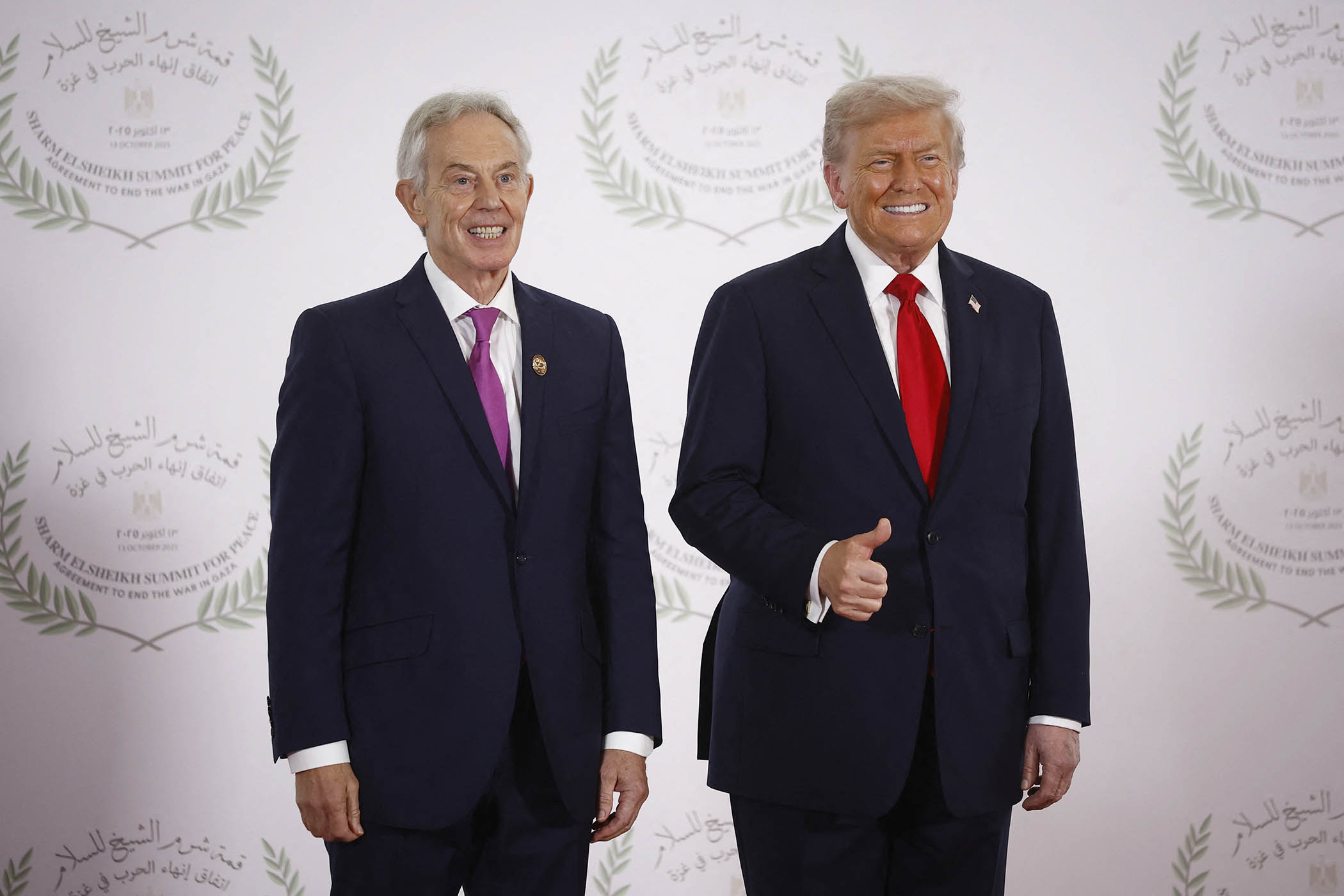
But on the relationship with the United States, Blair is oddly detached from reality. In essence, his view of the special relationship hasn’t changed since the days of George W Bush. Britain needs to hug the US close, he believes; for protection, but also as the only way to cling on to any influence. The world may be turning on its axis, but Blair’s solutions are the same as they ever were.
But Trump’s US is very different from Bush’s. Under Trump, it has become an autocratic superpower, taking an axe to multilateralism and using its vast military might to start catastrophic wars and threaten democracies. Just a few days ago, he threatened to “blow up” Oman.
Trump has repeatedly attacked his country’s Nato allies, threatening to abandon the alliance, remove troops from Europe, and shamefully casting aspersions on the actions of Nato soldiers in Afghanistan.
Blair, however, claims that Trump’s criticisms of Nato allies are simply what previous American presidents have been “too polite to say”. Not only that, he thinks Trump is right. “We’re being told some home truths which, if wise, we will wake up to.”
The former prime minister states that the US and Europe share democratic values, ignoring Trump’s attempts to subvert democracy at home.
His essay makes no mention of the US national security strategy, which argued that Europe faced “civilisational erasure” and pledged support for far-right parties. There is no mention of Trump’s desire to annex Greenland, or his treatment of Volodymyr Zelensky and appeasement of Vladimir Putin.
Indeed, aside from a passing reference to a “newly militaristic Russia”, Blair has nothing to say about either of the two main wars that have dominated the past four years: the full-scale invasion of Ukraine or Israel’s slaughter of more than 70,000 people in Gaza.
Much of Blair’s argument today is similar to the one he made while in power, but there is one substantial difference: 25 years ago, in the wake of 9/11, he similarly recognised the world was changing. “The kaleidoscope has been shaken, the pieces are in flux, soon they will settle again,” he said in his 2001 Labour party conference speech. “Before they do, let us reorder this world around us.”
There was an ambition then that is lacking in the Blair of today. He wanted the west to use its vast power to make the world a better place. In that same speech, he said poverty in Africa was a “scar on the conscience of the world”, making the case for erasing much of the continent’s debt and dramatically increasing aid.
That hope for the future – that sense of what liberal democracies can achieve – seems to be missing now. Even when he talks about international aid, his argument is couched in terms of what it means for Britain, not what it can do for some of the world’s poorest people.
Blair’s vision is only about Britain’s survival at the top table, not what it can do if it’s there. But Starmer – and whoever may follow him – should remind themselves that, as Blair himself once said: power is for a purpose.
Photograph by Yoan Valat/AFP via Getty Images
Newsletters
Choose the newsletters you want to receive
View more
For information about how The Observer protects your data, read our Privacy Policy