

Andy Burnham will this week set out plans for “serious structural” changes to the British economy, in one of his first speeches since returning to parliament.
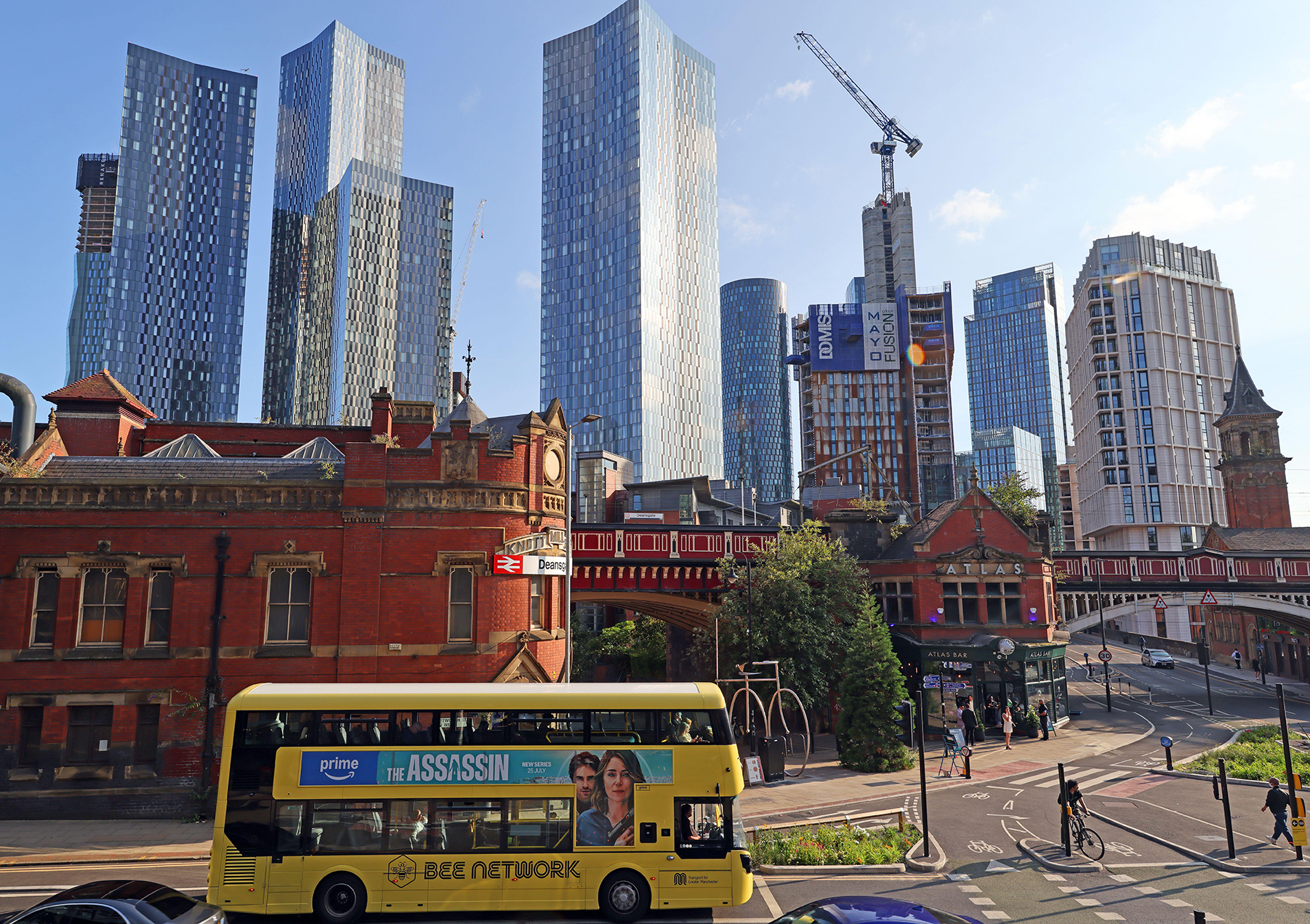
The Makerfield MP and probable future prime minister will begin to set out his stall for government in a key speech delivered in Manchester, in which he is expected to make the case for his “most serious agenda, which is economic growth in the regions”, according to sources familiar with the matter.
That is thought to include fiscal devolution, granting more tax-raising powers to regional centres and redeploying parts of the Treasury around the country.
As well as demonstrating a commitment to the “neglected” parts of Britain, Burnham is said to be determined to stop the Treasury from being allowed to overrule policies, with one ally saying the department “cannot be the guardian of prudence at the expense of radicalisation elsewhere”.
Burnham, who would be the first Labour and Co-operative prime minister, is also said to be “keen on making progress” with the mutualisation of core parts of the economy, including utilities and infrastructure projects.
A source said: “So far the debate has been about renationalisation, but Andy is at pains to say there are different ways you can do it. Some people around him think existing legislation means you could have more state control without full nationalisation. Mutualisation works if you want to change the character of, for example, water companies.
“If you look at what he did in Manchester, you get a partnership with large companies; the pension fund provides capital, then Manchester council provides public money, and you mobilise to make big projects happen. This is very much in train with what Rachel Reeves said she wanted to do, and Manchester is the proof point of doing it.”
Another insider said Burnham would emphasise “community power [and] local power, and a desire to build a big boost within the Co-operative framing”.
Since arriving in Westminster last Monday, Burnham has set up a temporary base in the parliamentary office of the government whip Christian Wakeford, next door to one shared by so-called “northern queens” Louise Haigh and Anneliese Midgley, who are credited with facilitating Burnham’s path to Downing Street. Several sources said Burnham has spent the week meeting MPs one by one, as well as in small groups, to discuss plans for a future government.
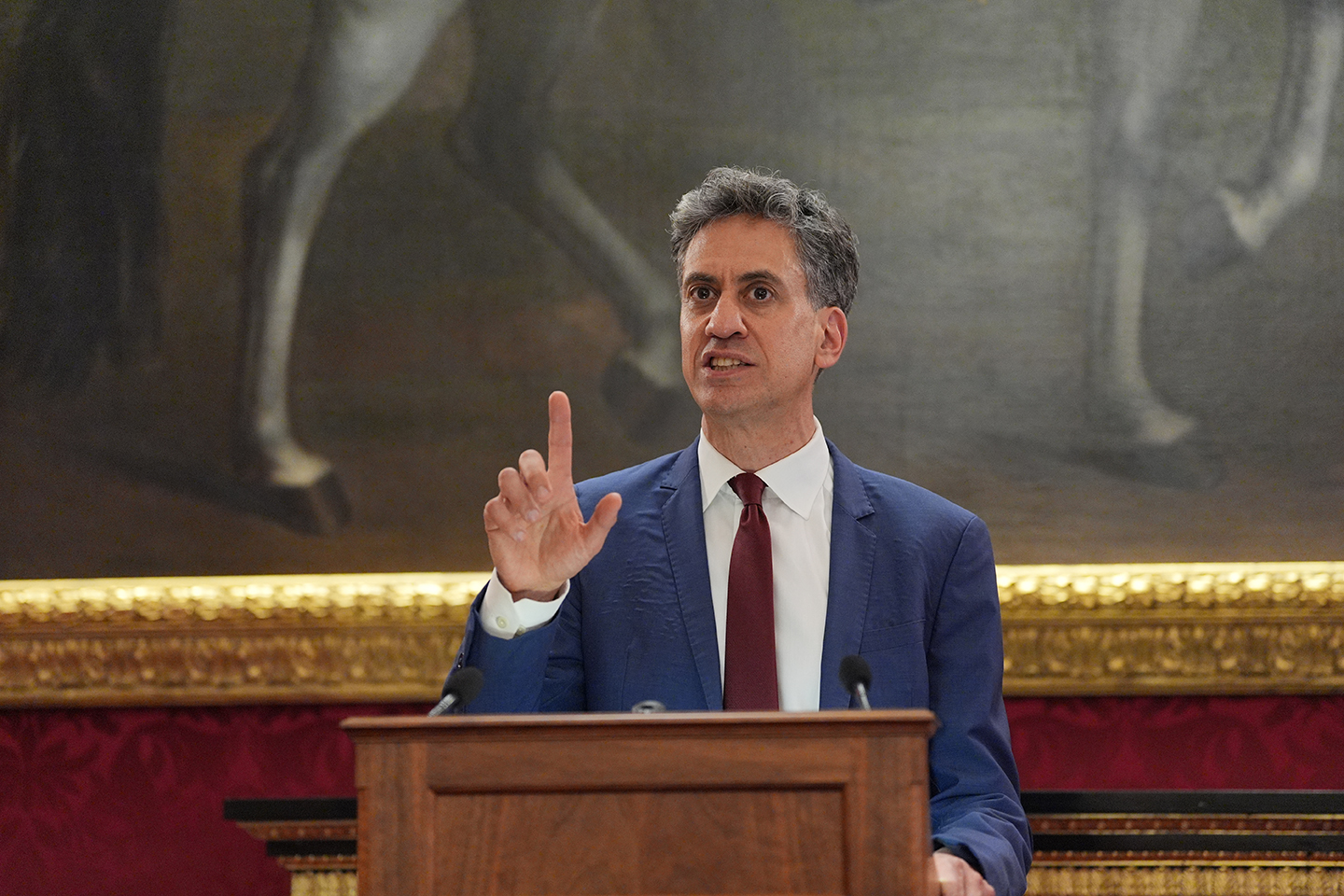
Burnham and Ed Miliband, the energy secretary, who is seen by some as favourite to become the next chancellor, are said to have “spoken a lot in the last few days”, and Miliband is expected to be among those attending the speech on Monday.
Newsletters
Choose the newsletters you want to receive
View more
For information about how The Observer protects your data, read our Privacy Policy
“There’s no one in the Westminster world closer to Andy than Ed,” said one source. “Lou Haigh and Josh Simons [the former Makerfield MP who stepped down to allow Burnham to contest the seat] have become close, but in terms of senior cabinet hitters, it’s Ed.”
Both Burnham and Miliband are conscious of the “unusual coalition” of critics of the energy secretary, which ranges from trade unions concerned about job losses through his opposition to North Sea oil drilling to the City and even his own Labour colleagues.
Others in the frame for the role, including the home secretary, Shabana Mahmood, are viewed as placating the right of the party, although Mahmood is increasingly expected to retain her present brief.
Burnham’s team did not respond to requests for comments.
Photograph by Tony Smith/Alamy