
If much of Andy Burnham’s popular appeal is based on being a “normal bloke”, the recent experience of Keir Starmer might indicate that the necessarily extraordinary job of prime minister will make it pretty hard to be seen as “ordinary” ever again.
Let’s start with the clothes. As Burnham travelled from Manchester Piccadilly along the West Coast mainline to London Euston on Monday, he swapped his trademark jeans and dark T-shirt for a smart suit in order to meet the sartorial requirements of being an MP and imminent PM. Yet the last-minute costume change in a train toilet perhaps hinted at some anxiety that it would immediately make him less relatable, or even might have nudged memories of an early blow to Starmer’s credibility. After all, the so-called “freebies row” was over his declaration of thousands of pounds worth of expensive suits and glasses, donated to ensure he “looked the part of a PM”.
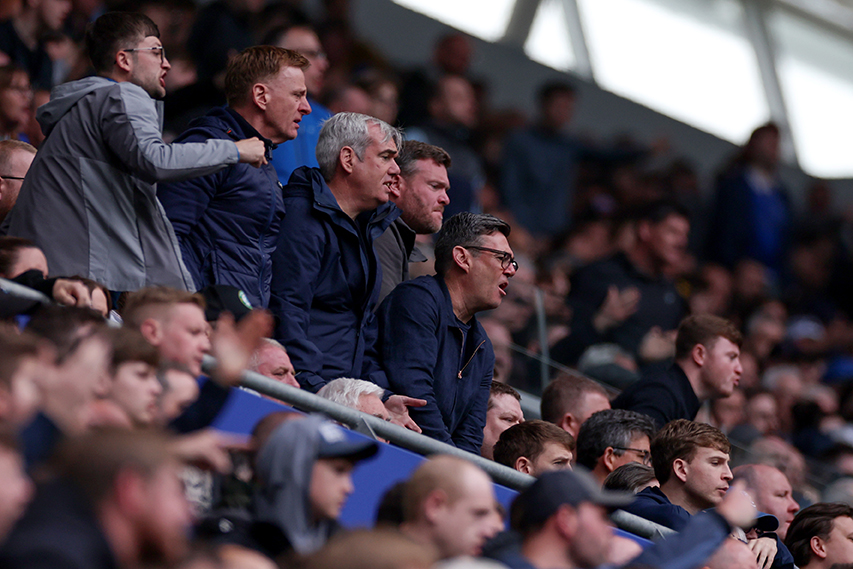
Then there is an armed protection team that automatically attaches itself to each prime minister for the rest of their life, insulating them from the outside world and complicating even the most “bloke-y” pastimes. In much the same way that Starmer once promised he would with Arsenal, Burnham has vowed to keep hold of his treasured Everton season ticket, saying he will always go and watch his team. But the reality is that the cost of providing security for a prime minister to sit in the stands with the real fans becomes prohibitive. So the directors box, or the glass windows of soulless corporate hospitality suites, beckons for the likely next prime minister – just as it did for the current one.
Even after leaving Downing Street, as they now seem to do every couple of years, it is not so easy for former PMs to return to the real life they once enjoyed. The publicity surrounding the arson attack on Starmer’s home in London’s Kentish Town last year, which we now know was instigated by “bad actors” linked to the Kremlin, makes it unlikely his family can go back there and they will now have to find somewhere safer to live.
That story also provides an instance of the outlandish new pressures that have faced this prime minister – and, in all likelihood, anyone who follows him. Grotesquely false conspiracy theories began to spread wildly on social media, within minutes of news of the fire breaking, that the men responsible were “rent boys” seeking revenge on Starmer. With the help of Russian media outlets and Elon Musk’s algorithms, these were viewed an estimated 18 million times on X in just two weeks.
It is, therefore, worth recalling how not so very long ago being “ordinary” was meant to have been the core of the prime minister’s appeal too. He dutifully repeated those lines about being the “son of a toolmaker” who grew up in a “pebble-dash semi”; who sometimes doubted himself when he went to university because he was the first person from his family to do so, and only became an MP late in life. This is very similar to what Burnham says about his “working-class background”, how he asked himself if he was “meant to be here” when he got to Cambridge University, as well as his outsider credentials as someone who rediscovered and developed a political philosophy rooted in place when he became mayor of Greater Manchester.
The question now is whether Burnham’s strong brand of understanding what goes on in ordinary people’s lives can survive contact with the towering challenges at home and abroad that will face him when he arrives in Downing Street
The question now is whether Burnham’s strong brand of understanding what goes on in ordinary people’s lives can survive contact with the towering challenges at home and abroad that will face him when he arrives in Downing Street
Of course, the reason why most Labour MPs and ministers have been so keen for Burnham to take over as prime minister is not limited to his “backstory”. They will tell you the new MP for Makerfield is blessed with an “everyman” charm, personal charisma and the judgment needed to avoid something like the “freebies” row. They wax on about his superior communication skills – “he’s so good on TikTok!” – and say his obvious enjoyment of politics itself should help him tell his story, as well as the government’s story, better than the current occupant of Downing Street ever could.
Yet all that may be largely because, unlike Starmer who entered politics in his 50s after a long legal career, Burnham has far more experience of what he has disparagingly called the “Westminster bubble”. Indeed, he spent most of his working life within it – as a special adviser, MP and cabinet minister – before escaping to Manchester in 2017. For many people, that might make him seem less ordinary, not more.
Exactly one year ago, this newspaper published a long interview I did with the prime minister that explored the paradox of why such a recognisably British “ordinary family man” had begun to seem so out-of-touch and remote to many voters. It suggested this might be partly explained by his reluctance to let politics encroach too far into what he called his “real life”. Just as he did not want people to know his brother was dying of cancer, Starmer has sought to stop what is most authentic about him being contaminated by the need to capture that elusive quality of “authenticity”, so prized by political strategists in the intrusive age of social media.
The interview caused controversy because it included multiple regrets about his first year in power, not least a speech warning Britain risked “becoming an island of strangers” without tougher immigration rules. He admitted this phrase had been wrong because it sounded too much like Enoch Powell’s infamous “rivers of blood” speech half a century earlier, which predicted the white population would become “strangers in their own country”.
Newsletters
Choose the newsletters you want to receive
View more
For information about how The Observer protects your data, read our Privacy Policy
Some of his advisers in Downing Street were furious with him (and me) for undermining their effort to give him a sharp-edged profile on an issue they regarded as crucial to winning back Reform voters. The unforeseen consequence was that their boss became worried that owning his mistakes made him look weak, telling aides he had “tried that with The Observer and it didn’t go well”. In doing so, however, he may have closed off a route to understanding how tackling complex problems and taking difficult decisions requires compromise and trade-offs. Owning mistakes and explaining what he had learned from them might have been the best way for this prime minister to show strength and that he was navigating a way forward.
Even so, it may be no coincidence that the comedian Russell Kane has so swiftly had a viral hit with his impressions of Burnham doing “really normal things”, such as “making toast with white bread” and “having a shit”. It is difficult to remember anything quite so memorable for Starmer. Matt Forde, who probably does the best impression of him, says that the lack of a “strong and recognisable regional accent” made him harder to pin down. But he also suggests that “comedic value” for him and sketches on Saturday Night Live was often derived more from a certain sense of “awkwardness” than Starmer’s non-descript Surrey tones. Certainly, in contrast to the prime minister-in-waiting, the current one is someone who instinctively defies too precise a definition either of his politics or his personality.
The question now is whether Burnham’s strong brand of understanding what goes on in ordinary people’s lives can survive contact with the towering challenges at home and abroad that will face him when he arrives in Downing Street. One of Starmer’s advisers thinks that trying to be a Westminster “outsider” is an “old-fashioned form of populism” at a time when that virus has mutated into more dangerously divisive forms. Nor is it obvious that Burnham is offering a substantively different policy programme to that already being pursued, while continued uncertainty over who he will appoint as chancellor and jockeying for position over other key appointments has not offered much clarity about any new direction.
Perhaps better communication skills, together with a more inclusive approach to building alliances and relationships with fractious Labour MPs, as well as warring Home Office ministers, will be enough to turn this government’s political fortunes around. Downing Street has reams of under-reported data showing that real progress has been achieved – across issues ranging from immigration and economic growth to the cost of living and public services – which it says is a solid long-term platform on which Burnham can build.
The prime minister appears to have, typically, managed to bottle up whatever feelings he might have towards Burnham right now, instead showing grace and dignity as he promises to help with the transition. He remains determined to push through his defence investment plan, and his successor might be well-advised to let him so that such a vexatious problem is cleared off the ever- lengthening “to do” list. This would help persuade him to stick around in Parliament and avoid Labour having to face a potentially difficult byelection against the Greens in his Holborn and St Pancras constituency.
He is also understood to be interested in the post of Nato secretary general that falls vacant in 2028 and, while there is no question of making the kind of transactional political “deals” that have – to his cost – never been his strength, he would need some sustained government backing to have any chance of filling it. Supporters have notably gone out of their way to highlight how the G7 summit earlier this month confirmed that other European leaders hold him in high regard, while his relationship with Ukrainian president Volodymyr Zelensky is so close they sometimes “pocket dial” each other by accident.
Foreign policy is only one of the issues that hit new prime ministers hard and fast at a time a hair-trigger public is impatient for instant results. It is fair to say there remains some scepticism within Downing Street that Burnham’s insistence last week that he is “trying to keep things the same, doing the same things I have always done” can deliver all the “hope and change” he has promised.
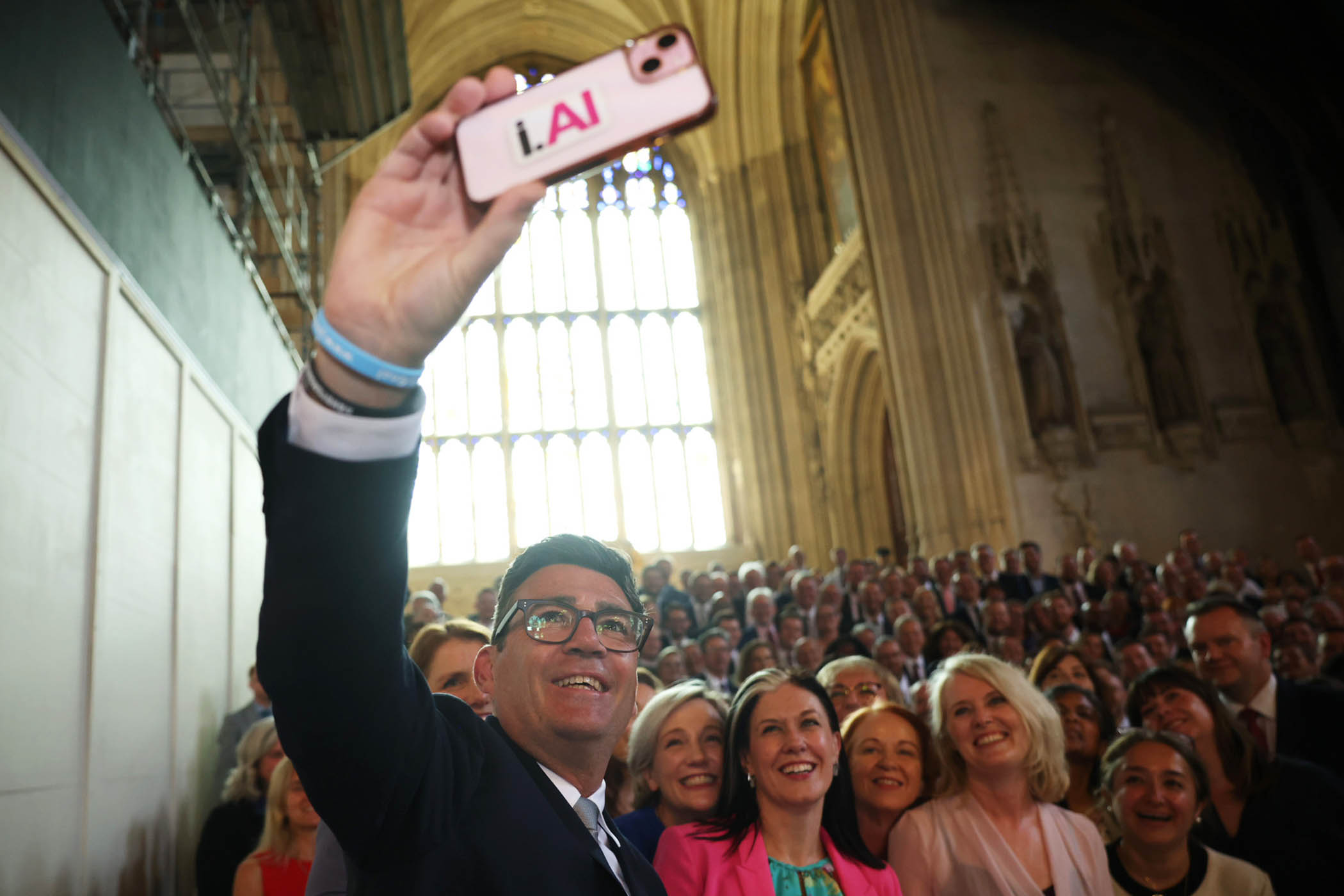
As the excitement of last week began to be replaced with some more sober reflection, one minister who declined to attend the mass “selfie ceremony” with Labour MPs where Burnham was anointed as the successor, said: “Andy makes being ordinary appear almost effortless. But this isn’t going to be so easy because being prime minister is no ordinary job.”
Thank you for reading. Tell us what you think by writing to letters@observer.co.uk
Photograph by Lewis Storey/Getty Images