
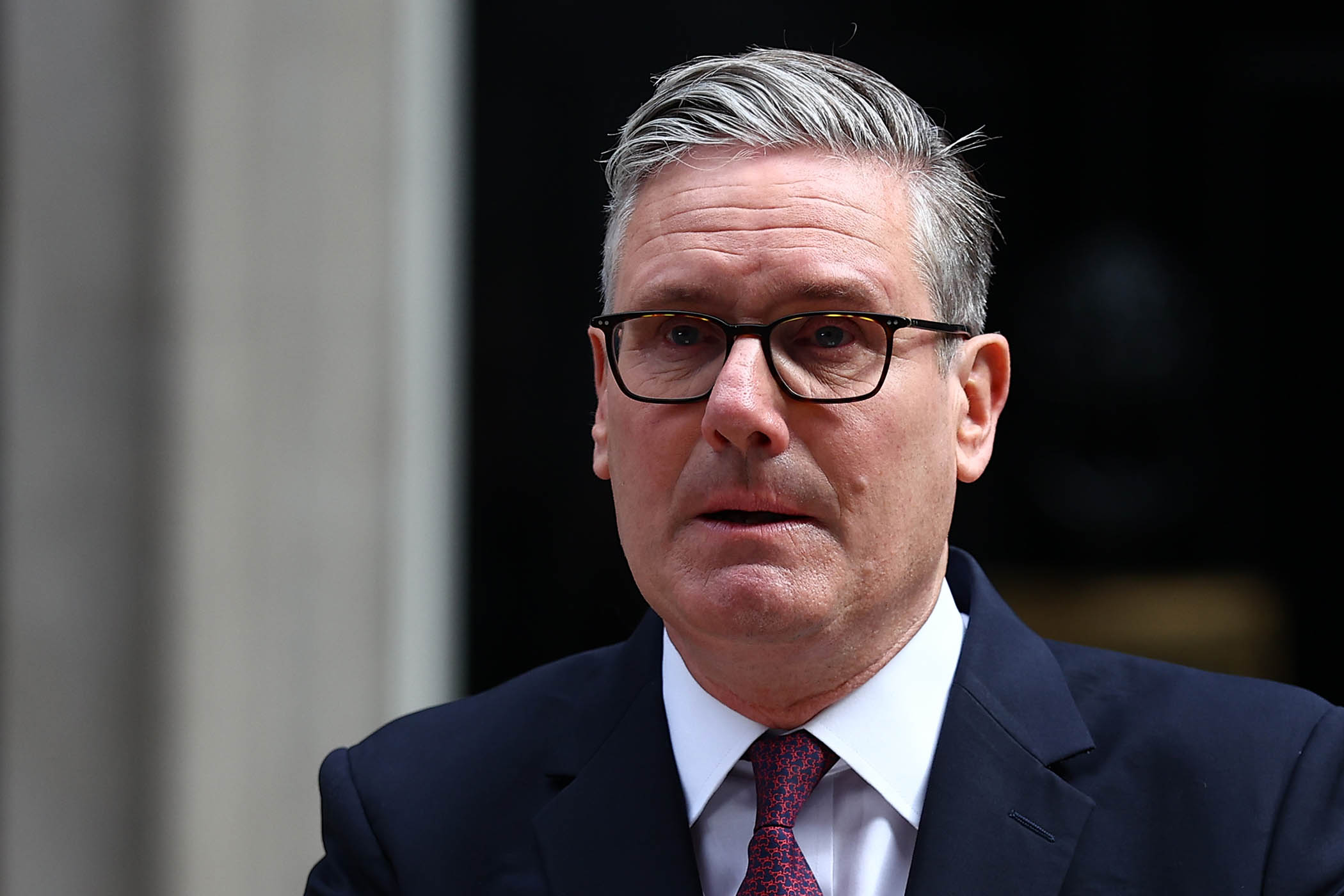
Keir Starmer has insisted he did not mislead the House of Commons over Peter Mandelson’s security clearance, as the prime minister continues his fight for political survival.
Days after it emerged that Mandelson had failed his developed vetting but gone on to become the UK’s ambassador to the US, the prime minister’s sole form of defence remained that he had been left in the dark by the Foreign Office’s former permanent secretary, Olly Robbins.
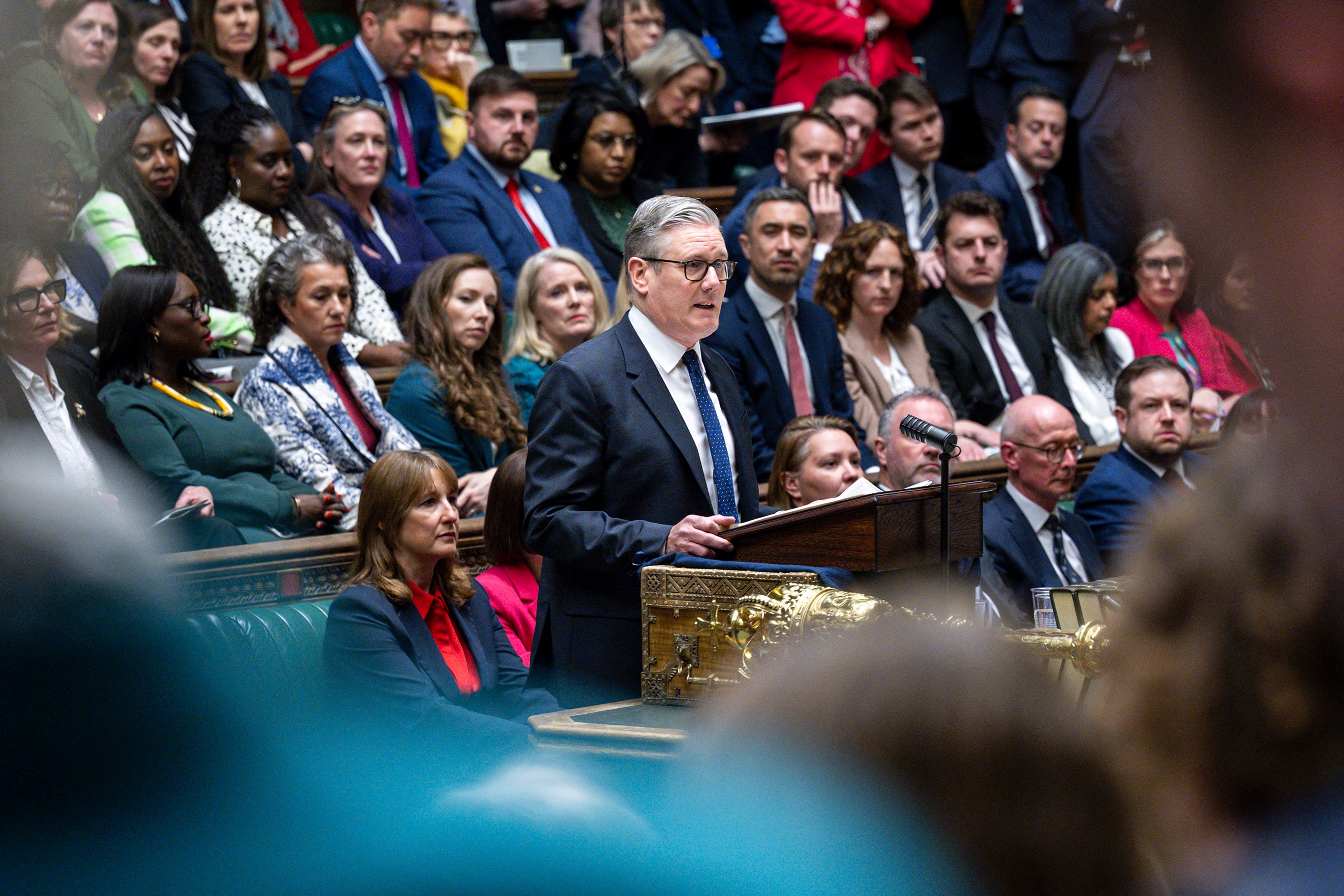
Challenged in the Commons over the veracity of his previous statements, claiming that due process was followed, Starmer said: “I did not mislead the House of Commons. I accept that information that I should have had, and information that the House should have had, should have been before the House. But I did not mislead the House.”
Although he took responsibility for the appointment itself – apologising to the victims of Mandelson’s friend, the convicted paedophile Jeffrey Epstein, “who were clearly failed by my decision” – Starmer stressed that the result of the vetting should have been shared with him.
“If I had known, before he took up his post that UKSV [United Kingdom Security Vetting] recommendation was that developed vetting should be denied, I would not have gone ahead with the appointment,” Starmer told MPs.
During the two-hour session, the prime minister was subjected to serious questions from all sides of the House, including for him to confirm that no one in No 10 was aware of the ‘red flag’ rating Mandelson had received.
Others asked why Mandelson’s appointment had been announced before vetting was undertaken, highlighting a note from former cabinet secretary, Simon Case, advising against such an approach.
MPs, including some on the Labour benches, told The Observer they believed political pressure was a factor in Robbins proceeding with the appointment after Mandelson had been ranked “high concern” by vetting officers.
“The pressure was clear. Morgan wanted him. The press release [about Mandelson’s role] did not even say the appointment was subject to vetting,” said one, referring to Starmer’s former chief of staff, Morgan McSweeney, who resigned in February over Mandelson’s appointment.
Another said the prime minister’s response was “so weak”, noting that Conservative leader Kemi Badenoch “was right” to raise Starmer’s past attacks on Boris Johnson.
During their back-and-forth, Badenoch had told her opponent she was “only holding [him] to the same standard to which he held others… is there one rule for him, and another for everyone else?”
Notable was how few Labour MPs asked questions from a crib sheet that had been circulating around Westminster before the debate began. One backbencher said they feared “this is going to happen again”.
A cabinet minister said he feared focusing on process was the wrong approach. “There will be lots of holes to pick in this… the missing piece is why would you appoint him in the first place.”
However not all Labour MPs were mutinous. Highlighting the timeline of events, one loyalist argued that Robbins should have told Starmer last autumn, when Mandelson was fired after the extent of his relationship with Epstein became clearer. “If he had, I’d stand behind Olly Robbins,” the MP added.
Monday’s debate sets the stage for Robbins’ appearance before the foreign affairs committee on Tuesday , where he will publicly address the claims made about him for the first time.
Starmer has already set out his position, saying it “beggars belief” that he was not told,. The prime minister rejected suggestions that the mandarin was legally bound to keep the outcome secret.
But allies of Robbins, who is considering taking the government to an employment tribunal, believe his defence stacks up. As well as a clause in the 2010 Constitutional Reform and Governance Act, they point to comments such as one by Foreign Office minister Stephen Doughty just last autumn.
Doughty told the Commons the security vetting process is “rightly independent of ministers, who are not informed of any findings other than the final outcome”. They argue that Robbins, as the decision-maker, was the individual who determined the final outcome.
Tuesday’s session is likely to be another moment of high drama for Westminster, with Labour MPs – even loyalists – acknowledging the impact it is having on the doorstep, weeks out from a series of local elections, alongside critical votes in Scotland and Wales.
With MPs due to leave for the campaign trail shortly, Starmer is likely to remain in place for the coming weeks. Thereafter is anyone’s guess.
Photograph by House of Commons/AFP/Getty Images
Newsletters
Choose the newsletters you want to receive
View more
For information about how The Observer protects your data, read our Privacy Policy