

The story being told about Britain’s politics has begun to resemble that of the Vietnam war epic, Apocalypse Now: a journey “up river”, along the banks of the Thames through multiple atrocities to find a lost leader – let’s call him “Colonel Keir” – who is cut off from the world and now surrounded only by decomposing bodies.
And though, of course, such fictitious horrors as depicted in Francis Ford Coppola’s film bear no resemblance to reality, ministers who once set off so boldly on their mission into government have found themselves in a deeply hostile environment.
Over recent days, much of the Labour party briefly imagined they were back on familiarly solid ground. They went to the Makerfield byelection to tell people they can “Vote Andy” for “hope” and “change” as if the past two years, when both these concepts have been so elusive, never happened. But the resignation of John Healey as defence secretary this week has perhaps served only to remind them that whoever’s in charge, politics is sliding ever deeper into the “heart of darkness”.
Keir Starmer summed it up well in a recent Substack article when he explained why, when faced with the fragility of public finances, public services and public trust, Tony Blair’s demand for a big-picture vision of the future was not as easy as it sounds. The prime minister described how government is now “about acting on every major problem simultaneously, balancing them against each other, and trying to get to the best situation for Britain overall”.
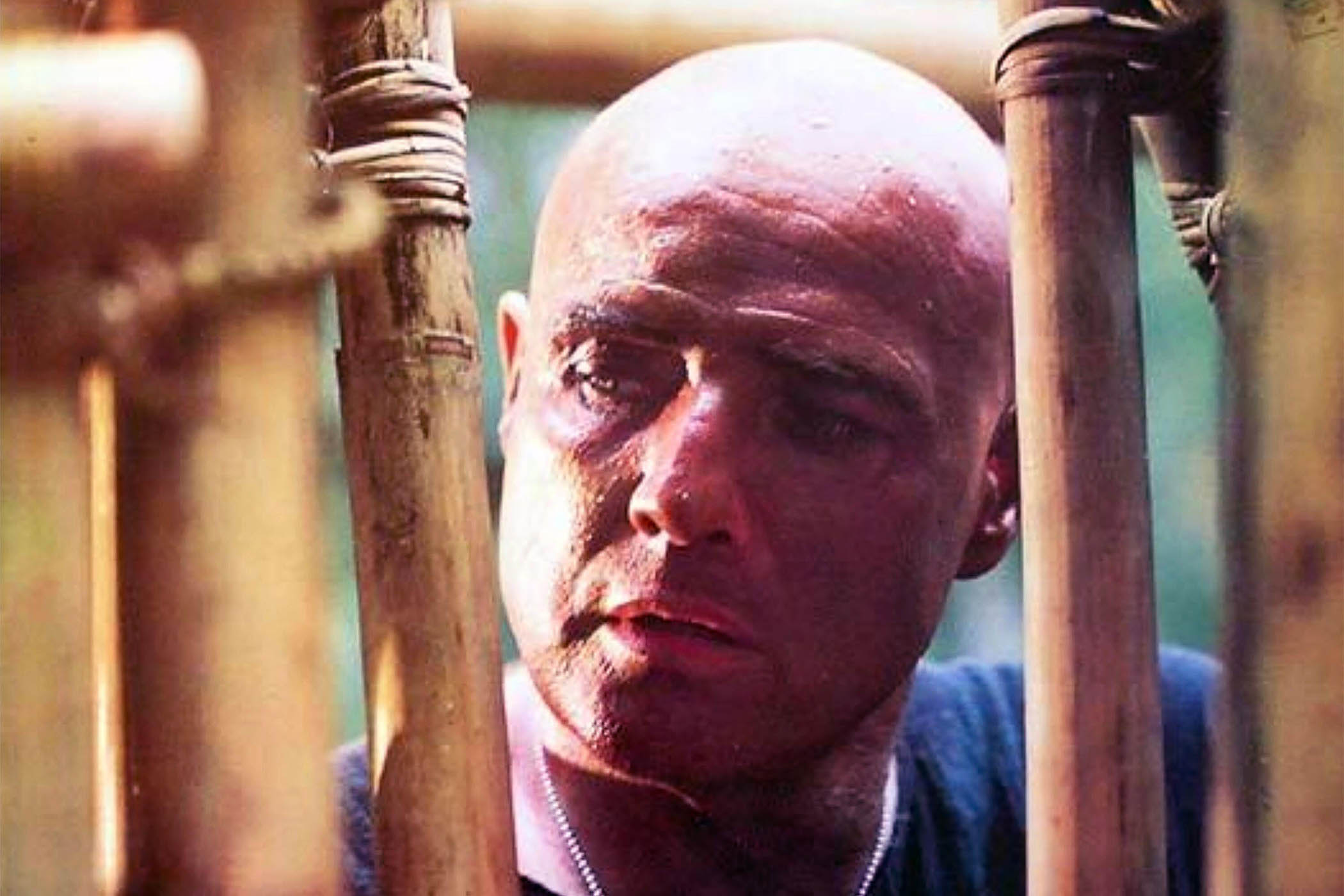
Marlon Brando as Colonel Kurtz in Apocalypse Now
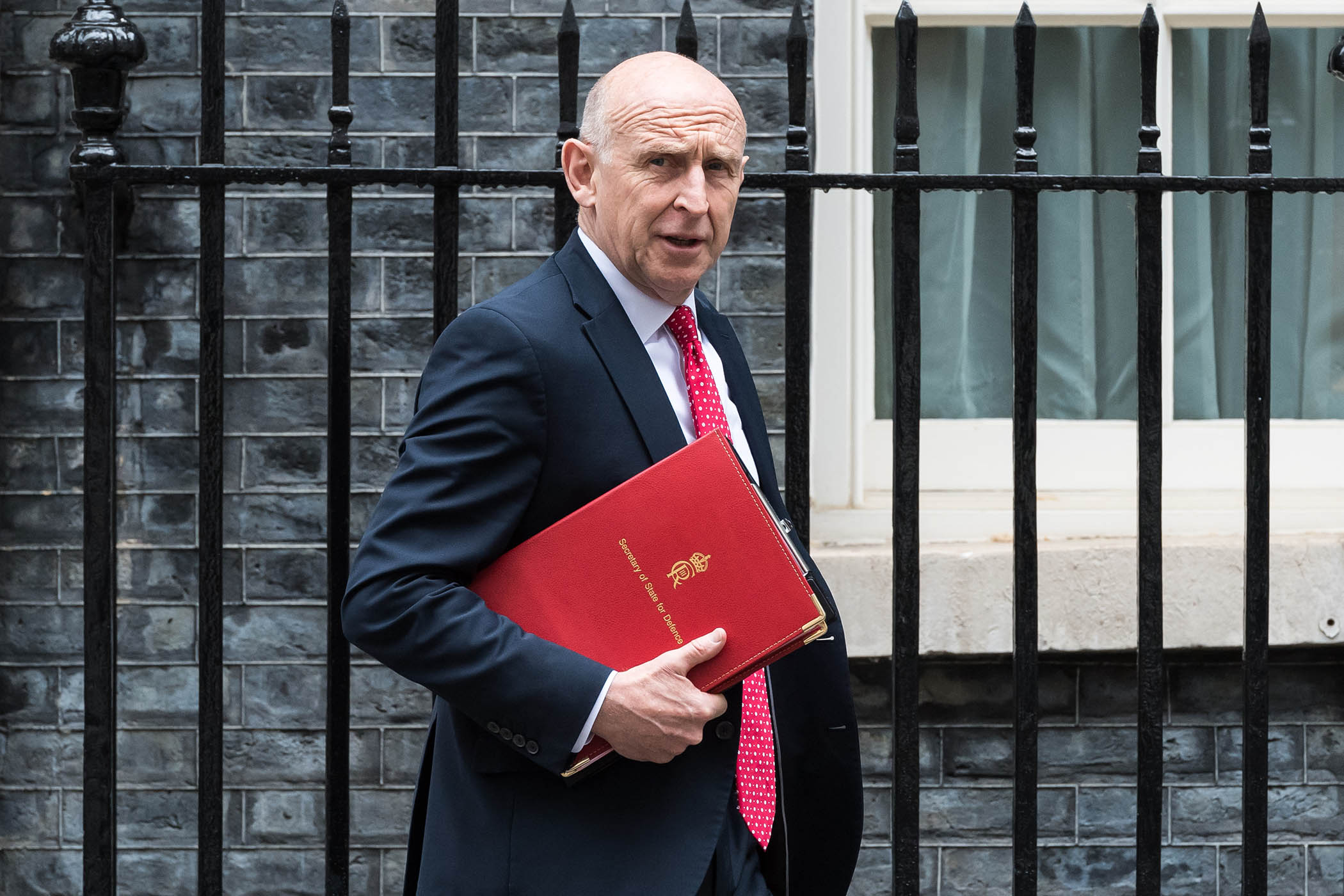
In his resignation letter, Healey said that the billions of pounds Starmer had found for extra defence investment, balanced by squeezing capital budgets allocated for other priorities, were not enough to keep Britain safe. “You have been unable and the Treasury has been unwilling to commit the resources that the nation needs to defend the country at this time of rising threats,” wrote the now former defence secretary.
Before Healey’s shock departure, however, the Defence Investment Plan had almost flippantly been described by otherwise serious journalists as part of a prime ministerial “bucket list” of policies being pushed through in the hope it would belatedly put a bit of shine on Starmer’s legacy.
The reality, however, was that finding the money needed was always going to be a grindingly difficult task. And, whatever other criticisms might be levelled at him, Starmer was at least never tempted to leave this problem for a successor to sort out. Nor did he pretend it could be solved with the kind of massive but unfunded spending commitments made by some of his Tory predecessors when they realised their time was up.
If he eventually failed to find an answer that would satisfy Healey and others who fear military underfunding has left Britains’s security in peril, it really wasn’t for the want of trying. One admiring aide describes arriving in a deserted No 10 on a recent weekend to find “the PM hunched over the spreadsheets, going through it line by line, over and over again”.
But this latest cabinet rupture has left him looking more isolated than ever, while his claim to have made the right calls on the long-term investment in national security is now cast into doubt. Starmer might once have used two looming summits, with Nato and the European Union, to show he could meet defence funding shortfalls with new military alliances. Instead, he faces fresh questions about whether, in his weakened state, key decisions and policymaking have effectively been paralysed. And those commentators predicting that a byelection victory for Andy Burnham in Makerfield next Thursday would spell the end of this prime minister within a few weeks, now ask if he can survive even for a few more days.
Even so – and no matter how far-fetched it might seem right now in the midst of this rolling crisis around his future – Starmer can still make a case to stay on as prime minister for a while longer.
Before the latest rash of resignations, he had launched a concerted effort to establish some credibility for his repeated assertion that he will “not walk away”.
Last weekend he sent out scores of text messages to friends and allies, saying that after long discussions with his wife, Vic, he had decided to “fight & win” any leadership challenge. This was followed by phone calls to key figures across the Labour movement asking directly for their support.
On Monday he asked groups of junior ministers, almost all of whom had been given their first posts in government by him, to gather round the cabinet table, where he sought to convince them of his determination to carry on, and of the danger of Labour turning inwards when public disenchantment with politics is already so rife.
By promising to fight off any challenge, however, it is important to emphasise he was not entering – let alone starting – a leadership contest. Instead, he is seeking to deter and delay it. The core of his argument is that the fragile state of the economy and market confidence, together with rising global insecurity and recent outbreaks of public disorder, make this a terrible time to inflict more political chaos on the country.
‘No one should forget that our party is always a lot more loyal to its leaders than the Tories are’
‘No one should forget that our party is always a lot more loyal to its leaders than the Tories are’
Senior Labour adviser
He no longer repeats his much-ridiculed desire to serve a full 10 years and those around him acknowledge that the question of who is prime minister at the next election will have to be settled at some point, adding “just not now”. Allies have made much of a Burnham interview last week in which the greater Manchester mayor appeared to struggle with questions about fiscal rules, to emphasise how unprepared he is to take over running the entire country. They warn against starting again “at the bottom of the steep learning curve we’ve been on for the past two years” with a novice prime minister who has not even been an MP for the past nine years.
Indeed, on this basis some of Starmer’s advisers believe the row over defence spending this week could even be turned to his advantage. If you are angry that the current prime minister is not providing enough money for defence, they say, then ask the man who wants to replace him to explain how he would balance those trade-offs and competing priorities. Would Burnham cut welfare when his supporters led the revolt against the government’s last effort to do so? How about taking more money from the net zero agenda of his close ally, Ed Miliband? Maybe he’s in favour of reducing the budget for investment in schools and hospitals, or just increasing borrowing and taxes?
One idea discussed in Downing Street is for Starmer to respond to a Burnham byelection victory by welcoming him back, telling him to focus first on another byelection for the Manchester mayoralty he will be vacating, then offering him a post in the cabinet so he can learn on the job and work out what he wants to do. Although they recognise Burnham would almost certainly refuse and be reluctant to delay a leadership bid when he has momentum, they detect some hesitation in him over being the first to make a move.
Polls showing Starmer trails Burnham by a wide margin among the Labour members who would decide the outcome of any contest could close if the latter were seen as trying to kick down the Downing Street door. “No one should forget that our party is always a lot more loyal to its leaders than the Tories are,” a senior adviser points out.
Newsletters
Choose the newsletters you want to receive
View more
For information about how The Observer protects your data, read our Privacy Policy
But even if the latest turmoil to have engulfed the government does not kill off his fledgling fightback, there are reasons to think the prime minister no longer has the capacity to pull it off. He has been operating for several months with key posts left vacant and some pretty demoralised staff. One acknowledges, with dark humour: “I’m not in the room where it all happens, but I’m not even sure there is a room.”
At the same time, the kind of aggressive media briefing that earlier this week suggested any minister who supports Burnham would be told to quit does not seat easily with claims that his continued presence in Downing Street would stop a “civil war”. Nor does the relish some of his supporters express over the prospect of removing Miliband as energy secretary, in return for support from the GMB union, which wants more drilling for fossil fuels in the North Sea, do much for the ideas of standing apart from petty factionalism.
Starmer himself has never appeared comfortable with that kind of politics, even though he has paradoxically allowed it to operate around him. As such, the famous quote from the crazed Colonel Kurtz in Apocalypse Now somehow seems appropriate:
I watched a snail crawl along the edge of a straight razor. That’s my dream. It’s my nightmare. Crawling, slithering, along the edge of a straight razor… and surviving.
It is doubtful that the prime minister will appreciate the comparison now, not least because Kurtz is brutally killed at the end of the film. As he tries in the days ahead to traverse a razor-thin path to survival, it is still – just – possible he will prove to have adapted better to such danger than his many detractors think.
Tom Baldwin is the author of Keir Starmer: The Biography
Photograph by Wiktor Szymanowicz/Future Publishing via Getty Images, Pictorial Press Ltd / Alamy