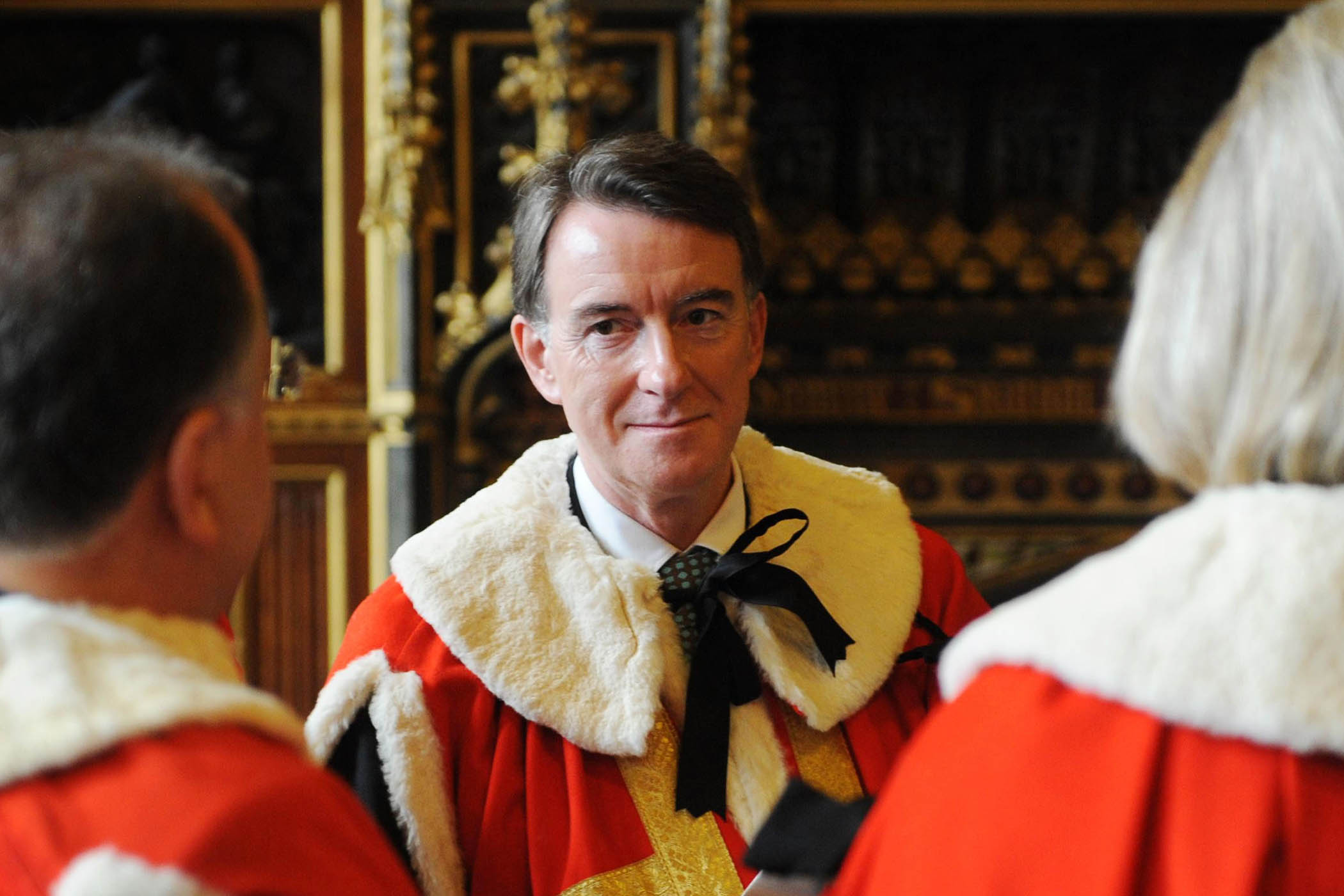

He’s jumped before he was pushed. Peter Mandelson’s resignation from the House of Lords, announced this afternoon by the Lord Speaker of the upper house, came after the prime minister told the cabinet that he had asked officials to draft legislation to strip Mandelson of his life peerage as quickly as possible. Likewise, his earlier resignation from Labour, the party he helped transform into an election-winning machine in the 1990s and of which he has been a member for more than half a century, was designed to pre-empt his expulsion from it.
“It’s Icarus,” one Labour MP remarked to me in the immediate aftermath, referencing the Greek mythological figure who plunged to earth when his wings melted after he recklessly flew too close to the sun. The idea of Mandelson as a talent undone by his thirst for risk is still popular among those whose horror at his behaviour is tempered by lingering admiration for the political skills that made his name. Mandelson has never really minded being known as the Prince of Darkness and always rather liked depictions of himself as a man who liked to dance on the edge of the abyss. “That’s why I am wild and dangerous, and twice fallen,” he wrote in an email to Ghislaine Maxwell.
Majority opinion in his former party is much more damnatory about the self-inflicted ignominy of the titan of New Labour whose reputation has been incinerated by what we now know about his dealings with Jeffrey Epstein. Disgust and fury are the most common emotions, accompanied by sheer astonishment that he apparently leaked highly confidential and market-sensitive information to the convicted paedophile.
“We always knew Peter had a terrible weakness for money,” says someone who sat in cabinet with him. “But this…” He was literally lost for words for a while.
Two revelations from the Epstein files are especially shocking. One is that Mandelson appears to have shared market-sensitive information during the convulsions unleashed by the financial crisis and offered the inside-dope virtually in real-time. This included revealing plans for a mammoth EU bailout before it was announced, privileged knowledge that Epstein could have used to make money for himself and/or friends in the financial world.
Even more staggering, especially to those who served with the former business secretary in Gordon Brown’s government, is another email exchange. In this one, Mandelson suggests to Epstein that Jamie Dimon, the boss of JP Morgan, should “mildly threaten” Alistair Darling, the chancellor at the time, to prevent a planned tax on bankers’ bonuses.
‘We always knew Peter had a terrible weakness for money. But this…’
‘We always knew Peter had a terrible weakness for money. But this…’
A former cabinet colleague of Peter Mandelson
Darling recalled in his biography that Dimon called him a few days later, making threatening noises about how much UK debt his bank bought and saying it was reconsidering whether to build a new office in London. Darling knew at the time that he had enemies in Wall Street. What he didn’t know was that one of his most senior cabinet colleagues was funnelling them advice. Global Counsel, the advisory firm co-founded by Mandelson after he left government office, went on to advise JP Morgan.
It is hard to disagree with Emily Thornberry, the Labour chair of the foreign affairs committee, that he was “acting against the interests of the rest of the cabinet and the country”.
The cabinet secretary is now reviewing “all available information” about Mandelson’s contacts with Epstein during his time as a government minister. Even more ominously for him, Scotland Yard is examining whether he committed criminal offences. Misconduct in public office carries a maximum sentence of life imprisonment.
Newsletters
Choose the newsletters you want to receive
View more
For information about how The Observer protects your data, read our Privacy Policy
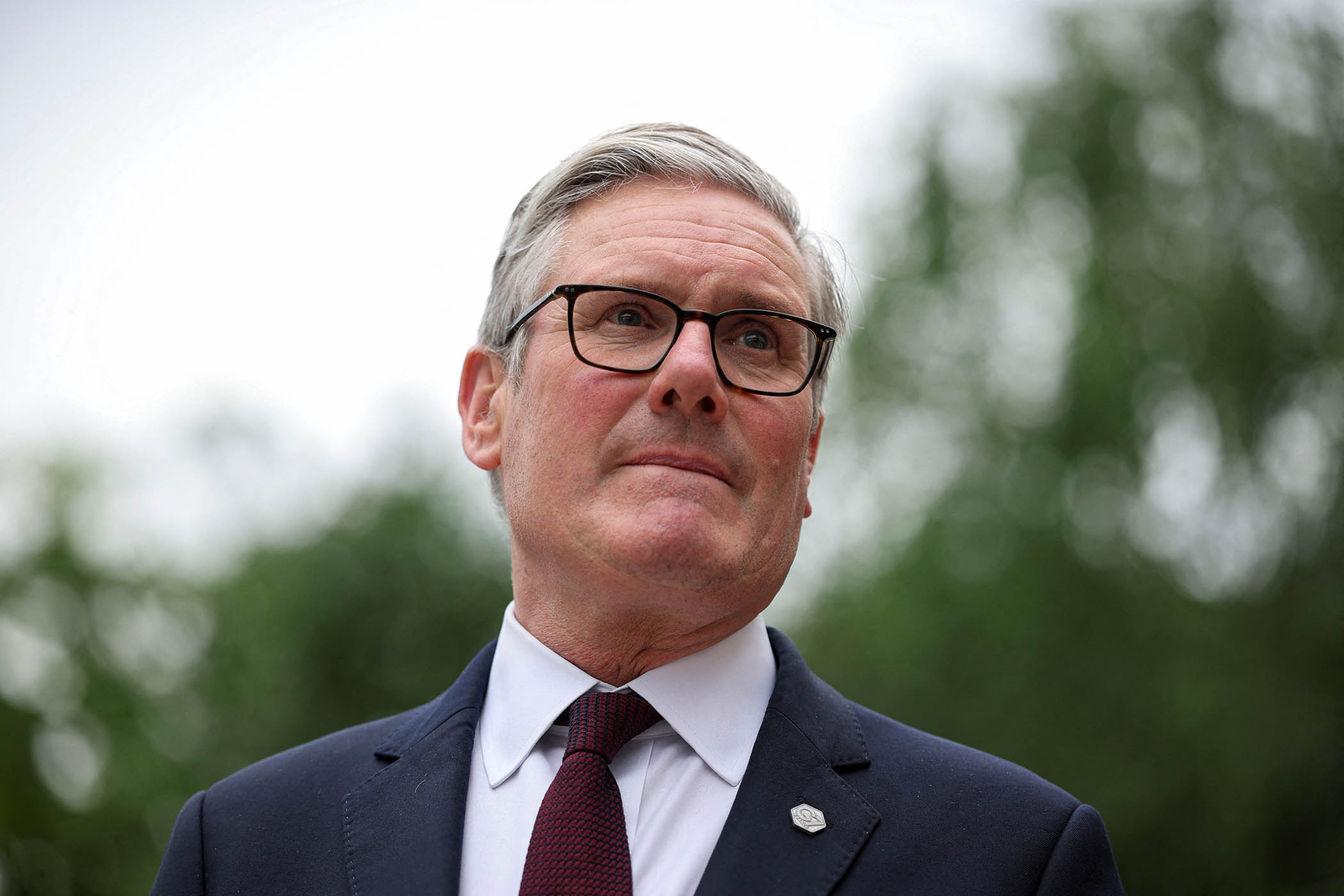
No one serious thinks Keir Starmer had any idea about all of this when he appointed Mandelson the UK’s ambassador to Washington. But he did know by then, because everyone did, that Mandelson had been friendly with Epstein. And anyway, ignorance is not a great defence when you are prime minister. It was rightly regarded as a risky appointment at the time, even if no one was then aware just how toxic. So this is bound to sharpen the questions about the prime minister’s judgment and provides fresh ammunition for his opponents in other parties and his enemies within the Labour party.
“It rubs off,” says one Labour MP. “Who made Mandelson ambassador? And I’m not one of those who wishes Keir ill.”
Morgan McSweeney, the prime minister’s chief of staff, pushed for the appointment and was initially resistant to removing Mandelson from his post in Washington when the full truth about the closeness of his relationship with Epstein began to emerge. Labour MPs who want McSweeney out are exploiting this to renew their campaign, but it is doubtful that giving them the chief of staff’s head would do much, if anything, to reduce the heat on the PM. It might simply make him look weaker.
The House of Lords may have heard the last of Lord Mandelson. The government is not going to be so lucky.
Photograph by Stefan Rousseau/PA Wire