

In half a century of door-knocking for Labour – nearly 40 years in Wales – I’ve never known it so bad, worse even than the general election nadirs of 1983 and 2019.
Lifelong party voters either stayed at home or voted Reform, Plaid Cymru or Green for a Labour bloodbath – out of government and into humiliation.
Plaid’s principal pitch that it alone could stop Reform clearly worked and its leader, Rhun ap Iorwerth, is now in line to be Welsh first minister.
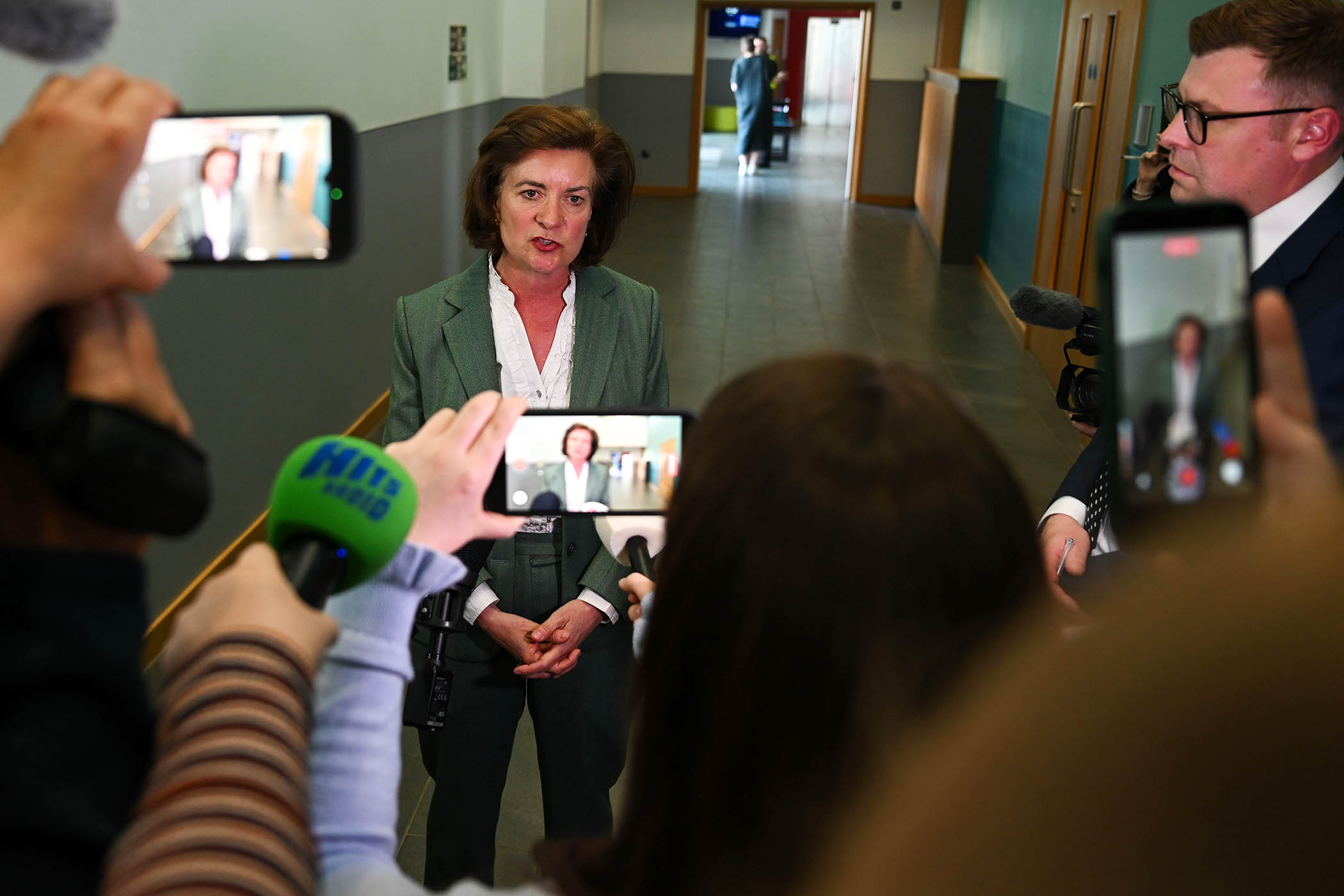
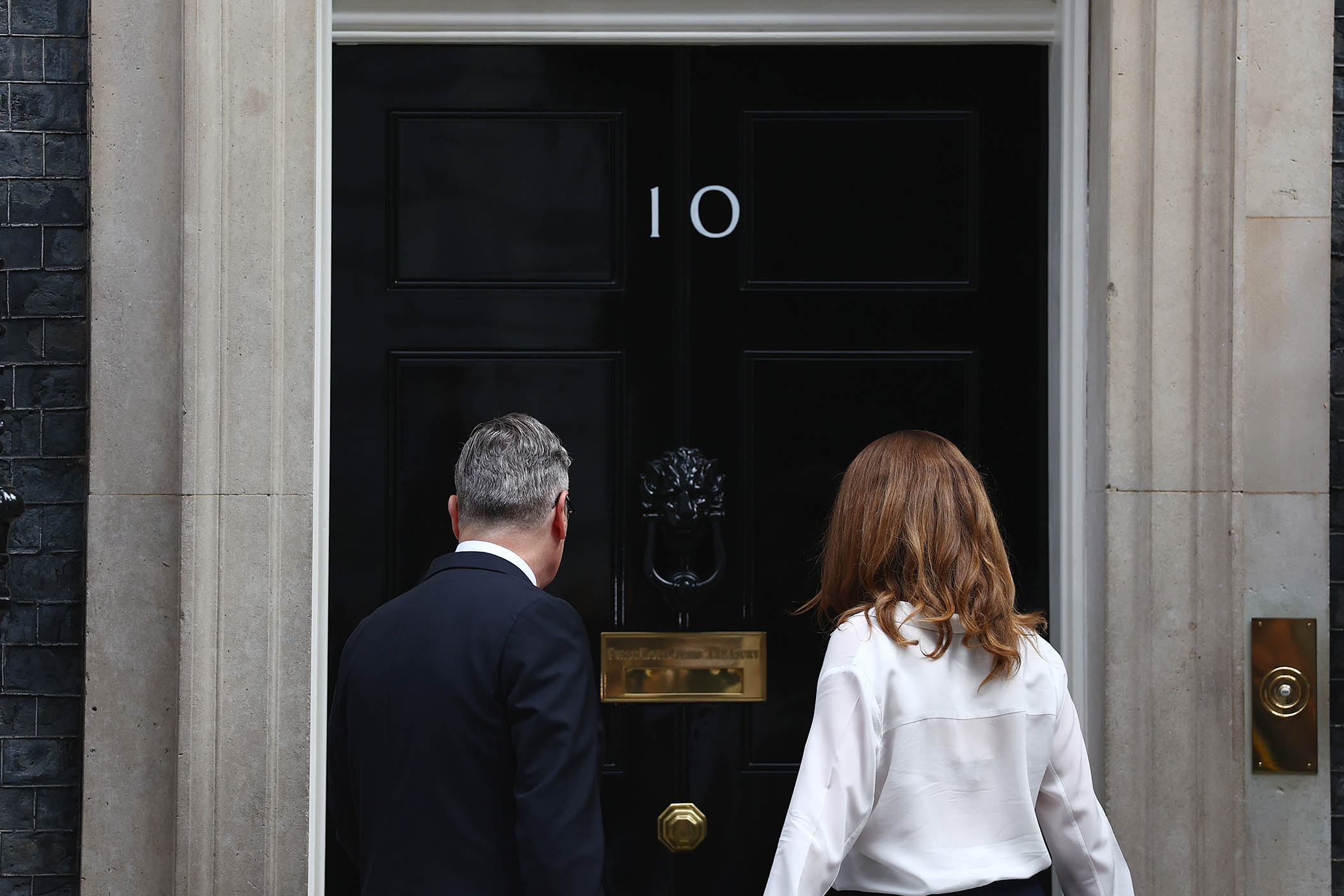
His Labour predecessor, the able and charismatic Eluned Morgan, fought a gutsy campaign but suffered the same kicking delivered to most incumbents in democracies across the world, even losing her constituency seat. But she was not the main doorstep target. That was the prime minister, Keir Starmer.
“I’ve always voted Labour,” one supermarket worker in once-safe Gorseinon told me, “but not this time. I’m fed up, cost of living is killing me.”
Nearly four decades ago miners and trade unionists in large manufacturing companies formed a majority of our Neath Labour constituency party’s ruling committee and chose me to be the local MP. When I stood down in 2015, they were all gone, and the record 27,000 majority I achieved in 1997 had fallen to under 10,000 – mostly because of declining Labour turnout rather than switching to rival parties. The same was true right across the Welsh Valleys.
When I stood down as Neath MP in 2015 the record 27,000 majority I achieved in 1997 had fallen to under 10,000 – mostly because of declining Labour turnout
When I stood down as Neath MP in 2015 the record 27,000 majority I achieved in 1997 had fallen to under 10,000 – mostly because of declining Labour turnout
By then the popular drinking clubs that I had systematically visited each weekend to introduce myself to local people, once the hub of their communities, had also disappeared.
In the former pit village of Resolven where I lived, the rugby club lounge bar on a Saturday evening had been packed with men in collars and ties and women in smart frocks. By the 2005 election, a couple of men might be propping up that bar as half a dozen youngsters played pool next door.
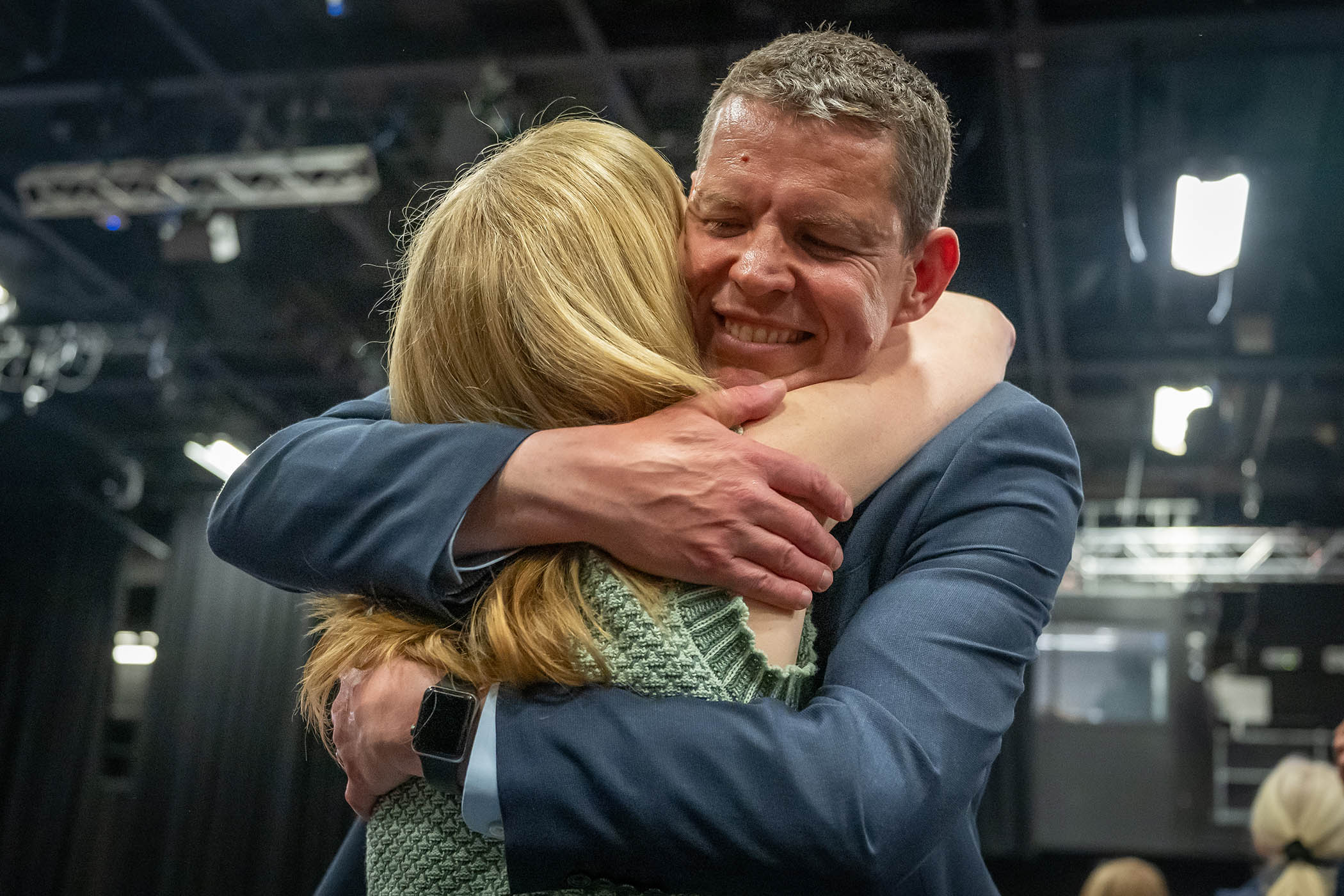
Leader of Plaid Cymru, Rhun ap Iorwerth hugs his wife Llinos in Llandudno
A sense of communities coming together around a shared social life, whatever their age or trade, was disappearing.
Wales’s industrial heartlands had been Welsh Labour’s base, – in effect its umbilical cord to voters was fast dissolving. “My grandad would be turning in his grave if I voted anything but Labour,” had been a common refrain. But I stopped hearing that, and nobody in Welsh Labour was listening, even for the seven years I was secretary of state for Wales from 2002.
Newsletters
Choose the newsletters you want to receive
View more
For information about how The Observer protects your data, read our Privacy Policy
In the 2024 general election our biggest majority was among professionals in Cardiff Central, not the once-mighty former coal communities where Labour votes used to be weighed rather than counted. This time Welsh Labour even lost in Nye Bevan’s old heartland, the cradle of the NHS.
Our roots in deindustrialised communities have withered away – in England and Scotland too.
In this election campaign, doorstep disillusion with Starmer and people’s lives under the UK government was palpable amid a big push for change – though a change to what exactly remains an unknown in Wales and the whole of Britain too.
Peter Hain was MP for Neath, 1991-2015, and secretary of state for Wales, 2002-08 and 2009-10
Photrographs by Finnbarr Webster/Getty Images, Matthew Horwood/Getty Images